
The Best Vegan Rice Noodle Dishes to Try Now
Why Vegan Rice Noodle Recipes Belong in Every Student’s Weekly Rotation
Vegan rice noodle recipes are one of the fastest, cheapest, and most flexible meals you can make as a student.
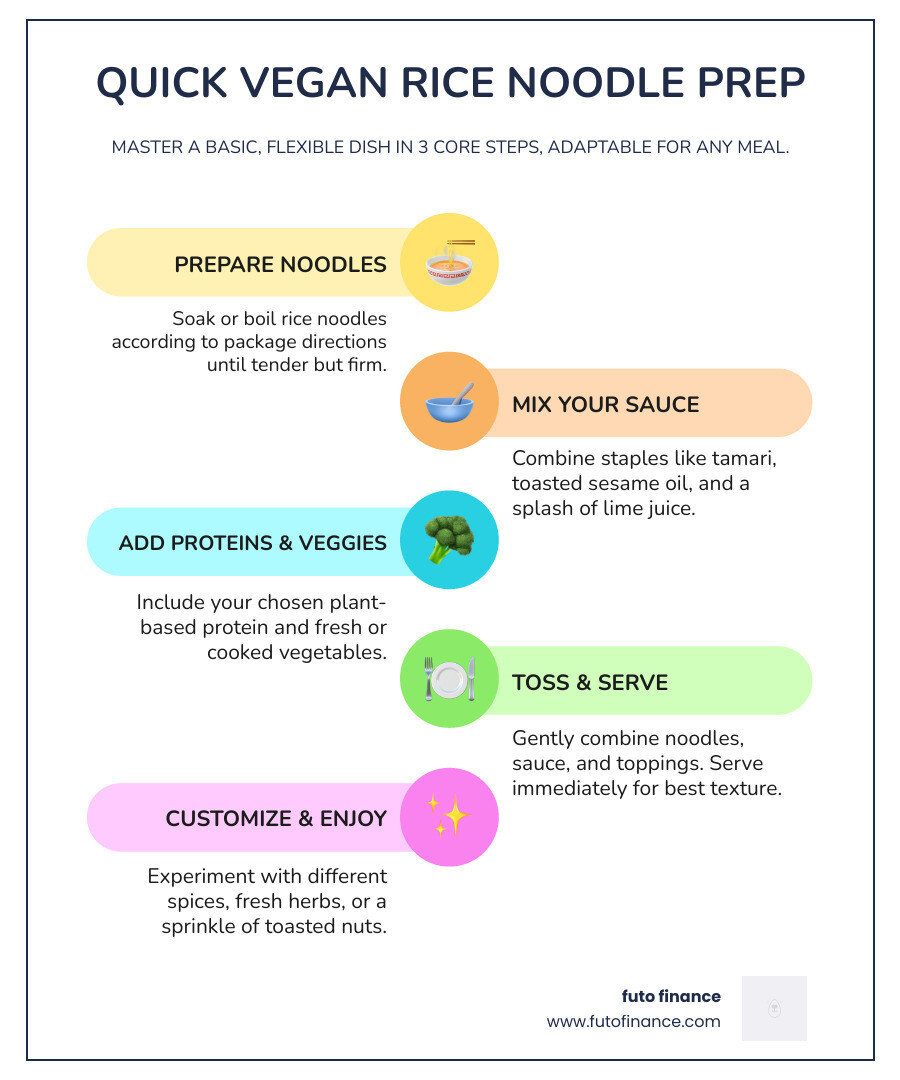
Here’s a quick overview of how to make a basic vegan rice noodle dish:
- Soak or boil your rice noodles according to package directions
- Mix your sauce — tamari, toasted sesame oil, and lime juice is a great starting point
- Toss and serve — add your noodles to the sauce, top with veggies or protein, and eat
That’s really it. Most versions are ready in under 30 minutes, and some take less than 10.
Rice noodles are made from just rice, salt, and water. They are naturally gluten-free, shelf-stable, and inexpensive. You can keep a bag in your pantry for weeks and build a satisfying meal around almost any vegetables or protein you have on hand.
Whether you want something spicy, savory, or light and fresh — there’s a vegan rice noodle recipe that fits.
Below, we cover five great recipes to try, plus tips on cooking noodles perfectly, adding protein, and storing leftovers.
Why Vegan Rice Noodle Recipes are Perfect for Students
When you are balancing lectures, exams, and a social life, the last thing you want is a complicated dinner that drains your bank account. That is where vegan rice noodle recipes come to the rescue. At Futo Finance, we focus on helping students navigate plant-based eating without breaking the bank, and rice noodles are essentially the gold standard for budget-friendly cooking.
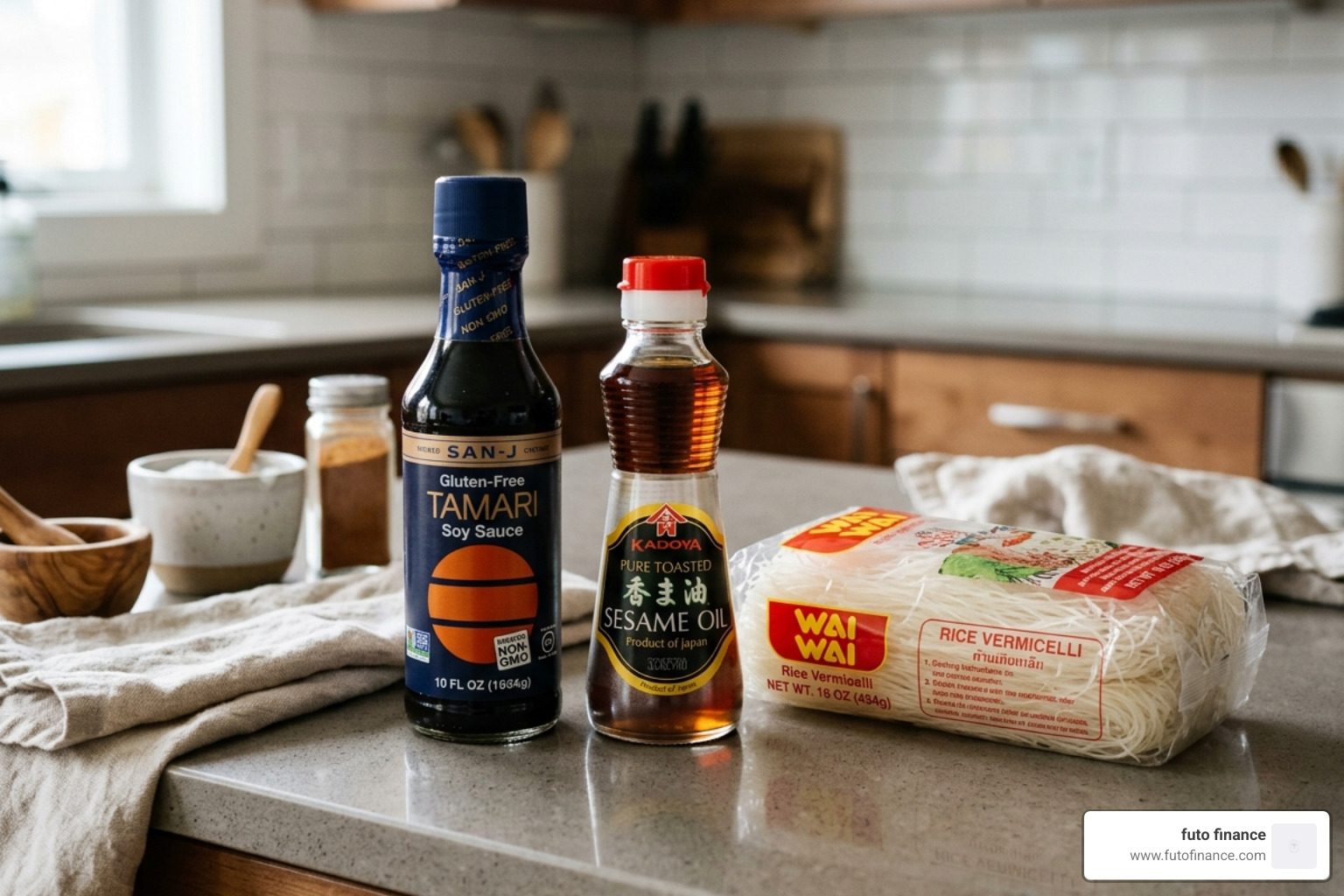
First, let’s talk about the cost. These noodles are “dirt-cheap.” You can buy them in bulk from most grocery stores, and because they are shelf-stable, they won’t go bad if you forget about them during finals week. Most of the supporting ingredients—like tamari, garlic, and ginger—are pantry staples that last a long time.
Beyond the price, rice noodles offer incredible health benefits. They have a low glycemic index compared to some wheat-based pastas, meaning they provide a steadier release of energy to help you fight off afternoon hunger. They are also naturally gluten-free, making them a safe and easy choice for students with dietary sensitivities.
Perhaps the biggest “win” for students is the speed. Some recipes are ready in under 10 minutes. If you can boil a kettle, you can make dinner. For a deeper dive into just how fast these can be, check out this Vegan Rice Noodles Recipe: Quick, Easy, Flexible, Fabulous.
Master the Basics: How to Cook Rice Noodles Perfectly
The most common complaint about rice noodles is that they can turn into a sticky, mushy clump. We’ve all been there—expecting a beautiful stir-fry and ending up with a “noodle brick.” Achieving that perfect “al dente” texture is all about the method.
There are two main ways to prepare rice noodles: the soaking method and the boiling method.
| Method | Best For… | How to Do It |
|---|---|---|
| Soaking | Thin vermicelli or stir-fries | Soak in room-temperature or hot water for 3–10 minutes until pliable. |
| Boiling | Thick noodles or cold salads | Drop into boiling water for 2–3 minutes, then drain immediately. |
The Futo Finance “Pro-Tips” for Texture Control:
- The Cold Water Rinse: This is the most important step. As soon as your noodles reach the desired texture, drain them and rinse thoroughly under cold running water. This stops the cooking process and removes the excess surface starch that causes sticking.
- The Oil Toss: If you aren’t adding the noodles to your sauce immediately, toss them with a teaspoon of a neutral oil like safflower oil or a flavorful one like toasted sesame oil. This creates a barrier that prevents them from fusing together.
- Don’t Overcook: Rice noodles continue to soften when you add them to a hot pan with sauce. It is always better to undercook them slightly during the initial prep.
- Room-Temperature Soaking: For thin noodles used in stir-fries, many experts recommend soaking them in room-temperature water for about 10 minutes rather than boiling them. This keeps them intact and prevents them from breaking during the toss.
5 Essential Vegan Rice Noodle Recipes to Try Now
Ready to get cooking? We have rounded up five distinct flavor profiles that prove vegan rice noodle recipes are anything but boring.
10-Minute Sesame Garlic Vegan Rice Noodle Recipes
This is the ultimate “I have a paper due in an hour” meal. It uses thin rice vermicelli, which cooks almost instantly. The base of the sauce is a simple but punchy mix of tamari (a gluten-free soy sauce alternative), toasted sesame oil, and a neutral oil like safflower.
To make it, whisk your sauce ingredients directly in your serving bowl. Boil or soak the noodles, drain them, and toss them right into the bowl. Add a handful of sliced scallions or minced shallots for a fresh, savory kick. It is savory, salty, and incredibly satisfying as-is, but it’s also a “blank canvas” for whatever leftovers are in your fridge.
Spicy Vegan Drunken Noodles (Pad Kee Mao)
Contrary to the name, there is no alcohol in this dish! Legend has it these are called “drunken noodles” because they are spicy enough to make you reach for a cold drink. This version uses wide, flat rice noodles that are excellent at soaking up a savory-tart sauce.
The secret to a great vegan Pad Kee Mao is using lime juice to provide that acidic “pop” usually offered by fish sauce. We recommend using crispy, crumbled tofu for protein and plenty of Thai basil. If you can’t find Thai basil, regular basil works in a pinch, though the flavor profile will be slightly sweeter. It’s a nutrient-dense, 30-minute meal that tastes better than takeout.
30-Minute Singapore Style Vegan Rice Noodle Recipes
Interestingly, Singapore noodles actually originated in Hong Kong! This dish is famous for its vibrant yellow color, thanks to curry powder. It’s a fantastic one-pan meal that typically uses just 10 core ingredients.
You’ll sauté onions, red bell peppers, and snow peas before adding your prepared vermicelli and a sauce made of tamari, garlic, and a touch of maple syrup or coconut sugar to balance the heat. It’s a high-flavor, low-effort dish that feels “fancy” without the price tag.
Rainbow Thai Noodle Bowl with Grapeseed Oil
If you want something that feels light and healthy, this is the recipe for you. This “rainbow” bowl focuses on fresh, crunchy vegetables like kale, shredded carrots, and red peppers.
We suggest using grapeseed oil for the stir-fry portion. Why? Grapeseed oil has a high smoke point (up to 450°F), meaning it won’t burn or become bitter at high temperatures. It’s also packed with Vitamin E and Omega-6 fatty acids. Finish the dish with fresh mint, cilantro, and a few slices of serrano pepper for a refreshing, zesty experience.
One-Pan Mushroom and Crispy Tofu Stir-Fry
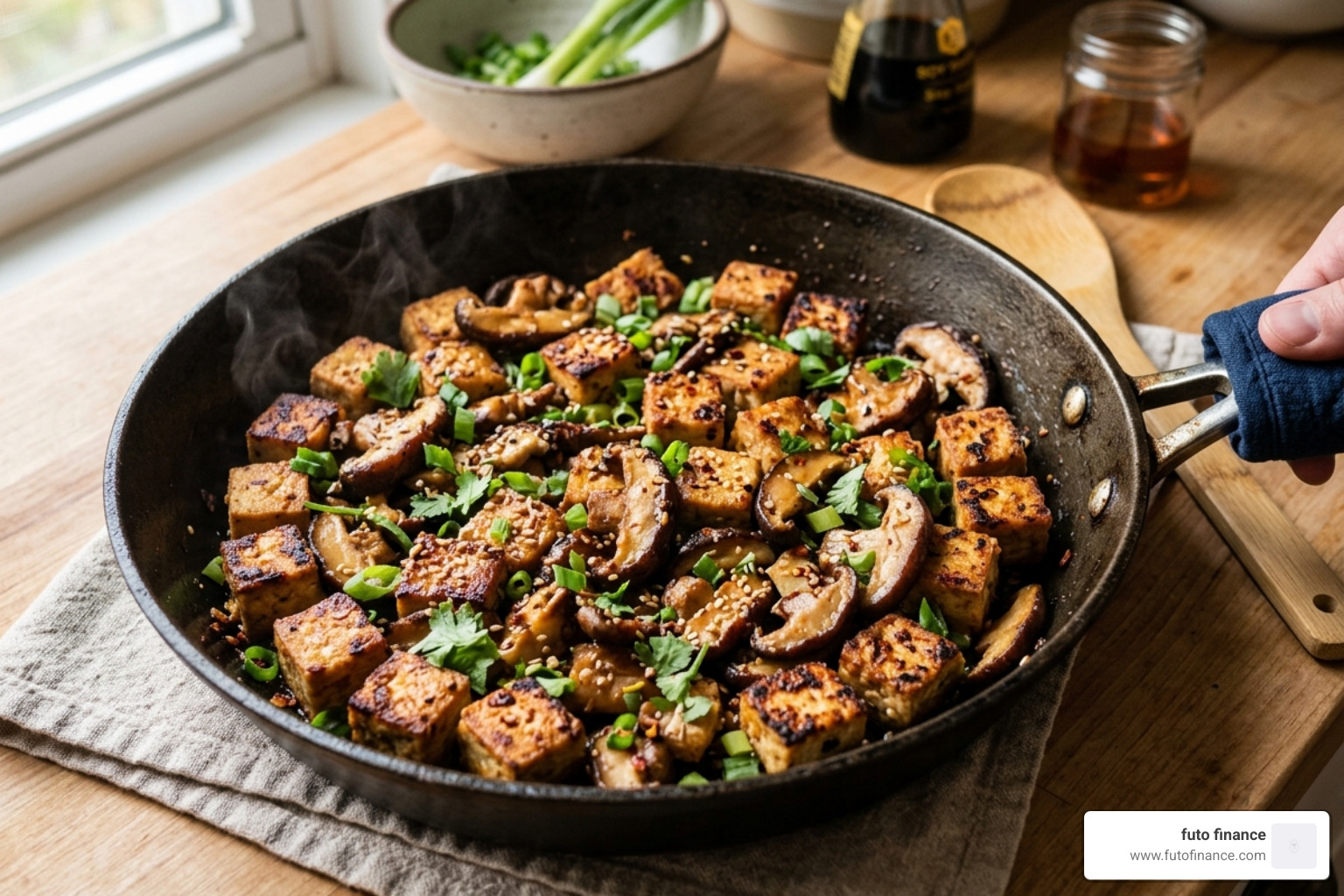
For those who crave deep, “meaty” flavors, mushrooms are your best friend. Shiitake mushrooms offer a wonderful umami punch that pairs perfectly with extra-firm tofu.
The key here is to press your tofu for at least 30 minutes to remove moisture before pan-frying it until it’s golden and crispy. Use a sauce built on hoisin, rice wine vinegar, and plenty of fresh grated ginger. Add some bok choy at the very end—staggering the stems and leaves so the stems stay crunchy while the leaves wilt perfectly.
Customizing Your Noodle Bowls: Proteins and Veggies
One of the best things about vegan rice noodle recipes is that they are “fridge cleaners.” You can swap almost any vegetable or protein based on what is on sale or what you have left at the end of the week.
Plant-Based Protein Additions:
- Tofu: Use extra-firm. You can bake it, pan-fry it, or even buy pre-smoked tofu for a deeper flavor.
- Edamame: Keep a bag of shelled edamame in your freezer; they provide about 16g of protein per serving and can be tossed into any noodle dish.
- Tempeh or Seitan: These offer a heartier, chewier texture for those who want a more substantial meal.
- Seeds: Roasted pumpkin seeds (pepitas) or sesame seeds add a lovely crunch and a boost of healthy fats.
Vegetable Ideas:
- Crunchy: Bean sprouts, snap peas, and shredded cabbage.
- Savory: Miso-glazed Brussels sprouts or roasted mushrooms.
- Sweet: Sliced red bell peppers or baby corn.
- Leafy: Baby spinach or kale (these wilt in seconds from the residual heat of the noodles).
Pro Tips for Storing and Reheating Leftovers
As a student, batch cooking is your secret weapon. Most of these recipes will stay fresh in an airtight container in the fridge for 3 to 4 days. However, rice noodles behave a bit differently than wheat pasta when cold.
Because of the oils used (like sesame oil), the noodles can firm up and become a bit stiff in the fridge. To bring them back to life:
- Stovetop Rehydration: This is the best method. Place the noodles in a pan with a splash of water or vegetable broth. Heat over medium-low, tossing gently until the noodles absorb the liquid and soften up.
- Microwave: If you are in a rush between classes, use the microwave on “half power.” Adding a damp paper towel over the bowl can help steam the noodles back to their original texture.
- Room Temperature: Many rice noodle dishes, especially the sesame-garlic variety, actually taste great at room temperature. Just take them out of the fridge 20 minutes before you plan to eat.
Frequently Asked Questions about Vegan Rice Noodle Recipes
How do I prevent my rice noodles from becoming mushy?
The secret is avoiding the “boil and forget” trap. For thin noodles, soaking in room-temperature water is safer than boiling. For any noodle, always rinse with cold water immediately after cooking to stop the starch from turning into glue.
Can I make these recipes in advance for meal prep?
Yes! Most of these dishes hold up well for 3 days. If you are worried about the noodles getting too soft, you can prep the sauce and chop the veggies ahead of time, then just cook the noodles fresh when you are ready to eat. It only takes 3 minutes!
What is the best substitute for fish sauce in vegan Thai noodles?
To get that salty, fermented “funk” without the fish, use a combination of tamari (or soy sauce) and fresh lime juice. Some people also add a tiny bit of mushroom powder or “vegan fish sauce” made from seaweed, but tamari and lime usually do the trick for a student budget.
Conclusion
At Futo Finance, we believe that eating a vibrant, plant-based diet should be accessible to everyone, regardless of their budget or kitchen skills. Vegan rice noodle recipes are the perfect entry point for any student looking to eat healthier, save money, and master the art of the 20-minute dinner.
By keeping a few staples like rice noodles, tamari, and ginger in your pantry, you are always just minutes away from a delicious, warm meal. Whether you are whipping up a 10-minute sesame bowl or a spicy weekend stir-fry, these dishes are sure to become favorites in your weekly rotation.
For more tips on affordable student living and plant-based nutrition, visit our main site at https://www.futofinance.com/. Happy cooking!

Melo Rodrigues is the founder of Futo Finance and a specialist in student-budget veganism. Having mastered the art of plant-based cooking in a university setting, Melo is dedicated to helping students achieve nutritional excellence without financial strain. Through Futo Finance, Melo shares lab-tested strategies for eating smart and living sustainably on a budget.
