
31 Easy Plant-Based Recipes for New Vegans
Why Vegan Diet Recipes for Beginners Are Easier Than You Think
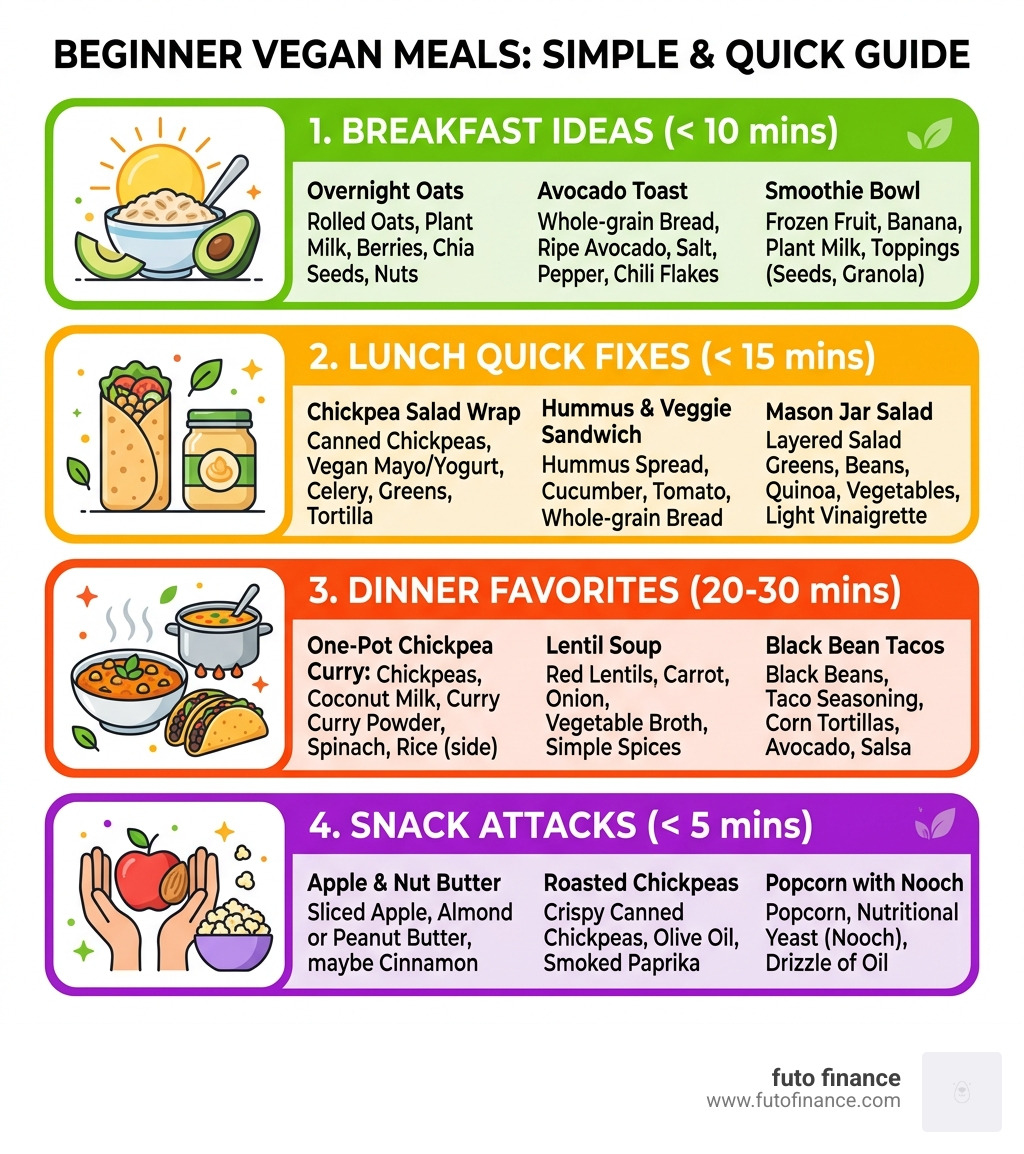
Vegan diet recipes for beginners don’t have to be complicated, expensive, or time-consuming. Here are the easiest ways to get started:
- Breakfast – Overnight oats, avocado toast, or a smoothie bowl (under 5 minutes)
- Lunch – Chickpea salad wrap or hummus and veggie sandwich (no cooking required)
- Dinner – Black bean tacos, lentil soup, or chickpea curry (ready in 20-30 minutes)
- Snacks – Apple with nut butter, roasted chickpeas, or popcorn with nutritional yeast
The key rule: aim for recipes with 10 ingredients or fewer, ready in 30 minutes or less.
Starting a vegan diet can feel overwhelming. What do you eat? Where does your protein come from? Will it break your budget?
The good news: it’s simpler than it looks.
Plant-based meals built around beans, lentils, oats, rice, and seasonal vegetables are often cheaper than meat-based meals — and many come together in under 30 minutes with basic pantry staples.
You don’t need to overhaul your entire diet overnight either. Small, gradual swaps — swapping cow’s milk for oat milk, or chicken for chickpeas — are enough to get started. Even a few plant-based meals per week makes a real difference.
This guide covers 31 beginner-friendly vegan recipes across every meal of the day, plus practical tips on nutrition, meal prep, and budget-friendly shopping — all designed for busy students with limited time and tight budgets.
Getting Started with Vegan Diet Recipes for Beginners
Transitioning to a plant-based lifestyle in April 2026 is easier than ever before. For us at Futo Finance, we see veganism not just as a diet, but as a practical way to eat well while being mindful of our environmental footprint and ethical choices. As university students, we often worry that “vegan” equals “expensive specialty products.” In reality, the heart of a vegan diet is whole foods—the simplest, most affordable items in the grocery store.
By focusing on whole foods, we reap incredible health benefits, such as increased fiber intake and lower saturated fat, without needing a massive budget. Ethical eating doesn’t require a complete pantry overhaul on day one; it starts with understanding the building blocks of a satisfying meal.
Essential Pantry Staples for University Students
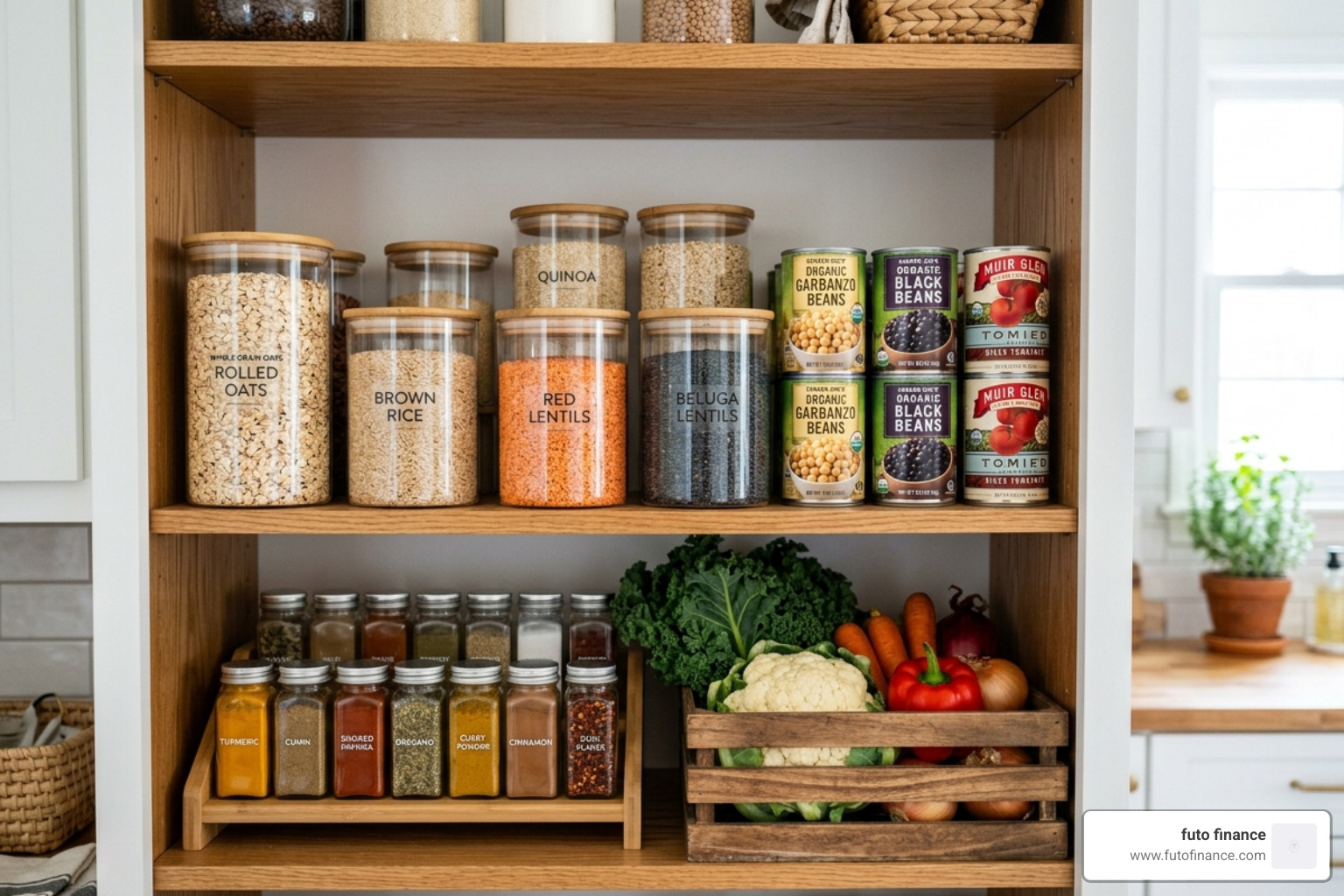
To make vegan diet recipes for beginners a success, you need a solid foundation. These staples are affordable, have a long shelf life, and can be used in dozens of different dishes:
- Canned Chickpeas & Black Beans: These are your instant protein hits for tacos, salads, and curries.
- Red Lentils: They cook faster than other lentils (about 15-20 minutes) and melt into delicious soups.
- Rolled Oats: The ultimate budget breakfast.
- Brown Rice & Quinoa: Hearty grains that keep you full between lectures.
- Nutritional Yeast: A deactivated yeast that provides a cheesy, nutty flavor—essential for “cheesy” pasta without the dairy.
- Soy Sauce & Smoked Paprika: These add the “umami” and smoky depth that beginners often miss when moving away from meat.
- Peanut Butter: Great for toast, smoothies, or making a quick satay sauce.
- Vegetable Broth & Garlic Powder: The flavor base for almost every savory dish.
Transitioning Without Feeling Overwhelmed
We recommend the “Secular Vegan” approach—being flexible and non-dogmatic. You don’t have to be perfect. Start by “crowding out” animal products; instead of focusing on what you can’t eat, focus on adding more beans, grains, and veggies to your plate until the meat naturally disappears.
Learn to read labels, but don’t stress over every trace ingredient. Look for simple substitutions: use flax seeds mixed with water as an “egg” in baking, or almond milk in your cereal. If you’re looking for a foolproof starting point, this Vegan Chickpea Curry is a classic “speed demon” dinner that takes only 20 minutes and uses mostly pantry items.
31 Quick and Easy Vegan Recipes for Every Meal
The secret to staying vegan as a student is speed. Most of these recipes use 10 ingredients or fewer and are designed for small kitchens with limited equipment.
Breakfast Ideas to Fuel Your Morning
- Overnight Oats: Mix oats, plant milk, chia seeds, and a spoonful of peanut butter in a jar. Let it sit overnight. It’s like magic—breakfast is ready before you even wake up!
- Tofu Scramble: High in protein and ready in 10 minutes. Crumble firm tofu into a pan with turmeric (for color), nutritional yeast, and salt.
- Banana Pancakes: Mash a ripe banana, mix with flour and plant milk. No eggs required!
- Smoothie Bowls: Blend frozen bananas and berries. Top with granola.
- Avocado Toast: The classic. Add a sprinkle of red pepper flakes or hemp seeds for extra nutrients.
- Chia Seed Pudding: Similar to oats but with a lighter, jelly-like texture.
- Breakfast Burritos: Fill a tortilla with black beans, avocado, and sautéed peppers.
- Sheet Pan Pancakes: Pour your batter onto a baking sheet and bake. It’s the ultimate hack for feeding a group of roommates at once.
Portable Vegan Diet Recipes for Beginners
Lunch needs to be “grab-and-go” friendly for those long days in the library.
- Chickpea Salad Wraps: Mash chickpeas with vegan mayo (or avocado), mustard, and diced celery. It tastes remarkably like chicken salad!
- Quinoa Mediterranean Salad: Toss cooked quinoa with cucumber, tomatoes, olives, and lemon juice.
- Vegan Bistro Lunch Boxes: Pack a box with hummus, crackers, grapes, nuts, and carrot sticks.
- Black Bean Quinoa Corn Salad: A Southwestern-style bowl that actually tastes better the next day.
- Spinach Pasta Salad: Use whole-wheat pasta, baby spinach, and a simple balsamic vinaigrette.
- Hummus and Veggie Sandwiches: Load up whole-grain bread with thick hummus, sprouts, and sliced peppers.
- Mason Jar Salads: Layer dressing at the bottom and greens at the top to keep everything crisp until noon.
30-Minute Dinners and Comfort Foods
- Sweet Potato Buddha Bowls: Roast sweet potato cubes and chickpeas, then serve over greens with a tahini-maple sauce.
- Black Bean Tacos: Season beans with cumin and chili powder. Top with plenty of lime and avocado.
- Lentil Bolognese: Use red lentils instead of ground beef in your favorite tomato sauce.
- Coconut Chickpea Curry: Use fire-roasted tomatoes and coconut milk for a rich, 20-minute meal.
- One-Pot Tomato Basil Pasta: Throw the noodles and the sauce ingredients into one pot. Less washing up!
- Crispy Tofu Stir-Fry: Pan-sear tofu until golden and toss with frozen stir-fry veggies and soy sauce.
- Vegan Enchilada Casserole: Layer tortillas, beans, corn, and enchilada sauce. Bake until bubbly.
- Mushroom Fettuccine Alfredo: Use blended cashews or a flour-and-plant-milk roux with nutritional yeast for the sauce.
- Sheet Pan Fajitas: Toss bell peppers, onions, and portobello mushrooms in oil and spices, then roast together.
Simple Vegan Diet Recipes for Beginners: Snacks and Sweets
- Roasted Chickpeas: Drain a can, toss in spices, and bake until crunchy.
- Hummus with Crudités: The ultimate healthy student snack.
- Apple Slices with Almond Butter: Simple, sweet, and satisfying.
- Popcorn with Nutritional Yeast: Sprinkling “nooch” on popcorn gives it a cheesy flavor without the dairy.
- 2-Ingredient Banana Ice Cream: Blend frozen bananas until creamy. That’s it!
- No-Bake Peanut Butter Cookies: Mix oats, peanut butter, and a little maple syrup. Form into balls and chill.
- Dark Chocolate Energy Bites: Blend dates, nuts, and cocoa powder for a quick brain-boost between classes.
Mastering Vegan Nutrition and Meal Prep
Eating vegan isn’t just about removing meat; it’s about ensuring your body gets the fuel it needs. We focus on nutrient density—making sure every calorie counts.
Ensuring Protein, Fiber, and B12 Intake
One of the biggest myths is that vegans struggle for protein. In reality, if you eat enough calories from a variety of sources, you’ll likely hit your targets. However, Vitamin B12 is a non-negotiable supplement. It is not naturally found in plant foods in reliable amounts, so we must take a daily supplement or eat fortified foods.
| Food Source (100g) | Protein Content | Key Benefit |
|---|---|---|
| Firm Tofu | 8-10g | Complete protein, very versatile |
| Cooked Lentils | 9g | High fiber, great for heart health |
| Black Beans | 8g | High in antioxidants and iron |
| Quinoa | 4g | Contains all nine essential amino acids |
To boost iron absorption, always pair your iron-rich foods (like spinach or lentils) with a source of Vitamin C (like lemon juice or bell peppers). For Omega-3s, stir a tablespoon of ground flax or chia seeds into your morning oats.
Batch Cooking and Budgeting Hacks
To keep things affordable, we swear by Sunday Prep Sessions. Spending 60 minutes on the weekend can save you hours during the week:
- Bulk Buying: Buy rice, beans, and oats from the bulk bins. It’s significantly cheaper than buying small pre-packaged bags.
- Frozen Vegetables: Frozen spinach, broccoli, and peas are just as nutritious as fresh but won’t rot in your fridge if you have a busy week.
- Overlapping Ingredients: Use the same bag of spinach for your morning smoothie, your lunch wrap, and your dinner curry.
- Reheating Tips: Most vegan stews and curries taste better on day two. Make a double batch and freeze half for those nights when you’re too tired to cook.
Frequently Asked Questions about Vegan Cooking
How do I make tofu taste good if I’m a beginner?
Tofu is a sponge! If it tastes bland, it’s because it wasn’t seasoned enough. First, press the moisture out by wrapping the block in a clean towel and putting something heavy on top for 15 minutes. This allows the tofu to soak up marinades. For the best texture, coat cubes in cornstarch and sear them on high heat in a pan with a little oil until they are golden and crispy. Aggressive seasoning with soy sauce, garlic, or ginger is key!
Is a vegan diet more expensive for students?
Actually, it can be much cheaper. If you avoid the expensive “mock meats” and processed vegan cheeses, your grocery bill will likely drop. Focus on staple-focused shopping—beans, rice, potatoes, and oats. Buying seasonal produce or frozen fruit for smoothies is another great way to save. A week’s worth of plant-based pantry essentials can cost as little as $50–$60.
How do I stay full on a plant-based diet?
If you’re feeling hungry, you’re likely not eating enough calories or fiber. Plants are less calorie-dense than meat, so you often need to increase your portion sizes. Make sure every meal has a balance of:
- Fiber-rich grains (brown rice, oats).
- Healthy fats (avocado, nuts, seeds).
- Protein-dense legumes (lentils, beans). Also, stay hydrated! High-fiber diets require plenty of water to keep your digestion moving smoothly.
Conclusion
Transitioning to a plant-based lifestyle doesn’t require perfection—it requires a plan. By focusing on simple vegan diet recipes for beginners, mastering a few pantry staples, and embracing the ease of one-pot meals, you can eat healthily and ethically even on a student budget.
At Futo Finance, we believe that good food shouldn’t be a stressor. Whether you’re trying “Meatless Mondays” or going fully vegan, every plant-based meal is a step toward a more sustainable future.
Ready to simplify your kitchen? Start your vegan journey today and discover how delicious affordable student cooking can be!

Melo Rodrigues is the founder of Futo Finance and a specialist in student-budget veganism. Having mastered the art of plant-based cooking in a university setting, Melo is dedicated to helping students achieve nutritional excellence without financial strain. Through Futo Finance, Melo shares lab-tested strategies for eating smart and living sustainably on a budget.
