
The Ultimate Vegan Salad Meal Prep Guide for Quick Lunches
Why Students Love Vegan Salad Meal Prep
Vegan salad meal prep is one of the smartest ways to eat well on a student budget without spending hours in the kitchen every day.
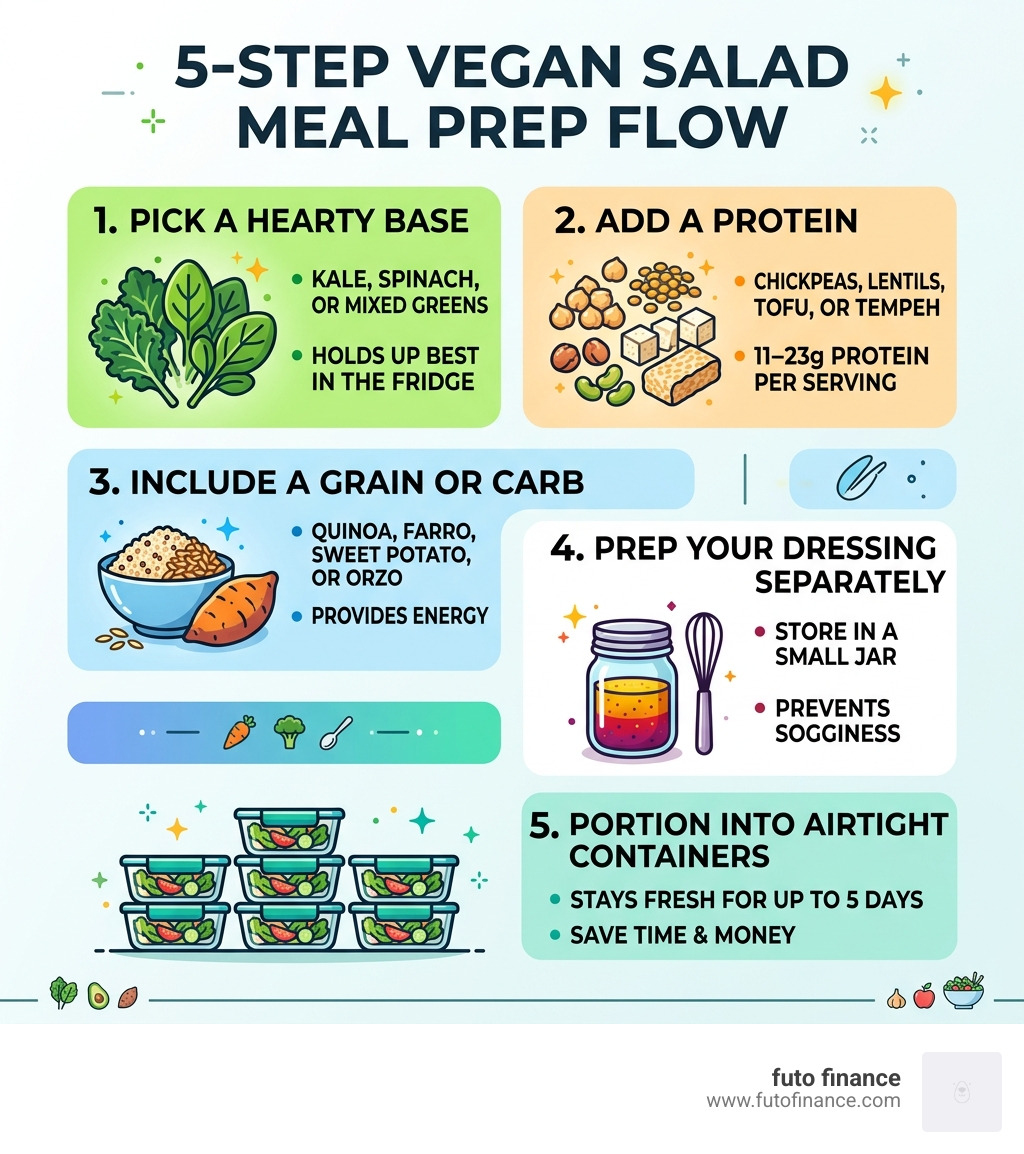
Here’s a quick overview of how to get started:
- Pick a hearty base – kale, spinach, or mixed greens hold up best in the fridge
- Add a protein – chickpeas, lentils, tofu, or tempeh (11-23g protein per serving)
- Include a grain or carb – quinoa, farro, sweet potato, or orzo
- Prep your dressing separately – store in a small jar to prevent sogginess
- Portion into airtight containers – stays fresh for up to 5 days
A full week of lunches can be prepped in as little as 25 minutes. And unlike buying a salad from a fast-casual restaurant (which can cost up to $18 per meal), a homemade version costs a fraction of that.
The catch most students run into? Salads that turn soggy by day two, or meals that just don’t keep you full. The good news is both problems are easy to fix with the right ingredients and a simple system.
This guide walks you through everything – from building a filling base to keeping your greens crisp all week.
At Futo Finance, we know that the “starving student” trope is all too real, but your health shouldn’t pay the price. Incorporating vegan salad meal prep into your routine is a game-changer for several reasons. First, the cost-efficiency is unbeatable. While a trendy salad bowl at a shop might set you back $15 to $18, you can often prep five days’ worth of similar meals for the same price.
Time is your most valuable resource during finals week. By spending about 25 to 45 minutes on a Sunday, you reclaim at least 30 minutes every day that would have been spent deciding what to eat, standing in line, or cooking from scratch. Furthermore, these salads are fiber powerhouses. Most of our recipes provide between 5 and 18 grams of fiber per serving, which is essential for maintaining energy and weight control. When you eat high-fiber meals, you avoid the dreaded “carb coma” after lunch, keeping your brain sharp for those long afternoon lectures.
Building a Filling Base: Proteins and Grains
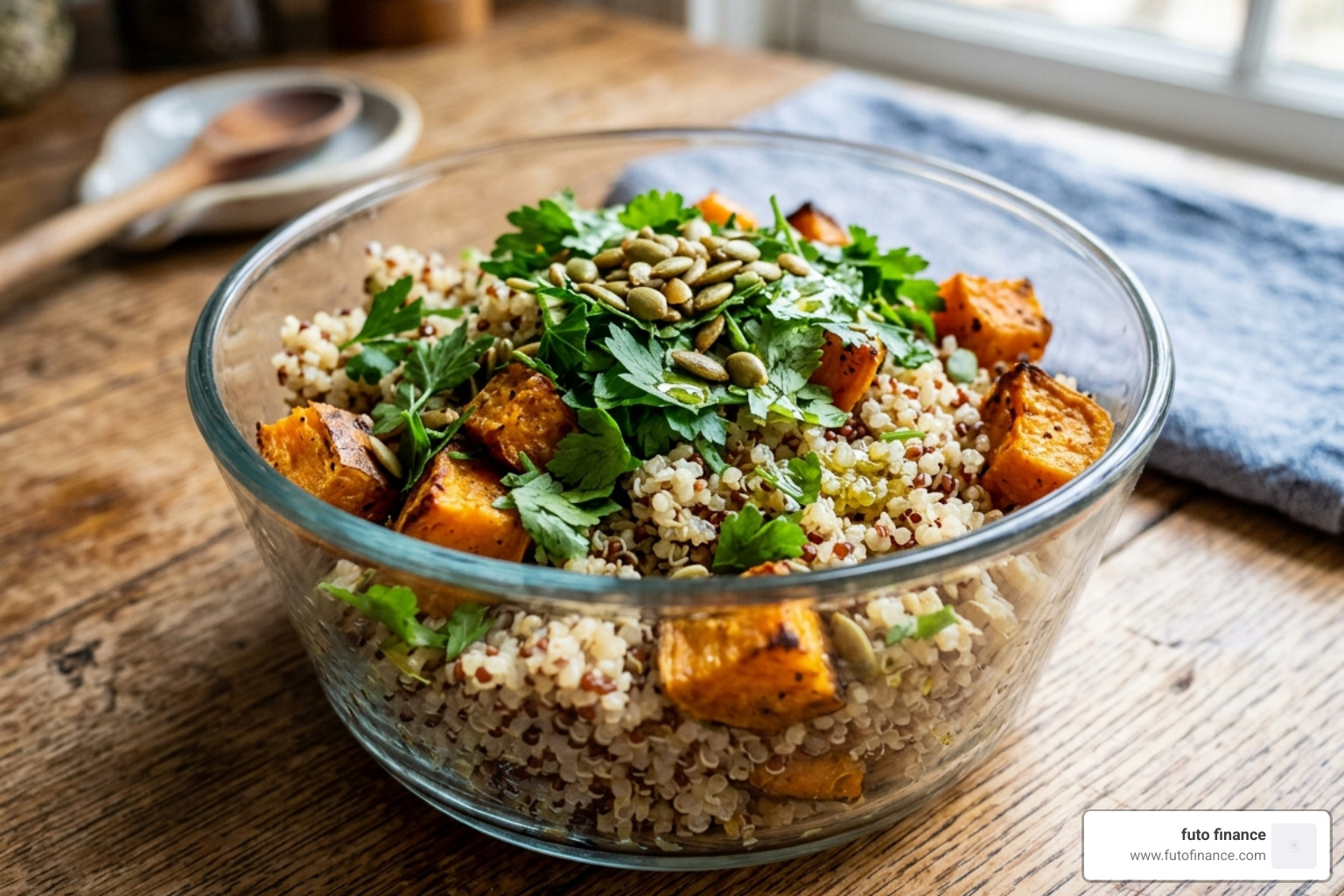
One of the most common complaints about salads is that they leave you hungry an hour later. If you’re just eating a bowl of lettuce, that’s not a meal—it’s a garnish! To make vegan salad meal prep actually work for a busy student schedule, you need satiety. This comes from a combination of plant-based proteins and complex carbohydrates.
Complex carbohydrates like grains and starchy vegetables provide a steady release of glucose into your bloodstream. Unlike simple sugars, these don’t cause a crash. When paired with high-quality plant proteins, you create a nutrient-dense meal that keeps you full until dinner.
High-Protein Plant-Based Sources for vegan salad meal prep
Getting enough protein on a vegan diet is much easier than people think. In fact, a single serving of a well-planned meal prep salad can provide 11 to 23 grams of protein. Here are our favorite student-friendly sources:
- Lentils: These are a meal prep superstar, offering about 18 grams of protein per cup. They hold their shape well in the fridge and absorb dressings beautifully.
- Tofu: Extra-firm tofu is best. We recommend pressing it to remove moisture, then searing or baking it. A half-cup provides about 10-20 grams of protein.
- Tempeh: If you want a “meaty” texture, tempeh is king with a massive 31 grams of protein per cup.
- Chickpeas and Beans: Canned beans are the ultimate budget hack. Chickpeas, black beans, and kidney beans provide around 15 grams of protein per cup and require zero cooking.
- Soy Curls: These are a fantastic “chicken” substitute. Rehydrate them in broth, sear them with some BBQ sauce, and you have a high-protein topping that stays chewy and delicious.
- Edamame and Seeds: Don’t overlook the small stuff. Edamame adds 18 grams of protein per cup, while a sprinkle of hemp or pumpkin seeds adds crunch and an extra 8 grams of protein per quarter-cup.
Hearty Carbohydrates and Grains
To give your salad “legs,” you need a grain base. These grains act like little sponges for your dressing and add a satisfying chew.
- Quinoa: A complete protein that cooks in just 15 minutes. It’s light, fluffy, and gluten-free.
- Farro: This is our top pick for meal prep. It has a robust, nutty flavor and a chewy texture that never gets mushy, even after four days in the fridge.
- Sweet Potatoes: Roasting sweet potato chunks at 425ºF for 25 minutes adds a natural sweetness and creamy texture to your bowls.
- Orzo and Couscous: These pasta-based options are great for Mediterranean-style salads. If you’re gluten-free, look for chickpea-based orzo to boost the protein even further.
Pro Tips to Prevent Soggy vegan salad meal prep
The number one enemy of vegan salad meal prep is moisture. Nobody wants to open their container on Wednesday to find a wilted, slimy mess. The secret lies in the type of greens you choose and how you pack them.
| Green Type | Fridge Life (Prepped) | Best Use Case |
|---|---|---|
| Kale | 5 Days | The “Gold Standard” for prep; actually gets better as it marinates. |
| Cabbage | 5 Days | Excellent for slaws and Asian-inspired crunchy salads. |
| Arugula | 2-3 Days | Best kept in a separate bag or on the very top of the container. |
| Spinach | 2-3 Days | Good for “warm” salads, but wilts quickly if moisture is present. |
| Romaine | 3 Days | Keep very dry; store dressing far away. |
Hearty greens like kale are a student’s best friend. Because kale is so fibrous, it can stand up to being dressed a bit in advance, or at least sitting next to damp vegetables without turning into mush. Pro tip: “Massage” your kale with a tiny bit of olive oil and salt before packing. This breaks down the tough fibers, making it easier to digest and more vibrant in color.
To control moisture, we always recommend placing a folded paper towel at the bottom or top of your container. This acts as a dehumidifier, soaking up excess water from washed veggies.
Essential Steps for Your vegan salad meal prep Routine
Follow this workflow to ensure your lunches stay fresh from Monday to Friday:
- Batch Cook Once: Cook your grains (quinoa, farro) and proteins (tofu, roasted chickpeas) all at once.
- Cool Completely: Never put warm grains or roasted veggies directly onto fresh greens. The steam will wilt the lettuce instantly. Spread them on a baking sheet to cool to room temperature first.
- Airtight Containers: Invest in a set of glass or high-quality BPA-free plastic containers. Glass keeps food colder and fresher for longer.
- Dressing Separation: This is the golden rule. Store your dressing in a separate small jar or a “dressing pot” inside your container. Only mix it in right before you eat.
- Layering Techniques: If you aren’t using separate containers, use the “Mason Jar” method. Put the dressing at the very bottom, followed by hearty veggies (carrots, chickpeas), then grains, and finally the greens at the very top, far away from the liquid.
Creative Ways to Repurpose Your Salad Components
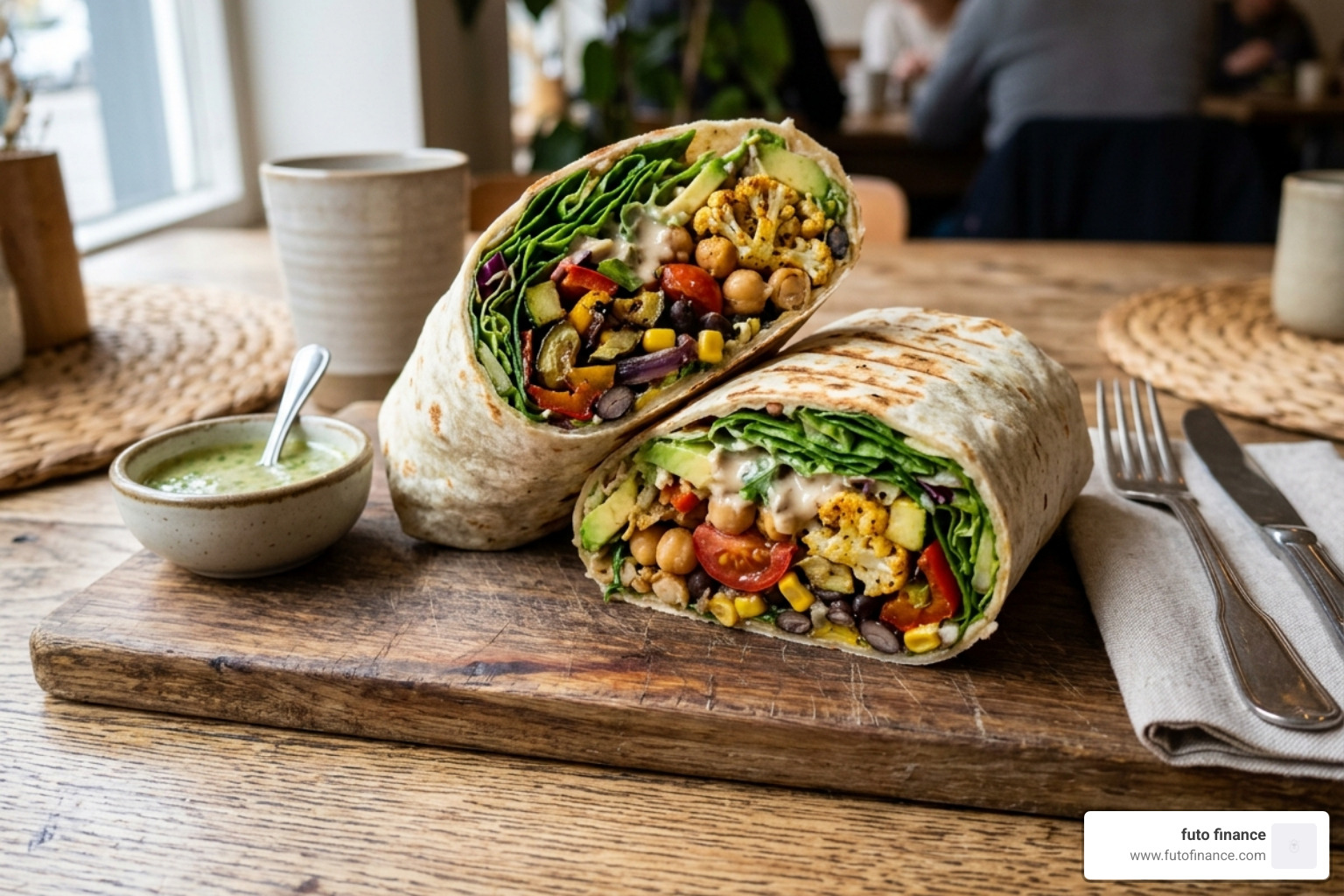
Eating the exact same salad five days in a row can lead to “meal prep burnout.” One of the best things about vegan salad meal prep is the versatility of the components. You aren’t just making a salad; you’re prepping building blocks for multiple meals.
- The Vegan Wrap: Take your salad mix, add a smear of hummus or avocado to a large tortilla, and roll it up. It’s a completely different eating experience with the same ingredients.
- Grain Bowls: If you’re tired of greens, double up on the quinoa or farro and serve the roasted veggies and protein warm over the grains.
- Pasta Salads: Toss your prepped veggies and chickpeas with some cold rotini or penne for a hearty “deli-style” lunch.
- Burrito Bowls: Use black beans, corn, and BBQ soy curls. Serve over rice instead of greens for a filling dinner.
- Soba Noodle Twist: Mix your crunchy veggies (cabbage, carrots, edamame) with buck-wheat soba noodles and a peanut ginger dressing for an Asian-inspired refresh.
Frequently Asked Questions about Vegan Salad Meal Prep
How long do prepped vegan salads last in the fridge?
Generally, a well-prepped vegan salad will last between 3 to 5 days. Salads using hearty bases like kale, farro, or cabbage are safe for the full 5-day work week. If you are using softer greens like spring mix or spinach, aim to eat those within the first 2 or 3 days. Always keep your containers airtight and ensure your fridge is set to the correct temperature (below 40°F/4°C).
How do I keep my salad dressing fresh for the week?
Homemade dressings are much cheaper and healthier than store-bought ones. A simple balsamic vinaigrette (olive oil, balsamic, mustard, maple syrup) can last in the fridge for up to one month. Creamier dressings made with tahini or vegan mayo usually stay fresh for about 5 to 7 days. We recommend making a double batch of dressing on Sunday and storing it in a small glass jar.
Can I use frozen vegetables for meal prep salads?
Yes, but with a caveat: don’t put them in raw. Frozen vegetables like broccoli, corn, or peas have a high water content. If you just thaw them, they can make your salad soggy. Instead, roast them directly from frozen at a high heat (400°F) or quickly sauté them. This removes the excess moisture and adds a nice charred flavor that tastes great even when cold.
Conclusion
Mastering vegan salad meal prep is the ultimate “life hack” for university students. It allows you to fuel your body with high-protein, high-fiber plants without draining your bank account or wasting your study time. By focusing on hearty grains, diverse protein sources like tofu and lentils, and keeping your dressings separate, you can enjoy restaurant-quality lunches at your desk or between classes.
At Futo Finance, we are dedicated to helping students navigate the plant-based lifestyle affordably. You don’t need an $18 salad to be healthy—you just need a little bit of prep and the right strategy.
Ready to level up your kitchen game? Check out more vegan meal prep tips and recipes on our main site to keep your meals exciting and your budget on track!

Melo Rodrigues is the founder of Futo Finance and a specialist in student-budget veganism. Having mastered the art of plant-based cooking in a university setting, Melo is dedicated to helping students achieve nutritional excellence without financial strain. Through Futo Finance, Melo shares lab-tested strategies for eating smart and living sustainably on a budget.
