
The Ultimate Guide to Easy Vegan Recipes for Beginners
The Easiest Recipes for Vegan Beginners (Quick Answer)
Recipes for vegan beginners don’t have to be complicated, expensive, or time-consuming. Here are the best starting points:
| Meal | Recipe | Time |
|---|---|---|
| Breakfast | Peanut butter overnight oats | 5 min |
| Lunch | Chickpea salad wrap | 10 min |
| Dinner | Black bean tacos | 20 min |
| Snack | Hummus with veggies | 2 min |
| Dessert | 2-ingredient banana ice cream | 5 min |
The key rule: Stick to 10 ingredients or fewer. Most beginner vegan meals can be ready in 30 minutes or less, using everyday grocery store staples.
So you want to eat more plants — but you’re a busy student with a tight budget and zero time to spend hours in the kitchen. Totally valid.
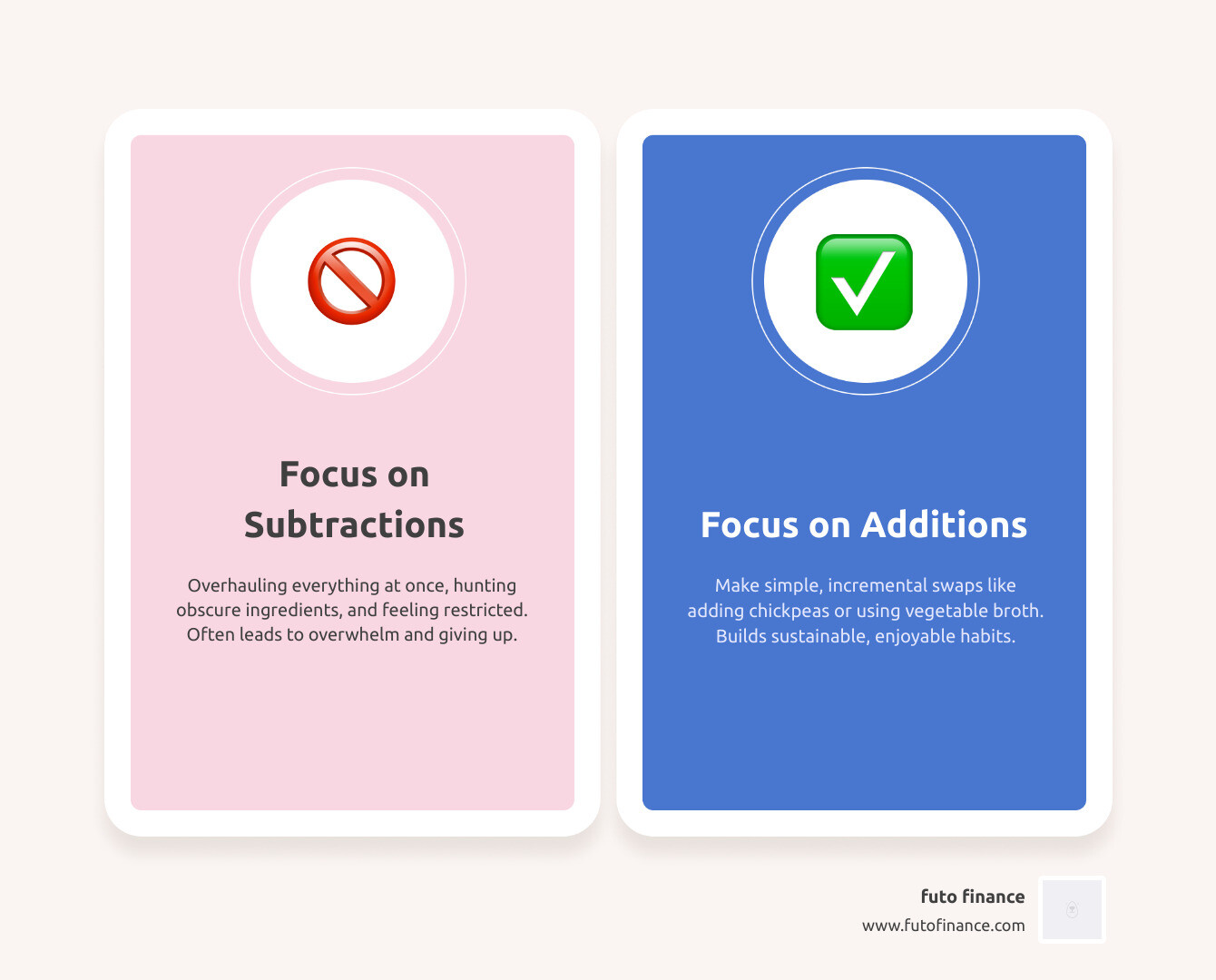
Here’s the truth: most people make going vegan way harder than it needs to be. They try to overhaul everything at once, hunt down obscure ingredients, and follow recipes with 25 steps. Then they give up and order takeout.
It doesn’t have to go that way.
The simplest shift in thinking? Stop focusing on what you’re removing from your plate. Start focusing on what you’re adding. A handful of chickpeas here. A spoonful of peanut butter there. Swap chicken broth for vegetable broth. These small changes add up fast — without the overwhelm.
In April 2026, plant-based eating is more accessible than ever. Affordable ingredients like lentils, canned beans, tofu, and oats are available at any grocery store. And with the right recipes, you can eat well on a student budget.
This guide covers everything you need: pantry basics, protein tips, and quick recipes from breakfast to dinner.
Why Transitioning to Plant-Based Eating is Easier Than You Think
Many of us grew up with the “meat, starch, and sad vegetable” plate structure. When you take the meat away, the plate looks empty. But we’re here to tell you that the “Secular Vegan” philosophy—which focuses on flexible, incremental changes—is much more sustainable for university life.
You don’t need to be “perfect” to make an impact. Starting with Meatless Mondays or simply choosing recipes for vegan beginners for your weekday lunches can significantly lower your grocery bill and your environmental footprint. In fact, many of the most delicious vegan meals are ready in 30 minutes or less, making them perfect for those late-night study sessions or quick gaps between lectures.
One of the best ways to simplify your cooking is to adopt the “Vegan Bowl” formula. Instead of worrying about making a “main” and “sides,” you just combine a grain, a protein, and some veggies.
| Traditional 3-Part Dinner | The “Vegan Bowl” Formula |
|---|---|
| Meat (Center of plate) | Grain Base (Rice, Quinoa, Couscous) |
| Starch (Potato/Pasta) | Plant Protein (Beans, Tofu, Lentils) |
| Vegetable (Side dish) | Veggie Mix (Fresh, Roasted, or Frozen) |
| Gravy/Butter | Flavorful Sauce (Tahini, Salsa, Soy) |
By focusing on whole foods and budget-friendly staples like seasonal produce, you’ll find that your meals are naturally high in fiber and protein, keeping you full for longer than a standard processed meal would.
Essential Pantry Staples and Substitutions for Recipes for Vegan Beginners

Walking into the “health food” aisle can be intimidating, but most of what you need is actually in the regular aisles. To succeed with recipes for vegan beginners, we recommend keeping a few heavy hitters in your cupboard at all times.
- Nutritional Yeast: This is “vegan gold.” It’s a deactivated yeast that tastes nutty and cheesy. Sprinkle it on pasta, popcorn, or into sauces for an instant umami boost.
- Plant Milks: Soy and almond milk are great for baking, while oat milk is the creamy king of coffee.
- The “Flax Egg”: Mix one tablespoon of ground flaxseed with three tablespoons of water. Let it sit for 5 minutes, and it becomes a binder for cookies and muffins.
- Cashew Cream: Soak raw cashews and blend them with water to create a rich replacement for heavy cream.
- Coconut Milk: Use the full-fat canned version for curries and creamy soups.
A common concern for beginners is soy. However, scientific research on soy consumption safety shows that it is a healthy, protein-rich addition to most diets.
For more advanced flavors, look for Kala Namak (black salt), which has a sulfurous taste that makes tofu taste exactly like eggs. Aquafaba (the liquid from a can of chickpeas) can be whipped like egg whites, and tapioca starch is the secret to making vegan cheese stretchy.
Quick and Affordable Meal Ideas: Breakfast to Dinner
As a student, your two biggest enemies are time and money. We focus on recipes with a 10-ingredient limit that use simple grocery store staples. Batch cooking is your best friend here—spend 45 minutes on Sunday cooking a big pot of grains or beans, and you’ve saved hours during the week.

High-Protein Breakfast Recipes for Vegan Beginners
Breakfast is the easiest meal to “veganize.”
- Overnight Oats: Mix oats, plant milk, and chia seeds in a jar. In the morning, top with peanut butter and fruit. It’s the ultimate “grab-and-go” meal.
- Tofu Scramble: Crumble firm tofu into a pan with turmeric (for color), nutritional yeast, and salt. It’s ready in 5 minutes and packed with protein.
- Peanut Butter Banana Quesadillas: Spread peanut butter on a tortilla, add sliced bananas, fold, and lightly toast in a pan.
For more info about vegan nutrition, starting your day with fiber and protein prevents that mid-morning energy crash.
Simple Lunch and Dinner Recipes for Vegan Beginners
- Chickpea Salad Wraps: Mash chickpeas with vegan mayo (or avocado), mustard, and diced pickles. It’s like a tuna salad but cheaper and better for the planet.
- 20-Minute Lemon Pasta: Toss spaghetti with olive oil, garlic, lemon juice, and a handful of spinach.
- Red Lentil Curry: Red lentils cook in about 15 minutes and turn into a creamy, comforting stew with just a bit of curry powder and coconut milk.
- Black Bean Tacos: Season canned black beans with cumin and chili powder. Serve in charred tortillas with salsa and avocado.
Mastering Plant-Based Proteins: Tofu, Lentils, and Beans
If you think you don’t like tofu, you probably just haven’t cooked it right yet. Tofu is a sponge; it tastes like whatever you season it with. The secret? Pressing it. Wrap your tofu block in a clean towel and put something heavy on top for 15 minutes to squeeze out the water. This allows it to get crispy when you fry or bake it.
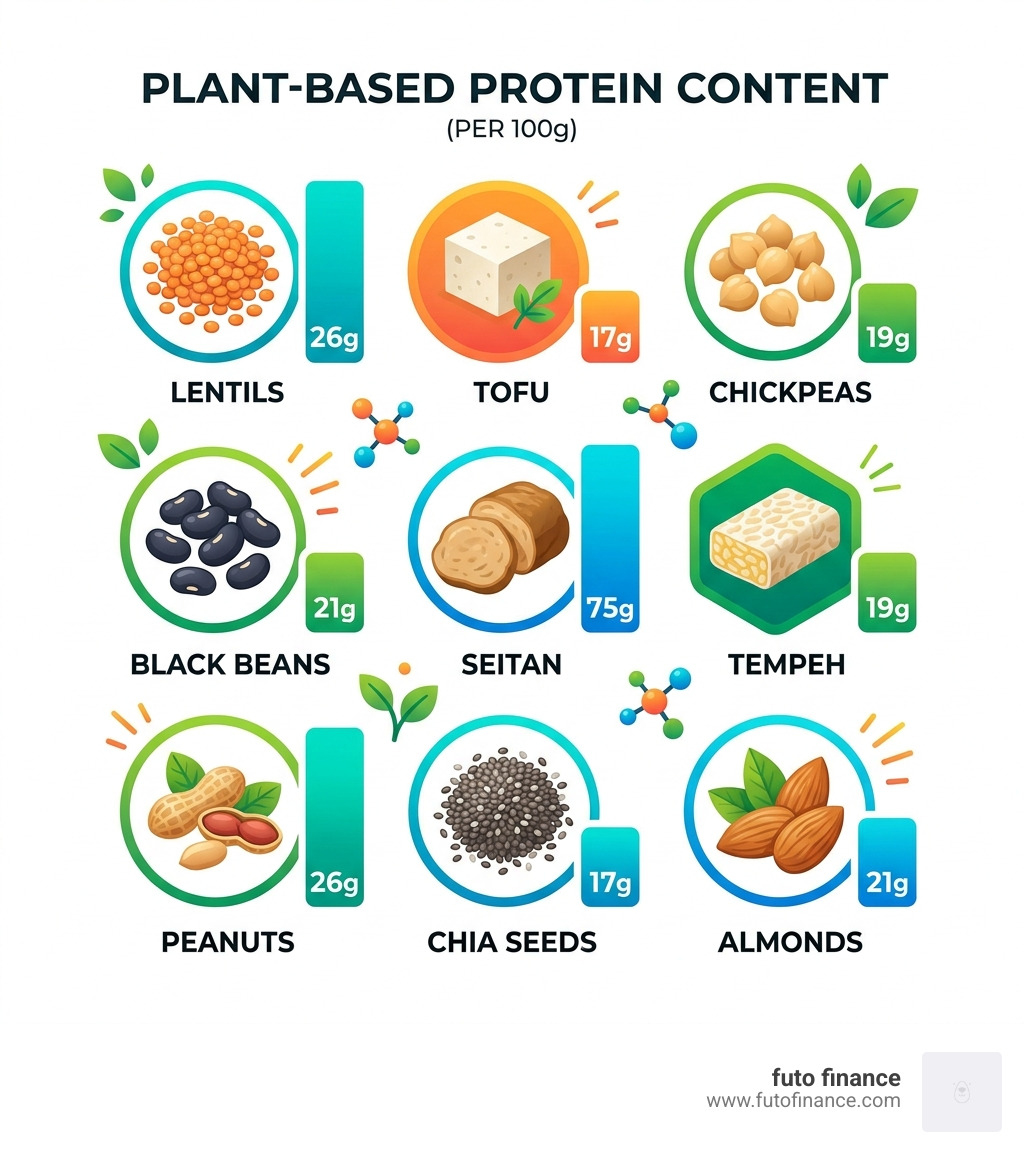
Lentils and beans are the unsung heroes of the student budget. They are incredibly shelf-stable and versatile. Scientific research on plant protein and health suggests that replacing animal proteins with legumes can improve heart health and longevity.
- Tempeh: This fermented soy product has a nutty flavor. Marinate it in soy sauce and sriracha before pan-frying.
- Seitan: Made from wheat gluten, this has a very “meaty” texture and is excellent in stir-fries.
- Canned Beans: Keep black beans, chickpeas, and kidney beans on hand. They are the fastest way to add protein to any bowl or salad.
Frequently Asked Questions about Recipes for Vegan Beginners
How do I make vegan food taste satisfying and “cheesy”?
The “cheesy” flavor usually comes from nutritional yeast. To make it even better, add “umami boosters” like miso paste, soy sauce, or smoked paprika. Healthy fats from cashews, tahini, or avocado also provide that rich mouthfeel that we often associate with dairy.
Is a vegan diet expensive for university students?
Actually, it’s often cheaper! While “vegan meats” can be pricey, the staples of recipes for vegan beginners—like oats, rice, beans, and lentils—are some of the cheapest items in the store.
Budget-friendly vegan swaps:
- Swap honey for maple syrup or agave.
- Swap butter for olive oil or vegan margarine.
- Buy frozen vegetables instead of fresh to reduce waste.
- Buy grains and beans in bulk bags rather than small cans.
What are the best “accidentally vegan” snacks for beginners?
You’d be surprised how many things you already eat are vegan! Hummus with carrot sticks, most dark chocolates, popcorn (without butter), fruit and nut mixes, and even many brands of spicy chips are naturally plant-based.
Conclusion
At Futo Finance, we believe that being a student shouldn’t mean sacrificing your health or your values. By focusing on affordable, student-focused vegan cuisine, you can hit your April 2026 lifestyle goals without breaking the bank.
Transitioning to plant-based eating isn’t about restriction; it’s about culinary confidence and discovering a whole new world of flavors. Whether you’re making a 5-minute microwave porridge or a big batch of lentil chili, every plant-based meal makes a difference.
Start your vegan journey with Futo Finance today and discover how easy, delicious, and affordable vegan cooking can truly be!

Melo Rodrigues is the founder of Futo Finance and a specialist in student-budget veganism. Having mastered the art of plant-based cooking in a university setting, Melo is dedicated to helping students achieve nutritional excellence without financial strain. Through Futo Finance, Melo shares lab-tested strategies for eating smart and living sustainably on a budget.
