
How to Eat Vegan Without Going Broke
You Don’t Have to Choose Between Eating Well and Saving Money
Vegan recipes cheap and easy are exactly what they sound like — plant-based meals that cost less and take less time than most people expect.
Here’s a quick look at some of the best options:
| Recipe | Est. Cost Per Serving | Time to Make |
|---|---|---|
| Vegan Split Pea Soup | $0.63 | ~1 hour |
| 5-Ingredient Vegan Chili | ~$1.00 | 30 minutes |
| Chickpea Rice (One-Pot) | ~$1.00 | 28 minutes |
| Chickpea Stir-Fry | ~$3.00 | 15 minutes |
| Easy Vegan Chickpea Curry | ~$1.50 | 30 minutes |
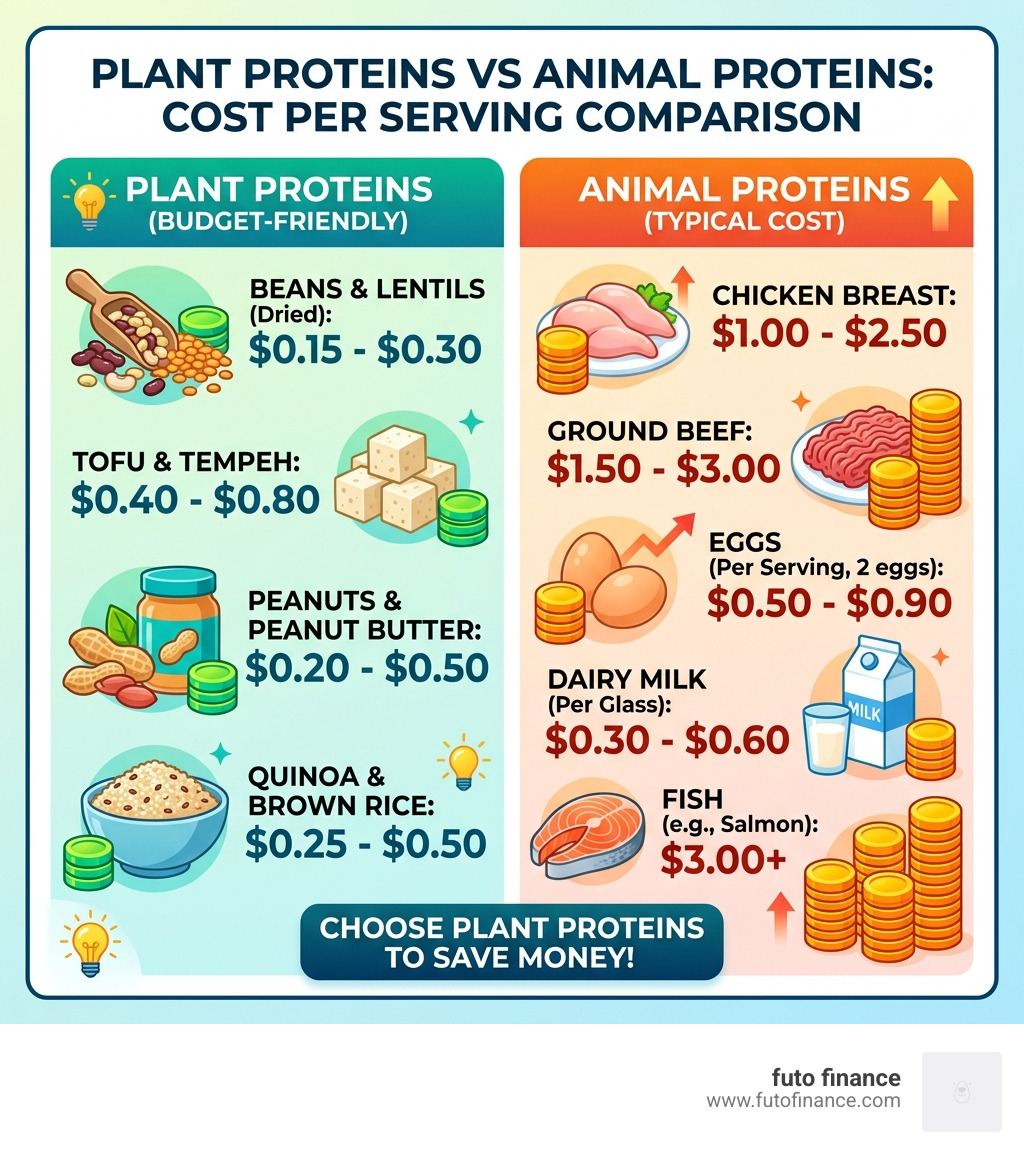
The secret? Plant proteins like beans, lentils, and tofu cost far less than meat or dairy — and they cook fast.
A full family meal can come in around $20. A single serving of split pea soup can cost as little as $0.63. These aren’t corner-cutting meals either. They’re filling, nutritious, and genuinely good.
For students juggling lectures, deadlines, and a tight budget, this is a big deal. You don’t need fancy equipment, a chef’s skill set, or an hour to spare. Many of these meals come together in 15 to 30 minutes, using ingredients you probably already have in your pantry.
This article covers the best cheap and easy vegan recipes, essential pantry staples, and simple meal prep strategies — so you can eat well without stressing your wallet.
Why Vegan Recipes Cheap and Easy are the Ultimate Student Hack
As we navigate the academic year in 2026, the cost of living remains a primary concern for university students. However, adopting a plant-based diet isn’t just a trend; it’s a strategic financial move. When you focus on vegan recipes cheap and easy, you are essentially hacking your budget.
The most significant grocery savings come from replacing expensive animal proteins with plant proteins. Foods like beans, lentils, peanuts, and tofu are often far less expensive than even the cheapest cuts of meat. In fact, plant-based staples like rice and legumes are among the most affordable items in any grocery store. By centering your diet on these, you can realistically feed a family of four for around $20, or yourself for a fraction of that.
Beyond the wallet, there are massive time efficiencies. Many of our favorite recipes are designed to be on the table in 30 minutes or less, with some “lazy” options taking only 15 minutes. This is perfect for those nights when you’re tempted by expensive takeout but only have $5 and a microwave.
There are also significant health benefits to consider. According to Scientific research on the health benefits of a vegan diet, plant-based eating can reduce the risk of chronic diseases and help maintain a healthy weight. For a student, this means more energy for late-night study sessions and fewer days lost to feeling sluggish.
Finally, let’s talk about the environmental impact. Choosing plant-based meals reduces your carbon footprint and water usage. It’s a way to live sustainably while keeping your bank account in the black. Most of these recipes require minimal equipment—often just one pot or a single sheet pan—which means less time spent washing up in a shared kitchen.
Top 10 Vegan Recipes Cheap and Easy for Under $5
Preparing delicious food shouldn’t require a loan. We’ve curated a list of recipes that prove plant-based eating is the gold standard for budget-conscious students.
- Easy Vegan Chickpea Curry: This is a powerhouse of flavor that uses pantry staples and takes only 30 minutes on the stove. By using canned chickpeas and coconut milk, you create a creamy, satisfying meal in one pan.
- Vegan Split Pea Soup: At an incredible $0.63 per serving, this is the champion of affordability. It’s restorative, filling, and thickens up naturally as the peas break down.
- 5-Ingredient Vegan Chili: By using jarred salsa as a flavor base, you eliminate the need for expensive fresh aromatics and multiple spice jars. It’s ready in 20 minutes with minimal chopping.
- Chickpea Rice (One-Pot): A simple, hearty meal that combines grains and legumes. It’s a “set it and forget it” style meal that takes about 28 minutes.
- Tofu Scramble: A classic breakfast-for-dinner option. Extra-firm tofu, crumbled and seasoned with turmeric and nutritional yeast, provides a high-protein meal for pennies.
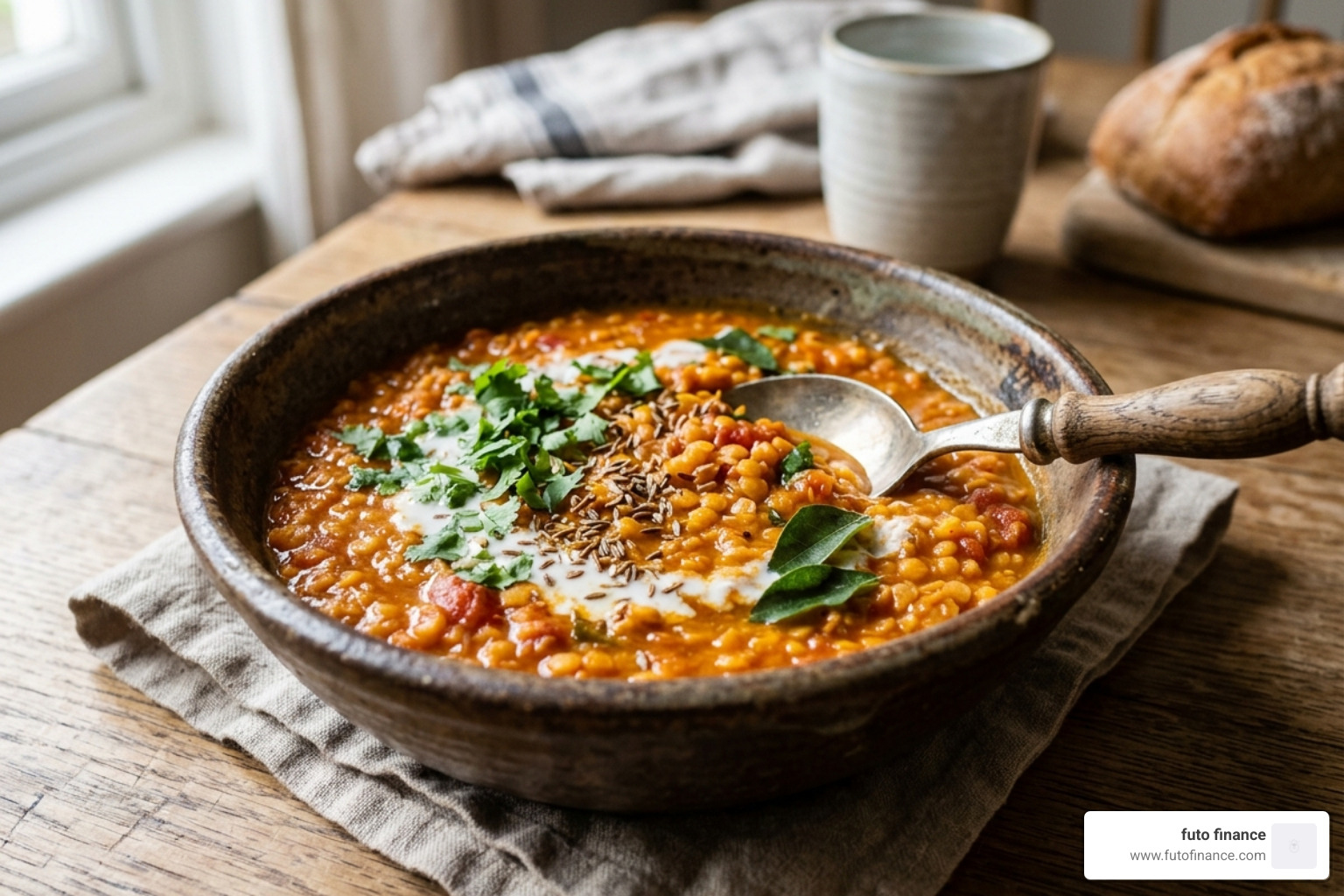
- Red Lentil Dahl: Lentils are among the fastest-cooking dried legumes. A simple dahl with garlic, ginger, and cumin is both comforting and dirt cheap.
- Black Bean Tacos: Use canned black beans, a little taco seasoning, and whatever veggies are in the fridge. Corn tortillas are traditionally very inexpensive.
- Vegan Spaghetti alla Carbonara: Using silken tofu or a simple flour-based sauce, you can create a creamy pasta without expensive dairy.
- Buffalo Chickpea Quesadillas: A fun, spicy way to use canned chickpeas. Just mash them with buffalo sauce and fold them into a tortilla with some vegan cheese or a simple bean spread.
- Creamy Lemon Pasta: Pasta is the ultimate budget staple. A simple sauce of lemon juice, pasta water, and a bit of garlic makes for an elegant 15-minute meal.
Quick 15-Minute Vegan Recipes Cheap and Easy
When the deadline is in an hour and you haven’t eaten, you need speed.
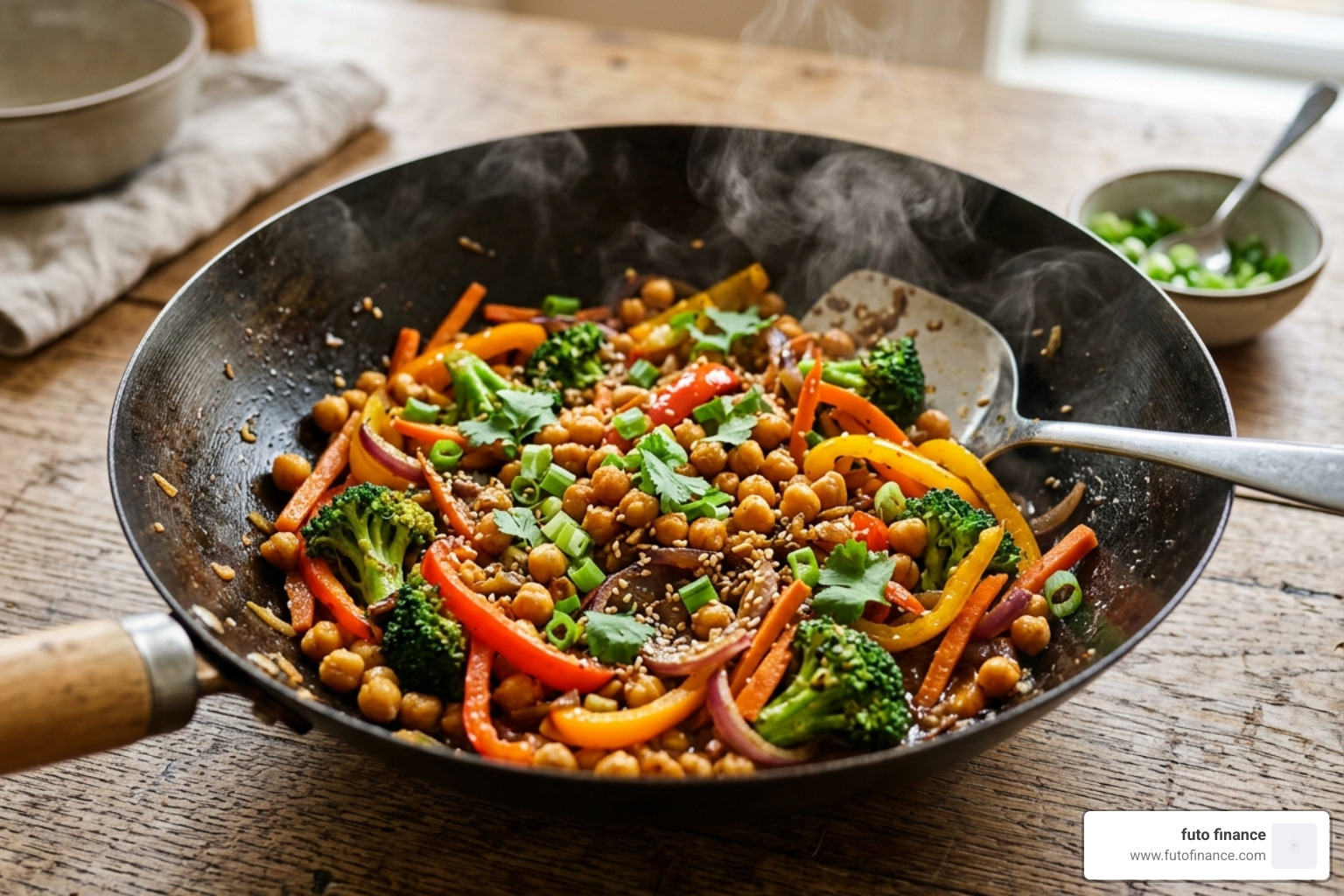
- Chickpea Stir-Fry: This takes exactly 15 minutes. Use a bag of frozen stir-fry veggies and a can of chickpeas. Toss with soy sauce and ginger, and you’re done.
- 20-Minute Taco Salad: Use canned beans, crushed tortilla chips, and whatever greens you have. It’s fresh, crunchy, and requires zero actual cooking if you use canned beans cold.
- Vegan Mi Goreng: A student classic. Use instant noodles (check the label for vegan-friendliness), toss the flavor packet, and use soy sauce, sriracha, and a handful of frozen peas.
- Pesto Pasta: You can make a quick “pesto” by blending spinach, sunflower seeds (cheaper than pine nuts), garlic, and oil. It’s a 10-minute gourmet meal.
For more inspiration on lightning-fast meals, check out more info about quick vegan meals.
One-Pot and 5-Ingredient Vegan Recipes Cheap and Easy
One-pot cooking is the holy grail of student life. Less cleaning means more time for everything else.
- Chickpea Rice: Everything goes into one pot—the rice, the chickpeas, the broth, and the spices. It absorbs all the liquid and leaves you with a fluffy, seasoned meal.
- Red Pepper Pasta: You can blend jarred roasted red peppers with some plant milk to create a rich sauce that tastes like it took hours to simmer.
- Sheet Pan Fajitas: Toss sliced bell peppers, onions, and strips of firm tofu in oil and spices. Bake for 20 minutes. No standing over a stove required!
- 5-Ingredient Chili: Stick to the basics: beans, tomatoes, salsa, chili powder, and a bell pepper.
Batch cooking these recipes is a game changer. If you make a massive pot of chili on Sunday, you have lunch sorted for the next four days. This reduces the “decision fatigue” that often leads to spending money on snacks.
Essential Pantry Staples for Budget Plant-Based Cooking
To keep your vegan recipes cheap and easy, you need a solid foundation. If your pantry is stocked, you’re always only 15 minutes away from a meal.
- Grains: Brown rice, quinoa (buy in bulk!), and oats are essential. Oats aren’t just for breakfast; you can use them to bind homemade veggie burgers.
- Legumes: Keep both dried and canned versions. Dried lentils and split peas are the cheapest, while canned chickpeas and black beans are the most convenient.
- Tofu: Extra-firm tofu is incredibly versatile. It’s a dense protein source that lasts a long time in the fridge.
- Frozen Vegetables: Broccoli, spinach, and peas are often more nutritious than “fresh” veggies that have sat on a truck for a week. They are also pre-chopped, saving you time.
- Flavor Boosters:
- Nutritional Yeast: Gives a cheesy flavor and a B12 boost.
- Smoked Paprika: The secret to making things taste “meaty” or smoky without the ham.
- Soy Sauce & Sriracha: For instant depth and heat.
- Jarred Salsa: As we’ve seen, this is a “cheat code” for seasoning soups and chilis.
- Peanut Butter: Great for satay sauces or adding creaminess to African-inspired stews.
Smart Meal Prep and Storage Strategies
Meal prepping is the difference between eating a healthy $1 meal and a $12 soggy sandwich from the campus cafe.
- The Sunday Reset: Spend two hours on Sunday cooking two large meals. We recommend a soup or stew and a grain-based salad.
- Freezer is Your Friend: Most of our vegan recipes cheap and easy freeze beautifully. Split pea soup and chili can stay in the freezer for up to three months. Portion them into individual airtight containers so you can grab-and-go.
- Microwave Hacks: Use the microwave to “steam” frozen veggies or quickly warm up pre-cooked rice. If you’re reheating rice, add an ice cube to the bowl—it creates steam and prevents the rice from drying out.
- Portioning: Don’t just throw everything in one big tub. Use smaller containers to avoid “over-eating” your prep for the week.
- Reduce Food Waste: If your spinach is looking wilted, blend it into a pesto or throw it into a curry. If your bananas are brown, make 3-ingredient pancakes.
For more detailed guides on surviving the semester on a budget, see more info about student meal planning.
Frequently Asked Questions about Budget Veganism
How much can I realistically save on groceries by going vegan?
The savings can be substantial. While “vegan meat” substitutes can be pricey, a whole-food plant-based diet is significantly cheaper. For example, a pound of dried lentils costs about $1.50 and provides about 10 servings of protein. Compare that to a pound of beef, which might cost $6.00 and serve four. By focusing on $0.63 per serving soups and $1.00 chilis, a student can easily save $30–$50 a week compared to a standard diet. Bulk buying grains and beans from the “international” aisle of the supermarket can drive these costs even lower.
Do I need to worry about “complete proteins” with beans and rice?
This is a common myth that persists from the 1970s. You do not need to eat “complete proteins” (all nine essential amino acids) in every single bite. Your body is smart enough to store amino acids and combine them throughout the day. As long as you eat a varied diet including grains, legumes, and vegetables, you will get all the protein you need. Chickpeas and rice together are a great combination, but you don’t need to stress about the math. Just focus on fiber-rich, whole foods.
Can I make these recipes without expensive oils or spices?
Absolutely. Many of our recipes are designed to be oil-free, which is better for your health and your wallet. You can sauté vegetables in a splash of water or vegetable broth. To add flavor without a spice cabinet that costs $100, focus on a few “heavy hitters”: garlic (fresh or powdered), cumin, and smoked paprika. Acidic balance is also key—a squeeze of cheap lime juice or a splash of vinegar can brighten a “flat” tasting dish more effectively than expensive oils.
Conclusion
At Futo Finance, we believe that being a student shouldn’t mean sacrificing your health or your values. As we look toward the rest of 2026, the shift toward affordable, sustainable living is only accelerating. By mastering a few vegan recipes cheap and easy, you’re not just feeding yourself; you’re building a lifestyle that is resilient, healthy, and financially sound.
Whether you’re starting with a simple one-pot chickpea rice or diving into a batch of split pea soup, the key is to start simple. You don’t need to be a master chef to eat well. You just need a can of beans, a few spices, and the willingness to try something new.
For more tips on affordable student living and plant-based nutrition, visit more info about affordable vegan recipes. Happy cooking!

Melo Rodrigues is the founder of Futo Finance and a specialist in student-budget veganism. Having mastered the art of plant-based cooking in a university setting, Melo is dedicated to helping students achieve nutritional excellence without financial strain. Through Futo Finance, Melo shares lab-tested strategies for eating smart and living sustainably on a budget.
