
Why You Need Easy Pea Protein Vegan Supplements
Why Easy Pea Protein Vegan Supplements Are a Smart Choice in 2026
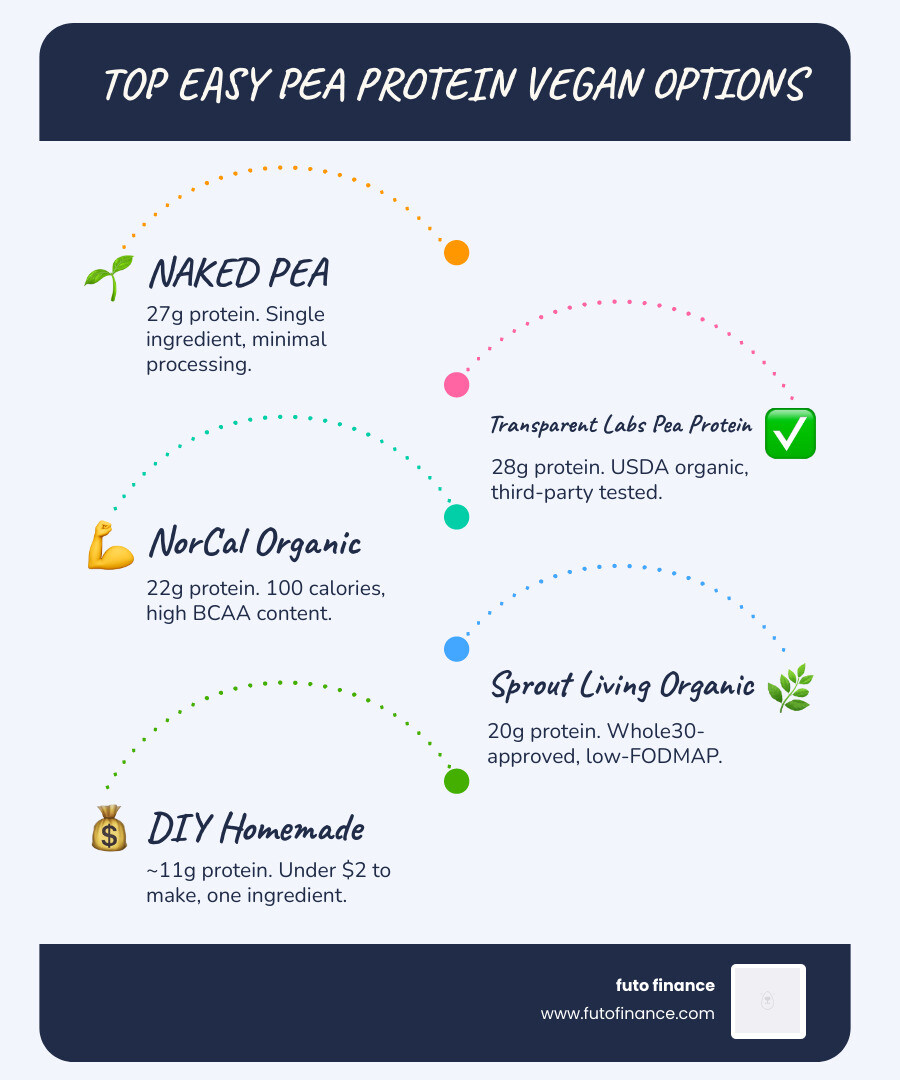
Easy pea protein vegan supplements are one of the simplest, most affordable ways to hit your daily protein goals on a plant-based diet. Here are the top options to consider right now:
Top Easy Pea Protein Vegan Options at a Glance:
| Product | Protein Per Serving | Key Feature |
|---|---|---|
| NAKED PEA | 27g | Single ingredient, minimal processing |
| Transparent Labs Pea Protein | 28g | USDA organic, third-party tested |
| NorCal Organic | 22g | 100 calories, high BCAA content |
| Sprout Living Organic | 20g | Whole30-approved, low-FODMAP |
| DIY Homemade | ~11g | Under $2 to make, one ingredient |
Whether you want a store-bought powder or a quick DIY version, pea protein is one of the most practical plant-based protein sources available.
Pea protein comes from yellow split peas. It’s naturally vegan, gluten-free, and packed with all nine essential amino acids. One serving of a quality pea protein powder typically delivers 20–28 grams of protein — comparable to whey — without the dairy, the digestive issues, or the high price tag.
For students especially, that last point matters. Homemade pea protein powder costs less than $2 to make, while commercial versions run $20–$60. Both are legitimate options depending on your budget and goals.
The best part? It’s genuinely easy to use. Blend it into a smoothie, stir it into oatmeal, or mix it into baked goods. No complicated prep needed.
Understanding Pea Protein: From Field to Powder
When we talk about an easy pea protein vegan lifestyle, it helps to understand where this magic powder actually comes from. It doesn’t just grow in a tub! Most pea protein is derived from the yellow split pea (Pisum sativum). Unlike the sweet green peas you might have pushed around your plate as a kid, yellow split peas are starchier and more protein-dense.
The journey from the field to your smoothie involves a few clever steps. First, the peas are harvested and dried. Then, they are milled into a fine flour. From here, the processing can go one of two ways:
- Mechanical/Water-Based Extraction: This is the “clean” method we prefer. It uses water and mechanical separation to isolate the protein from the starches and fiber. No harsh chemicals like hexane are involved.
- Chemical Extraction: Some lower-quality brands use chemical solvents to strip the protein away. We always recommend looking for “water-processed” or “solvent-free” on the label.
There are also two main types of powder you’ll encounter:
- Pea Protein Isolate: This is the “gold standard.” It has most of the fiber and starch removed, resulting in a product that is roughly 80-90% protein. It’s highly concentrated and easier on the stomach for most people.
- Pea Protein Concentrate: This contains a bit more of the original pea’s carbohydrates and fats. It’s slightly less protein-dense but often more affordable.
By choosing a high-quality easy pea protein vegan isolate, you’re getting a supplement that has been stripped of the “anti-nutrients” found in whole legumes, making the protein more bioavailable for your muscles.
The Amino Acid Profile of Peas
A common myth we hear at Futo Finance is that plant proteins are “incomplete.” Let’s set the record straight for 2026: pea protein is a complete protein. This means it contains all nine essential amino acids that your body cannot produce on its own.
However, it’s all about the balance. Pea protein is exceptionally high in Lysine (which is often low in rice protein) and Arginine. It also packs a punch with Branched-Chain Amino Acids (BCAAs)—Leucine, Isoleucine, and Valine—which are critical for muscle repair. In fact, some high-end options like Naked Pea provide up to 5.7 grams of BCAAs per serving.
The only “weakness” is Methionine, which is slightly lower than what you’d find in animal proteins. But don’t sweat it! If you’re eating a varied vegan diet—including grains like rice or oats throughout the day—your body will naturally combine the amino acids to create a perfect profile.
Health Benefits and Nutritional Profile for Vegans
For us vegans, protein isn’t just about “bulking up” at the campus gym; it’s about hormone production, immune function, and staying full between long lectures. One cup of cooked split peas already contains over 16 grams of protein, but the concentrated powder takes this to the next level.
The nutritional stats for a standard 30-gram serving of easy pea protein vegan powder are impressive:
- Protein: 20g to 28g
- Iron: Up to 30% of your Daily Value (DV). This is huge for vegans, as plant-based iron can be harder to come by.
- Calories: Usually between 100 and 120, making it a very “lean” protein source.
- Fat/Carbs: Minimal, especially in isolates.
Beyond the macros, pea protein is naturally hypoallergenic. Unlike whey (dairy) or soy, it’s very rare for people to have an allergy to peas. This makes it a safe bet for almost any dietary restriction.
Digestion and Gut Health
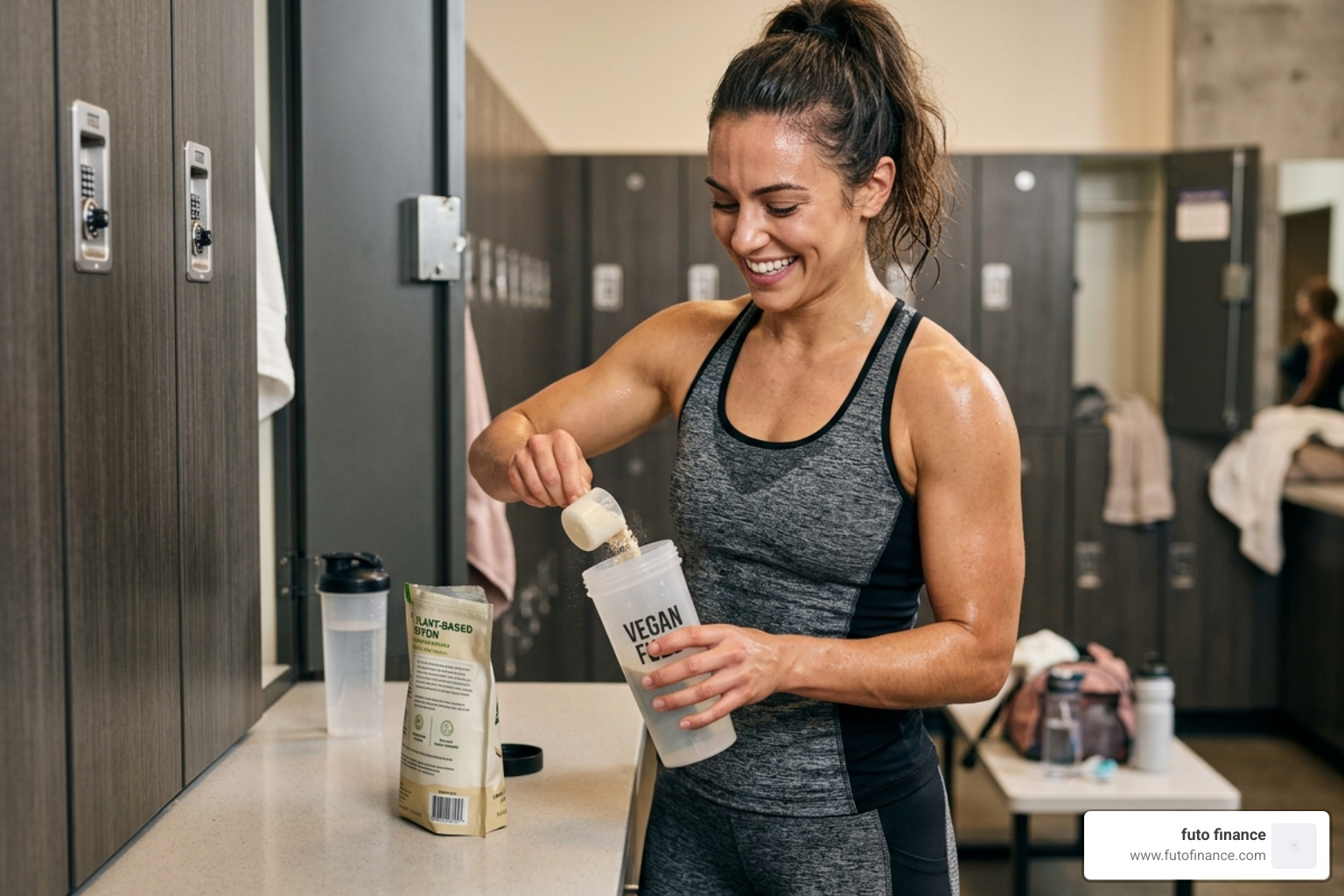
If you’ve ever had a “protein fart” situation after a whey shake, you know why digestion matters. One of the best things about easy pea protein vegan isolate is that the processing removes most of the fiber and oligosaccharides (the stuff in beans that causes gas).
Furthermore, high-quality pea proteins are often low-FODMAP. For students dealing with stress-related IBS or sensitive stomachs, this is a lifesaver. Brands like Growing Naturals and Sprout Living are specifically noted for being gentle on the gut.
We also love that pea protein is lectin-free and low in phytic acid once processed. These “anti-nutrients” can sometimes interfere with mineral absorption, but the isolation process largely eliminates them, ensuring you get the most bang for your nutritional buck.
How to Choose and Use Easy Pea Protein Vegan Options
With so many tubs on the shelf, how do you pick the right one? In 2026, we have to be savvy consumers. Here is our Futo Finance checklist for choosing an easy pea protein vegan supplement:
- Check for Third-Party Testing: This is non-negotiable. Because plants grow in soil, they can pick up heavy metals like lead or arsenic. Look for certifications from NSF, Informed Choice, or Clean Label Project. Transparent Labs is a great example of a brand that publishes its third-party results.
- Ingredient Simplicity: If the ingredient list looks like a chemistry textbook, put it back. You want “Pea Protein Isolate” at the top. Avoid artificial sweeteners like sucralose or acesulfame potassium, which can mess with your gut microbiome.
- Sodium Content: Pea protein is naturally higher in sodium due to the extraction process. If you’re watching your salt intake, compare brands to find one on the lower end (usually around 200-300mg).
Making Your Own Easy Pea Protein Vegan Powder
If you’re on a tight student budget, why buy the tub when you can make it in your dorm kitchen? Making DIY easy pea protein vegan powder is surprisingly simple and costs a fraction of the price.
The Step-by-Step DIY Method:
- Source: Buy a bag of dry yellow split peas (usually about $1.50).
- Rinse & Soak: Rinse them well and soak for 8-12 hours.
- Sprout (Optional but Recommended): Let them sit in a sprouting jar for 24-48 hours. This increases digestibility and boosts vitamins like Vitamin K.
- Dehydrate: Spread them on a tray and dry them in the oven at the lowest possible setting (around 150°F/65°C) for 9 hours until they are bone-dry and “crunchy.”
- Grind: Toss them into a high-speed blender. Blend until you have a fine powder.
- Sift: Use a fine-mesh strainer to remove any larger grit.
One cup of dry split peas yields about one cup of powder. While it won’t be quite as concentrated as a commercial isolate (it’ll have about 11g of protein per 1/4 cup), it’s a fantastic, whole-food way to boost your intake.
Best Ways to Use Easy Pea Protein Vegan Supplements
Don’t just limit yourself to shakes! The neutral, slightly nutty flavor of pea protein makes it incredibly versatile.
- The Classic Smoothie: Blend with a frozen banana, a scoop of peanut butter, and some oat milk.
- Vegan Baking: You can replace up to 25% of the flour in recipes for pancakes, muffins, or waffles with pea protein.
- The “Egg” Replacement: Surprisingly, pea protein mimics some of the binding properties of eggs. Mix 1/2 scoop with a little water to create a binder for veggie burgers.
- Savory Boost: Unflavored pea protein like Everyday Superfood Organic Pea Protein can be stirred into lentil soups or pasta sauces to thicken them up and add a massive protein hit without changing the flavor profile.

Comparing Pea Protein to Other Plant Sources
Is pea protein really the king of the vegan hill? Let’s look at how it stacks up against the competition.
| Feature | Pea Protein | Rice Protein | Hemp Protein | Soy Protein |
|---|---|---|---|---|
| Protein Density | High | High | Medium | High |
| Digestion | Easy (Isolate) | Easy | Moderate (High Fiber) | Moderate |
| Taste | Neutral/Nutty | Gritty/Chalky | Earthy/Grassy | Neutral |
| Common Allergy | Rare | Rare | Rare | Common |
| Eco-Impact | Very Low | Moderate | Low | Moderate |
As you can see, easy pea protein vegan options often come out on top because they balance high protein density with low allergen risk and a neutral taste. While hemp is great for Omega-3s, it’s often too “grassy” for a sweet morning smoothie. Rice protein is excellent but can feel like drinking liquid sand if not blended perfectly.
Pea Protein vs. Whey
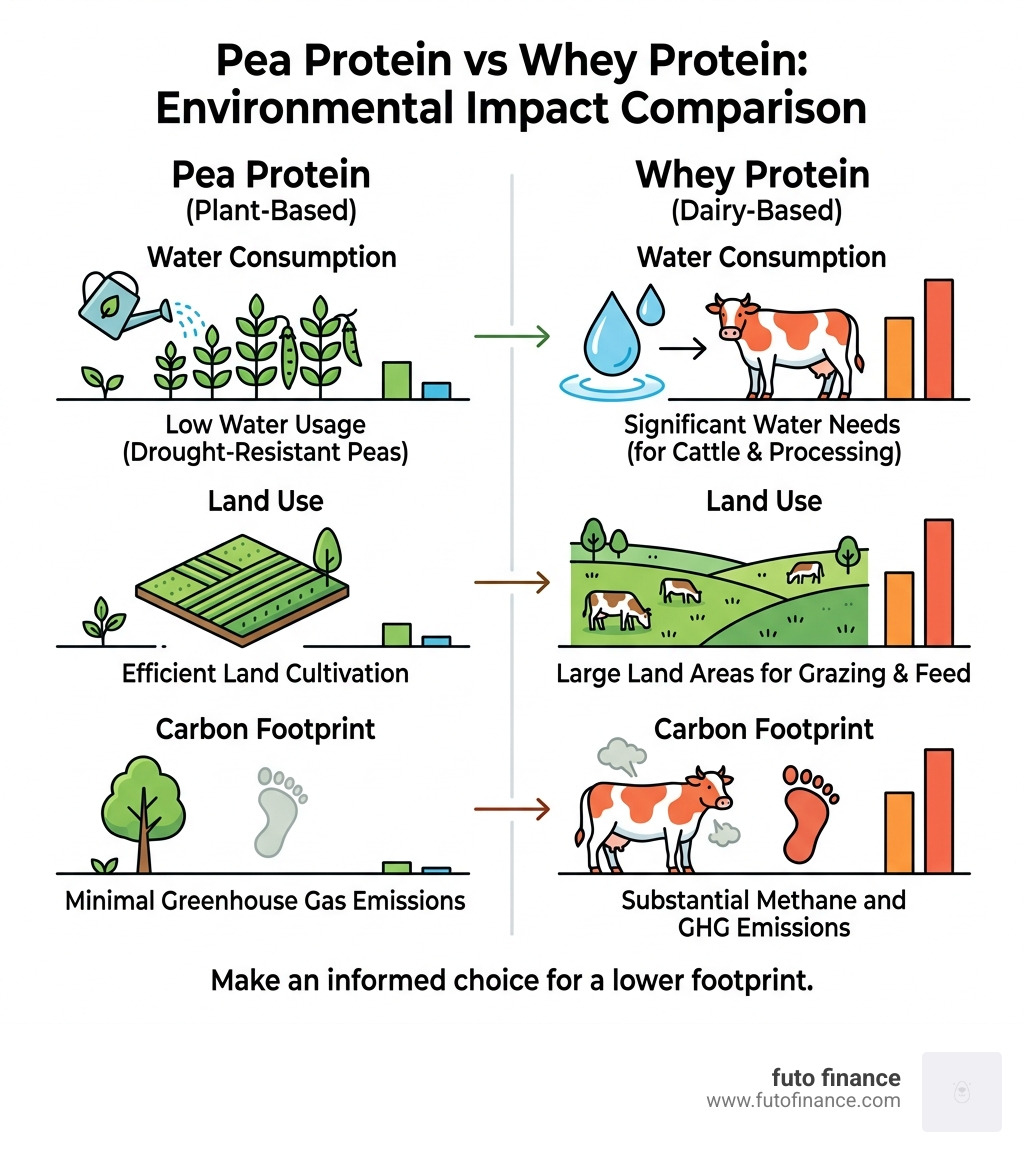
In the past, people thought whey was the only way to build muscle. But research (and the 2026 market shift) has shown that pea protein is just as effective for muscle thickness and strength gains.
The main difference is the environmental footprint. Producing pea protein uses significantly less water and land than dairy-based whey. Plus, for the 65% of the global population with some form of lactose intolerance, pea protein is the obvious “bloat-free” winner.
Frequently Asked Questions about Pea Protein
Does pea protein cause gas or bloating?
Generally, no. Because the isolation process removes the complex sugars and fibers found in whole peas, most people find it much easier to digest than a bowl of beans. If you do experience bloating, check your label for “sugar alcohols” like xylitol or erythritol—those are often the real culprits!
Is pea protein suitable for Keto and Paleo diets?
Absolutely. Pure pea protein isolate is very low in carbohydrates (usually 1-3g per serving) and is entirely grain-free. It’s a staple for many on the Paleo and Whole30 diets who need a convenient protein boost.
How should I store my pea protein powder?
Treat it like flour. Keep it in a cool, dry, dark place. Once opened, an airtight container is a must to prevent oxidation. If you’ve made the DIY version, we recommend storing it in the fridge or freezer to keep the natural oils in the peas from going rancid. Properly stored, commercial powder lasts up to two years, while DIY powder should be used within 6 months.
Conclusion
At Futo Finance, we believe that being a student shouldn’t mean sacrificing your health or your values. Embracing an easy pea protein vegan routine is one of the most effective ways to stay fueled, focused, and fit without breaking the bank. Whether you’re grabbing a tub of Vanilla Pea Protein for a quick post-class shake or sprouting your own peas in your dorm window, you’re making a choice that’s good for your body and the planet.
Ready to level up your vegan kitchen?
Click here to continue shopping

Melo Rodrigues is the founder of Futo Finance and a specialist in student-budget veganism. Having mastered the art of plant-based cooking in a university setting, Melo is dedicated to helping students achieve nutritional excellence without financial strain. Through Futo Finance, Melo shares lab-tested strategies for eating smart and living sustainably on a budget.
