
The Best Simple Vegan Bolognese Pasta Recipes Reviewed
The Best Simple Vegan Bolognese Pasta Recipes, Ranked for 2026
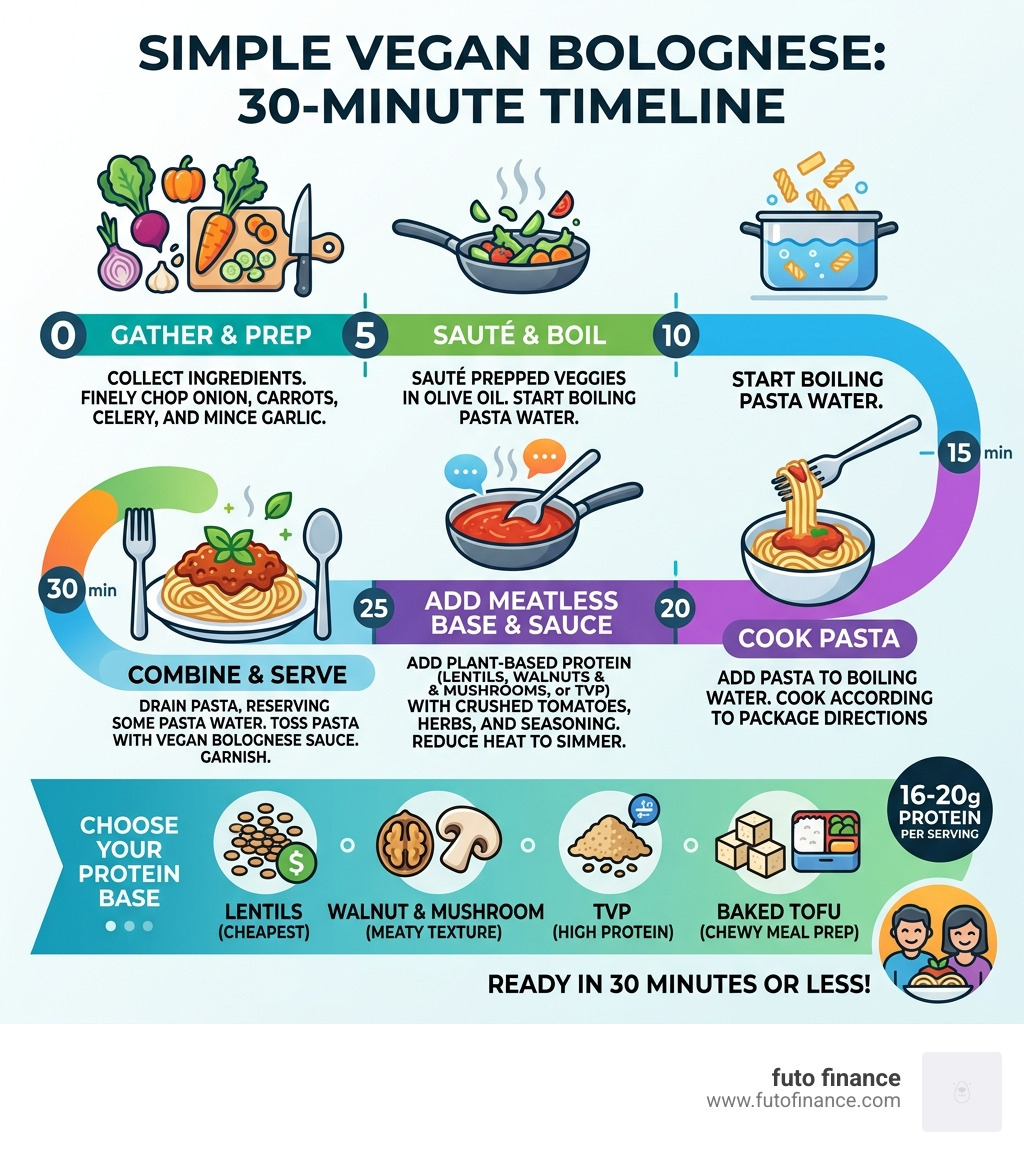
Simple vegan bolognese pasta is one of the easiest, most budget-friendly meals you can make as a student — ready in 30 minutes or less, packed with protein, and genuinely delicious.
Here are the top recipe styles, ranked for simplicity and value:
- Lentil bolognese — cheapest option, ~$1.50–$2 per serving, naturally gluten-free
- Walnut and mushroom bolognese — rich, meaty texture, ready in 30 minutes
- TVP (textured vegetable protein) bolognese — highest protein, shelf-stable, beginner-friendly
- Baked tofu bolognese — chewy, satisfying, great for meal prep
All four approaches use simple pantry ingredients. Most recipes need just 8–10 ingredients and deliver 16–20g of protein per serving.
Whether you’re cooking in a tiny dorm kitchen or just tired of expensive takeout, plant-based ragu is having a major moment in 2026. It’s warming, filling, and costs a fraction of traditional meat-based pasta. The hardest part is honestly just choosing which version to try first.
This article breaks down the best simple vegan bolognese recipes so you can pick the right one for your budget, your time, and your kitchen setup.
What Makes a Simple Vegan Bolognese Pasta?
Traditional Bolognese, or ragù alla bolognese, is a slow-cooked meat sauce from Bologna, Italy. It usually involves hours of simmering beef, pork, wine, and milk. In contrast, a simple vegan bolognese pasta swaps the animal products for clever plant-based alternatives that mimic that “meaty” texture while slashing the cooking time from three hours to under thirty minutes.
The goal isn’t necessarily to create an authentic Italian masterpiece but to make a “school night” favorite—the kind of hearty, red sauce that coats your noodles and sticks to your ribs. To achieve this, we focus on three things: texture, umami (savory flavor), and simplicity.
Essential Ingredients for Simple Vegan Bolognese Pasta
To get that deep, rich flavor without the meat, we rely on a few “flavor bombs” and pantry staples:
- The Soffritto: This is the holy trinity of Italian cooking—finely diced onion, carrot, and celery. Sautéing these together creates a “3D medley” of flavor rather than a flat, one-dimensional sauce.
- Tomato Paste: This is your secret weapon. When you caramelize it in the pan with your onions, it adds an intense, savory sweetness.
- Umami Boosters: Since we lack the natural glutamates in meat, we use soy sauce (or tamari), nutritional yeast, or even a splash of vegan Worcestershire sauce to provide that savory “kick.”
- Tomato Passata or Crushed Tomatoes: Passata gives a velvety, smooth finish, while crushed tomatoes offer a bit more rustic texture.
- Garlic and Herbs: Fresh garlic is always best, paired with dried Italian seasoning, oregano, and a bay leaf for aromatic depth.
Why Students Choose Plant-Based Ragu in 2026
As we move through 2026, the shift toward plant-based eating on campus has accelerated. It isn’t just about ethics; it’s about the “three pillars” of student life: money, health, and time.
- Cost-Effectiveness: A bag of dried lentils or a box of TVP costs pennies compared to a pound of ground beef. You can often feed four people for under $8.
- Nutritional Value: Unlike heavy meat sauces, a simple vegan bolognese pasta is packed with fiber and iron. Scientific research on the health benefits of lentils shows they are excellent for heart health and managing blood pressure—plus, they provide slow-digesting carbs to keep you focused during late-night study sessions.
- Easy Cleanup: Most of these recipes are one-pot or two-pan wonders. Less time at the sink means more time for everything else.
For more tips on balancing a busy schedule with a healthy diet, check out more info about vegan nutrition and student health.
Top 4 Plant-Based Meat Substitutes for Bolognese
Choosing your “meat” is the most important decision in your bolognese journey. Each substitute offers a different vibe and nutritional profile.
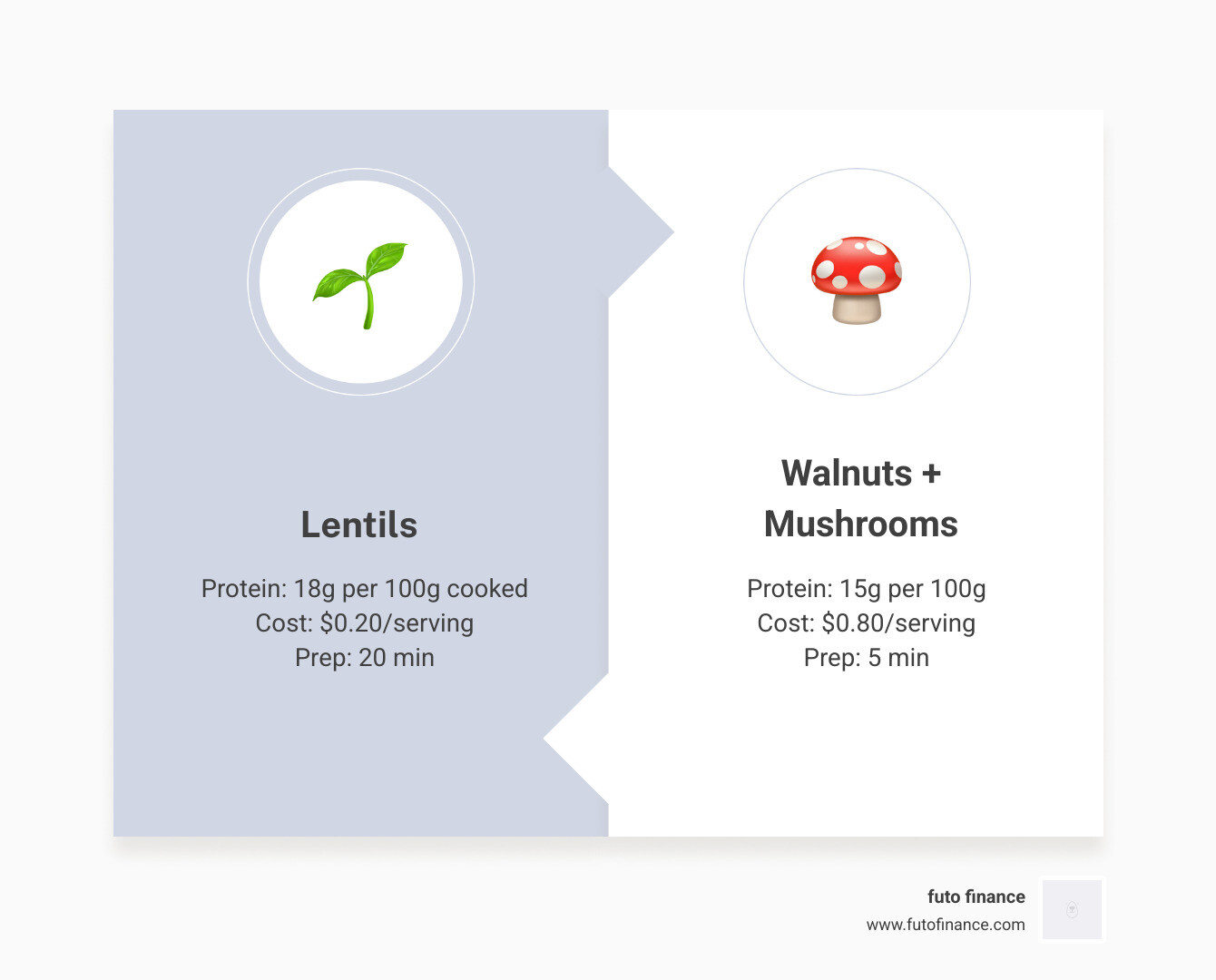
The Walnut and Mushroom Method
This is a favorite for those who want a “gourmet” feel in a hurry. By pulsing raw walnuts and mushrooms in a food processor, you create a crumble that looks and feels remarkably like ground beef.
- Texture: Earthy and slightly chunky.
- Flavor: Deeply savory.
- Pro Tip: Don’t over-process! You want crumbles, not a paste. The walnuts provide healthy omega-3 fatty acids, which are great for brain health.
The High-Protein TVP and Tofu Approach
If you’re hitting the gym and need maximum protein, this is your winner. Textured Vegetable Protein (TVP) is a shelf-stable, dehydrated soy product that acts like a “flavor sponge.”
- TVP: Just rehydrate it with boiling veggie broth for five minutes, and it’s ready to sauté. It mimics the texture of ground turkey or chicken.
- Smoked Tofu: Crumbling smoked tofu directly into the sauce adds a “bacon-y” depth without needing extra liquid smoke.
- Tofu Crumbles: Some recipes suggest pre-baking tofu crumbles with soy sauce and paprika to get a chewy, “meaty” bite before adding them to the marinara.
The Classic Lentil and Quinoa Simple Vegan Bolognese Pasta
For the ultimate whole-food experience, lentils are king. Red lentils break down into the sauce, making it thick and creamy, while green or brown lentils hold their shape for a more rustic feel.
- Quinoa Addition: Adding a few tablespoons of quinoa to your lentil mix adds a “pebbly” texture that mimics fine-ground meat and boosts the protein content even further.
- Naturally Gluten-Free: This is the safest bet for those with gluten sensitivities (just use GF pasta!).
How to Cook the Perfect Vegan Bolognese in Under 30 Minutes
The secret to a fast simple vegan bolognese pasta is multitasking. While your pasta water is coming to a boil, you should already be sautéing your aromatics.
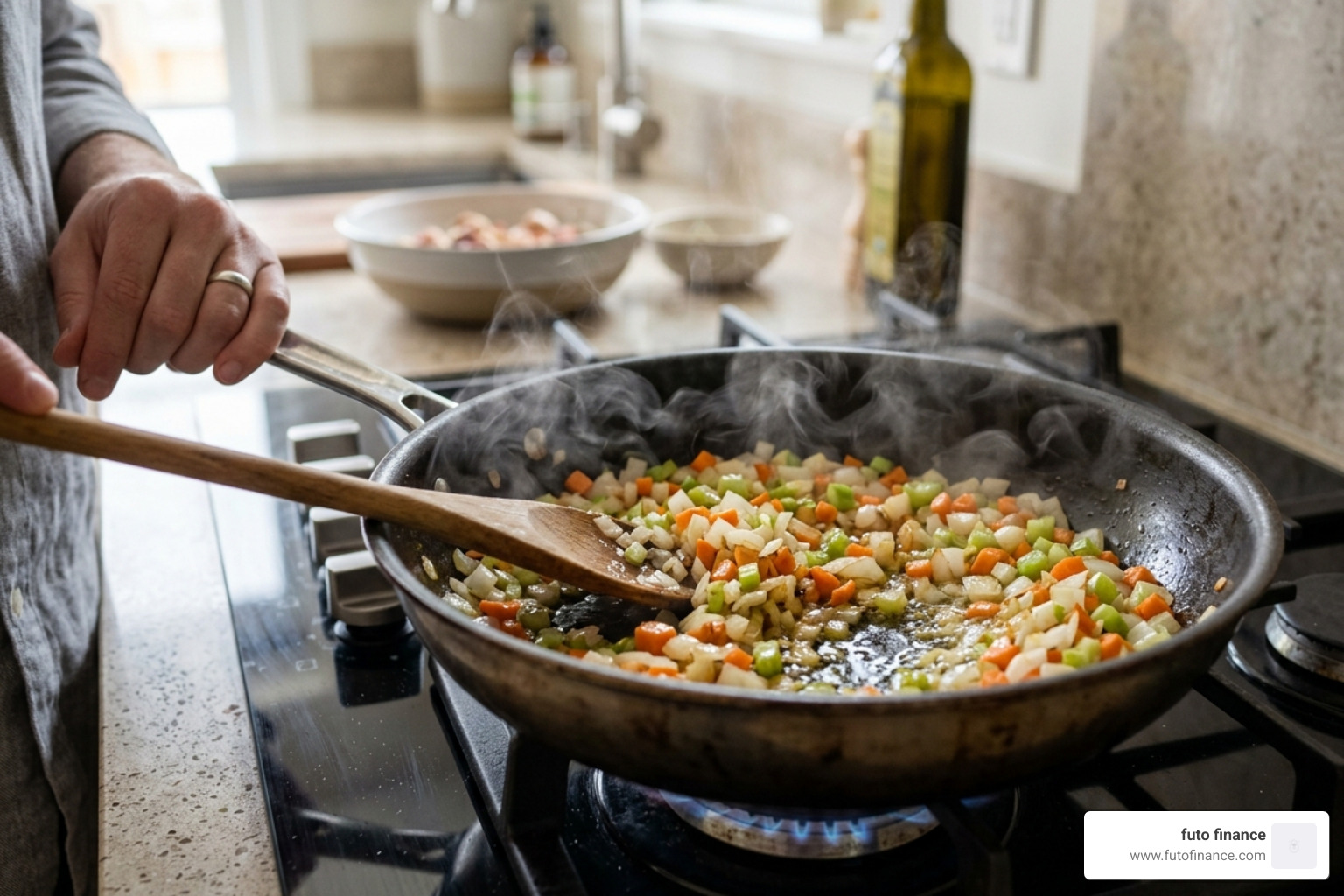
- Prep the Base: Use a food processor to “cheat” your chopping. Pulse your onion, carrot, and celery until finely minced.
- Sauté and Brown: Cook the veggies in a splash of oil (or broth) until soft. Add your “meat” substitute and brown it.
- The Flavor Bomb: Stir in your tomato paste and let it cook for 2 minutes until it turns a dark brick red. This removes the “tinny” taste and adds sweetness.
- Deglaze: Use a splash of red wine or vegetable broth to scrape up all the brown bits from the bottom of the pan—that’s where the flavor lives!
- Simmer: Add your tomatoes and herbs. Cover and simmer for 15–20 minutes. If it looks too thick, add a splash of the starchy pasta water.
Best Pasta Shapes for Hearty Ragu
Not all noodles are created equal. Because bolognese is a thick, chunky sauce, you need a pasta that can “grab” the ingredients.
- Long and Wide: Tagliatelle or Pappardelle are traditional. The wide surface area holds the sauce beautifully.
- Short and Ridged: Rigatoni or Penne Rigate (the ones with ridges) are perfect for trapping lentils or TVP crumbles inside the tubes.
- Avoid Spaghetti: While “Spag Bol” is a classic, thin spaghetti often lets the chunky sauce slide right off to the bottom of the bowl.
Quick Tips for a Rich Umami-Packed Flavor
If your sauce tastes a bit flat, try these 2026 kitchen hacks:
- Miso Paste: A teaspoon of white or red miso adds a fermented, salty depth.
- Balsamic Vinegar: A splash at the very end brightens the tomatoes and balances the sugar.
- Mushroom Ketchup: An old-school ingredient that provides an instant savory hit.
- Nutritional Yeast: Stir it in at the end for a subtle cheesy, nutty undertone.
Customizing Your Meal: Dietary Needs and Storage
We know that one size doesn’t fit all, especially in a shared student house.
- Gluten-Free: Use chickpea or brown rice pasta. Ensure your soy sauce is substituted with Tamari.
- Oil-Free: Sauté your vegetables in a few tablespoons of vegetable stock or water instead of olive oil.
- Nut-Free: If a recipe calls for walnuts, swap them for sunflower seeds or extra mushrooms to maintain that hearty bite.
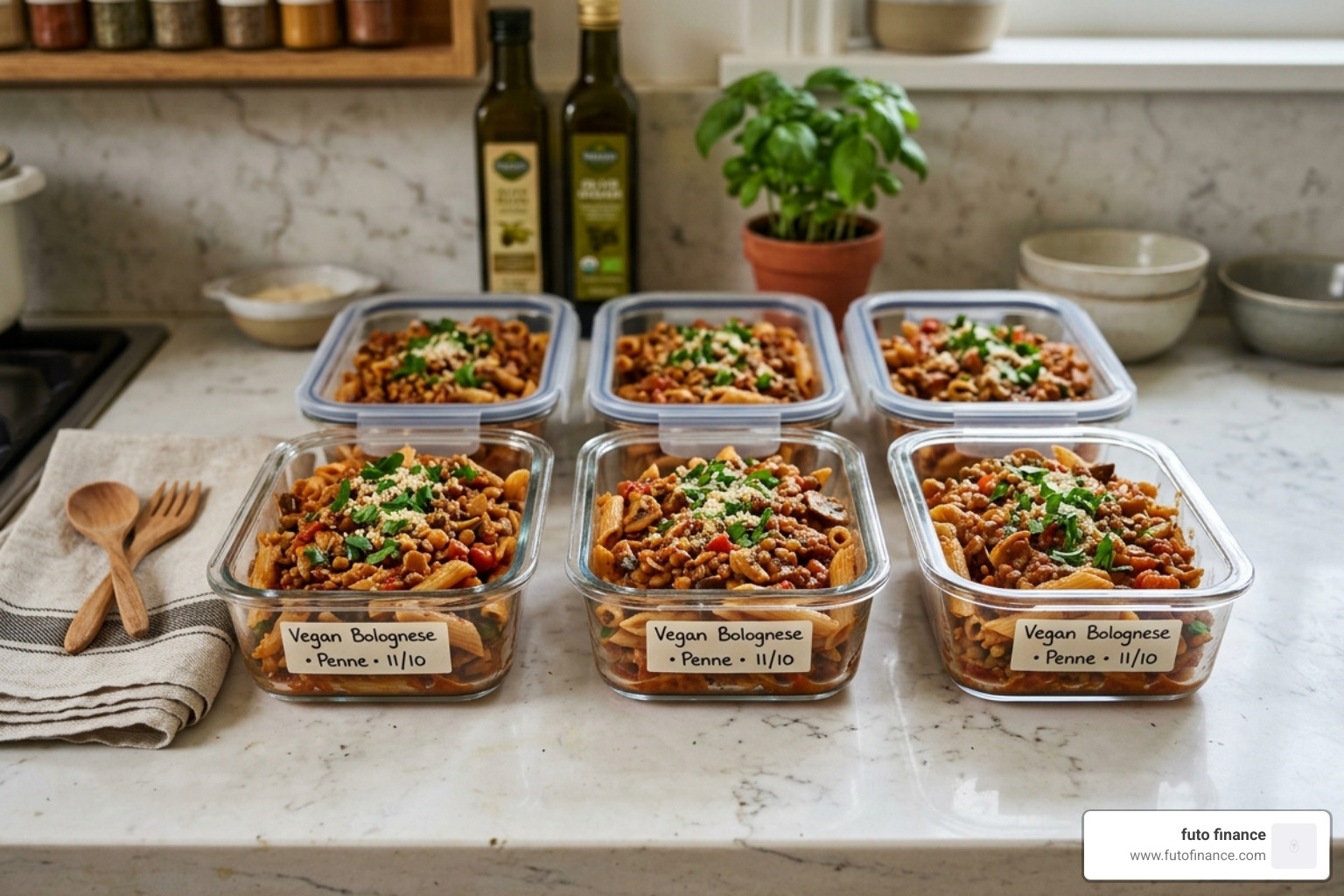
Storing and Reheating Your Simple Vegan Bolognese Pasta
One of the best things about simple vegan bolognese pasta is that it actually tastes better the next day. The flavors have more time to meld together.
- Fridge: Store in an airtight container for 3–4 days.
- Freezer: This sauce freezes perfectly for up to 3 months. Pro tip: freeze the sauce separately from the pasta to avoid mushy noodles.
- Reheating: Add a tiny splash of water or broth before microwaving to loosen the sauce back up to its original glory.
Serving Suggestions and Garnishes
Elevate your $2 meal into a restaurant-style experience with these additions:
- Vegan Parmesan: You can make this by pulsing cashews, nutritional yeast, and salt in a blender.
- Fresh Herbs: A handful of torn basil or chopped parsley adds a fresh “pop.”
- Garlic Bread: Essential for mopping up every last drop of sauce.
- Side Salad: A simple arugula salad with lemon dressing cuts through the richness of the ragu.
Frequently Asked Questions about Vegan Bolognese
Can I make this recipe without a food processor?
Absolutely! While a food processor saves time, you can use a box grater for the carrots and zucchini, or simply practice your knife skills. For tofu or lentils, a potato masher works wonders to create that “crumbled” texture directly in the pan.
Why is my bolognese sauce too acidic?
This usually happens if the tomatoes are lower quality or haven’t cooked long enough. The easiest fix is a pinch of sugar (coconut sugar or white sugar). Alternatively, make sure you sauté your carrots well; their natural sweetness balances the acidity of the tomatoes.
Is vegan bolognese actually cheaper than meat?
In 2026, the price of meat has continued to rise, while pantry staples like lentils and TVP remain stable. A serving of lentil bolognese costs roughly $1.50, whereas a beef-based version can easily exceed $4.50. For a student on a budget, the savings over a month are significant.
Conclusion
Mastering a simple vegan bolognese pasta is a rite of passage for any student. It’s the ultimate “comfort in a bowl” that doesn’t require a culinary degree or a massive bank account. Whether you prefer the earthy bite of walnuts, the high-protein punch of TVP, or the humble, reliable lentil, there is a version of this recipe that fits your lifestyle.
At Futo Finance, we believe that eating well shouldn’t be a stressor. By focusing on affordable, student-focused vegan cuisine, we help you build culinary confidence while staying sustainable.
Ready to level up your kitchen game? Start your affordable vegan journey at Futo Finance and discover how easy (and cheap) plant-based living can be. Happy cooking!

Melo Rodrigues is the founder of Futo Finance and a specialist in student-budget veganism. Having mastered the art of plant-based cooking in a university setting, Melo is dedicated to helping students achieve nutritional excellence without financial strain. Through Futo Finance, Melo shares lab-tested strategies for eating smart and living sustainably on a budget.
