
Easy Vegan Lunches You Can Prep in Advance
The Easiest Vegan Meal Prep Lunches to Make This Week
Vegan meal prep lunches are one of the smartest things a busy student can do for their health, wallet, and sanity.
Here are some of the best options to get you started:
| Lunch Idea | Prep Time | Fridge Life |
|---|---|---|
| Nourish Bowl (rice, beans, sweet potato, kale) | ~1 hour | 4-5 days |
| Buddha Bowl (quinoa, chickpeas, tahini dressing) | ~45 min | 3-4 days |
| Chickpea Salad Wrap | ~15 min | 2 days |
| Lentil Soup | ~30 min | 5-7 days |
| Pasta Salad | ~20 min | 3-4 days |
| Green Rice Burrito Bowl | ~1 hour | 3-4 days |
Lunch is the meal that gets skipped, forgotten, or replaced by expensive takeout more than any other. When you’re running between lectures and trying to stretch a tight budget, it’s easy to just grab whatever’s convenient — even if it costs more and leaves you tired by 3pm.
That’s where meal prepping makes a real difference.
Spending around one hour on a Sunday can set you up with five full lunches for the week. Most of the prep is hands-off — you’re just waiting for rice to cook or vegetables to roast. And the cost per meal drops dramatically compared to buying food on campus.
The goal is simple: prep once, eat well all week.
Why You Should Start Making Vegan Meal Prep Lunches
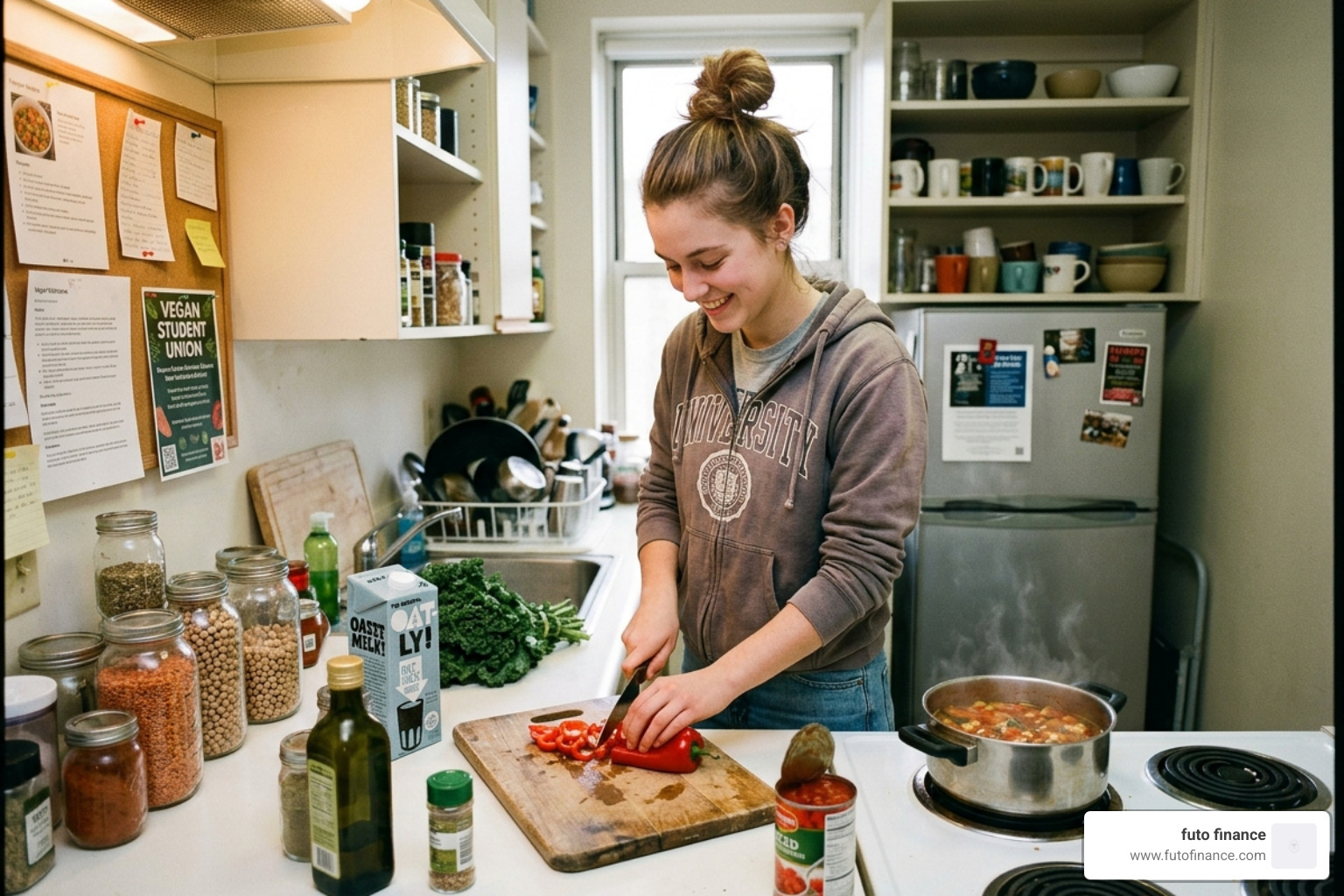
As we navigate through April 2026, the cost of living has made the “campus lunch trap” more dangerous than ever. We’ve all been there: you’re in the library, your stomach growls loud enough to startle the person next to you, and suddenly that $15 mediocre wrap across the street looks like a bargain.
Financial Savings and “Hanger” Prevention
The most immediate benefit of vegan meal prep lunches is the impact on your bank account. By buying staples like grains, beans, and seasonal vegetables in bulk, you can drive the cost per lunch down to just a few dollars. Beyond the money, there’s the mental relief of avoiding “decision fatigue.” When your lunch is already sitting in the fridge, you don’t have to spend mental energy wondering what to eat while you’re already hungry (or “hangry”).
Nutrient Density and Energy
For us students, maintaining high energy levels for lectures and late-night study sessions is non-negotiable. A balanced plant-based lunch provides the steady glucose release your brain needs, rather than the “sugar crash” you might get from processed fast food. There is significant scientific research on the health benefits of plant-based diets, highlighting how they can improve long-term health outcomes and provide essential vitamins and minerals.
Environmental and Lifestyle Impact
Batch cooking is also a win for the planet. Prepping at home significantly reduces the amount of single-use plastic containers and cutlery that come with takeout. Plus, it’s a great way to use up those “random” vegetables in your crisper drawer before they go bad. Whether you’re working from a dorm room or a shared apartment, having a routine of Sunday prepping creates a sense of order in an otherwise chaotic student schedule.
Essential Components for Balanced Nutrition
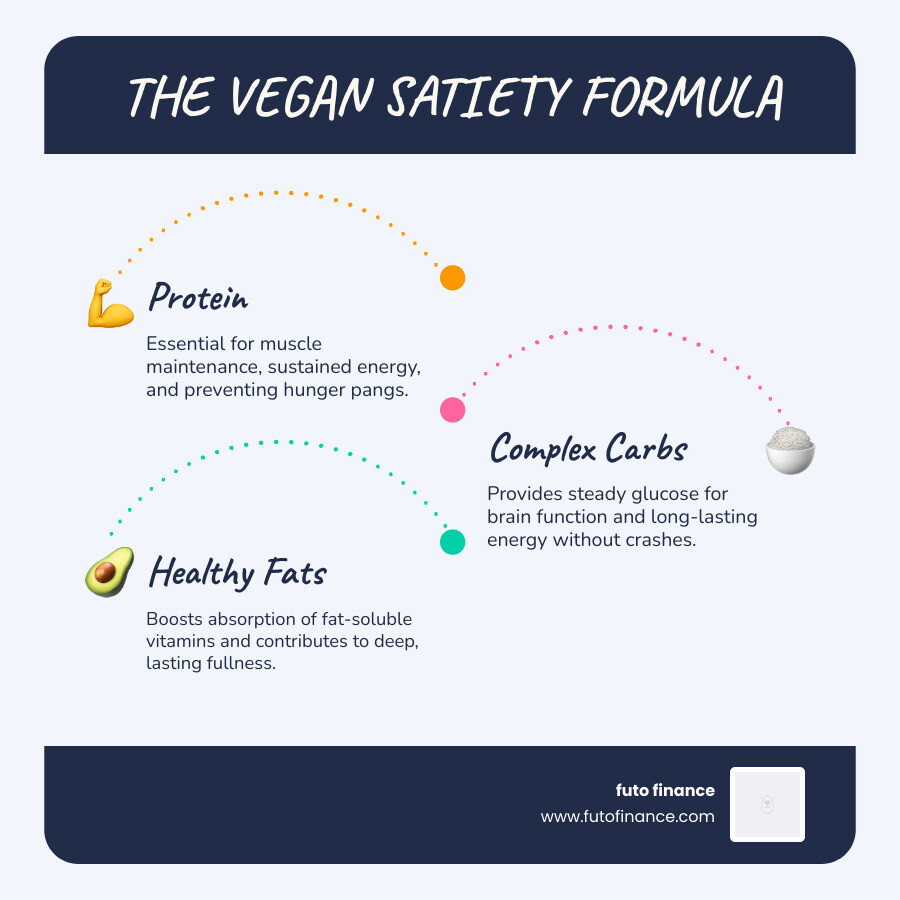
A great vegan lunch isn’t just a pile of lettuce. To stay full until dinner, we need to follow a simple formula: Protein + Complex Carb + Healthy Fat.
- Complex Carbohydrates: These are your fuel. Think brown rice, quinoa, or roasted sweet potatoes. They provide fiber and slow-burning energy.
- Healthy Fats: These help with vitamin absorption and hormone regulation. Avocado, tahini, nuts, and seeds are your best friends here.
- Micronutrients: This is the “color” in your bowl. Aim for at least two different colored vegetables to ensure you’re getting a range of vitamins.
To help you plan your week, here is a quick guide on how long your prepped components will stay fresh:
| Component | Fridge Life | Freezer Life |
|---|---|---|
| Cooked Grains (Rice, Quinoa) | 4-5 Days | 2 Months |
| Cooked Legumes (Beans, Lentils) | 4 Days | 3 Months |
| Roasted Root Veggies | 3-4 Days | 2 Months |
| Leafy Greens (Washed/Dried) | 2-3 Days | Not recommended |
| Homemade Dressings | 7 Days | Not recommended |
Essential Proteins for Vegan Meal Prep Lunches
Protein is the building block of satiety. Without it, you’ll be reaching for a snack thirty minutes after lunch.
- Tofu: Use “extra-firm” and press it for 20 minutes to get the water out. This allows it to get crispy when you sear it.
- Tempeh: Nutty and firm, it’s great for those who want a heartier texture.
- Chickpeas and Lentils: The ultimate budget protein. A single can of chickpeas can be roasted for crunch or smashed for a “tuna-style” salad.
- Seitan: Often called “wheat meat,” it’s incredibly high in protein and perfect for wraps.
- Edamame: We love keeping a bag of frozen shelled edamame to toss into bowls for an instant protein boost.
Smart Carb and Fat Sources
Your brain runs on carbohydrates, so don’t skip them!
- Quinoa: Technically a seed, it’s a complete protein containing all essential amino acids.
- Sweet Potatoes: Roasting these on a Sunday makes them sweet and creamy. They are even delicious cold in salads!
- Tahini: This sesame paste is the “secret weapon” of vegan cooking. It makes any dressing creamy without the need for dairy.
- Nut Butters: A peanut or almond butter sauce can turn a boring noodle dish into a gourmet meal.
Top Recipe Ideas and Pro Tips
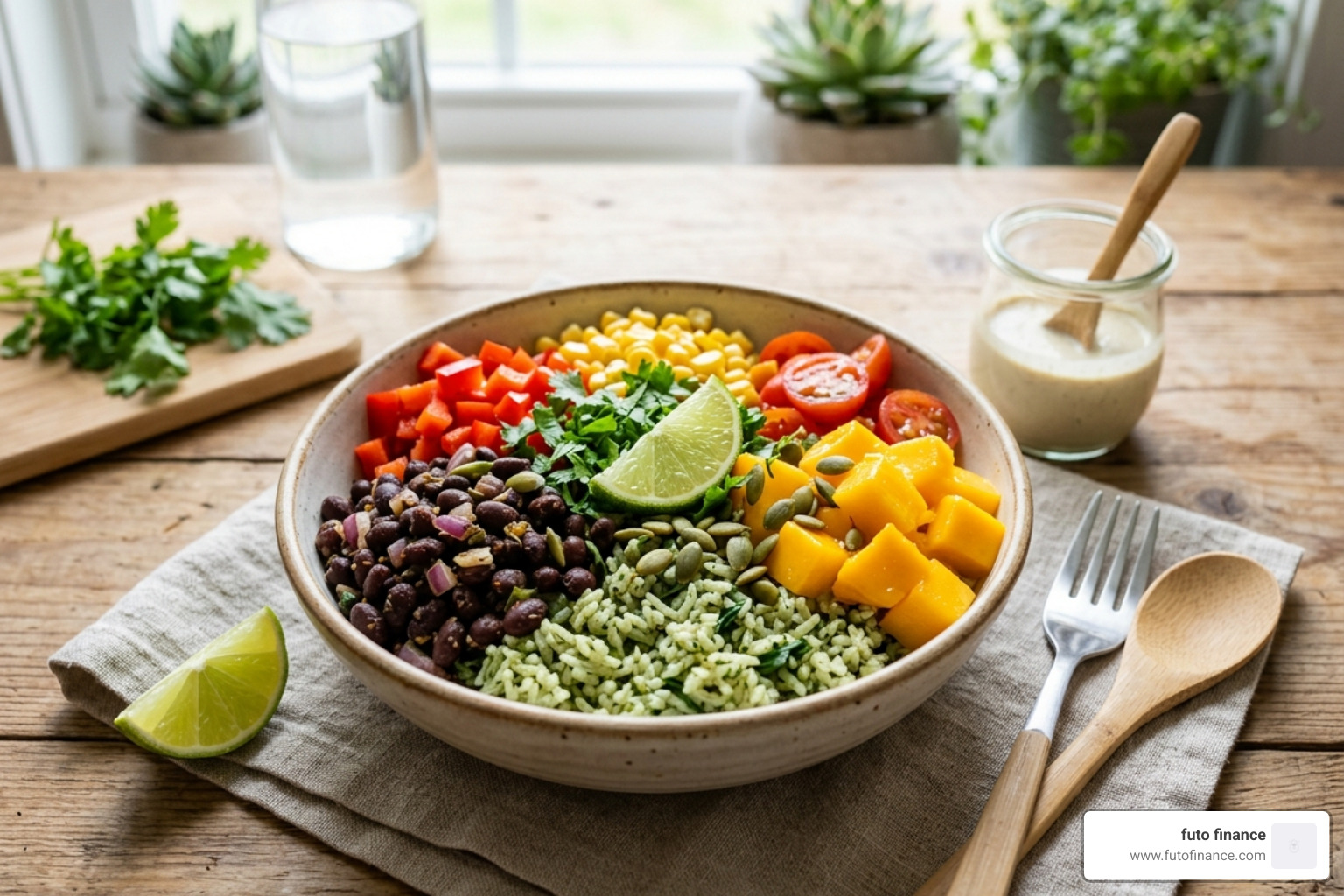
When we think about vegan meal prep lunches, variety is the key to not getting bored. One of our favorite concepts is the “Multitasking Protein.” For example, if you roast a big batch of chickpeas on Sunday, you can use them in a Mediterranean bowl on Monday, a wrap on Tuesday, and a kale salad on Wednesday.
Easy Vegan Sauces to Elevate Your Meals
A sauce can make or break a meal prep. Here are four we swear by:
- Lemon Tahini: Tahini, lemon juice, a splash of maple syrup, and water to thin.
- Spicy Peanut: Peanut butter, soy sauce, sriracha, and lime juice.
- Cashew Cream: Soaked cashews blended with garlic, salt, and water.
- Balsamic Vinaigrette: Balsamic vinegar, olive oil, and a touch of Dijon mustard.
Beginner-Friendly Nourish Bowls
If you’re new to this, start with a Nourish Bowl. It’s the most forgiving recipe in the world.
- Grains: Cook a batch of brown rice or quinoa. (Pro tip: Toast the dry quinoa in the pot for 2 minutes before adding water to deepen the flavor!)
- Veggies: Roast cubed sweet potatoes at 200°C (400°F) for 25 minutes. Steam some kale or broccoli during the last few minutes.
- Protein: Add a scoop of canned black beans (rinsed) or some seared tofu.
- Assembly: Divide the grains, veggies, and protein into four glass containers.
- The Secret: Keep your sauce in a separate small container. Drizzle it on only when you’re ready to eat. A little sriracha on top never hurts!
Storage Hacks for Vegan Meal Prep Lunches
The biggest enemy of meal prep is sogginess. To keep your lunches tasting fresh on Thursday as they did on Monday, follow these rules:
- Glass Over Plastic: Glass containers don’t retain smells or stains, and they are safer for reheating in the microwave.
- The “Paper Towel” Trick: If you’re prepping leafy greens, put a piece of paper towel in the container to absorb excess moisture.
- Flash Freezing: If you’ve roasted chickpeas and want them to stay crunchy, freeze them on a baking sheet for an hour before putting them in a container. This prevents them from clumping and getting soft.
- Reheating: When reheating grains, add a tiny splash of water before microwaving. This “steams” the rice back to life so it isn’t dry and crunchy.
Frequently Asked Questions about Vegan Meal Prep
How long do vegan meal prep components last in the fridge?
Most cooked components like grains, roasted vegetables, and legumes will stay fresh and safe for 3 to 5 days. We recommend eating meals with fresh berries or delicate greens (like spinach) earlier in the week. If you’re worried about freshness, use your nose—if it smells “off” or the texture has become slimy, it’s time to toss it.
How do I keep my meal prep salads from getting soggy?
The secret is in the layering! If you’re using a Mason jar, put the dressing at the very bottom. Follow with hard veggies (carrots, cucumbers), then your grains and proteins, and put the leafy greens at the very top. This keeps the leaves away from the moisture until you shake the jar into a bowl. Also, choose hardy greens like kale over spinach; kale actually tastes better after sitting in a bit of dressing for a day or two!
Can I freeze my vegan meal prep lunches for later in the month?
Absolutely. Soups, stews, and burritos are incredibly freezer-friendly. You can freeze them for up to 3 months. Just make sure to let the food cool completely before sealing the container to avoid ice crystals. For grain bowls, you can freeze the cooked grains and beans, but we recommend roasting your veggies fresh or keeping them in the fridge, as their texture can change significantly after freezing.
Conclusion
At Futo Finance, we believe that being a student shouldn’t mean sacrificing your health or your values. Vegan meal prep lunches are a powerful tool to help you stay fueled, save money, and live more sustainably. By spending just a small portion of your weekend preparing these colorful, nutrient-dense bowls and wraps, you’re investing in a much smoother, more productive week ahead.
Whether you’re a seasoned chef or someone who barely knows how to boil water, these tips and recipes are designed to be accessible and affordable. You don’t have to be perfect—even prepping just two or three lunches a week is a fantastic start.
Ready to take control of your kitchen and your budget? Start your plant-based journey with Futo Finance for more student-focused tips and affordable vegan recipes!

Melo Rodrigues is the founder of Futo Finance and a specialist in student-budget veganism. Having mastered the art of plant-based cooking in a university setting, Melo is dedicated to helping students achieve nutritional excellence without financial strain. Through Futo Finance, Melo shares lab-tested strategies for eating smart and living sustainably on a budget.
