
Essential Meals for Vegan Beginners and Transitioning Pros
Your Quick-Start Guide to Going Vegan (Without the Overwhelm)
Vegan for beginners doesn’t have to mean giving up great food or spending hours in the kitchen. Here’s what you need to know right away:
The core idea: A vegan diet cuts out all animal products — meat, fish, dairy, eggs, and honey — and replaces them with plant-based foods like beans, grains, vegetables, fruits, nuts, and seeds.
How to start in 5 steps:
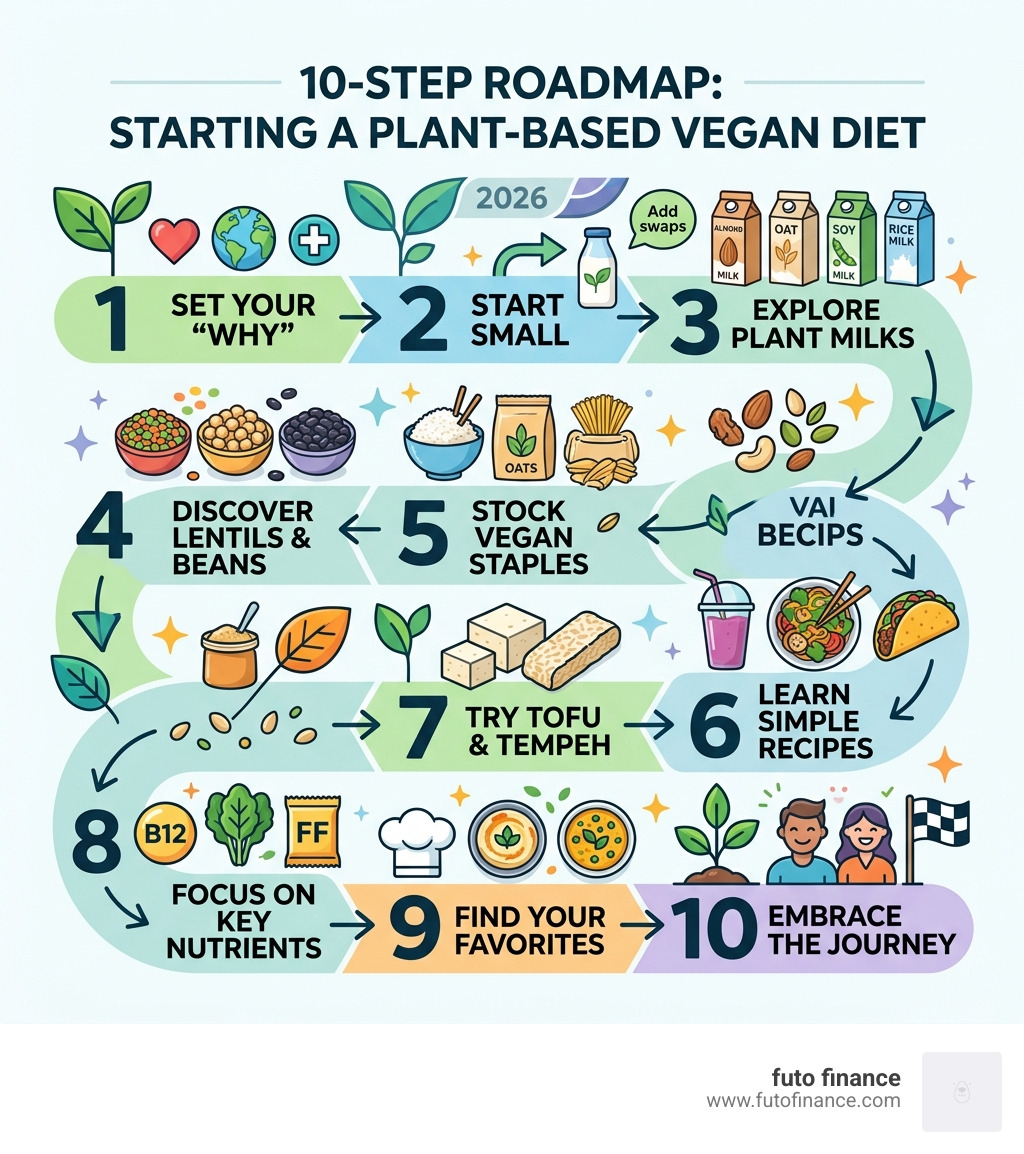
- Swap one meal at a time — try vegan breakfasts for a week before changing anything else
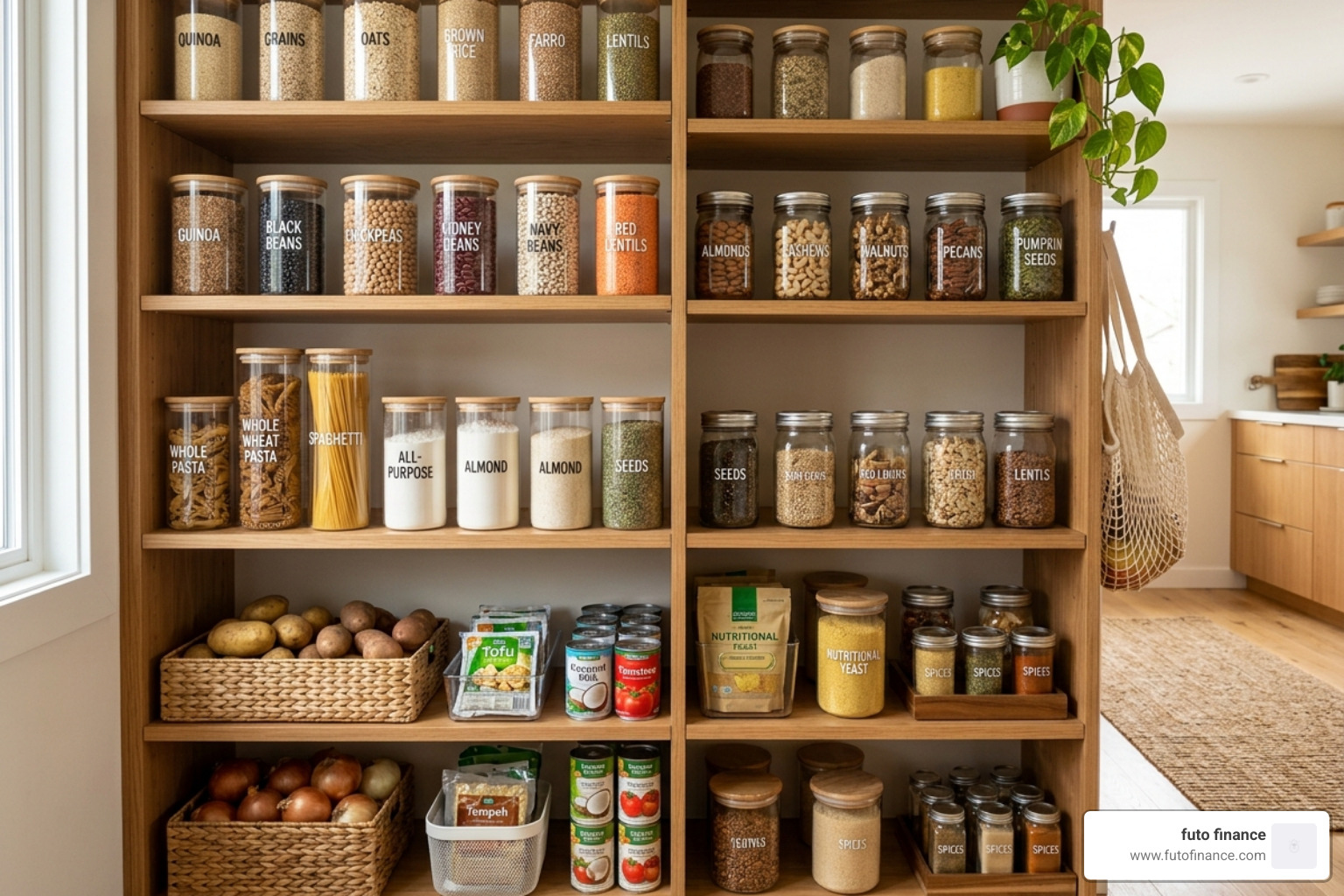
- Stock basic staples — beans, lentils, oats, rice, frozen veg, and peanut butter are cheap and easy
- Find your substitutes — plant milk, tofu, and canned legumes replace the most common animal ingredients
- Watch for key nutrients — especially vitamin B12, iron, and calcium
- Go at your own pace — even one meatless day a week makes a real difference
Still here? Great. Let’s go a little deeper.
Only about 1% of U.S. adults currently identify as vegan — but millions more are curious, cutting back, or already eating mostly plant-based without a label. Whether you’re motivated by your food budget, your health, the environment, or simply wanting to try something new, the timing has never been better.
In April 2026, plant-based eating is more accessible than ever. Supermarket shelves are packed with affordable staples, and cuisines from around the world — Indian dal, Mexican bean tacos, Middle Eastern hummus wraps — have been naturally vegan for centuries.
The challenge for most beginners isn’t finding food. It’s knowing where to start, what to eat enough of, and how to make it work on a tight budget and a packed schedule.
This guide covers all of that — practically, without the jargon.
Understanding the Vegan Lifestyle and Its Benefits
When we talk about being vegan for beginners, we aren’t just talking about a “diet.” We like to think of it as a style of eating that prioritizes fuel and compassion. According to the Going Vegan 101 guide from the Cleveland Clinic, veganism is a commitment to using food as fuel for a healthy life while excluding all forms of animal exploitation.
People choose this path for a variety of reasons. Many are driven by ethical concerns, wanting to live a life that causes the least amount of harm possible to sentient beings. Others are motivated by the environmental impact; raising animals for food accounts for roughly 14.5% of global greenhouse gas emissions—more than all the world’s cars combined.
Then, there is the personal health side. The Standard American Diet (SAD) is notoriously high in sodium, saturated fats, and processed sugars. By contrast, a well-planned vegan diet is linked to lower blood pressure, reduced risk of type 2 diabetes, and better heart health. It’s about moving away from the “800-calorie fast-food burger” and toward vibrant, fiber-rich whole foods.

Foods to Exclude from Your Plate
To keep it simple, if it came from something with a face or a mother, it’s off the menu. This includes:
- Meat: Beef, pork, lamb, and game.
- Poultry: Chicken, turkey, and duck.
- Fish and Shellfish: Including shrimp, crab, and lobster.
- Dairy: Milk, cheese, yogurt, and butter.
- Eggs: From chickens, ducks, or any other bird.
- Bee Products: Honey and royal jelly.
- Hidden Ingredients: Gelatin (found in gummies), whey (common in protein bars), and animal-based broths or lards.
A Step-by-Step Guide to Going Vegan for Beginners
The biggest mistake we see is people trying to go “cold turkey” overnight and then feeling defeated when they crave a slice of pizza. Transitioning is a marathon, not a sprint. We recommend a gradual transition.
Start with Meatless Mondays or the 80/20 rule: aim to eat vegan 80% of the time while allowing yourself some flexibility for the other 20%. This “crowding out” method focuses on adding so many delicious plant foods to your plate that there simply isn’t room left for the animal products.
Another great way to kickstart the journey is the Veganuary challenge. Even though it’s April 2026, you can start your own 30-day challenge anytime! Use this time to experiment with product swaps. Replace cow’s milk with oat or soy milk, and swap butter for a plant-based margarine or coconut oil.
Essential Food Groups for a Vegan for Beginners Diet
To feel satisfied and energized, your plate should be a colorful mix of these groups:
- Legumes: The backbone of a cheap vegan diet. Think lentils, chickpeas, black beans, and peas.
- Whole Grains: Brown rice, quinoa, oats, and whole-wheat pasta provide lasting energy.
- Nuts and Seeds: Walnuts for omega-3s, chia seeds for “egg” replacements in baking, and peanut butter for… well, everything.
- Vegetables and Fruits: Aim for at least five portions a day.
- Plant-Based Proteins: These are your “meatier” options.
| Protein Source | Protein Amount (per cup/serving) | Best Used For… |
|---|---|---|
| Tofu | 20g per half-cup | Stir-fries, “scrambled” eggs, or smoothies |
| Tempeh | 31g per cup | Bacon alternatives or hearty grain bowls |
| Seitan | 25g per 3.5oz | “Meaty” textures in stews or sandwiches |
| Lentils | 18g per cup | Soups, dahls, and shepherd’s pie |
| Chickpeas | 15g per cup | Hummus, curries, and roasted snacks |
Essential Nutrients for Long-Term Plant-Based Health
We want you to stay healthy for the long haul, which means paying attention to a few key players.
- Vitamin B12: This is the big one. B12 isn’t naturally found in plants. You must get this through fortified foods (like nutritional yeast and some plant milks) or a supplement.
- Iron: Plant-based iron (non-heme) isn’t absorbed as easily as meat-based iron. To fix this, always pair iron-rich foods with Vitamin C. Squeeze some lime on your bean tacos or eat strawberries with your iron-fortified cereal.
- Calcium: You don’t need cows for strong bones. Kale, bok choy, and calcium-set tofu are great sources. Most plant milks are also fortified to match the calcium levels of dairy.
- Omega-3 Fatty Acids: Crucial for brain health. We recommend a daily tablespoon of ground flaxseeds or chia seeds. For a more direct source, consider an algae oil supplement (which is where the fish get their omega-3s anyway!).
- Iodine and Zinc: Use iodized salt and eat plenty of seeds and legumes to keep these levels steady.
Avoiding Common Pitfalls as a Vegan for Beginners
A “junk food vegan” is a real thing. You could technically live on Oreos and French fries, but you won’t feel very good.
- Beware of Ultra-Processed Foods: Those “vegan chicken nuggets” are fun for a treat, but they are often higher in sodium and lower in nutrients than whole foods.
- Fiber Overload: If you go from zero to 100 on beans, your digestion might protest. Increase your fiber intake gradually and drink plenty of water.
- Calorie Density: Plant foods are generally less calorie-dense than meat. If you find yourself hungry an hour after eating, you probably didn’t eat enough. Don’t be afraid to increase your portion sizes of grains and veggies!
- Social Pressure: Your Aunt Linda might ask where you get your protein. Stay positive, lead by example, and maybe bring a delicious vegan dish to the next family BBQ to show them what they’re missing.
Practical Meal Planning and Budget-Friendly Strategies
As a student or a busy professional, you don’t have time for complicated recipes. Batch cooking is your best friend. Spend Sunday afternoon cooking a big pot of chili or roasting a tray of vegetables, and you’ve got lunches for the week.
A Sample 5-Day Beginner Plan (1,500 Calories)
- Breakfast: Oatmeal with frozen berries, a spoonful of peanut butter, and a splash of soy milk.
- Lunch: A “Buddha Bowl” with brown rice, canned chickpeas, steamed broccoli, and a tahini dressing.
- Dinner: Red lentil pasta with jarred marinara sauce and extra spinach stirred in.
- Snack: An apple with a handful of walnuts or some carrot sticks with hummus.
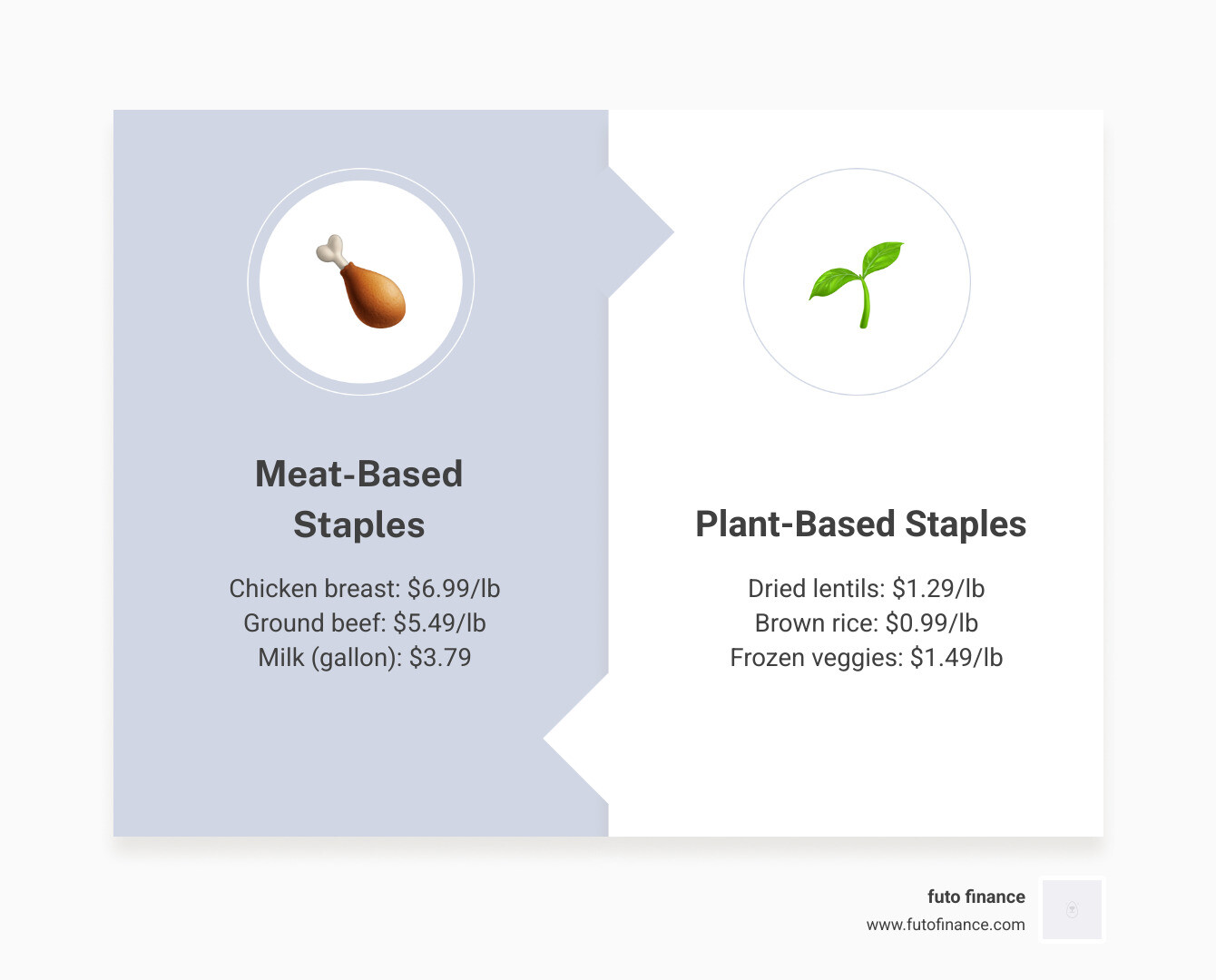
To keep things affordable, focus on staples. Dried beans and grains are incredibly cheap when bought in bulk. Frozen vegetables are just as nutritious as fresh and won’t rot in the back of your fridge during finals week. Also, check out ethnic cuisines; Indian, Ethiopian, and Mexican markets often have the best prices on spices and legumes.
Finding Support and Resources for Your Journey
You don’t have to do this alone.
- Apps: Download HappyCow to find vegan-friendly restaurants near you, or VeGuide for daily tips.
- Communities: Join local vegan Facebook groups or student societies.
- Education: Watch documentaries like The Game Changers for health insights or Our Planet for environmental motivation.
- Experts: If you’re worried about specific health conditions, consult a registered dietitian who specializes in plant-based nutrition.
Frequently Asked Questions about Veganism
Is a vegan diet expensive for students?
Actually, it’s often cheaper! Meat and cheese are usually the most expensive items on a grocery list. By basing your meals on “peasant foods” like potatoes, rice, beans, and oats, you can save a significant amount of money. Our mission at Futo Finance is to prove that you can eat like a king on a student budget.
Do I need to take a B12 supplement immediately?
While your body stores B12, it is best to start a supplement or ensure you are eating fortified foods daily as soon as you transition. It is the one nutrient that is non-negotiable for long-term vegan health.
Can I still eat out at restaurants with friends?
Absolutely. Most restaurants now have at least one vegan option. Pro tip: Ethnic restaurants (Thai, Indian, Mexican) are usually the easiest to navigate. Don’t be afraid to ask the server for “accidental” vegan options, like pasta with oil and garlic or a bean burrito without cheese.
Conclusion
Going vegan for beginners is a journey of continuous learning and growth. There is no “vegan police” waiting to arrest you if you accidentally eat a cracker with milk powder in it. Be kind to yourself, keep an open mind, and focus on the “diversity through restriction”—you’ll likely discover more new foods in the next six months than you have in the last six years.
At Futo Finance, we are here to support your transition with recipes that don’t break the bank. Whether you’re a “Transitioning Pro” or just curious about Meatless Mondays, every plant-based meal makes an impact.
For more student-friendly tips and budget recipes, check out our affordable vegan services. Happy eating!

Melo Rodrigues is the founder of Futo Finance and a specialist in student-budget veganism. Having mastered the art of plant-based cooking in a university setting, Melo is dedicated to helping students achieve nutritional excellence without financial strain. Through Futo Finance, Melo shares lab-tested strategies for eating smart and living sustainably on a budget.
