
Scramble On: The Ultimate Guide to Tofu Breakfasts
What Is a Scrambled Tofu Breakfast (And Which Option Is Right for You)?
A scrambled tofu breakfast is one of the fastest, most affordable high-protein vegan meals you can make — and there are several ways to do it depending on your taste, budget, and time.
Here’s a quick comparison of the most popular scrambled tofu breakfast styles:
| Style | Best For | Key Ingredients | Time |
|---|---|---|---|
| Classic spiced | Beginners | Turmeric, cumin, nutritional yeast | 15 min |
| Eggy kala namak | Egg-flavor seekers | Black salt, tahini, oat milk | 25 min |
| Loaded veggie | Big appetites | Mushrooms, peppers, spinach | 30 min |
| Meal prep batch | Busy weeks | Any base + bulk veg | 25 min |
All versions use firm or extra-firm tofu as the base, cook in one pan, and deliver solid plant-based protein — typically 15g or more per serving.
So which one should you make? That depends on what you’re after.
Want it fast and simple? Go classic. Want it to taste like real eggs? Kala namak is your answer. Feeding yourself for the whole week? Make a big batch on Sunday.
This guide breaks down every option so you can find the scrambled tofu breakfast that fits your schedule, budget, and kitchen setup.
Why the Scrambled Tofu Breakfast is a Student Staple
As we navigate university life in April 2026, the demand for quick, nutritious, and budget-friendly meals has never been higher. For us at Futo Finance, the scrambled tofu breakfast isn’t just a trend; it’s a survival tool. Whether you’re recovering from a late-night study session or fueling up for a 9 AM lecture, this dish checks every box on a student’s wishlist.
High Protein, Low Cost
One of the most impressive stats about tofu is its protein density. A single serving of scrambled tofu breakfast can provide roughly 15g of plant-based protein. When you compare the price of a block of tofu to other protein sources, it’s a clear winner for those of us living on a tight budget. Tofu is incredibly shelf-stable (especially the aseptic packs), meaning we can stock up when it’s on sale without worrying about it spoiling in two days.
The Ultimate One-Pan Wonder
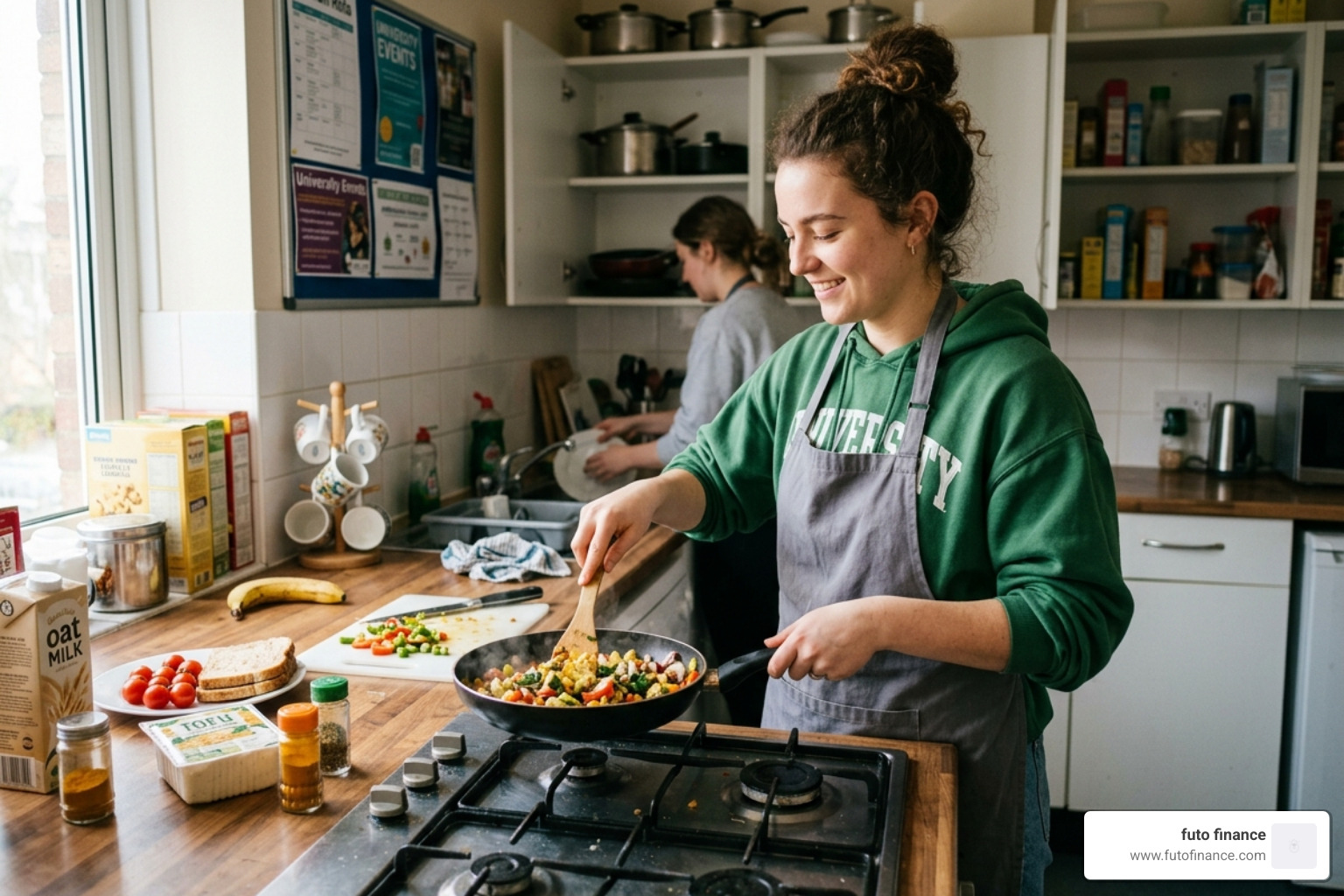
Let’s be honest: dorm kitchens are small, and nobody wants to spend an hour washing dishes. The beauty of the scrambled tofu breakfast is that it is a true one-pan meal. You can sauté your veggies, crumble in your tofu, and whisk your sauce all in the same skillet. This efficiency makes it a top-tier choice for “brinner” (breakfast for dinner) when you’re too exhausted to deal with complex recipes.
Health Benefits Beyond the Macro
Beyond the protein, tofu is naturally cholesterol-free and low in saturated fat. According to scientific research on the benefits of soy protein, soy is a complete protein, containing all nine essential amino acids our bodies need. It’s also a great source of iron and calcium, which are vital for maintaining energy levels during a busy semester.
Choosing Your Base: Firm vs. Silken Tofu Scramble
The texture of your scrambled tofu breakfast depends entirely on the type of tofu you grab from the grocery store. While there are no wrong answers, each type offers a different “mouthfeel” that can drastically change your breakfast experience.
Extra-Firm and Firm Tofu: The Gold Standard
For most of us, firm or extra-firm tofu is the way to go. It has a sturdy structure that mimics the “curds” of traditional scrambled eggs.
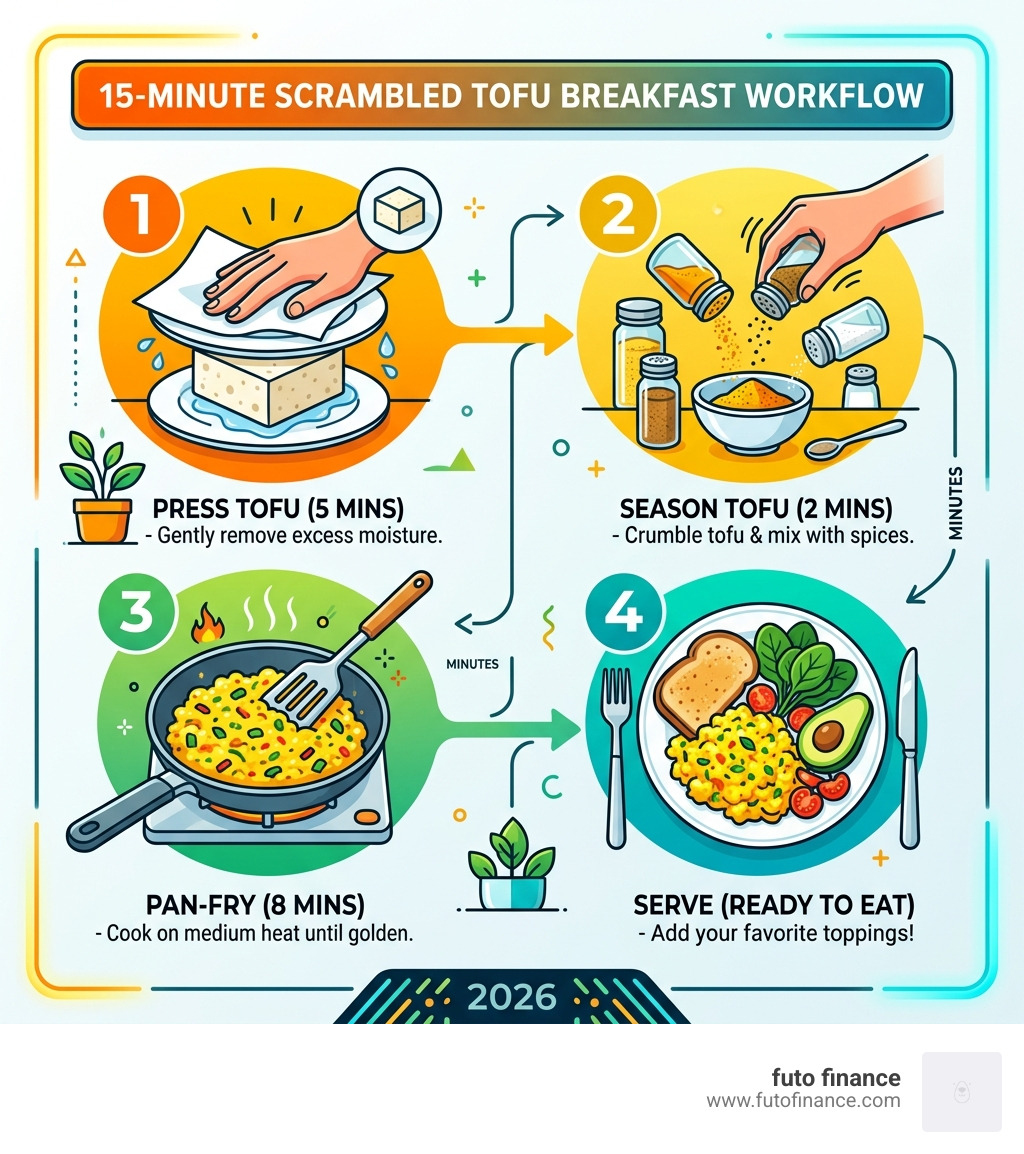
- The Hand-Tearing Method: Instead of cutting tofu with a knife, we recommend tearing it into bite-sized pieces by hand. This creates craggy, irregular edges that catch the sauce and seasonings much better than smooth cubes.
- The Texture: When pan-fried, firm tofu develops a golden, slightly crispy exterior while remaining soft and pillowy on the inside.
Silken Tofu: The Creamy Alternative
If you prefer a softer, “wetter” scramble (similar to soft-scrambled eggs), silken tofu is your friend. It has a much higher water content and a custard-like consistency. However, be warned: it requires a gentler touch and doesn’t brown the same way firm tofu does. It’s perfect for folding into breakfast burritos where you want a creamy texture to contrast with crunchy potatoes.
To Press or Not to Press?
There is a lot of debate in the vegan community about pressing tofu.
- Firm Tofu: We suggest pressing it for about 15 minutes under a heavy weight (like a textbook!) to release excess water. This allows the tofu to soak up more flavor from your spices.
- Extra-Firm Tofu: If you’re in a rush, you can simply drain the package and squeeze the block gently with your hands or a clean tea towel. Much of the moisture will evaporate in the pan during the first few minutes of cooking anyway.
| Feature | Firm Tofu | Silken Tofu |
|---|---|---|
| Texture | Chunky, curd-like, chewy | Soft, creamy, custard-like |
| Best For | Classic scrambles, “sausage” style | Soft-scramble, breakfast burritos |
| Pressing Needed? | Yes (15 mins) | No (just drain) |
| Cooking Time | 10-15 minutes | 5-8 minutes |
The Secret Science of the Perfect “Eggy” Flavor
If you’ve ever tried a scrambled tofu breakfast and thought it tasted a bit flat, you were likely missing the “secret” ingredients. To truly mimic the savory, umami-rich profile of eggs, we need to look at a few specific kitchen staples.
Kala Namak: The Game Changer
Kala namak, or Indian black salt, is the most important ingredient in a vegan’s spice cabinet. Despite its name, it’s actually a pinkish-grey volcanic salt that contains sulfur compounds. This is what gives the tofu that unmistakable “eggy” smell and taste.
- Pro Tip: Add kala namak at the very end of cooking. The sulfurous flavor is volatile and can diminish if it’s cooked for too long. A final sprinkle right before serving makes all the difference.
Nutritional Yeast (The “Nooch”)
Nutritional yeast provides a cheesy, nutty, and savory depth. It’s also a powerhouse for students because it’s often fortified with Vitamin B12, which can be harder to find in a plant-based diet. It helps thicken any liquid you add to the pan, creating a rich coating for the tofu.
Turmeric for Visual Appeal
We eat with our eyes first! Turmeric doesn’t add a massive amount of flavor in small doses, but it provides that vibrant golden-yellow color. According to latest research on turmeric and inflammation, its active compound, curcumin, may also offer anti-inflammatory benefits—perfect for those days when you’re feeling a bit run down.
The Creamy Factor: Tahini and Oat Milk
To replicate the richness of butter or cream often used in traditional eggs, try whisking a tablespoon of tahini with a splash of unsweetened oat milk and your spices before adding them to the pan. This creates a “sauce” that coats the tofu chunks, ensuring the scramble stays moist and luxurious rather than dry and crumbly.
Customizing Your Scrambled Tofu Breakfast
One of the reasons we love the scrambled tofu breakfast is its versatility. You can treat the tofu as a blank canvas for whatever is lingering in your fridge.
Sautéed Aromatics and Greens
Always start with the basics: garlic and onion. Sautéing these first in a bit of olive oil builds a foundation of flavor.
- Spinach and Kale: These are student favorites because they cook in seconds. Fold them in at the very end just until they wilt.
- Mushrooms: To get a “meatier” texture, try cooking your mushrooms under a heavy lid. This presses the moisture out and browns them beautifully before you even add the tofu.
5 Ways to Level Up Your Scrambled Tofu Breakfast
- The Southwest Mix: Add black beans, corn, and a dash of chili powder. Serve with salsa and avocado.
- The “Sausage” Style: Use plenty of sage, crushed red pepper, and a touch of maple syrup to mimic breakfast sausage flavors.
- The Cheesy Delight: Stir in some vegan cheese shreds during the last minute of cooking until they’re gooey and melted.
- The Mediterranean: Add sundried tomatoes, olives, and dried oregano.
- The Pesto Scramble: Stir in a spoonful of vegan pesto once the heat is turned off for a fresh, herbaceous kick.
Budget-Friendly Scrambled Tofu Breakfast Add-ins
If you’re at the end of your monthly budget, don’t worry. You can still make a gourmet meal:
- Frozen Peas: Keep a bag in the freezer; they add a pop of sweetness and extra protein for pennies.
- Leftover Rice: If you have half a container of rice from last night’s takeout, toss it in. It turns your scramble into a hearty breakfast fried rice.
- Dried Herbs: Fresh herbs are expensive. Dried thyme, oregano, or parsley work perfectly well when cooked into the tofu.
- Salsa: A jar of salsa is often cheaper than buying fresh tomatoes, onions, and peppers individually, and it provides all those flavors in one go.
Meal Prep and Storage Tips for Busy Weeks
As students, our schedules are often chaotic. On Sundays, we highly recommend doubling your recipe. The scrambled tofu breakfast is one of the few vegan dishes that actually tastes great the next day.
Storage Basics
Allow your scramble to cool completely before transferring it to an airtight glass container. It will stay fresh in the refrigerator for up to 4 or 5 days. This means you can have a high-protein breakfast ready to go every morning of the school week.
How to Reheat
- Microwave: This is the fastest method for the dorm. Cover the container with a damp paper towel to keep the tofu from drying out and heat for 60-90 seconds.
- Skillet Refresh: If you have five minutes, reheating in a pan with a tiny splash of water or vegetable broth will restore that “just-cooked” texture and help the spices wake up again.
Can You Freeze It?
While you can freeze tofu scramble for up to eight weeks, the texture of tofu changes significantly when frozen—it becomes much more porous and “spongy.” Some people love this, but if you’re picky about texture, stick to the 5-day fridge rule. If you do freeze it, let it defrost overnight in the fridge before reheating.
Frequently Asked Questions about Scrambled Tofu Breakfast
Do I really need to press the tofu?
Strictly speaking, no. If you’re using extra-firm tofu and you’re in a rush, you can skip the press. However, if you have 15 minutes to spare, pressing the tofu will result in a firmer, less watery scramble that absorbs your “eggy” sauce much more effectively.
What is the best way to get an “eggy” smell?
The “eggy” smell comes almost entirely from Kala Namak (black salt). Because it contains natural sulfur, it mimics the scent of poultry eggs perfectly. Just remember to add it at the very end of your cooking process to keep the aroma potent!
Can I make this without nutritional yeast?
Yes! If you don’t have “nooch” on hand, you can use a teaspoon of Dijon mustard for a bit of tang and depth, or simply increase the other spices like garlic powder and cumin. Your scramble won’t have that slightly “cheesy” undertone, but it will still be delicious.
Conclusion
The scrambled tofu breakfast is more than just an egg substitute; it’s a versatile, high-protein powerhouse that fits perfectly into the student lifestyle. By mastering a few simple techniques—like hand-tearing your tofu, using kala namak for flavor, and meal-prepping for the week—you can save money while eating incredibly well.
At Futo Finance, we believe that being a student shouldn’t mean sacrificing your health or your values. Whether you’re a long-time vegan or just looking to incorporate more plant-based meals into your routine, we hope this guide empowers you to get creative in the kitchen.
For more tips on thriving as a vegan student, check out more info about vegan student recipes and join our community of affordable, plant-powered eaters!

Melo Rodrigues is the founder of Futo Finance and a specialist in student-budget veganism. Having mastered the art of plant-based cooking in a university setting, Melo is dedicated to helping students achieve nutritional excellence without financial strain. Through Futo Finance, Melo shares lab-tested strategies for eating smart and living sustainably on a budget.
