
How to Eat Like a Vegan King on a Peasant Budget
You Don’t Have to Be Rich to Eat Plant-Based
Easy low cost vegan eating is more achievable than most people think. Here’s a quick snapshot of how it works:
The fastest answers to eating vegan on a budget:
| Goal | How to do it |
|---|---|
| Keep meals under $2 | Build around lentils, rice, canned beans, and frozen veg |
| Eat well for ~$9/day | Plan a weekly menu using pantry staples |
| Cook fast (under 30 min) | Use one-pot recipes like chickpea curry or lentil soup |
| Fewer ingredients | Try 4-ingredient bean burgers or 3-ingredient pancakes |
| Save time all week | Batch cook on Sundays and freeze portions |
There’s a stubborn myth that going vegan costs more. It doesn’t — if you shop smart.
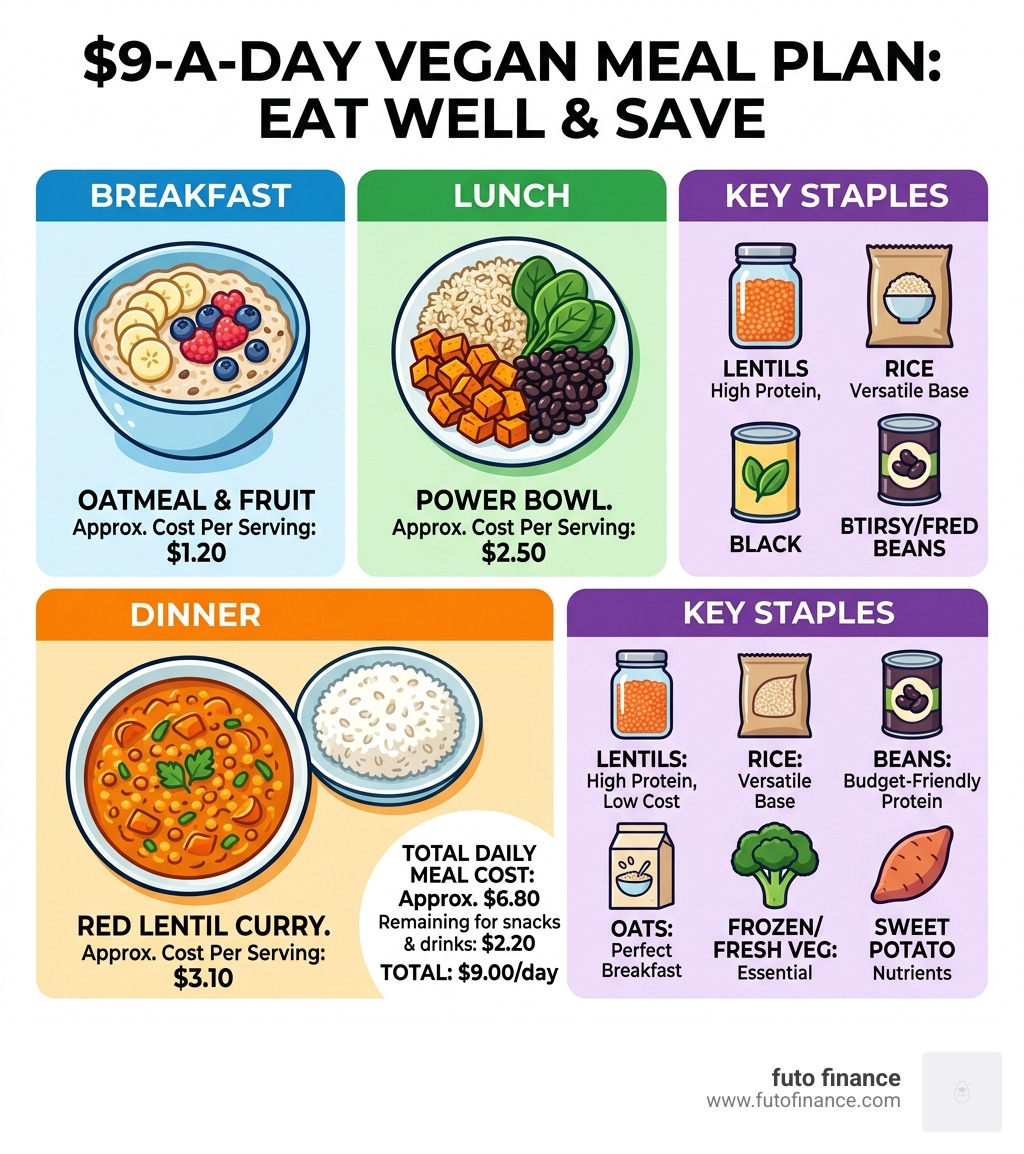
Plant-based proteins like lentils, chickpeas, and dried beans cost a fraction of meat or dairy. A full week of vegan meals for one person can come in at around $63, which works out to roughly $9 a day. Many individual meals land well under $1.50 per serving.
For a busy university student juggling lectures, deadlines, and a tight food budget, that’s a real game-changer.
This guide shows you exactly how to pull it off — with simple recipes, smart pantry choices, and zero fancy cooking skills required.
The Ultimate Guide to Easy Low Cost Vegan Living
As we navigate April 2026, the cost of living remains a top priority for most of us, especially in the student community. Living an easy low cost vegan lifestyle isn’t about deprivation; it’s about strategic shopping. The secret to eating like royalty without the royal treasury lies in your pantry and your produce choices.
The Power of Pantry Staples
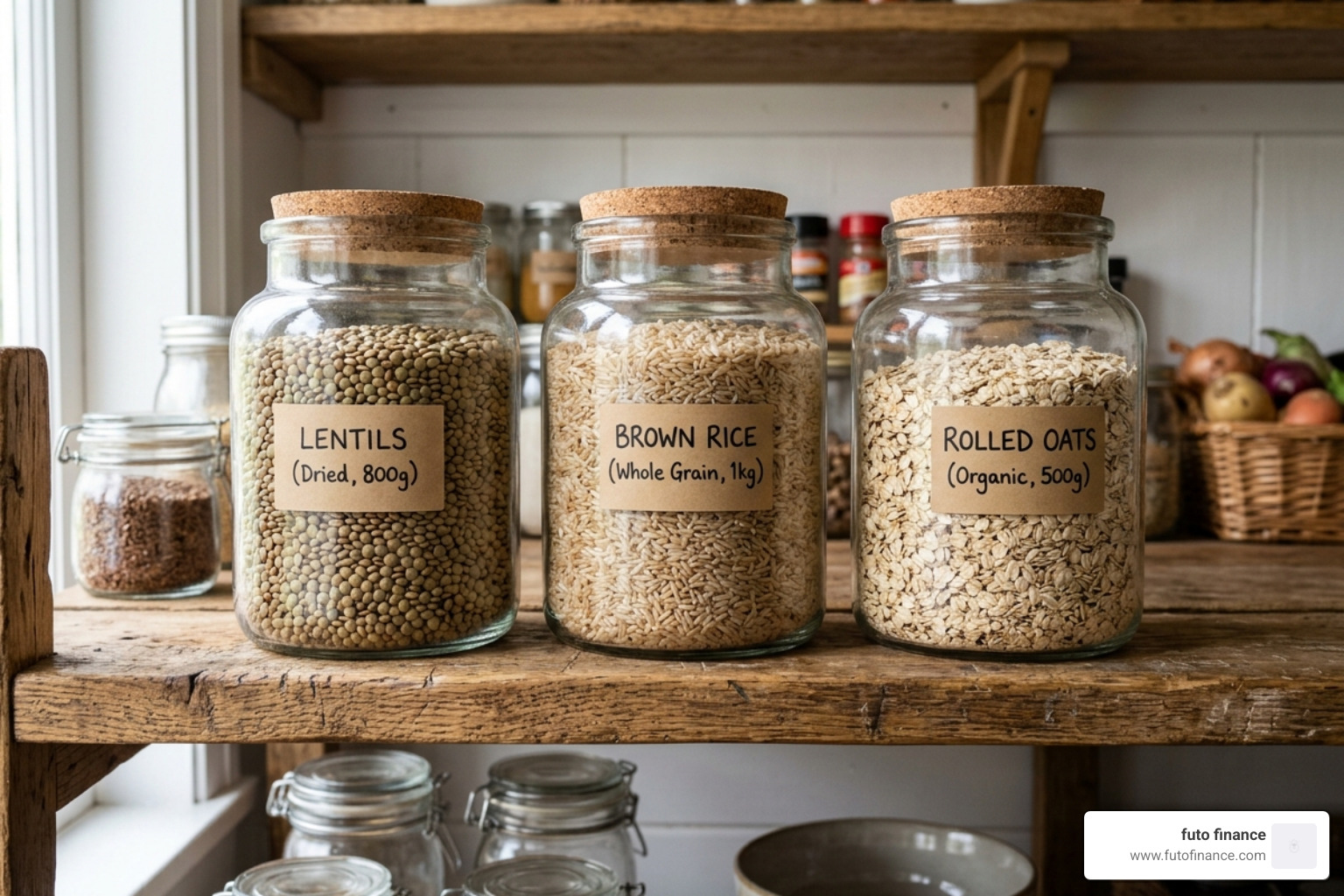
The foundation of any budget-friendly kitchen is a stock of dry goods. When we buy in bulk, we slash the unit price of our most essential calories.
- Lentils and Rice: These are the “power couple” of vegan nutrition. Brown rice provides complex carbohydrates, while lentils offer a massive protein punch.
- Oats: Not just for breakfast. Oats can be ground into flour for binders in burgers or used to thicken soups.
- Potatoes: Perhaps the most versatile budget ingredient ever discovered. Whether boiled, mashed, or roasted, they are filling and incredibly cheap.
- Canned Beans: While dried beans are the ultimate money-saver, canned chickpeas and black beans are essential for those “I need to eat in ten minutes” moments.
Seasonal and Frozen Produce
Fresh produce can be expensive if you’re buying strawberries in December. To keep costs down, we always look for what is in season. In April, look for root vegetables and hardy greens. However, don’t overlook the freezer aisle. Frozen vegetables are often frozen at peak ripeness, preserving their nutrients, and they won’t go bad in the back of your fridge.
According to scientific research on the benefits of plant-based fiber, a high-fiber diet is essential for weight control and digestive health. By focusing on these whole-food staples, we aren’t just saving money; we are fueling our bodies with the best possible nutrients.
Mastering Easy Low Cost Vegan Proteins
Protein is usually the biggest concern for newcomers, but in the plant world, it’s also the cheapest part of the plate.
- Chickpeas: These are the chameleons of the kitchen. You can mash them into a “tuna” salad, roast them for a crunchy snack, or simmer them into a rich curry.
- Lentils: Red lentils are perfect for creamy dahls because they break down quickly (in about 15-20 minutes). Green or brown lentils hold their shape, making them ideal for “meaty” stews or taco fillings.
- Tofu: While slightly more expensive than beans, tofu is still a bargain compared to animal proteins. The trick to making it taste amazing is browning it in a pan with a little soy sauce to get that savory “umami” flavor.
Pro-tip for Flavoring Legumes: To make these cheap proteins taste like a million bucks, we use these simple techniques:
- Bloom your spices: Toast your cumin, coriander, or turmeric in a little oil for 30 seconds before adding liquids. It releases the aromatic oils and deepens the flavor.
- Nutritional Yeast: This “nooch” adds a cheesy, nutty flavor for pennies per serving.
- Soy Sauce and Vinegar: A splash of acid or salt at the end of cooking can brighten a dull dish instantly.
Stretching Staples into Multiple Meals
Efficiency is the name of the game. We don’t just cook for one meal; we cook for three.
- Rice: A big pot of rice on Monday becomes a Buddha bowl base on Tuesday and fried rice on Wednesday.
- Potatoes: Roast a tray of potatoes to serve as a side for dinner, then toss the leftovers into a breakfast hash the next morning.
- Canned Goods: If a recipe calls for half a can of chickpeas, don’t let the rest sit in the fridge. Toss them into your next salad or mash them with some spices for a quick sandwich spread.
For more detailed guidance on balancing your macros while staying under budget, you can find more info about vegan nutrition on our main portal.
5-Ingredient Wonders and 15-Minute Meals
When you’re a student, time is a currency just as valuable as money. You don’t need a 20-item grocery list to make a satisfying meal.
Simplicity is Key
Some of our favorite easy low cost vegan meals require fewer ingredients than you have fingers on one hand:
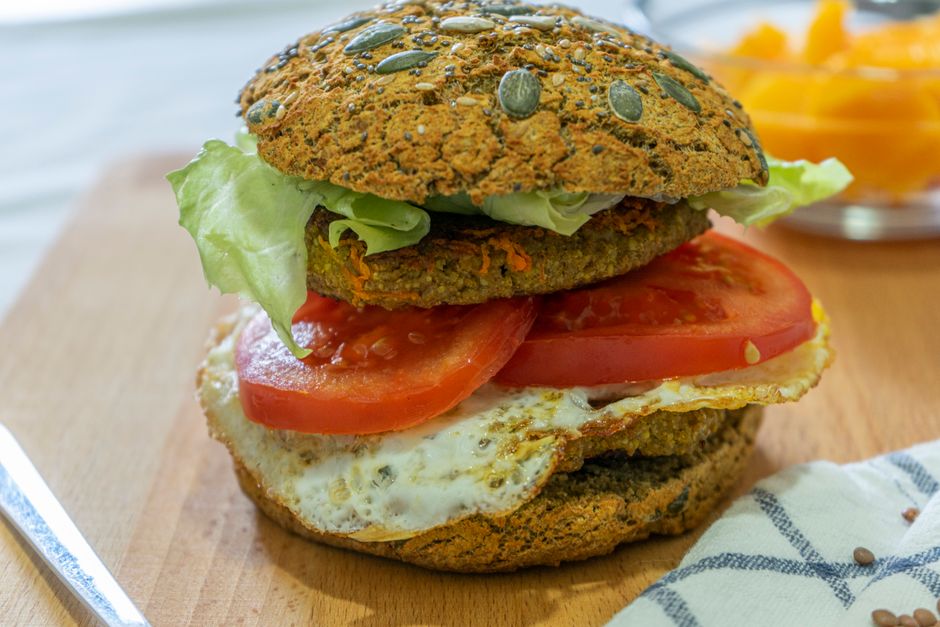
- 4-Ingredient Bean Burgers: Mash a can of kidney beans with oat flour, a splash of hot sauce, and a little pasta sauce. Form into patties and pan-fry. It takes 15 minutes and costs about $0.80 per burger.
- 3-Ingredient Pancakes: Mash a ripe banana, mix with oats and a splash of plant milk. Fry until golden.
- 5-Minute Pizza Sauce: Mix tomato paste, dried oregano, garlic powder, a pinch of sugar, and a splash of water. Use it on pita bread or toast for a “lazy” pizza.
Prep Time Comparison
To help you plan your busy week, here is a quick look at how long these staples actually take to prepare:
| Dish | Prep Time | Cook Time | Total Time |
|---|---|---|---|
| Bean Burgers | 10 min | 5 min | 15 min |
| Buddha Bowl | 10 min | 15 min | 25 min |
| Red Lentil Curry | 5 min | 20 min | 25 min |
| One-Pot Pasta | 5 min | 12 min | 17 min |
| Tofu Scramble | 5 min | 10 min | 15 min |
Quick One-Pot Dinners Under $2
One-pot cooking is the holy grail for students. It means less cleanup and more flavor, as everything simmers together.
The $1.50 Chickpea Curry By using a can of chickpeas, a can of diced tomatoes, and half a can of coconut milk, you can create a rich, creamy curry that tastes like takeout. We recommend adding a handful of spinach at the end for extra nutrients. This dish freezes beautifully, so we often double the recipe to have lunch ready for the rest of the week.
Red Lentil Savior Red lentils are the ultimate “fast food” of the vegan world. Unlike other legumes, they don’t need soaking and cook in under 25 minutes. A simple red lentil soup with onions, garlic, and ginger is incredibly warming and costs less than $1 per serving.
Easy Low Cost Vegan Meal Prep Hacks
If you fail to plan, you plan to… spend $15 on a mediocre vegan wrap at the campus cafe. We avoid this by using these simple hacks:
- Sunday Batch Cooking: Spend 90 minutes on Sunday roasting veggies, cooking a large grain (like quinoa or rice), and simmering a big pot of beans or soup.
- The Microwave is Your Friend: You can “bake” a potato in 5-7 minutes or steam frozen broccoli in 3 minutes. It’s a massive time-saver for meal assembly.
- Airtight Containers: Invest in a few good glass or BPA-free plastic containers. Keeping your components separate (grains in one, sauce in another) prevents things from getting soggy.
- Reheating Tip: When reheating rice or pasta, add a tiny splash of water before microwaving. It creates steam and prevents the grains from drying out.
Strategic Meal Planning for Under $10 a Day
Eating for under $10 a day requires a bit of strategy, but it’s far from impossible. In fact, many students find they can hit closer to $7 or $8 a day with a little practice.
The $63 Weekly Budget Breakdown
To hit that $9-a-day average, your shopping list should look something like this:
- Grains ($10): Large bag of rice, oats, and a box of pasta.
- Proteins ($15): Tofu, several cans of beans, and a bag of dry lentils.
- Produce ($20): Bananas, apples, onions, potatoes, carrots, and large bags of frozen spinach and mixed veg.
- Flavor/Pantry ($18): Peanut butter, soy sauce, a few spices, and plant milk.
Reducing Food Waste
Food waste is essentially throwing money in the trash. We reduce waste by:
- Using “Ugly” Veggies: That slightly soft carrot is perfect for a soup or stew.
- Leftover Transformation: Last night’s roasted cauliflower becomes today’s taco filling with a little taco seasoning.
- Freezing Bread: If you won’t finish a loaf of bread in three days, freeze it and toast slices as needed.
Scientific research on meal planning shows that people who plan their meals in advance are significantly less likely to overspend and more likely to consume a wider variety of nutrients. By knowing what you’re eating for lunch before you even wake up, you remove the “decision fatigue” that leads to expensive takeout.
Smart Substitutions to Slash Your Grocery Bill
You don’t need “specialty” vegan products to eat well. In fact, skipping the “luxury” items like pre-made vegan cheeses and mock meats is the fastest way to lower your bill.
Budget-Friendly Swaps
- Sweeteners: Maple syrup is delicious but pricey. Agave nectar is often cheaper, or you can make a simple syrup at home with sugar and water.
- Nuts and Seeds: Pine nuts and cashews are expensive. For crunch, use sunflower seeds or pumpkin seeds. For creaminess in sauces, sunflower seeds (soaked and blended) work surprisingly well.
- Breadcrumbs: Don’t buy them! Simply toast the ends of your bread loaves until they are very dry and crush them.
- Oil: You don’t need fancy avocado oil. A large bottle of vegetable or canola oil handles almost all cooking needs for a fraction of the price.
Allergen-Friendly and Soy-Free Tips
If you have allergies, budget veganism is still possible:
- Soy-Free: Focus on chickpeas, lentils, and peas for protein. Use coconut aminos instead of soy sauce (though it’s pricier, a little goes a long way) or simply use extra salt and a dash of balsamic vinegar for that dark, savory hit.
- Nut-Free: Use seeds (sunflower, sesame, or pumpkin) for fats and textures.
- Gluten-Free: Rice, potatoes, and corn are your best friends. Oats are also great, just ensure they are certified gluten-free if you are highly sensitive.
Frequently Asked Questions about Affordable Veganism
How do I make cheap vegan meals taste better?
The secret is “The Big Four”: Salt, Acid, Fat, and Heat. If a dish tastes flat, it usually needs a squeeze of lemon (Acid), a pinch more salt, a drizzle of oil (Fat), or a dash of hot sauce (Heat). Also, never underestimate the power of browning your vegetables and proteins; that caramelization adds deep flavor that raw ingredients lack.
Can I really eat vegan for under $2 per meal?
Absolutely. A serving of lentil soup or a bean burrito typically costs between $0.80 and $1.20. The key is avoiding processed “fake meats” and focusing on whole foods like legumes and grains.
What are the best soy-free budget vegan proteins?
Lentils and chickpeas are the gold standard. They are soy-free, extremely cheap, and packed with both protein and fiber. Quinoa is also a complete protein, though it is slightly more expensive than rice.
Conclusion
At Futo Finance, we believe that being a student shouldn’t mean sacrificing your health or your ethics for your bank account. As we move through 2026, the easy low cost vegan lifestyle is more than just a trend—it’s a sustainable way to live well on a budget.
By focusing on pantry staples, mastering a few 15-minute recipes, and planning your week with intention, you can eat like a king while keeping your peasant budget intact. You don’t need a gourmet kitchen or a massive paycheck; you just need a bag of lentils and a little bit of creativity.
Ready to transform your kitchen? Start your budget vegan journey today and discover how delicious affordability can be.

Melo Rodrigues is the founder of Futo Finance and a specialist in student-budget veganism. Having mastered the art of plant-based cooking in a university setting, Melo is dedicated to helping students achieve nutritional excellence without financial strain. Through Futo Finance, Melo shares lab-tested strategies for eating smart and living sustainably on a budget.
