
PCOS and a Vegan Diet: A Comprehensive Guide to Metabolic Stability
What You Need to Know About PCOS and a Vegan Diet
A PCOS and vegan diet can be a powerful tool for managing symptoms like insulin resistance, irregular cycles, and inflammation — but only when structured correctly.
Here’s a quick summary of what the research shows:
| Key Question | Short Answer |
|---|---|
| Can a vegan diet help PCOS? | Yes — especially by improving insulin sensitivity and reducing inflammation |
| Does it work for weight management? | Yes — high-fiber plant foods support healthy weight with fewer calories |
| Will it reverse PCOS? | No, but symptoms can improve significantly with the right approach |
| Are supplements needed? | Yes — B12, Vitamin D, and algae-based omega-3s are essential |
| Is it affordable for students? | Yes — legumes, oats, and frozen veg are among the cheapest foods available |
PCOS affects up to 1 in 10 women of reproductive age. That’s millions of people dealing with symptoms like fatigue, acne, weight gain, and unpredictable periods — often with little guidance beyond “eat better and lose weight.”
The truth is more nuanced than that.
Diet does matter enormously in PCOS. Up to 85% of women with PCOS have insulin resistance, which drives many of the condition’s most frustrating symptoms. What you eat directly affects how your body handles blood sugar, produces hormones, and manages inflammation.
A vegan diet — when built around whole foods rather than processed alternatives — targets several of these root causes at once. But it’s not a magic fix, and a poorly planned plant-based diet can actually make things worse.
This guide breaks down exactly what the science says, what to eat, what to supplement, and how to make it work on a student budget in 2026.
Understanding PCOS and the Role of Insulin Resistance
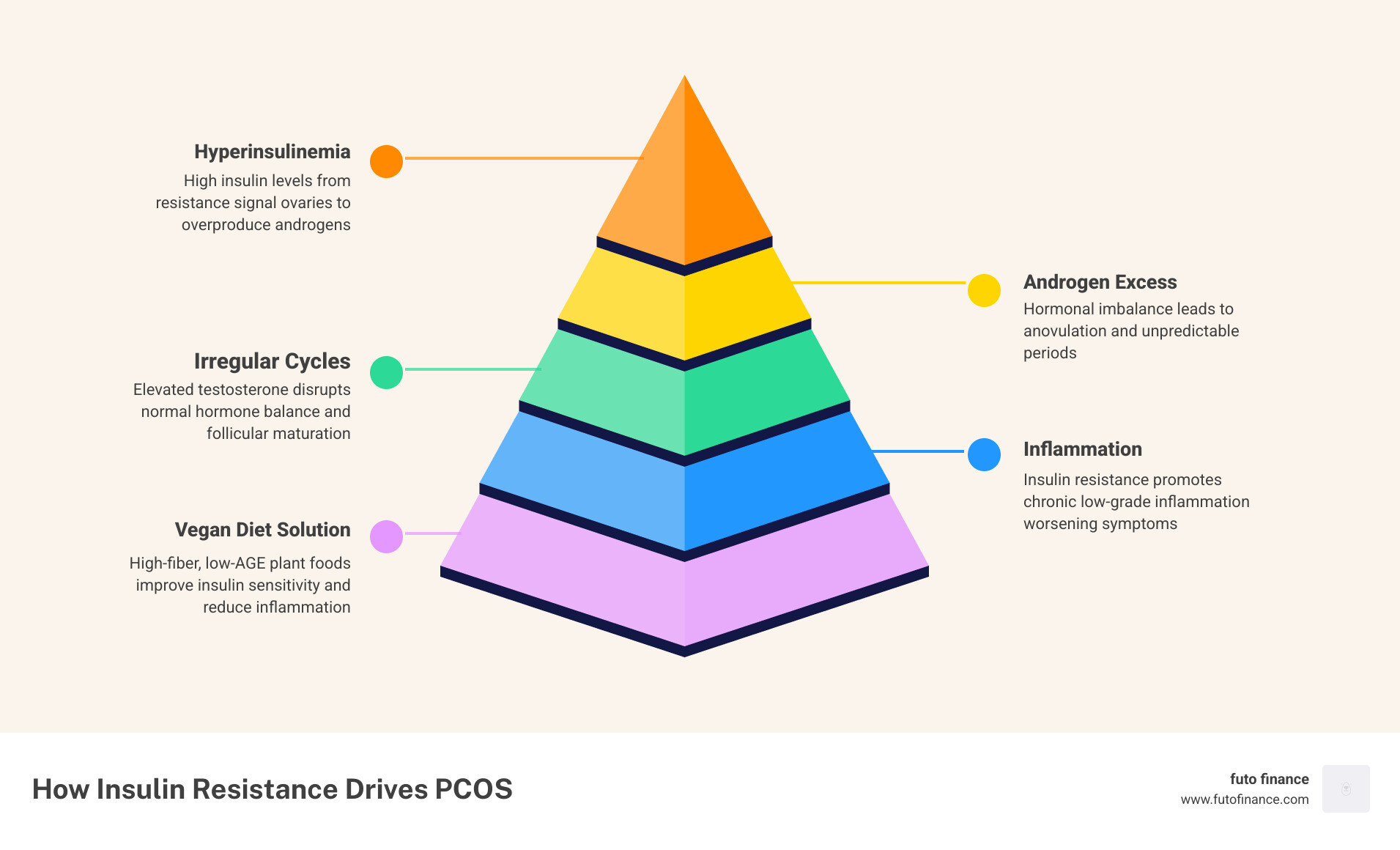
To understand why a pcos and vegan diet works, we first need to look at what is happening inside the body. Polycystic Ovarian Syndrome is an endocrine disorder characterized by an excess of androgens (male sex hormones).
The “hidden culprit” for most of us is hyperinsulinemia — having too much insulin in the blood. When our cells become resistant to insulin, the pancreas pumps out more to compensate. These high insulin levels tell the ovaries to produce extra testosterone. This hormonal “static” interferes with follicular development, which is why we might see irregular periods or multiple small cysts on the ovaries.
Research shows that a well-planned vegan diet can improve insulin sensitivity by 28-43% over just 12-16 weeks. By lowering the insulin “noise,” we allow our hormones to find their natural rhythm.
| Marker | Vegan Diet (16 weeks) | Omnivore Diet (16 weeks) |
|---|---|---|
| Insulin Sensitivity | 43% Improvement | 10-15% Improvement |
| Testosterone | 12-20% Reduction | 5-8% Reduction |
| Weight Loss | 5-10% (Sustained) | 3-5% (Variable) |
The Science Behind a PCOS and Vegan Diet
Science suggests that the benefits of going plant-based go far beyond just weight loss. One of the most fascinating areas of research involves Advanced Glycation End products (AGEs). These are pro-inflammatory compounds that build up in the body and contribute to ovarian dysfunction. A low-fat, plant-based diet has been shown to reduce dietary AGEs by a staggering 73%.
Then there is the fiber factor. Most people eating a standard diet get about 15-20g of fiber a day. On a pcos and vegan diet, we aim for a 40g daily target. Fiber is our best friend for several reasons:
- It slows down glucose absorption, reducing post-meal blood sugar spikes by up to 35%.
- It binds to excess estrogen in the digestive tract, helping the body excrete it rather than reabsorbing it.
- It feeds a diverse gut microbiome, which is linked to lower levels of C-reactive protein (a marker of inflammation).
Furthermore, plant-based diets are associated with lower levels of IGF-1 (Insulin-Like Growth Factor-1). High IGF-1 can worsen PCOS symptoms, so keeping these levels in check through plant proteins like lentils and beans is a huge win for our metabolic health. Check out more on this at PCOS and vegan diet: is plant based better?.
Structuring Your Plant-Based Plate for Success
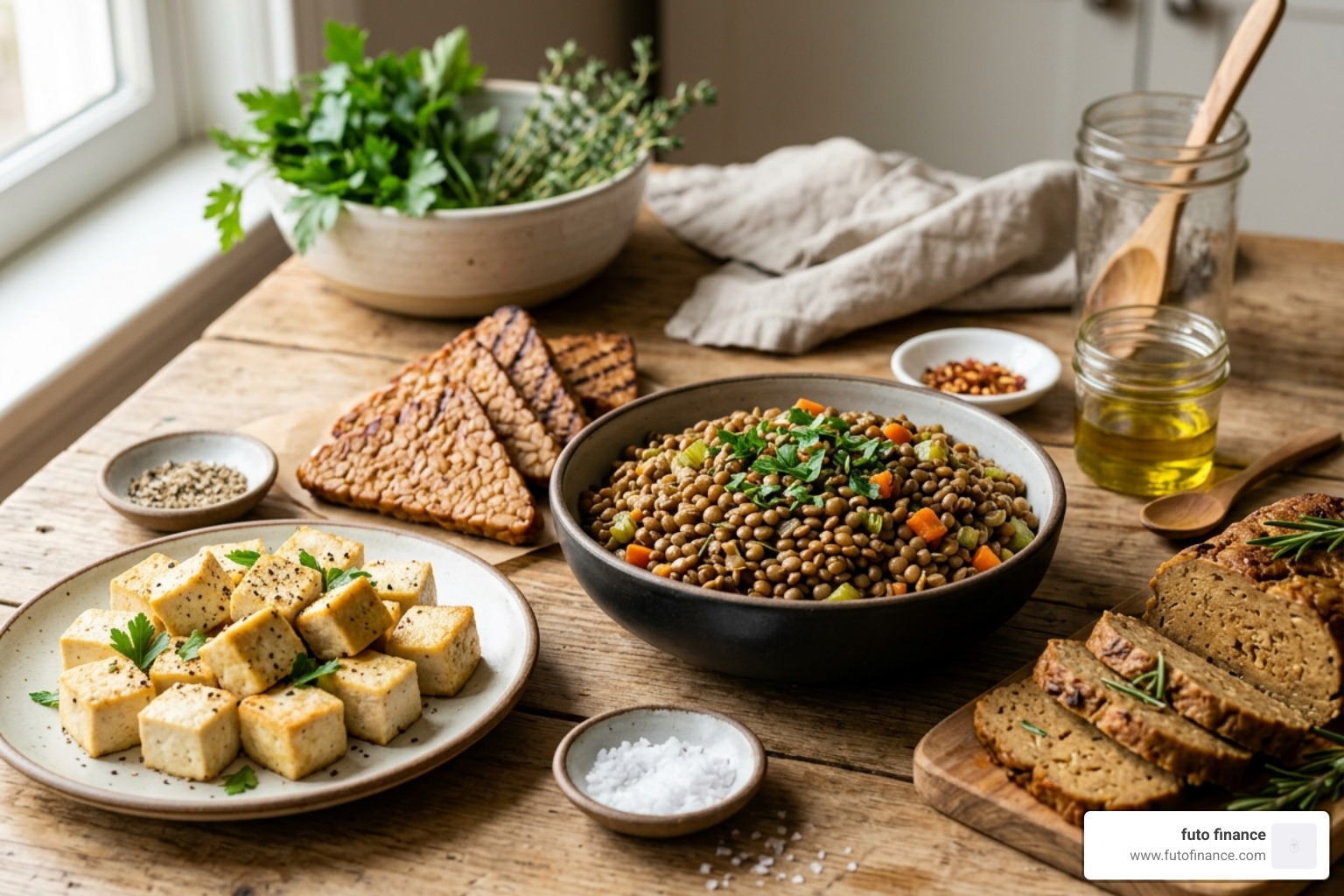
The biggest mistake we see students make is the “Pasta and Oreos” trap. Yes, they are vegan, but they won’t help your PCOS! To achieve metabolic stability, we need to be intentional about our plate structure.
1. Prioritize Low-Glycemic Index (GI) Foods Focus on foods that digest slowly. Think lentils (GI 32), chickpeas (GI 28), and steel-cut oats (GI 42). These provide a steady stream of energy rather than a blood sugar roller coaster.
2. Hit Your Protein Targets We often hear that vegans don’t get enough protein, but that’s a myth we’re happy to bust. For PCOS, we recommend 1.2-1.6g of protein per kilogram of body weight. For a 70kg (154lb) person, that’s about 84-112g of protein daily.
- Seitan: 75g protein per cup
- Tempeh: 31g protein per cup
- Tofu: 20g protein per cup
- Lentils: 18g protein per cup
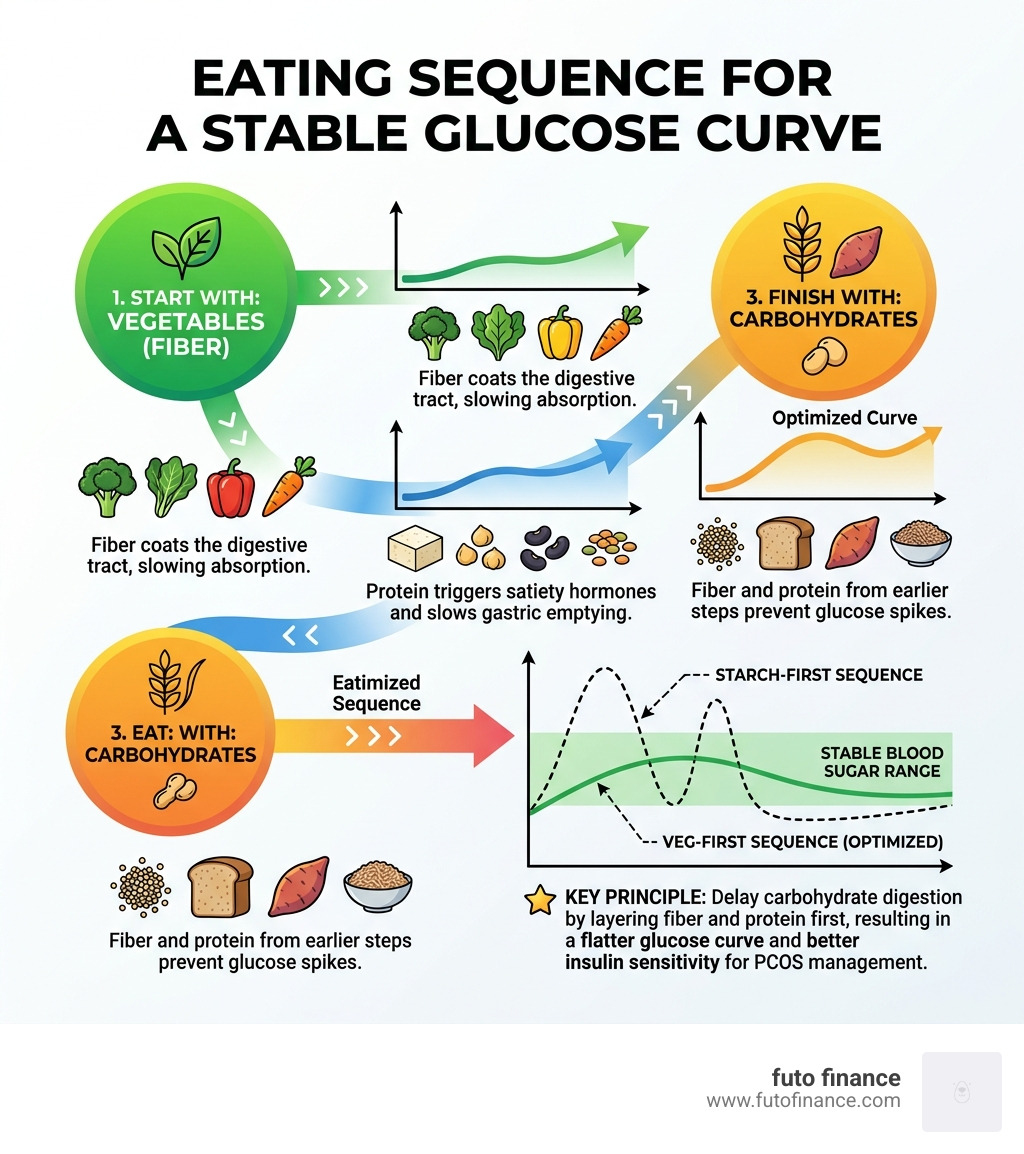
3. Use the Food Sequencing Strategy This is a game-changer for blood sugar. Eat your non-starchy vegetables first (fiber), then your protein and fats, and save your carbohydrates for the end of the meal. This sequence can reduce post-meal glucose spikes by 35-45%.
4. The Soy Question Is soy safe? Absolutely. Whole soy foods like tofu and tempeh contain isoflavones that act as selective estrogen receptor modulators. They are actually 100-1,000 times weaker than human estrogen and have been shown to help reduce testosterone levels and improve metabolic markers in women with PCOS.
Essential Nutrients in a PCOS and Vegan Diet
While a plant-based diet is nutrient-dense, there are a few “VIP” nutrients we need to track:
- Vitamin B12: This is non-negotiable. Interestingly, 90% of B12 supplements produced globally are actually fed to livestock. Skipping the “middleman” (the animal) and taking a direct supplement (500-1,000mcg daily) is the most efficient way to stay healthy.
- Vitamin D: Between 67-85% of women with PCOS are deficient in Vitamin D. Since it acts more like a hormone than a vitamin, low levels can worsen insulin resistance. We recommend 2,000-5,000 IU daily, especially during winter months.
- Omega-3s: Since we aren’t eating fish, we need an algae-based DHA/EPA supplement. While flax and chia are great, the conversion rate to the usable forms of omega-3 is only about 2-10%.
- Iron and Zinc: Plant-based (non-heme) iron isn’t absorbed as easily as animal-based iron. Pro tip: pair your lentils with a source of Vitamin C (like a squeeze of lemon or bell peppers) to boost absorption!
Budget-Friendly Meal Planning for Students
At Futo Finance, we know that being a student usually means living on a budget. The good news? A pcos and vegan diet is actually one of the most affordable ways to eat. Staple proteins like dried beans and lentils cost 50-75% less than meat.
Here are our top student hacks:
- Bulk Legumes: Buy dried chickpeas and lentils in 2kg bags. They last forever and cost pennies per serving.
- Frozen Greens: Frozen spinach and kale are just as nutritious as fresh but won’t go slimy in the back of your fridge before you can use them.
- Dorm-Friendly Cooking: If you only have a microwave or a single hob, focus on “one-pot” meals like chickpea stews or microwaveable quinoa bowls.
- Batch Prepping: Spend 2 hours on a Sunday cooking a big batch of brown rice, roasting some tofu, and making a lentil chili. This prevents the “I’m starving and there’s nothing to eat” takeout emergencies.
Practical Implementation and Supplementation
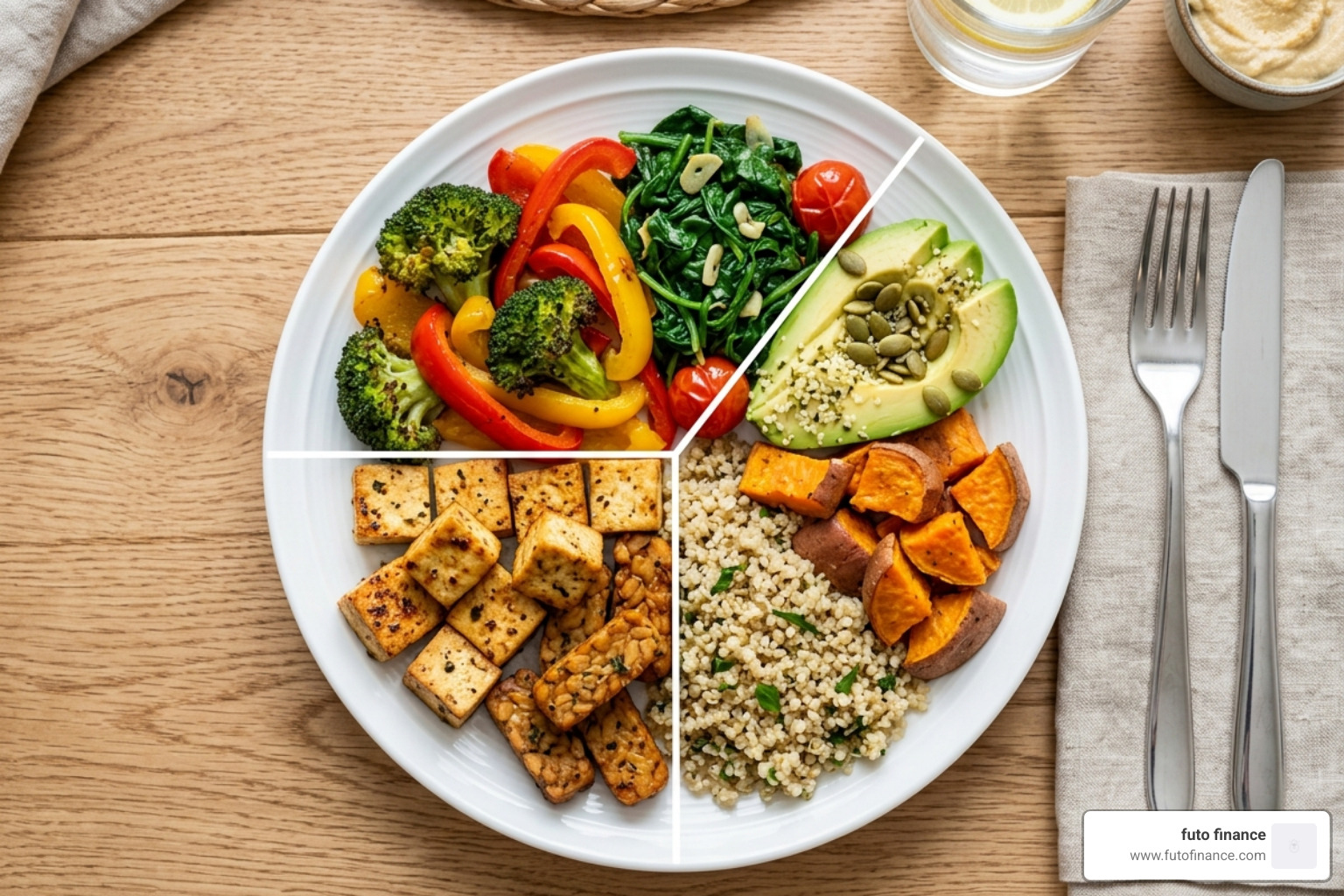
To make this sustainable, use the “Plate Method.” Fill 40% of your plate with non-starchy veggies (broccoli, peppers, spinach), 25% with high-quality plant protein (tofu, tempeh), 20% with whole grains or starchy veg (sweet potato, quinoa), and 15% with healthy fats (avocado, seeds).
When it comes to supplements, two stand out for PCOS:
- Myo-inositol: This is one of the most researched supplements for PCOS. A 4000mg daily dosage can significantly improve insulin signaling and may help restore ovulation.
- Chromium: Often found in supplements like Myoplus, 100-200µg of chromium helps insulin do its job more effectively.
A Sample Day of Eating for a PCOS and Vegan Diet
What does this look like in real life? Here is a typical day of eating designed for metabolic stability:
- Breakfast: Tofu scramble with nutritional yeast, turmeric, and sautéed spinach. Serve with half an avocado. (High protein, high fiber, low GI).
- Lunch: A big lentil salad with cucumber, tomatoes, parsley, and a lemon-tahini dressing. The tahini provides healthy fats to keep you full until dinner.
- Snack: A handful of pumpkin seeds (great for zinc!) or an apple with almond butter.
- Dinner: A quinoa burrito bowl with black beans, sautéed peppers, onions, and plenty of salsa.
- April 2026 Trend Tip: Try “seed cycling” by adding flax and pumpkin seeds in the first half of your cycle, and sunflower and sesame seeds in the second half to support hormone clearance.
Frequently Asked Questions about PCOS and Veganism
Is a vegan diet the best for reversing PCOS?
While we can’t “reverse” or cure the underlying genetic tendency of PCOS, a vegan diet is incredibly effective at managing the symptoms. Many of us see more regular cycles and significant improvements in skin and energy levels within 3 months. Even losing just 5-10% of body weight (if you are in a higher weight category) can be the “tipping point” that restores regular menses and lowers androgen levels.
Is soy safe for women with PCOS?
Yes! As we mentioned earlier, whole soy foods are beneficial. They help lower LDL cholesterol and can even reduce total testosterone by 15-20%. The key is to stick to minimally processed versions like edamame and tofu rather than highly processed soy isolates found in some “fake meats.”
Do I need supplements on a vegan PCOS diet?
In almost all cases, yes. At a minimum, you need B12 and Vitamin D. Most women with PCOS also benefit from an algae-based omega-3 and myo-inositol. We always recommend getting blood work done every 6-12 months to check your iron, B12, and Vitamin D levels so you can adjust your plan with a professional.
Conclusion
Achieving metabolic stability doesn’t have to be expensive or complicated. By choosing a pcos and vegan diet focused on whole foods, high fiber, and strategic protein, you are giving your body the tools it needs to rebalance itself naturally.
It’s not about being “perfect” or restrictive; it’s about being intentional. Whether you’re cooking in a dorm or a shared kitchen, focus on those bulk legumes and frozen veggies to keep things affordable.
Ready to start your journey? Discover affordable vegan recipes and student guides to help you master plant-based living without breaking the bank. Your hormones (and your wallet) will thank you!

Melo Rodrigues is the founder of Futo Finance and a specialist in student-budget veganism. Having mastered the art of plant-based cooking in a university setting, Melo is dedicated to helping students achieve nutritional excellence without financial strain. Through Futo Finance, Melo shares lab-tested strategies for eating smart and living sustainably on a budget.
