
The Ultimate Plant Based Mass Gainer Protein Guide
Why Plant Based Protein Powder for Weight Gain Is a Smart Move for Students
Plant based protein powder for weight gain is one of the most practical tools for vegan students who need more calories and muscle — without breaking the bank or spending hours in the kitchen.
Here are the top plant-based protein powders for weight gain to know about:
| Product | Calories/Serving | Protein/Serving | Best For |
|---|---|---|---|
| Naked Vegan Mass | ~1,230 cal | 50g | Maximum calorie surplus |
| VEGAIN Plant-Based Mass Gainer | 677 cal | 68g | High protein, lean gains |
| Vega Protein + Creatine | ~160 cal | 30g | Muscle building + recovery |
| Swolverine Plant Protein | ~150 cal | 25g | Clean, multi-source blend |
| Orgain Organic Protein | 150 cal | 21g | Budget-friendly daily use |
| Iron Vegan Athlete’s Gainer | ~500 cal | 42g | Mid-range calorie boost |
Gaining weight on a plant-based diet is absolutely possible — but it takes more than just eating more salad. The challenge is hitting a consistent calorie surplus, which is tough when you’re juggling lectures, a tight budget, and a tiny dorm kitchen.
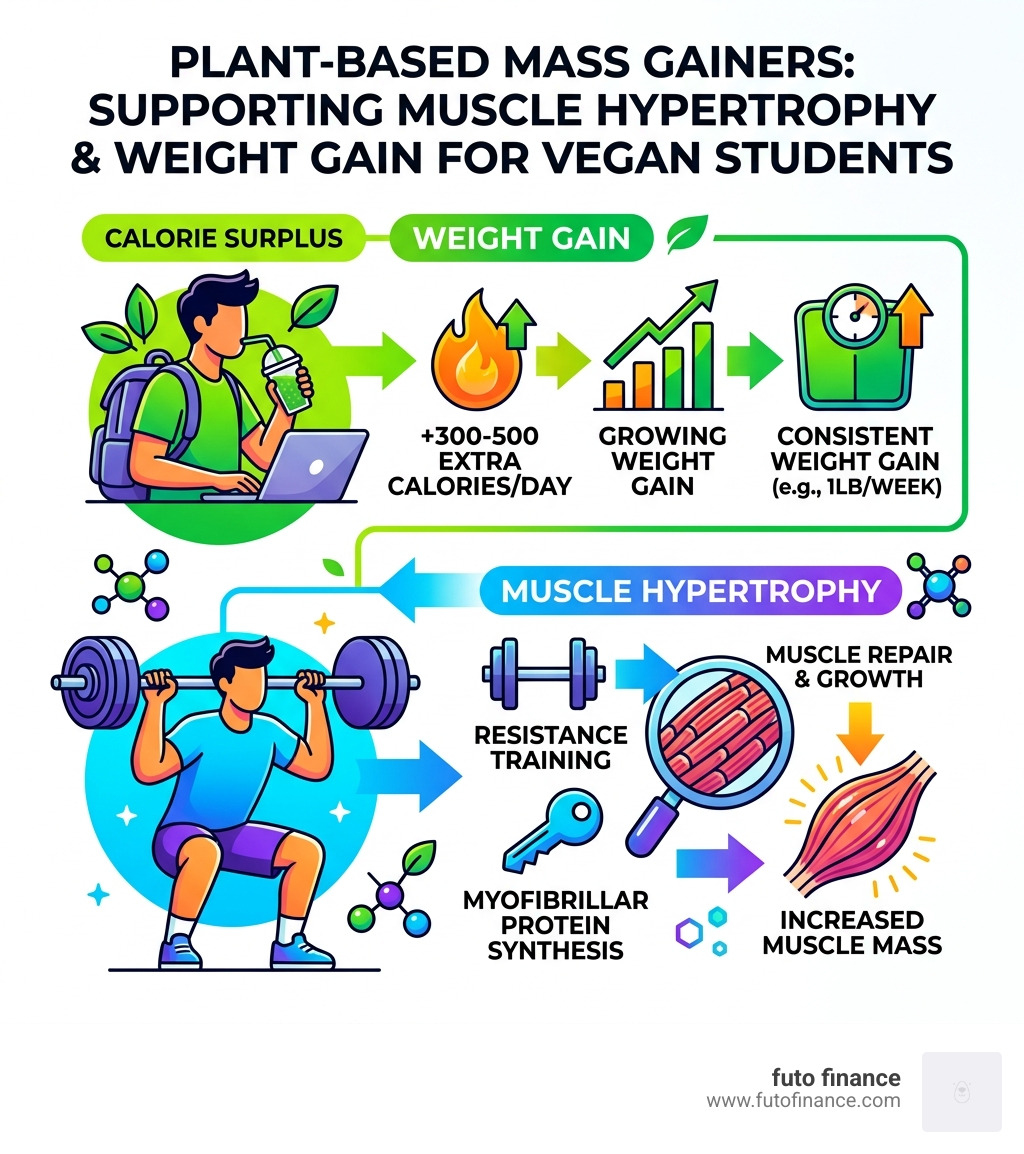
That’s exactly where a good plant-based mass gainer earns its place. Research suggests adding just 300 to 500 extra calories per day — combined with resistance training — can realistically produce around one pound of lean mass per week.
This guide breaks down the best options, what to look for, and how to use them without overcomplicating your routine.
Understanding Plant Based Protein Powder for Weight Gain
When we talk about plant based protein powder for weight gain, we aren’t just talking about your standard post-yoga protein shake. We are looking at “mass gainers”—supplements specifically engineered to pack a massive caloric punch alongside high-quality protein.
Unlike standard powders that might offer 100–150 calories per scoop, a true mass gainer can range from 500 to over 1,200 calories per serving. They achieve this by blending plant proteins with complex carbohydrates and healthy fats. For those of us on a student budget, this is like a “meal in a bottle” that helps us hit our macros when we’re too busy to cook a four-course vegan feast.
The Science of the Surplus
To gain weight, your body needs more energy than it burns. It’s a simple math equation, but the quality of those calories determines whether you’re gaining lean muscle or just feeling sluggish. High-quality vegan gainers use a specific macronutrient ratio—usually high in clean carbohydrates to fuel workouts and protein to repair muscle tissue.
Key Plant Protein Sources
In 2026, the variety of plant proteins available is better than ever. We no longer have to settle for gritty, chalky shakes. Here are the heavy hitters you’ll find in the best plant based protein powder for weight gain:
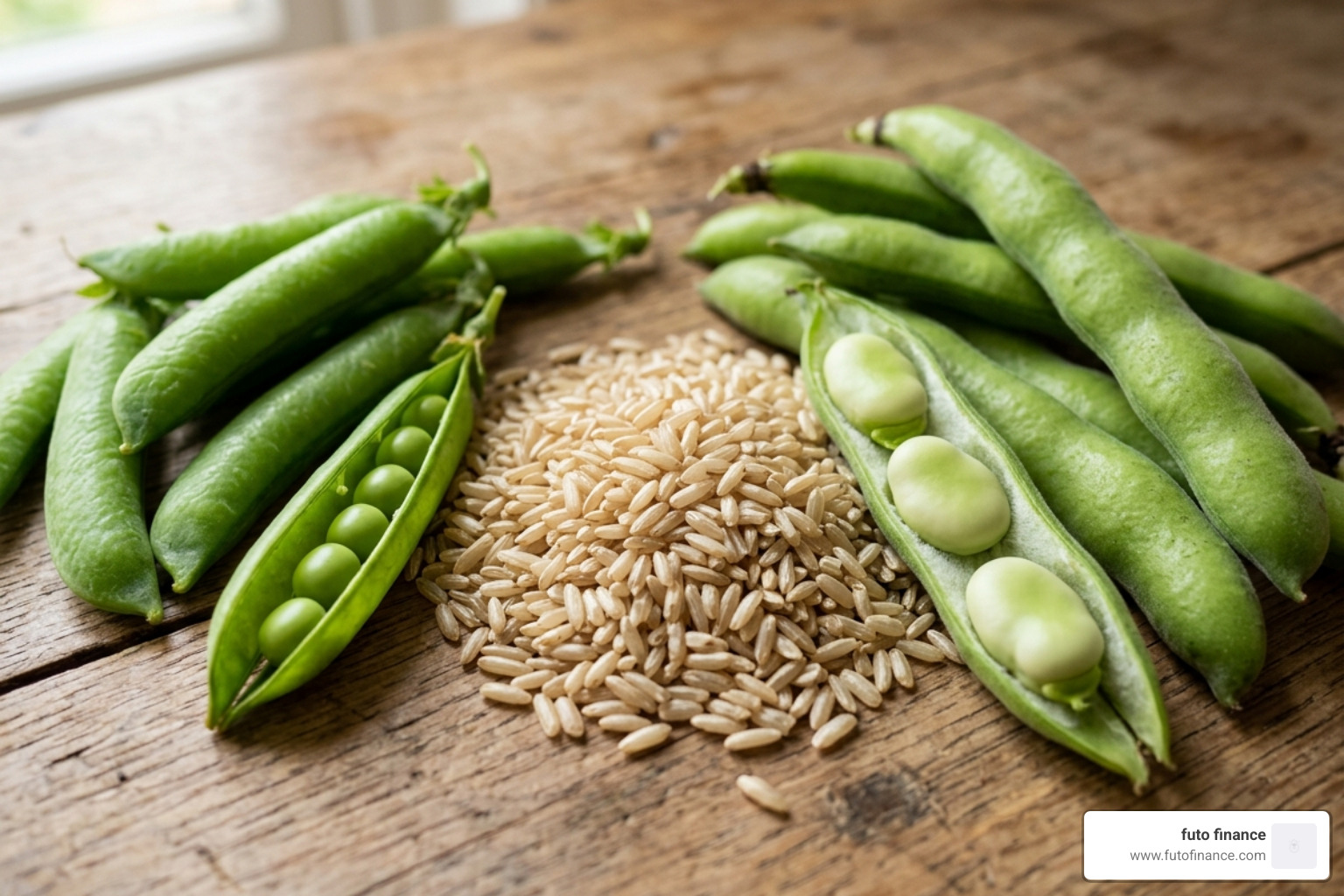
- Pea Protein: A staple for a reason. It’s rich in BCAAs (branched-chain amino acids) and is highly digestible.
- Brown Rice Protein: Often paired with pea protein to create a “complete” amino acid profile, ensuring you get all nine essential amino acids your body can’t make on its own.
- Fava Bean: A rising star in the vegan world because of its smooth texture and high protein density.
- Chocho Protein: Derived from an Andean lupin, chocho is naturally lectin-free and provides a complete protein source that is incredibly easy on the stomach.
Choosing the Best Plant Based Protein Powder for Weight Gain
With so many flashy tubs on the shelf, how do we choose the right one? As students, we want value, but we also want to make sure we aren’t putting “mystery fillers” into our bodies.
Third-Party Testing and Transparency
We always recommend looking for products that undergo third-party testing. Organizations like NSF International, Informed Choice, and Eurofins test supplements to ensure that what’s on the label is actually in the tub. This is especially important for avoiding heavy metals or banned substances if you’re a student-athlete.
Clean Ingredients vs. Additives
The “Naked Difference” is a real concept in the industry. Some mass gainers contain 10 or more unnatural additives, artificial sweeteners like sucralose, or thickeners that can cause bloating. High-quality options like Chocolate Vegan Mass Gainer Supplement | Naked Vegan Mass – 8LB use minimal ingredients—think pea protein, rice protein, and organic maltodextrin.
Sweeteners and Flavors
If you have a sensitive stomach, be wary of sugar alcohols (like erythritol) or excessive stevia. While they keep calories low, they don’t help with the weight-gain goal and can cause digestive “surprises” during a long lecture. For weight gain, natural sugars like organic coconut sugar or the complex carbs found in Vegan Plant-Based Mass Gainer Natural 6.6lbs (3kg) by VEGAIN are often better for sustained energy.
Nutritional Strategies with Plant Based Protein Powder for Weight Gain
Drinking a shake is step one. Step two is having a strategy. If you just drink mass gainers without a plan, you might just end up feeling full without seeing the results you want.
The 300-500 Calorie Rule
Research shows that a surplus of 300 to 500 calories per day is the “sweet spot” for gaining lean mass. This avoids excessive fat gain while providing enough fuel for muscle synthesis. If you’re a “hard gainer” (someone who struggles to keep weight on), you might even aim for the higher end of that range.
Resistance Training: The Essential Partner
You can’t drink your way to a six-pack or broader shoulders. To ensure those extra calories go toward muscle hypertrophy, you need to hit the gym. Lifting weights or doing bodyweight resistance training signals your body to use the protein from your plant based protein powder for weight gain to repair and grow muscle fibers.
Healthy Fats and MCTs
Don’t fear the fat! Healthy fats are calorie-dense (9 calories per gram vs. 4 for protein/carbs). Look for powders that include MCT oil (medium-chain triglycerides) or flaxseed. These provide “slow-burn” energy and help make the shake creamier. Swolverine Plant Protein | Vegan Plant-Based Protein Powder actually includes functional fats like olive oil and MCTs to help with satiety and texture.
Student Budget Tips
Let’s be real: mass gainers can be pricey. To make your tub last longer, we suggest using a half-serving of the expensive powder and “bulking it up” with cheap kitchen staples:
- Oats: Blend them into your shake for extra complex carbs.
- Peanut Butter: A massive calorie booster for pennies.
- Bananas: Great for flavor and potassium.
What to Look for in Top-Rated Vegan Mass Gainers
Not all gainers are created equal. Depending on your goals, you might want a “Heavyweight” or a “Lean” gainer.
The “Heavyweight” Gainers
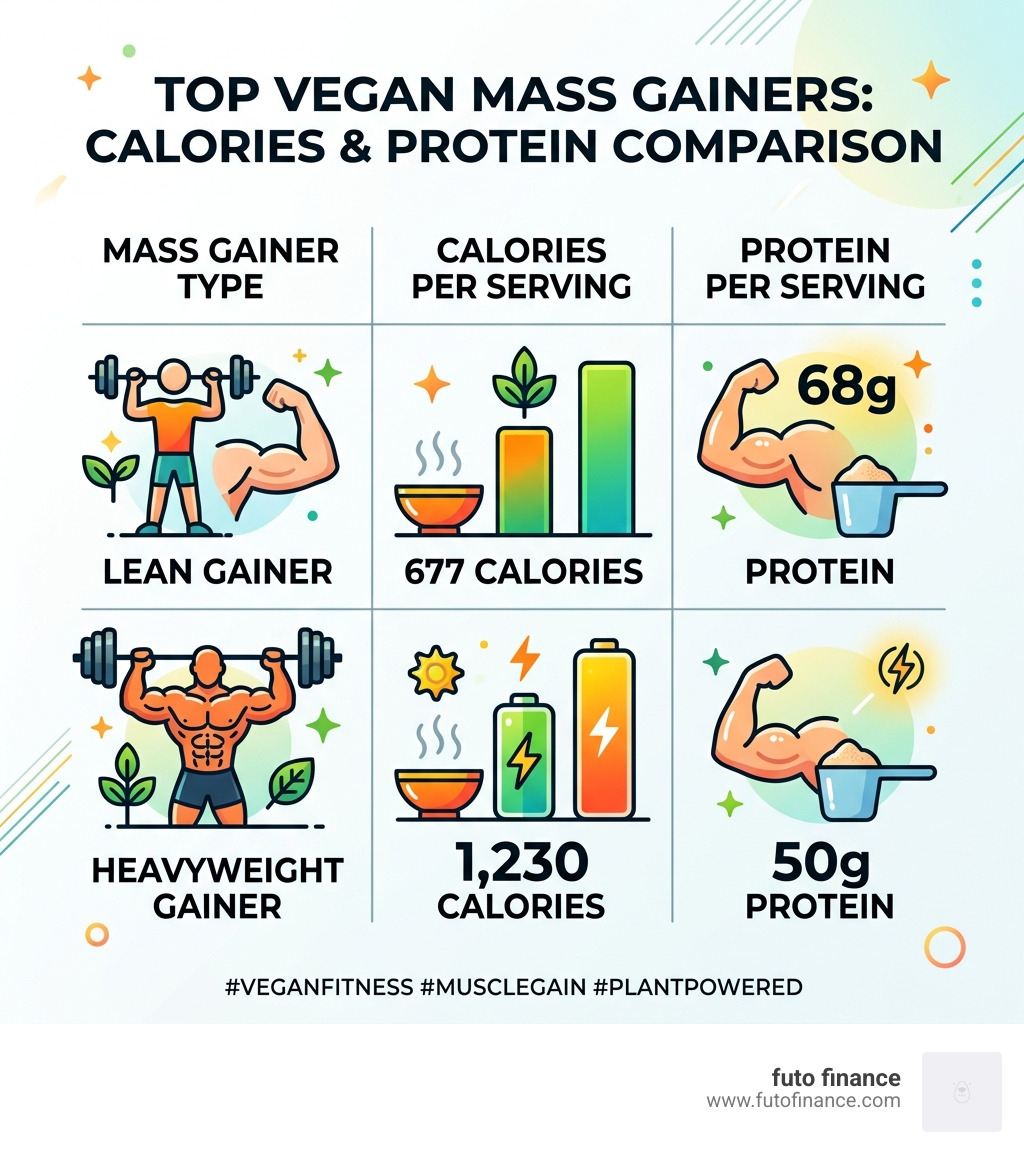
These are for the serious bulkers. We’re talking about products like Naked Mass, which delivers a whopping 1,230 calories and 50g of protein per serving. These are ideal if you have a very high metabolism or struggle to eat enough solid food during the day.
The “Lean” Gainers
If you want to gain weight more gradually or focus specifically on muscle recovery, a “lean” gainer is better. VEGAIN Plant-Based Mass Gainer is a fantastic example, offering 677 calories and 68g of protein. It has a higher protein-to-carb ratio, which is great for building muscle without as much total caloric “overhead.”
The Importance of BCAAs and Creatine
For peak performance, some powders add “extras.” BCAAs (Leucine, Isoleucine, and Valine) are critical for triggering muscle protein synthesis. Some premium options, like Vega® Performance Protein + Creatine for Peak Workouts & Recovery – Vega (US) , include creatine monohydrate. Creatine is one of the most researched supplements in the world; it helps your muscles produce energy during heavy lifting, which indirectly leads to more weight gain through better workouts.
How to Use Mass Gainers for Optimal Results
Timing and preparation can make a huge difference in how you feel and how you grow.
Meal Timing
While you can drink a mass gainer anytime, there are two optimal windows:
- Post-Workout: This is when your muscles are “primed” to soak up nutrients. The fast-acting carbs in a gainer help replenish glycogen, while the protein starts the repair process.
- Between Meals: If you find yourself getting hungry (or “hangry”) between a 10 AM lecture and a 2 PM lab, a half-serving of mass gainer can keep your body in an anabolic (muscle-building) state.
The “Anti-Bloat” Prep
One downside of high-calorie shakes is the dreaded “protein bloat.” To avoid this, look for powders that include digestive enzymes (like protease or amylase) and probiotics. Vega® Performance Protein + Recovery – Premium Protein – Vega (US) includes 2 billion CFU of probiotics to help your gut handle the extra nutrient load.
Student-Friendly Smoothie Recipe
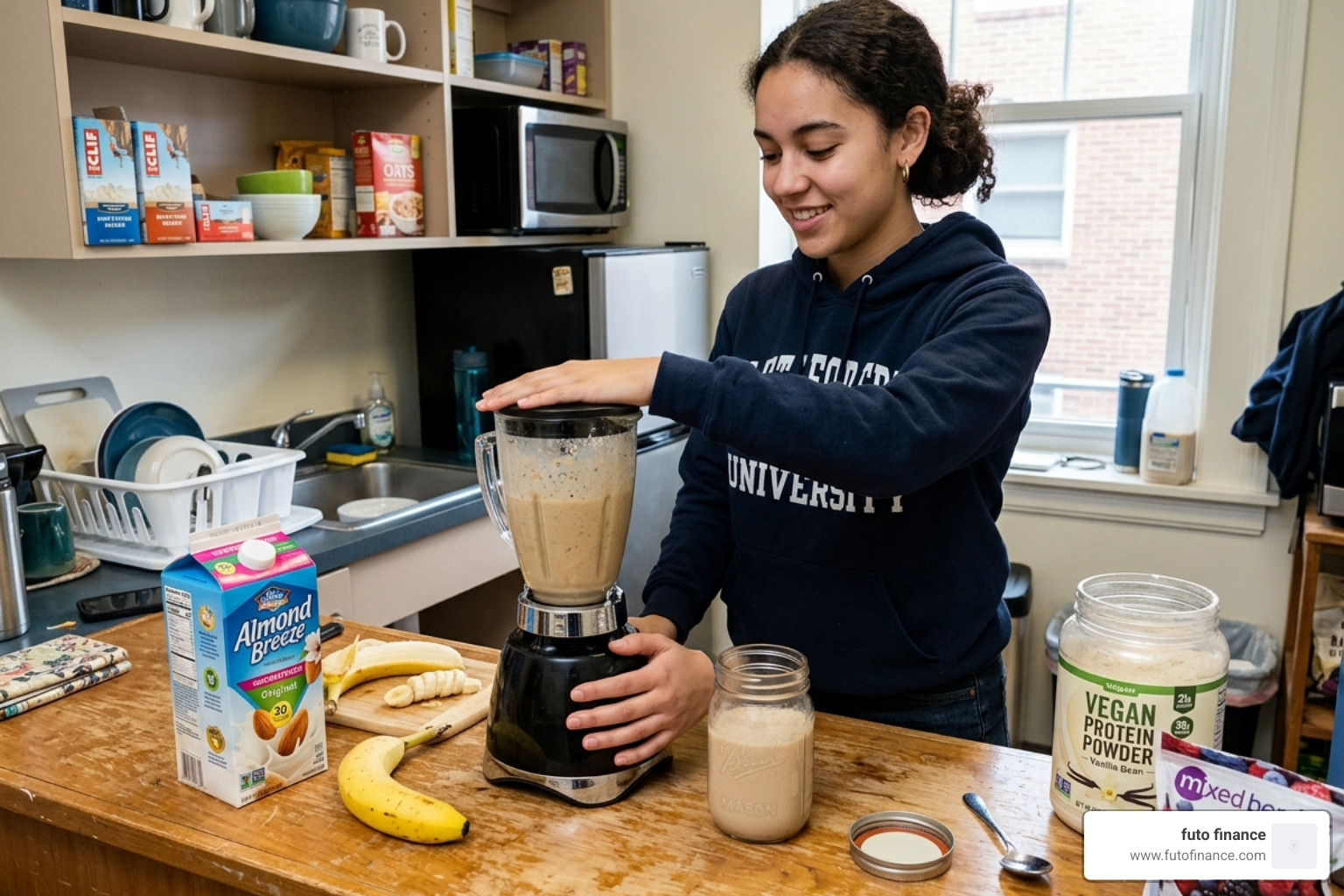
If you find the taste of plain mass gainer a bit “earthy,” try our Futo Finance favorite:
- 1 serving of plant based protein powder for weight gain
- 1 cup of soy or oat milk (higher calorie than almond milk!)
- 1 tbsp of peanut butter
- 1/2 cup of frozen spinach (you won’t taste it, we promise)
- 1 frozen banana
Blend it up, and you’ve got a 1,000+ calorie powerhouse that tastes like a milkshake.
Frequently Asked Questions about Vegan Weight Gain
We get a lot of questions about the “how-to” of vegan bulking. Here are the answers to the most common concerns.
Can a skinny person gain weight with plant-based protein?
Absolutely. If you are a “skinny” person or a hard-gainer, the key is consistency. A plant based protein powder for weight gain helps you bypass the “fullness” factor of whole foods. It’s much easier to drink 800 calories than it is to eat three bowls of brown rice and beans. When combined with a 300-500 calorie surplus and heavy lifting, you will see the scale move.
What are the side effects of high-calorie vegan powders?
The most common side effects are digestive—bloating, gas, or feeling overly full. This is often caused by:
- Serving Size: Some gainers suggest 4-6 scoops. Start with 1-2 scoops and work your way up so your stomach can adjust.
- Sweeteners: Artificial sugars can cause distress. Stick to natural options.
- Fiber Content: Some vegan powders are very high in fiber. While fiber is good, too much at once can be heavy. Complete Lean – Vegan Protein Powder for Weight Loss – PlantFusion actually uses fiber to help with satiety, but for weight gain, you might want a lower-fiber option to keep from feeling too full to eat your next meal.
How much weight can I realistically gain per week?
A realistic and healthy goal is 1 pound of lean mass per week. To achieve this, you need to consume roughly 1.6g of protein per kilogram of body weight. For a 70kg (154lb) student, that’s about 112g of protein a day. A single serving of a high-quality mass gainer can get you halfway there!
Conclusion
Gaining weight as a vegan student doesn’t have to be a struggle. By choosing a high-quality plant based protein powder for weight gain, staying consistent with your workouts, and using smart kitchen hacks to keep costs down, you can reach your goals effectively.
At Futo Finance, we believe that a plant-based lifestyle should be accessible, affordable, and powerful. Whether you’re looking for the maximum calories of Naked Mass or the performance boost of Vega, there is a tool out there for you.
Ready to start your journey? Check out our other resources for more tips on vegan student living and affordable meal prep. Happy bulking!

Melo Rodrigues is the founder of Futo Finance and a specialist in student-budget veganism. Having mastered the art of plant-based cooking in a university setting, Melo is dedicated to helping students achieve nutritional excellence without financial strain. Through Futo Finance, Melo shares lab-tested strategies for eating smart and living sustainably on a budget.
