
The Broke Vegan’s Guide to Sustainable Eating
Eating Green Without Going Broke: What You Need to Know
A plant based diet affordable for students and budget-conscious eaters is not just possible — it’s actually cheaper than most people think.
Here’s the short answer:
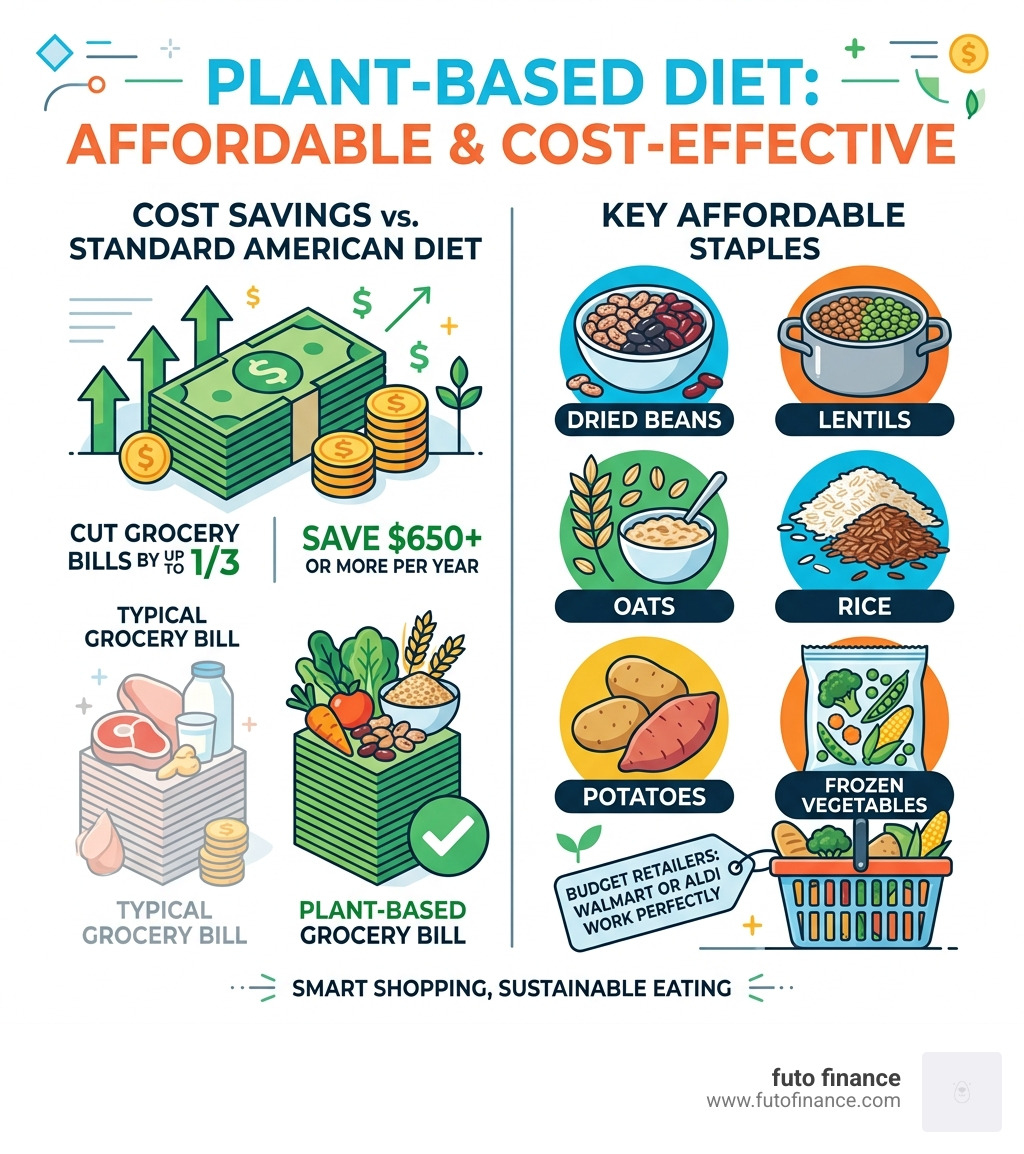
- Vegan diets can cut grocery bills by up to one-third compared to a typical diet in high-income countries
- You can save $650 or more per year compared to a Standard American Diet
- The cheapest staples are dried beans, lentils, oats, rice, potatoes, and frozen vegetables
- You don’t need specialty stores — budget retailers like Walmart or ALDI work perfectly
- The biggest myth is that plant-based eating is expensive; in reality, meat is the #1 grocery expense for 70% of U.S. adults
If you’ve ever stood in a grocery store in April 2026, watching food prices climb and wondering how to eat well without draining your bank account, you’re not alone. A recent survey found that 77% of U.S. adults feel grocery prices are too high. And yet, 61% of people still believe a plant-based diet costs more than one built around meat and dairy.
That belief is wrong — and the data proves it.
The foods at the heart of a plant-based diet — beans, lentils, grains, and vegetables — are some of the cheapest items in any supermarket. The confusion often comes from comparing a steak to a fancy vegan cheese block. That’s not a fair fight. Compare a steak to a pot of lentil chili, and suddenly the math looks very different.
This guide is built for students and anyone cooking on a tight budget. It covers what to buy, where to shop, how to cook efficiently, and how to stay healthy — all without spending more than you need to.
Is a Plant Based Diet Affordable? The Real Cost of Eating Green
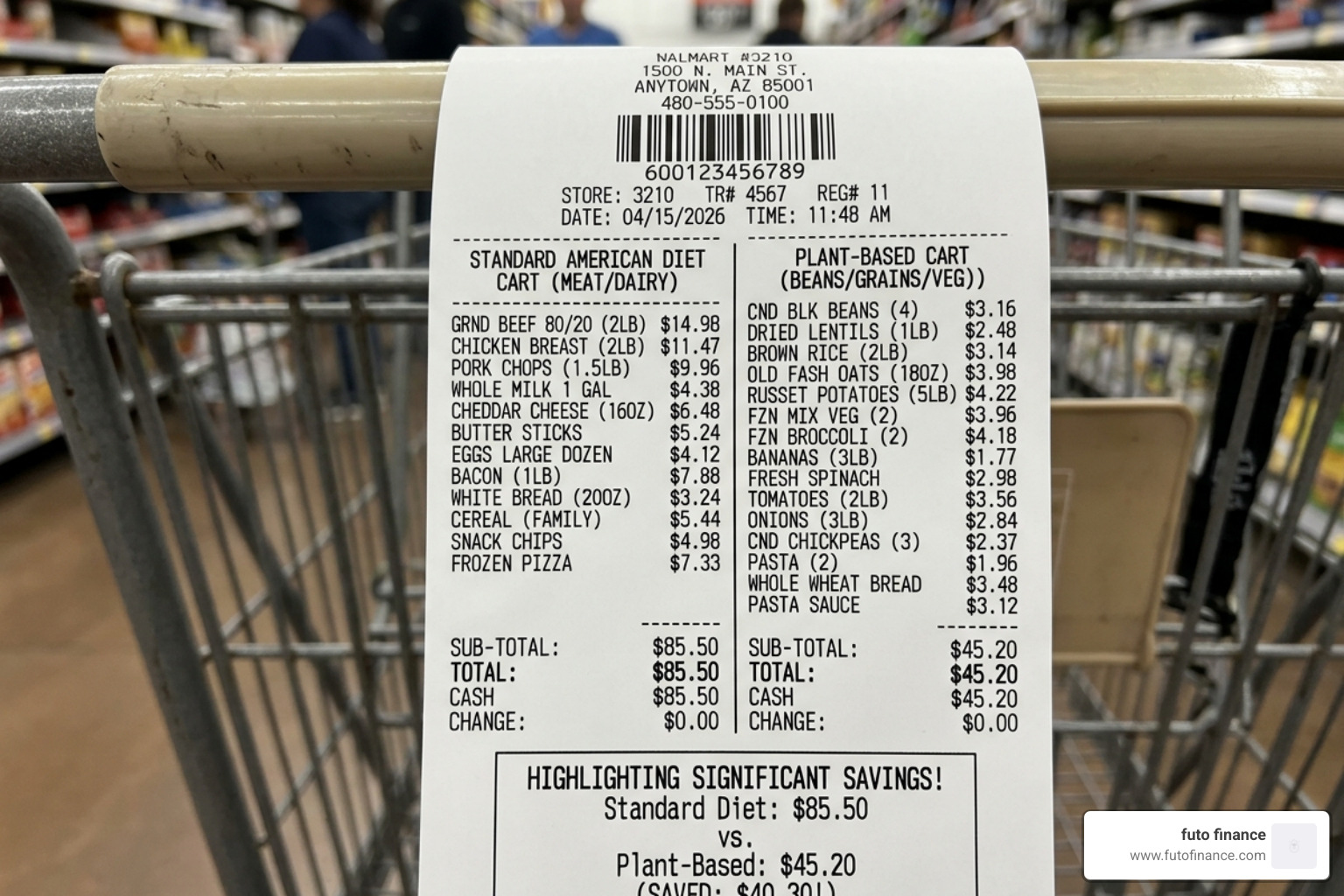
We often hear that eating vegan is a “luxury” reserved for those who can afford $12 artisan nut cheeses. But let’s look at the hard data. A major global modeling study from the University of Oxford recently confirmed that in high-income countries like the US, UK, and Australia, vegan diets are actually the most affordable option. They can reduce your total food costs by up to one-third.
Think about that for a second. If you’re a student spending $300 a month on groceries, switching to a plant based diet affordable strategy could put $100 back in your pocket every single month. That’s $1,200 a year — enough for a decent spring break trip or, more realistically in 2026, a few tanks of gas and a textbook.
According to a 2024 JAMA study, people following a low-fat vegan diet cut their grocery costs by 19% compared to the Standard American Diet. Another study suggests that going plant-based can save an individual up to $750 a year. Why? Because meat is consistently the most expensive item in the cart. In fact, 70% of U.S. adults admit that meat is where the bulk of their grocery money goes.
Beyond the immediate checkout price, there’s the long-term math. Plant-based eating isn’t just about saving pennies today; it’s about avoiding massive healthcare bills tomorrow. Scientific research shows that diets rich in whole plant foods reduce the risk of heart disease and Type 2 diabetes.
Environmentally, the savings are just as stark. Raising animals for food is an incredibly inefficient use of resources. Livestock provides only 18% of global calories but uses a staggering 83% of all farmland. By eating the plants directly, we cut out the “middleman” (the cow or the pig) and save both money and the planet.
The Broke Student’s Toolkit: Staples and Nutrition
When you’re a student, your kitchen is often a battlefield of limited space and even more limited time. To make a plant based diet affordable, you need a toolkit of staples that don’t spoil in three days and don’t require a culinary degree to prepare.
Building Your Pantry with a Plant Based Diet Affordable Foundation
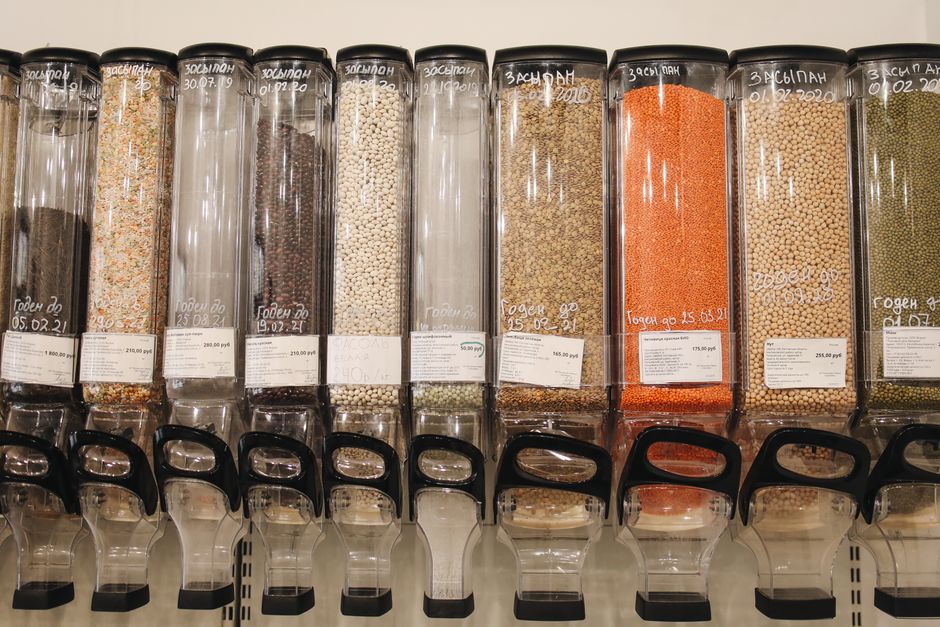
The secret to keeping costs low is focusing on “anchor” foods. These are the heavy lifters that fill you up for pennies.
- Grains: Brown rice, oats, and whole-grain pasta are your best friends. A massive bag of rice can provide dozens of meals for just a few dollars.
- Legumes: Lentils, chickpeas, and black beans are the gold standard for budget protein.
- Tubers: Potatoes and sweet potatoes are incredibly versatile. Whether mashed, roasted, or turned into “fries,” they are dirt cheap and highly satiating.
- Canned Goods: Canned tomatoes and tomato paste provide the base for soups, stews, and pasta sauces.
- Peanut Butter: It’s the ultimate high-protein, high-calorie snack that costs almost nothing per serving.
To see how much you can save, look at this breakdown of one of the most common plant-based swaps:
| Item | Form | Approx. Servings | Cost per Serving |
|---|---|---|---|
| Black Beans | Dried (1 lb bag) | 12 | $0.13 |
| Black Beans | Canned (15 oz) | 3.5 | $0.25 – $0.40 |
| Ground Beef | Fresh (1 lb) | 4 | $1.25 – $1.75 |
As you can see, even canned beans are a fraction of the cost of meat, but dried beans are the ultimate “broke” hack. They expand 2–3 times their size when cooked, making that $1.50 bag of lentils a week’s worth of lunches. For more ideas on how to turn these staples into delicious snacks, check out our collection of vegan snacks and recipes.
Meeting Nutritional Needs on a Plant Based Diet Affordable Budget
We know what you’re thinking: “But where do I get my protein?” Relax. You don’t need expensive protein isolates or bars. A serving of black beans has about 7 grams of protein, and lentils have a whopping 10 grams per serving. Pair them with a grain like rice or whole-wheat bread, and you have a complete amino acid profile.
However, there are three things you need to be smart about:
- Vitamin B12: This is the one nutrient you cannot reliably get from plants. Luckily, a B12 supplement is very inexpensive and lasts for months. Even if you aren’t 100% vegan, taking a supplement is a safe bet for your neurological health. You can find more scientific research on vitamin B12 needs to understand why it’s so vital.
- Iron Absorption: Plant-based iron (non-heme) isn’t absorbed as easily as animal iron. The “broke” fix? Pair your iron-rich foods (like beans or spinach) with Vitamin C (like a squeeze of lemon juice, some broccoli, or canned tomatoes). This can triple your iron absorption!
- Calcium: You don’t need expensive fortified milks. Tofu (especially if it’s calcium-set), kale, and even certain beans are great sources.
Master the Grocery Store: Shopping and Batch Cooking Tips
Shopping for a plant based diet affordable lifestyle is an art form. It’s about knowing when to go, where to look, and what to ignore.
The Strategic Shop
First, forget brand loyalty. Store brands (like Great Value or Kirkland) are often made in the exact same facilities as name brands but cost 30-50% less. Second, embrace the “unit price.” Look at the tiny numbers on the shelf tag that tell you the cost per ounce or per gram. This is how you realize that the “jumbo” bag isn’t always the best deal.
Third, explore international markets. If you have an Asian or Indian grocery store nearby, go there for tofu, spices, and rice. Tofu is often half the price at a Chinese supermarket compared to a premium health food store. Spices that cost $6 for a tiny jar at a major chain can often be found in large bags for $2 at an ethnic grocer.
The Batch Cooking Framework
If you want to save money, you have to stop “panic buying” lunch at the campus cafe. Batch cooking is the only way to survive.
- Day 0 Prep: Spend two hours on Sunday cooking a massive pot of beans, a giant tray of roasted potatoes, and a batch of grains.
- Freezer Mapping: If you make a big pot of chili, freeze half of it in individual portions. Future You will thank Current You when you have a 3-minute meal during finals week.
- FIFO Method: This stands for “First In, First Out.” Move your older produce to the front of the fridge so you use it before it turns into a science experiment.
- Use-Up Nights: Once a week, have a “kitchen sink” dinner. Throw all the slightly wilted veggies into a stir-fry or a soup. It reduces waste and saves you from buying an extra meal.
Simple Recipes and Avoiding Common Budget Pitfalls
You don’t need to be a chef to make a plant based diet affordable. In fact, some of the best meals are the simplest.
The “Broke Student” Recipe Starter Pack
- 15-Minute Tomato Basil Pasta: Use canned tomatoes, garlic, dried herbs, and whole-wheat pasta. It’s comforting, filling, and costs about $1 per serving.
- The “Yes-You-Can” Chili: Dump two cans of beans, one can of diced tomatoes, an onion, and some chili powder into a pot. Simmer for 20 minutes. Serve over a baked potato.
- Tofu Scramble: Crumble a block of tofu into a pan with some turmeric (for color), salt, pepper, and whatever veggies are in the fridge. It’s the vegan version of scrambled eggs but often cheaper.
- Overnight Oats: Mix oats with water or a splash of budget plant milk and some peanut butter. Let it sit in the fridge overnight. Breakfast is done.
Pitfalls to Avoid
We’ve all been there — you walk into a store and get seduced by the “Vegan” label on a box of $9 cookies. Here’s how to stay on track:
- The Specialty Trap: Vegan meats and cheeses are great for a treat, but they shouldn’t be staples. Use them as “accents,” not the main event.
- Organic Obsession: If you can afford organic, great. If not, don’t sweat it. Conventional produce is still infinitely better for you than no produce at all.
- Premium Store Markups: Avoid the “Whole Paycheck” stores. ALDI, Walmart, and Lidl offer plenty of plant-based options for a fraction of the price.
- Impulse Buying: Never, ever shop when you are hungry. You will come home with three bags of vegan jerky and no actual food.
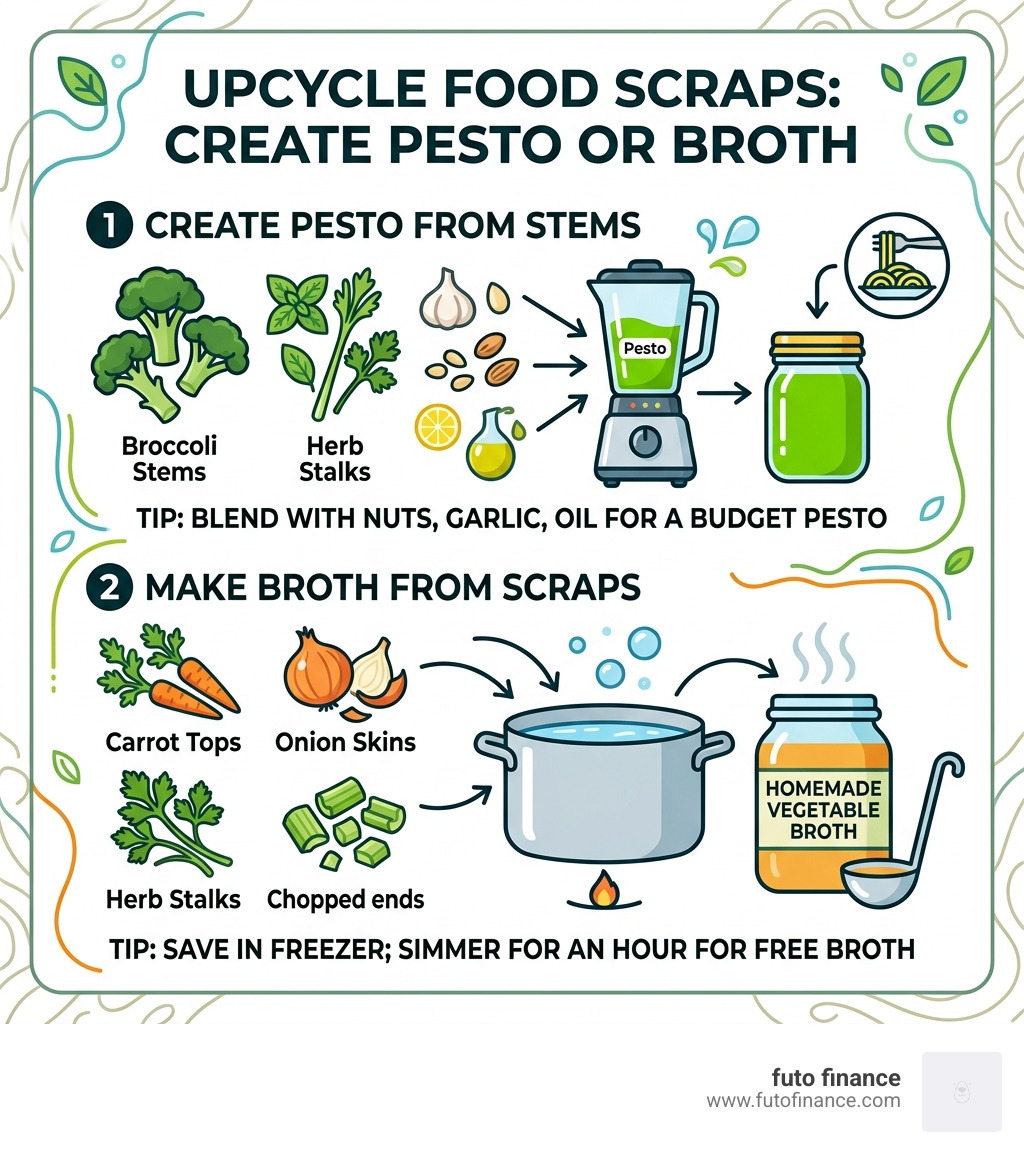
One of our favorite ways to stretch a budget is upcycling. Don’t throw away those broccoli stems! Peel the tough outer layer, chop the inside, and toss it into a stir-fry. Save your vegetable scraps (onion skins, carrot tops, herb stalks) in a bag in the freezer. When the bag is full, boil them in water for an hour to make your own free vegetable broth.
Frequently Asked Questions about Affordable Plant-Based Eating
Can I eat plant-based affordably without access to specialty stores?
Absolutely. In fact, it’s often easier to stay on budget at a regular big-box retailer. The core of a plant-based diet is found in the “outer ring” of the grocery store: the produce aisle, the bulk section, and the frozen department. You don’t need a “vegan aisle” to find beans, rice, and frozen spinach.
What are the top health benefits of switching to a plant-based diet?
Besides the “wealth” benefit to your wallet, you’ll see a “health” benefit. Research shows that plant-based eaters generally have lower BMIs and lower cholesterol levels. Because plants are high in fiber, you’ll likely feel more energetic and have better digestion — which is a huge plus when you’re pulling all-nighters in the library.
How much money can I realistically save by going vegan?
As we mentioned, the average saving is around 19-25% of your grocery bill, or roughly $650 to $750 per year. The key is the “cost-per-serving” analysis. When you replace a $6 chicken breast with $0.50 worth of chickpeas, the savings add up fast. Even if you only go “flexitarian” and cut meat out three days a week, you’re still looking at significant monthly savings.
Conclusion
At Futo Finance, we believe that being a student shouldn’t mean choosing between your health and your bank account. Adopting a plant based diet affordable strategy is one of the smartest financial moves you can make in April 2026. It’s a way to take control of your spending, boost your energy, and do something good for the planet all at once.
Sustainable eating isn’t about perfection; it’s about making better choices with the resources you have. Start small — maybe try one of our 15-minute recipes this week or swap your morning eggs for a tofu scramble. Every bean counts!
Ready to dive deeper into budget-friendly veganism? From meal plans to the best dorm-room snacks, we’ve got you covered. Start your affordable plant-based journey today and see how much you can save.

Melo Rodrigues is the founder of Futo Finance and a specialist in student-budget veganism. Having mastered the art of plant-based cooking in a university setting, Melo is dedicated to helping students achieve nutritional excellence without financial strain. Through Futo Finance, Melo shares lab-tested strategies for eating smart and living sustainably on a budget.
