
The Broke Student’s Guide to Easy Dorm Vegan Ramen
How to Identify and Upgrade Easy Dorm Vegan Ramen
Before we get to the recipes, we need to address the basics. Not all ramen is created equal, and unfortunately, many “vegetable” flavors at the grocery store actually contain lactose or powdered chicken fat. As we move into April 2026, the market for vegan products has expanded, but label reading remains a vital skill for any plant-based student.
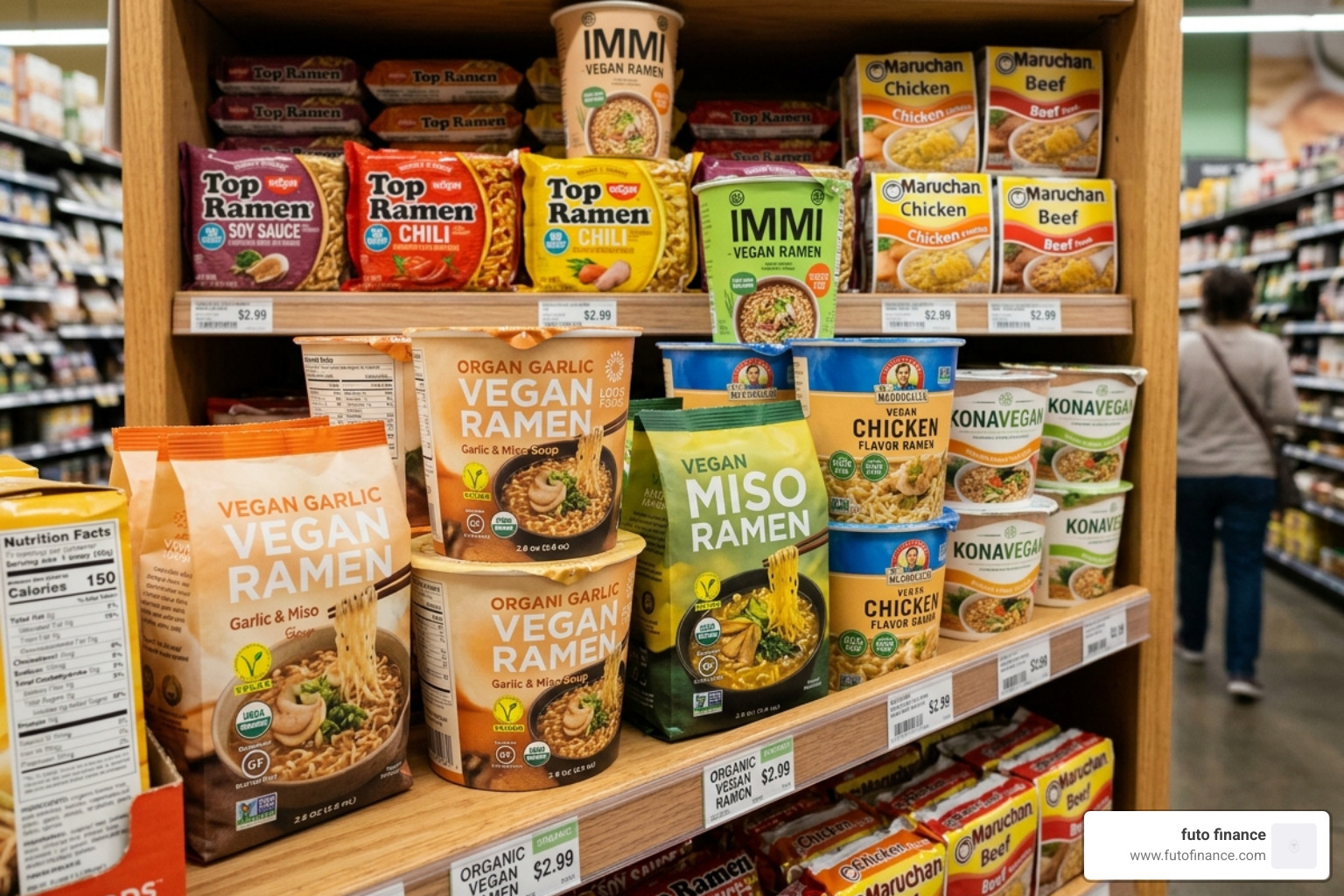
Identifying Vegan Instant Ramen Packets
The first hurdle is finding a base noodle that doesn’t contain animal products. Many students are surprised to learn that the noodles themselves are usually vegan (made from wheat flour, oil, and salt), but the flavor packets are the danger zone.
- Check the Brand: In the US, Nissin Top Ramen’s “Soy Sauce” and “Chili” flavors are famous for being accidentally vegan. However, be careful with Maruchan—even their soy sauce flavor often contains beef extract.
- Scan for “Hidden” Ingredients: Look out for lactose, whey, egg white powder, or “natural flavors (contains milk).”
- The “Vegetable” Trap: Don’t assume “Vegetable Flavor” is vegan. Always flip the packet over to check the fine print.
- Go MSG-Free if Possible: While MSG makes things tasty, high-end vegan brands like Mike’s Mighty Good or Dr. McDougall’s offer cleaner profiles with less sodium.
Essential Equipment for the Dorm Kitchen
You don’t need a five-burner stove to make easy dorm vegan ramen. Most dorms allow these basic tools that will make your life significantly easier:
- Electric Kettle: This is the MVP. It boils water in under two minutes for soaking noodles and blanching soft veggies like spinach or bok choy.
- Microwave-Safe Bowls: Opt for deep ceramic or heavy-duty glass. Plastic can warp and leach chemicals when exposed to boiling oily broth.
- Mini-Blender: If your dorm allows it, a small bullet-style blender is perfect for making creamy sauces (like our almond butter sauce) in seconds.
- Heat-Safe Glass Containers: These are essential for the “soak” method. If you have a container with a tight lid, you can cook your noodles just by letting them sit in boiling water for 5 minutes.
3 Gourmet Recipes for Easy Dorm Vegan Ramen
Let’s get into the kitchen—or the desk space you’ve cleared off. These three recipes are designed to be made in 10 minutes or less using minimal equipment.
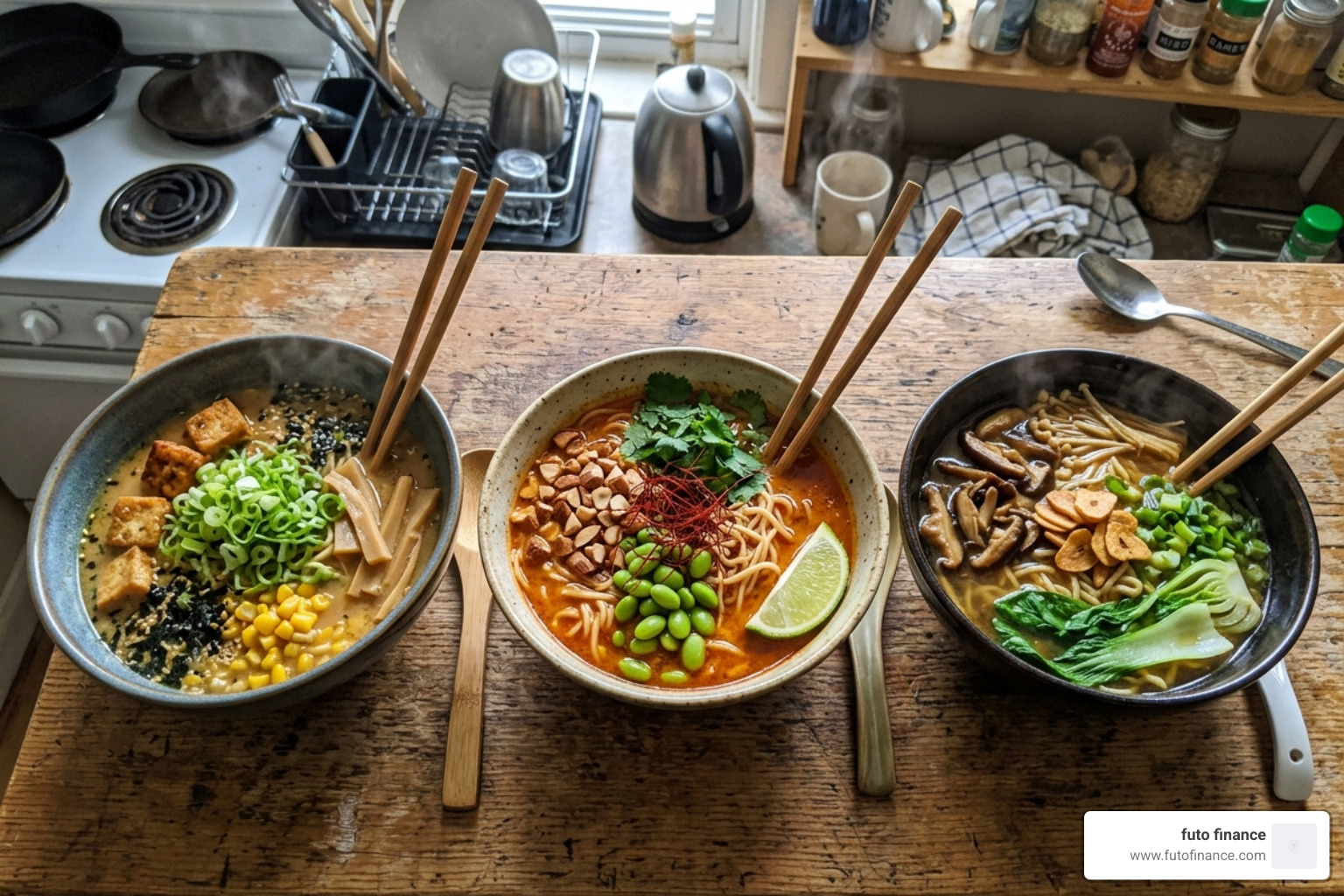
| Recipe Name | Prep Time | Key Flavor Profile | Equipment Needed |
|---|---|---|---|
| Sriracha Almond “Rad” Ramen | 5 Mins | Spicy, Nutty, Tangy | Kettle + Bowl |
| 15-Minute Miso Masterpiece | 15 Mins | Umami, Creamy, Savory | Kettle + Microwave |
| The Veganized “Kylie” Hack | 5 Mins | Buttery, Garlicky, Salty | Microwave |
The Sriracha Almond “Rad” Ramen
This is a dry-style noodle dish (no broth) that tastes like high-end Thai peanut noodles but uses almond butter for a sophisticated twist.
- The Sauce: In a small bowl, whisk together 3 Tbsp almond butter, 2 Tbsp sriracha, the juice of half a lime, 1 Tbsp tamari (or soy sauce), and a clove of minced garlic. Add a splash of hot water to thin it out until it’s creamy.
- The Noodles: Cook your ramen noodles using your kettle water. Drain them completely.
- The Assembly: Toss the hot noodles in the almond sauce.
- The Crunch: Top with shredded green cabbage and julienned carrots. The heat from the noodles will slightly soften the veggies while keeping a fresh crunch.
15-Minute Creamy Miso Masterpiece
Miso is a fermented paste that provides incredible umami depth without needing a long-simmered bone broth. Plus, scientific research suggests that miso contains probiotics that support gut health—perfect for those weeks when you’re living on caffeine and stress.
- The Base: Whisk 1 Tbsp of white or red miso paste with a splash of hot water until smooth.
- The Creaminess: Add 1/2 cup of unsweetened soy milk or cashew milk to the bowl. Soy milk is great because it has a high protein content and stays stable when heated.
- The Veg: Add baby bok choy and frozen corn to the broth. Microwave for 2 minutes until the greens are bright and the corn is hot.
- The Finish: Add your pre-cooked noodles and a drop of sesame oil.
The Veganized “Kylie” Hack
Inspired by a famous social media trend, this version replaces the egg and butter with plant-based alternatives for a rich, comforting bowl.
- The Method: Cook your noodles and drain most of the water (leave about 2 tablespoons).
- The “Egg” Flavor: Stir in 1 Tbsp of vegan butter, 1/2 tsp of garlic powder, and 1 Tbsp of nutritional yeast. The nutritional yeast provides a cheesy, “eggy” flavor and a boost of B-vitamins.
- The Garnish: Top with plenty of sliced scallions and a sheet of nori (seaweed) torn into small pieces.
Essential Ingredients for a Nutritious Ramen Upgrade
Eating easy dorm vegan ramen doesn’t have to mean eating “empty” calories. By adding specific whole foods, you can turn a snack into a balanced meal that keeps you full through a three-hour lecture.
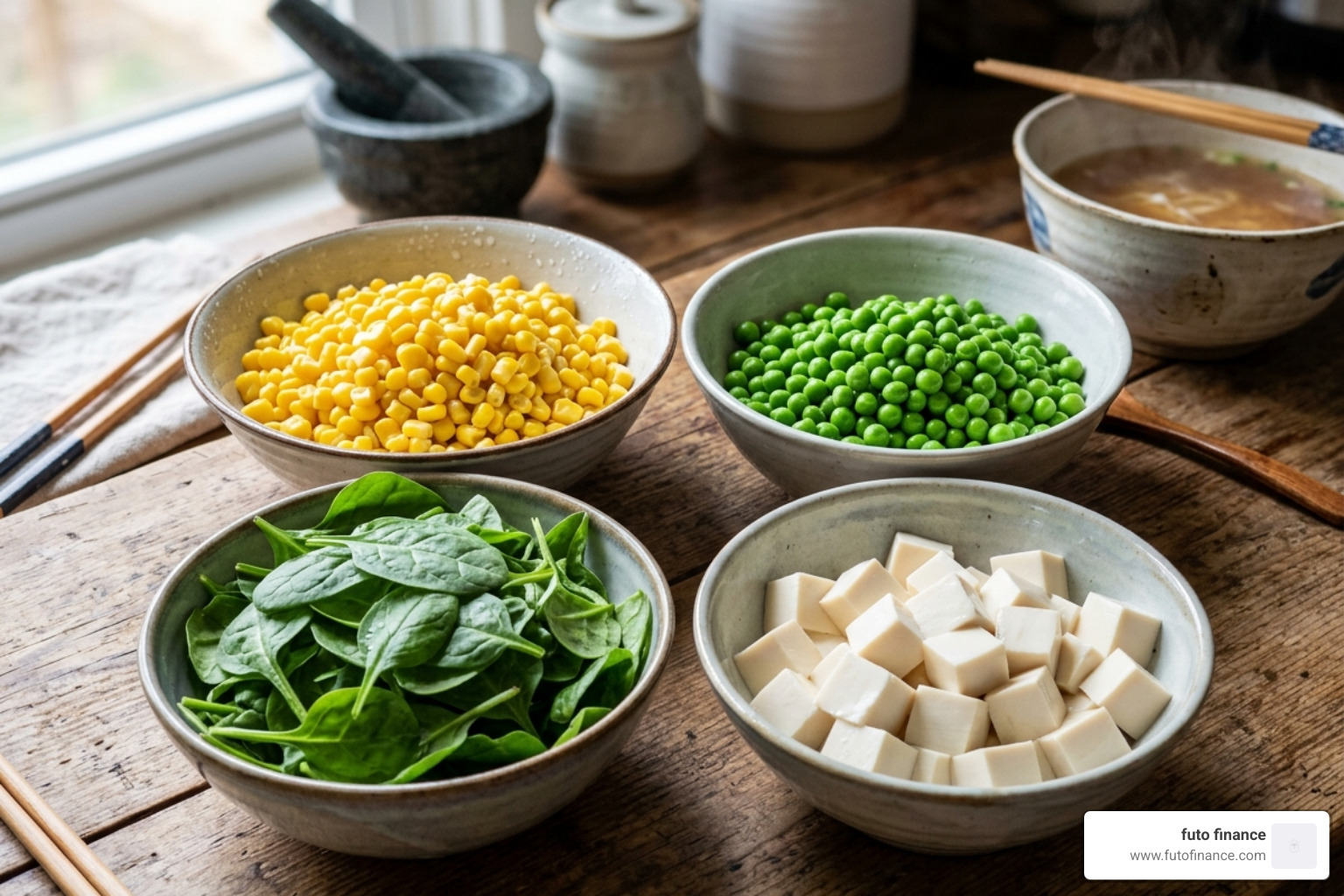
Fresh and Frozen Veggie Power-Ups
Vegetables add fiber, vitamins, and volume to your meal. If you don’t have a fridge with a large crisper drawer, frozen is your best friend.
- Frozen Corn & Peas: Can be thrown directly into the boiling water with the noodles.
- Spinach: A handful of fresh spinach will wilt instantly when stirred into hot broth.
- Frozen Broccoli: Microwave this separately for 2 minutes before adding to ensure it’s tender.
- Bean Sprouts: These add a massive amount of crunch for very few calories.
Simple Plant-Based Protein Additions
A standard packet of ramen is almost entirely carbs. To stay full, you need protein.
- Firm Tofu: You don’t even need to cook it! Just dice it into small cubes and let it warm up in the broth.
- Edamame: Buy them frozen and shelled. They are protein powerhouses.
- Seitan or Vegan Bacon: If you have a small frying pan or a hot plate, browning these first adds a smoky “meaty” texture.
According to Scientific research on the benefits of soy protein, soy is a complete protein, meaning it contains all nine essential amino acids your body needs—making tofu and edamame the perfect ramen companions.
Pro Tips for Customizing Your Easy Dorm Vegan Ramen
The secret to great ramen is balance: salt, fat, acid, and heat. If your ramen tastes “flat,” it’s usually missing one of these.
Mastering the Creamy Vegan Sauce
If you want a “tonkotsu” style broth (which is traditionally very fatty and creamy), you can replicate it with pantry staples:
- Tahini: Adds a deep, nutty creaminess that mimics sesame-based broths.
- Coconut Milk: Use the canned variety for a rich, Thai-inspired soup.
- Cornstarch Slurry: If your broth is too watery, mix 1 tsp of cornstarch with cold water, stir it into the hot soup, and microwave for 30 seconds to thicken.
Storage and Reheating for Busy Students
We’ve all been there—you made too much and now you have a soggy mess the next day. Here is how we handle leftovers:
- Separate the Noodle: If you’re meal prepping, store the broth and the noodles in separate containers. If the noodles sit in the liquid, they will turn into mush by morning.
- Fridge Life: Your upgraded ramen will stay fresh for 3-5 days in a sealed container.
- Reheating: Microwave the broth until it’s boiling, then drop the cold noodles in. This revives the texture without overcooking them.
- Freezing: You can freeze the broth! Don’t freeze the noodles, as the texture changes significantly when thawed.
Frequently Asked Questions about Easy Dorm Vegan Ramen
How much does upgraded ramen cost compared to basic packets?
A plain packet of ramen costs about $0.25 to $0.50. Our “upgraded” version costs approximately $4.31 per serving. While that’s a 10x increase, it’s still significantly cheaper than a $15 takeout bowl or a $12 campus sandwich. By buying frozen veggies and bulk tofu, you can get that cost down even further.
What are common dorm cooking mistakes to avoid?
- Boiling the Miso: Never boil your miso paste. High heat kills the beneficial probiotics and can make the flavor bitter. Always whisk it in at the very end.
- Overcooking the Noodles: Instant noodles cook in 2-3 minutes. If you leave them in the microwave for 5 minutes, they will lose their “bite.”
- Ignoring Aromatics: Even a little bit of garlic powder or ginger paste goes a long way in making the broth taste “real” rather than “instant.”
Are there gluten-free or nut-free vegan ramen options?
Absolutely.
- Gluten-Free: Swap the wheat ramen for rice noodles (maifun) or glass noodles (sweet potato starch). Use Tamari instead of Soy Sauce.
- Nut-Free: If you’re allergic to the almond butter in our “Rad” ramen, use sunflower butter or tahini. They provide the same creamy texture without the allergens.
Conclusion
At Futo Finance, we believe that being a student shouldn’t mean sacrificing your health or your values. Making easy dorm vegan ramen is more than just a “broke student” hack; it’s an introduction to culinary creativity. By ditching the flavor packet and experimenting with miso, nut butters, and fresh greens, you’re developing cooking skills that will last long after graduation.
Whether you’re pulling an all-nighter or just looking for a cozy meal on a rainy Tuesday in April 2026, these recipes prove that plant-based eating can be affordable, fast, and incredibly delicious.
Ready to level up your campus life? Visit Futo Finance for more budget-friendly vegan student lifestyle tips and tricks to help you save money while eating well. Happy slurping!

Melo Rodrigues is the founder of Futo Finance and a specialist in student-budget veganism. Having mastered the art of plant-based cooking in a university setting, Melo is dedicated to helping students achieve nutritional excellence without financial strain. Through Futo Finance, Melo shares lab-tested strategies for eating smart and living sustainably on a budget.
