
Stop the Pressure and Start Eating These Whole Food Plant Based Recipes
The Easiest Way to Eat Whole Food Plant-Based on a Student Budget
Instant pot whole food plant based recipes are one of the fastest, cheapest ways to eat healthy as a busy student. Here are some top options to get you started:
Top Instant Pot WFPB Recipes:
- Apple-Cinnamon Steel-Cut Oats – ready in under 30 minutes
- Sweet Potato and Black Bean Chili – hearty, freezable, under 300 calories per serving
- Mexican Lentil Soup – thick, oil-free, and packed with flavor
- Moroccan Chickpea Soup – done in 90 minutes vs. 24+ hours on the stove
- Wild Rice and White Bean Soup – one pot, big batch, great leftovers
- Red Lentil Soup – quick, cheap, and filling any time of year
- Mushroom-Barley Stew – comfort food that meal preps beautifully
Eating whole food plant-based doesn’t have to mean hours in the kitchen or a big grocery bill. The Instant Pot changes the equation completely.
Dump your ingredients in. Walk away. Come back to a hot meal.
No stirring. No monitoring. No mountain of dishes. For students juggling classes, work, and a tight budget, that matters a lot.
Dried beans, lentils, grains, and vegetables — the cheapest foods at any grocery store — cook perfectly under pressure. And unlike canned alternatives, you control exactly what goes in: no added sodium, no preservatives, no oil.
One experienced plant-based cook put it well: once you cook beans from scratch in an Instant Pot, you’ll never go back to the canned version.
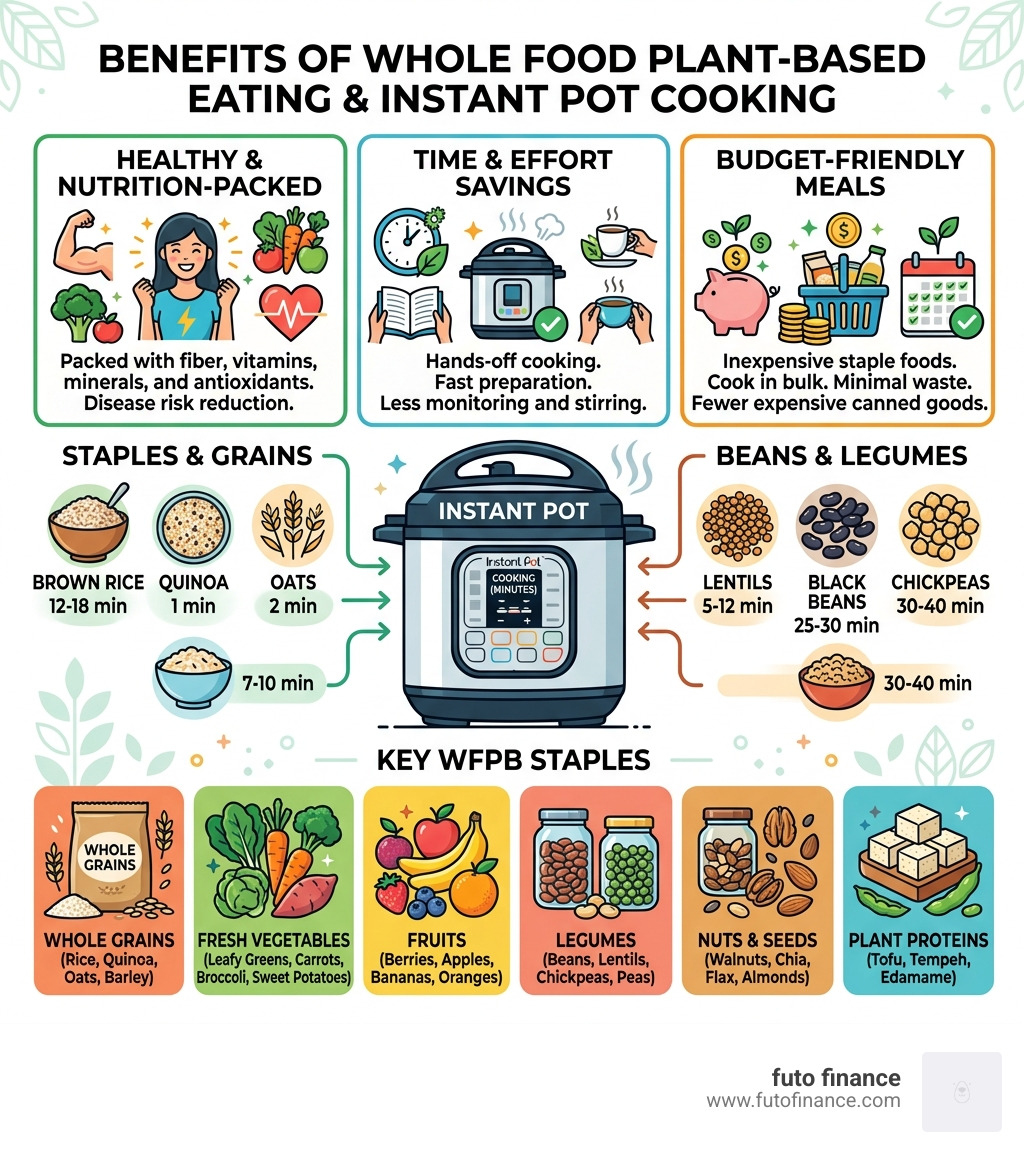
Why the Instant Pot is a Game-Changer for WFPB Cooking
In April 2026, the demand for healthy, sustainable eating has never been higher, especially on university campuses. We know that the Whole Food Plant-Based (WFPB) lifestyle relies heavily on legumes, whole grains, and starchy vegetables. While these are the most affordable items in the pantry, they often take the longest to cook on a traditional stovetop.
This is where the Instant Pot becomes your best friend. It isn’t necessarily “faster” when you account for the time it takes to build and release pressure, but it is entirely hands-off. You can set your instant pot whole food plant based recipes to cook, go to a 50-minute lecture or finish a term paper, and return to a perfectly cooked meal that is being kept warm automatically.
Nutrient Retention and Health
Scientific research suggests that pressure cooking is excellent for nutrient retention. Because the pot is sealed, vitamins and minerals aren’t lost to evaporation. Furthermore, the high-pressure environment is incredibly effective at “plumping” dried beans and grains without drying them out.
From a health perspective, the fiber content in WFPB staples is a superpower. High fiber intake is linked to better digestion, stable blood sugar, and long-term heart health. The Instant Pot makes it easy to consume the recommended daily fiber by turning tough, dry beans into creamy, delicious meals in a fraction of the traditional time.
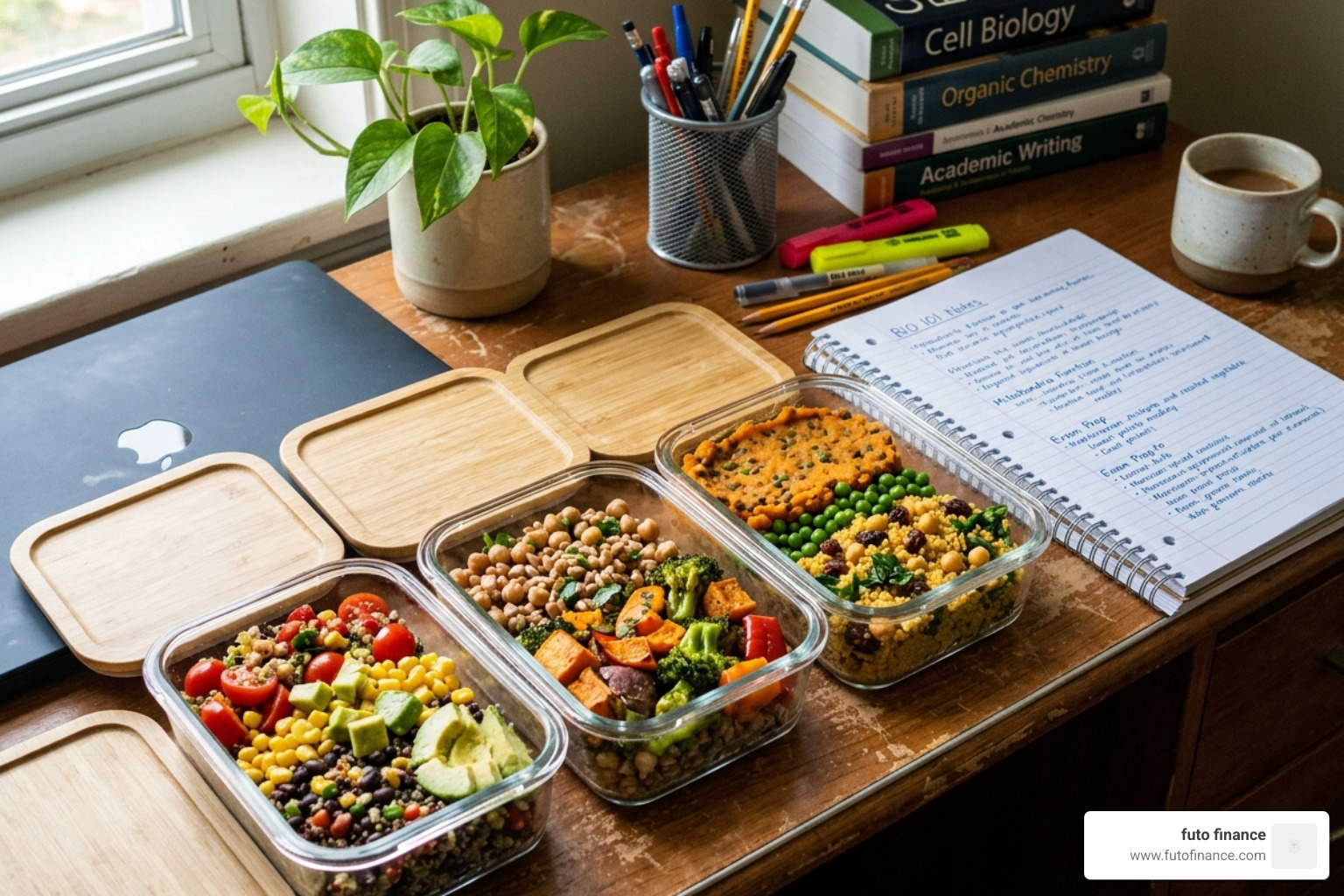
Essential Staples: Master Your instant pot whole food plant based recipes
Before diving into complex meals, every student should master the “building blocks.” Cooking your own staples from scratch saves a massive amount of money compared to buying pre-cooked pouches or cans. Plus, you avoid the BPA lining and excess salt found in many canned goods.
The No-Soak Advantage
One of the biggest perks of the Instant Pot is the ability to cook many dry beans and grains without an overnight soak. While soaking can improve digestibility and slightly reduce cook times, it isn’t a requirement for most legumes in a pressure cooker.
| Staple | Water Ratio | Cook Time (High Pressure) | Release Method |
|---|---|---|---|
| Brown Rice | 1 : 1.25 | 22-25 Minutes | 10 Min Natural Release |
| Quinoa | 1 : 1.5 | 1 Minute | 10 Min Natural Release |
| Steel-Cut Oats | 1 : 3 | 4 Minutes | Natural Release |
| Black Beans (Dry) | 1 : 3 | 25-30 Minutes | Natural Release |
| Red Lentils | 1 : 2 | 3-5 Minutes | Quick Release |
| Chickpeas (Dry) | 1 : 3 | 35-40 Minutes | Natural Release |
Note: For brown rice, we recommend skipping the “Rice” button on your machine, as it is often calibrated for white rice. Use the Manual/Pressure Cook setting for the best results.
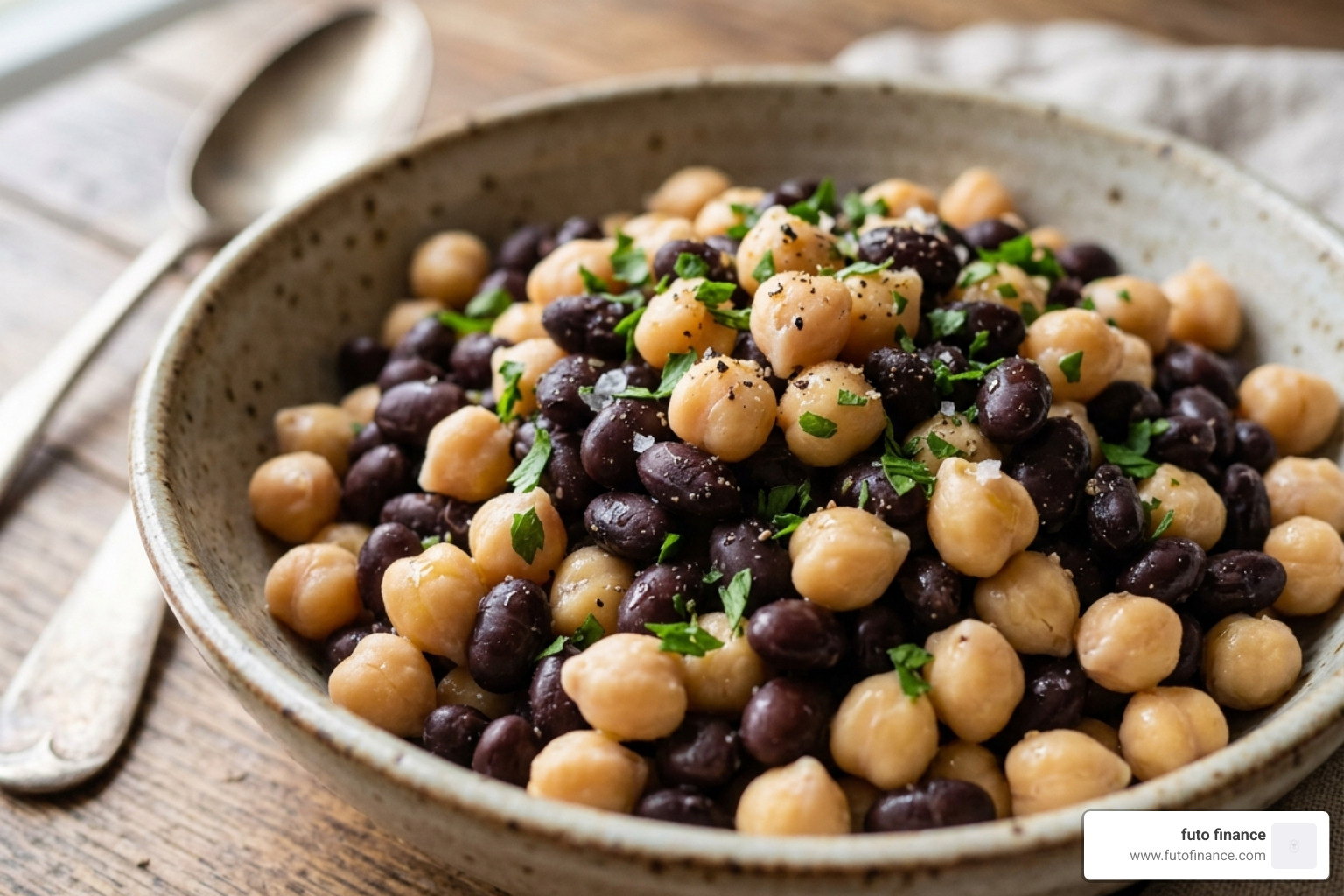
12 Top-Rated WFPB Recipes for Every Meal
To help you build your weekly menu, we’ve curated a list of top-rated instant pot whole food plant based recipes. These are categorized to ensure you have healthy options from sunrise to sunset.
Top Breakfast instant pot whole food plant based recipes
- Apple-Cinnamon Steel-Cut Oats: This is a student classic. Combine oats, water (or plant milk), chopped apples, and cinnamon. It’s piping hot and ready in under 30 minutes.
- Peanut Butter Banana Oatmeal: Add creamy peanut butter and sliced bananas after cooking for a protein-packed start to your day.
- Berry Crisp: Believe it or not, you can make a “baked” fruit dessert or breakfast in just 1 minute of pressure time. Use frozen berries and an oat-based crumble on top.
- Morning Porridge (Brown Rice Pudding): Use leftover brown rice or cook it fresh with raisins and a dash of maple syrup for a comforting, creamy breakfast bowl.
Savory Main Course instant pot whole food plant based recipes
- Mexican Casserole: A “cheat code” for easy dinner. Layer dry beans, rice, corn, salsa, and spices. It yields a perfect texture that travels well in lunch boxes.
- Sweet Potato and Black Bean Chili: This recipe is a fan favorite. The sweet potatoes naturally thicken the chili as they soften, creating a rich, smoky stew that freezes beautifully.
- Mushroom-Barley Stew: A hearty, “meaty” texture without the meat. Top with crunchy walnuts for a great textural contrast.
- Red Lentil Soup: This is the ultimate “broke student” meal. It’s quick, incredibly cheap, and filling. It’s also perfect for when you’re feeling under the weather.
- Moroccan Chickpea Soup: Traditionally, this takes 24 hours of soaking and simmering. In your Instant Pot, you can achieve that deep, complex spice profile in about 90 minutes.
- Wild Rice and White Bean Soup: A mushroom-free alternative to traditional wild rice soup. Use miso paste for a deep umami flavor.
- Vegetable Paella: By pressure cooking the rice with saffron and paprika, then stirring in roasted veggies and chickpeas, you get an authentic Spanish flavor with minimal effort.
- Creamy Vegetable Soup: Use an immersion blender directly in the pot to turn winter squash and spices into a velvety, low-calorie masterpiece.
Pro Tips for Oil-Free and Student-Friendly Pressure Cooking
Most traditional recipes start with “add two tablespoons of oil.” In WFPB cooking, we skip the oil to keep the meals heart-healthy and lower in calorie density.
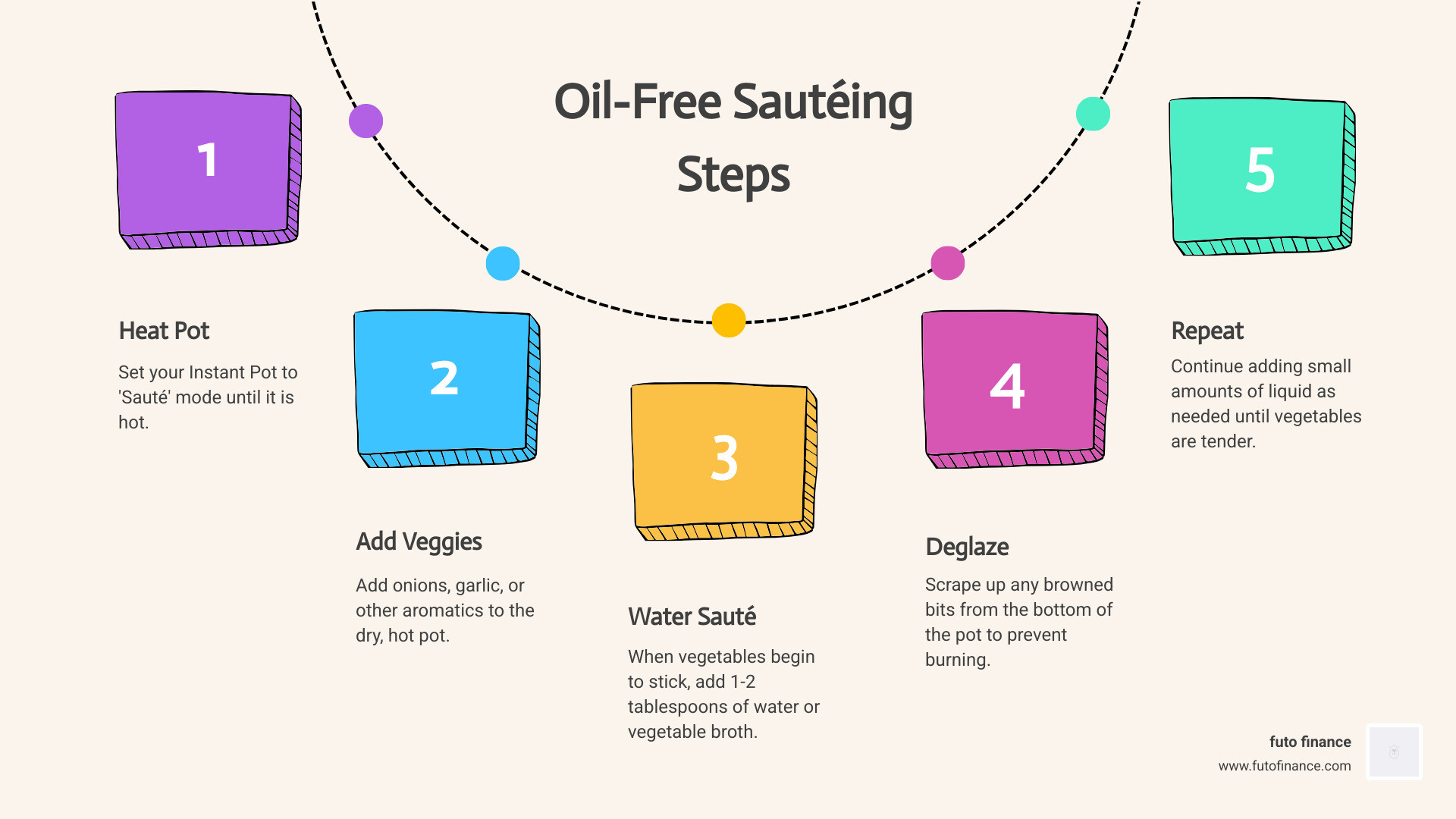
The Water Sauté Technique
You can still get that delicious caramelized onion flavor without oil. Simply hit the “Sauté” button, add your onions, and use a tablespoon of water or vegetable broth whenever the vegetables start to stick. This deglazes the pot and keeps the flavor intense.
Choosing the Right Model
For most students, a 6-quart Instant Pot is the “Goldilocks” size. It fits most recipes found online without needing math-heavy conversions. However, if you are in a tiny dorm room, a 3-quart “Mini” model is a space-saving alternative, though you’ll need to halve most recipes.
Safety First: Never fill your pot past the “Max Fill” line, especially when cooking beans or grains that foam and expand. Always ensure the steam valve is clear before starting.
Storage and Meal Prep: Keeping Your WFPB Meals Fresh
One of the best ways to stay WFPB is to ensure you always have food ready. The Instant Pot is designed for batch prepping.
- Freezing: Most soups, stews, and bean dishes freeze exceptionally well. Allow the food to cool completely before transferring it to freezer-safe glass containers.
- Portion Control: Freeze in single-serving portions. This makes it easy to grab a healthy lunch on your way to campus.
- Reheating: If a soup thickens too much in the fridge (common with oats and rice dishes), simply add a splash of water or broth when reheating to bring back the original consistency.
Frequently Asked Questions about WFPB Pressure Cooking
Can I cook dry beans without soaking?
Yes! This is one of the primary reasons people love the Instant Pot. While soaking for 15-20 minutes can help with even texture and reduce split skins, you can go from “dry bag” to “cooked bean” in about 30-40 minutes of pressure time. Just remember that older beans (sitting in your pantry for over a year) may take longer to soften.
How do I avoid the “Burn” message?
The dreaded “Burn” notice usually means there isn’t enough thin liquid at the bottom of the pot. To avoid this:
- Layering: Put watery vegetables and broth at the bottom, and thicker sauces (like tomato paste) on top without stirring.
- Deglazing: After sautéing, make sure you scrape all the brown bits off the bottom with a splash of liquid before pressure cooking.
Is pressure cooking healthy for WFPB diets?
Absolutely. Beyond nutrient retention, pressure cooking helps neutralize certain anti-nutrients like lectins and phytic acid found in raw beans and grains, making them easier to digest and making the nutrients more “bioavailable” for your body to absorb.
Conclusion
Transitioning to a whole food plant-based diet doesn’t have to be an expensive or time-consuming ordeal. By mastering a few instant pot whole food plant based recipes, you can eat like a king on a student budget. Whether it’s a 4-minute batch of steel-cut oats or a hearty 10-minute sweet potato chili, the power to transform your health is sitting right on your countertop.
At Futo Finance, we are committed to showing you that a vegan lifestyle is both affordable and achievable, even during the busiest years of your education.
Start your affordable vegan journey today and discover how simple, plant-powered meals can fuel your academic success!

Melo Rodrigues is the founder of Futo Finance and a specialist in student-budget veganism. Having mastered the art of plant-based cooking in a university setting, Melo is dedicated to helping students achieve nutritional excellence without financial strain. Through Futo Finance, Melo shares lab-tested strategies for eating smart and living sustainably on a budget.
