
Level Up Your Kitchen Game with These Simple Vegan Cooking Tips
Simple Vegan Cooking Tips That Actually Work for Busy Students
Simple vegan cooking tips can completely change how you approach food on a tight budget and schedule. Whether you’re cooking in a cramped dorm kitchen or just tired of eating the same thing every week, plant-based meals can be fast, cheap, and genuinely delicious.
Here’s a quick-start snapshot:
Top Simple Vegan Cooking Tips (at a glance):
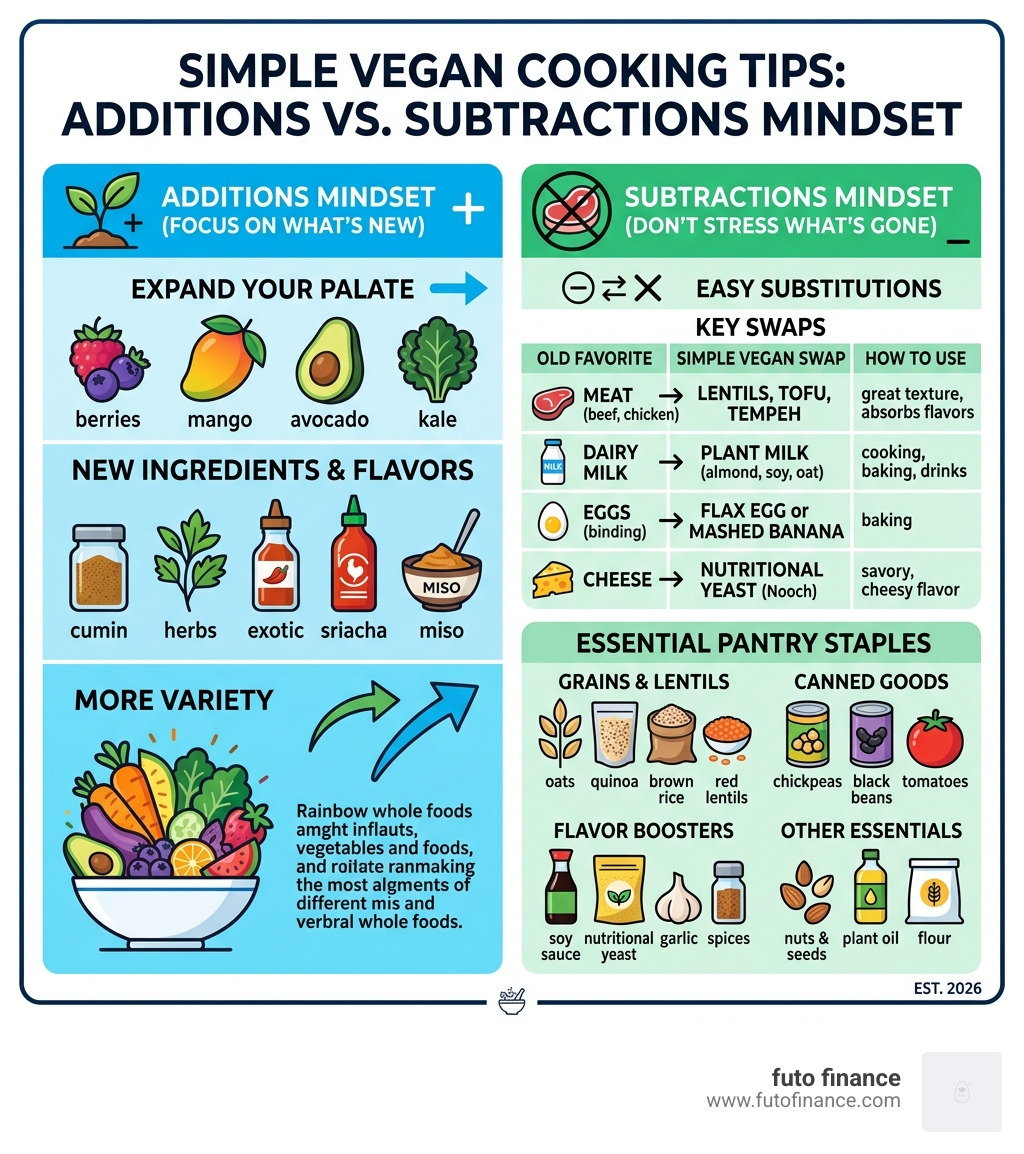
- Stock smart pantry staples — canned beans, oats, rice, lentils, and frozen veggies are cheap and last forever
- Swap, don’t stress — replace eggs with flax eggs or mashed banana, dairy with plant milk, and meat with lentils or tofu
- Roast everything — tossing veggies in oil and roasting them at high heat transforms even boring produce into something great
- Build bowls — combine a grain + a protein + a veggie + a sauce for a complete meal in under 30 minutes
- Season boldly — garlic, soy sauce, nutritional yeast, and lemon juice do the heavy lifting on flavor
- Batch cook — make a big pot of grains or beans on Sunday and eat from it all week
- Start with meals you already love — veganizing a familiar dish is much easier than learning a brand new one
The biggest mindset shift? Stop thinking about what you’re cutting out. Focus on what you’re adding — new ingredients, new flavors, more variety. Most people who start cooking this way end up eating a wider range of foods than before, not a narrower one.
You don’t need to go fully vegan overnight. You don’t even need a fancy kitchen. You just need a few good techniques and some reliable go-to meals.
This guide covers exactly that.
Essential Pantry Staples and Kitchen Tools
The foundation of simple vegan cooking tips starts before you even turn on the stove. It starts in your pantry. As university students, we know that your bank account often looks as sad as a wilted piece of kale. The secret to eating well without going broke is stocking up on imperishable items that can be transformed into dozens of different meals.
The Vegan Pantry Starter Pack
We recommend focusing on “core foods” that are versatile and filling.
- Whole Grains: Brown rice, quinoa, and oats are your best friends. Oats aren’t just for breakfast; they can be ground into flour or used to bulk up veggie burgers.
- Legumes: Canned beans (black, kidney, garbanzo) are convenient, but if you want to save even more money, buy them dried in bulk. Lentils are the “fast food” of the bean world because they cook in 15–20 minutes without needing a soak.
- Nutritional Yeast: Often called “nooch” in the vegan community, this flaky yellow powder has a nutty, cheesy flavor. It’s packed with B vitamins and is the secret to making anything taste savory.
- Nut Butters and Seeds: Peanut butter, tahini, flaxseeds, and chia seeds provide healthy fats and help keep you full.
- Flavor Anchors: Soy sauce (for umami), apple cider vinegar (for brightness), and a solid spice rack (garlic powder, smoked paprika, cumin, and turmeric).
Speaking of staples, many people worry about soy. However, scientific research on the health benefits of soy and tofu shows that these are excellent, safe protein sources that have been consumed for thousands of years. Don’t let the myths scare you away from a $2 block of tofu!
Essential Kitchen Tools for Students
You don’t need a kitchen full of gadgets that look like they belong in a spaceship. However, a few key items can save you hours of prep time.
- A Sharp Chef’s Knife: This is non-negotiable. A dull knife is actually more dangerous because it’s prone to slipping.
- High-Speed Blender: Perfect for smoothies, but also essential for making creamy cashew sauces or blending soups.
- The “Big Three” Appliances: If you have some extra cash or a birthday coming up, these three will change your life:
| Tool | Why Students Love It | Best For |
|---|---|---|
| Air Fryer | Faster than an oven; makes everything crispy with less oil. | Tofu cubes, frozen fries, roasted chickpeas. |
| Instant Pot | Cooks dried beans in 30 mins; one-pot meals mean less washing up. | Stews, curries, perfect rice, bulk beans. |
| Food Processor | Does the chopping for you. | Making hummus, falafel, or “nice cream.” |
Master the Art of Simple Vegan Cooking Tips and Swaps
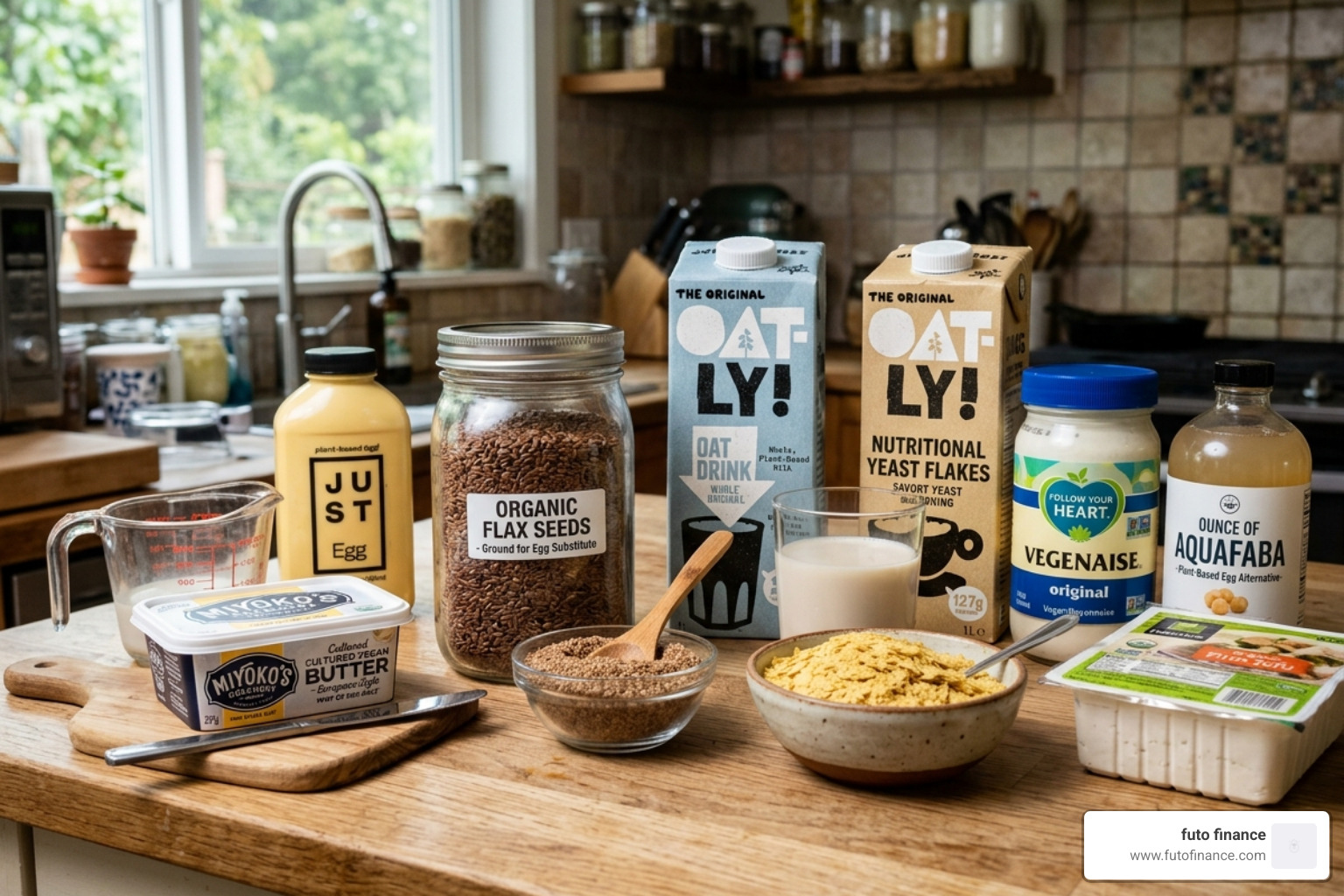
One of the most effective simple vegan cooking tips is learning how to “veganize” the meals you already know and love. You don’t have to learn a whole new culinary language; you just need to learn a few translations.
As noted in this guide on Vegan Cooking Hacks | How To Veganize Your Meals | Veganuary, the goal is to find like-for-like swaps that satisfy your cravings.
The Ultimate Swap Guide
- The Egg Replacement: For baking, a “flax egg” (1 tbsp ground flaxseed mixed with 3 tbsp water) works as a binder. For a savory breakfast, crumble firm tofu with a bit of turmeric and nutritional yeast to make a “tofu scramble.” If you need something fluffy for pancakes, use mashed banana or applesauce.
- The Dairy Replacement: Plant milks are everywhere now—oat milk is great for coffee, while soy milk has the most protein for cooking. For a creamy pasta sauce, blend soaked cashews with lemon juice and garlic to create a “cashew cream” that rivals any alfredo.
- The Meat Replacement:
- Lentils are perfect for Bolognese or taco meat.
- Jackfruit (canned in brine) has a shredded texture perfect for “pulled pork” sandwiches.
- Seitan is made from wheat gluten and has a very meaty chew, making it great for stir-fries or “chicken” wings.
- Mushrooms provide that deep, earthy umami flavor that meat lovers often miss.
Remember: Progress over perfection. If you accidentally eat a cookie that has milk powder in it, don’t throw in the towel. Just keep going. The goal is to reduce animal product consumption, not to be a perfect saint.
Simple Vegan Cooking Tips for Budget-Friendly Meal Prep
Meal prep is the only way to survive university without spending $15 a day on takeout. Here is how we do it:
- Batch Cooking: Spend Sunday afternoon cooking a massive pot of 3-bean chili or a huge tray of roasted veggies. Portion them out into containers for the week.
- Frozen is Your Friend: Frozen vegetables are often more nutritious than “fresh” ones that have been sitting on a truck for a week. They are pre-chopped and much cheaper.
- The “Check Your Cart” Rule: Before you hit the checkout, look at your basket. Do you have a good mix of colors? If it’s all beige (bread and pasta), go back and grab some spinach or carrots.
- Bulk Buying: Buy your rice, beans, and spices from the bulk section. You can save up to 50% compared to buying pre-packaged versions.
Core Techniques and Flavor Boosters for Every Dish

If your vegan food tastes bland, it’s not because it’s vegan—it’s because it’s under-seasoned or cooked poorly. Mastering a few basic techniques will elevate your cooking from “sad salad” to “restaurant quality.”
The Power of Roasting
Roasting is the king of simple vegan cooking tips. When you roast vegetables at high heat (around 400°F/200°C), the natural sugars caramelize. This makes even “scary” veggies like Brussels sprouts or cauliflower taste sweet and nutty. Just toss them in a little oil, salt, and pepper, and let the oven do the work.
Stir-Frying for Speed
When you’re between classes, you need food now. Stir-frying is high-heat, fast-moving cooking. The key is to have everything chopped and ready before you turn on the heat (this is called mise en place). Use a splash of soy sauce and some ginger for an instant flavor boost.
The “Clean as You Go” Method
This isn’t a cooking technique, but a sanity technique. Wash your measuring cups while the onions are sautéing. Wipe the counter while the pasta boils. You’ll thank us when you finish your meal and don’t have a mountain of crusty dishes waiting for you.
Simple Vegan Cooking Tips for Flavor Balancing
To make food taste “complete,” you need to balance four elements: Salt, Fat, Acid, and Heat.
- Salt: Beyond just table salt, use soy sauce, miso paste, or tamari.
- Fat: Avocado, olive oil, tahini, or nut butters. Fat carries flavor and makes you feel satisfied.
- Acid: This is the most forgotten element! If a dish tastes “flat,” add a squeeze of lemon juice or a splash of vinegar. It “wakes up” the flavors.
- Heat: Sriracha, red pepper flakes, or fresh chilies.
Pro Tip: Use Nutritional Yeast for cheesiness, Miso Paste for deep saltiness, and Liquid Smoke if you want that “bacon-y” or grilled flavor without the grill.
Quick Meal Building and Planning for Students
We love a good formula. It takes the decision-making out of “What’s for dinner?”
The Build-a-Bowl Formula
This is the ultimate student meal. Pick one from each category:
- Base: Brown rice, quinoa, rice noodles, or leafy greens.
- Protein: Baked tofu, chickpeas, black beans, or edamame.
- Veggie: Roasted sweet potato, steamed broccoli, or raw shredded carrots.
- Sauce: Peanut sauce (PB + soy sauce + lime), Tahini dressing, or just hummus.
- Crunch: Sunflower seeds, crushed peanuts, or toasted sesame seeds.
Easy Recipe Ideas
- One-Pot Pasta: Throw your pasta, a can of crushed tomatoes, garlic, onions, and some spinach into one pot with water. Boil until the water is gone and you have a creamy sauce.
- 3-Bean Chili: Canned beans + canned tomatoes + chili powder. Let it simmer while you study. It tastes even better the next day!
- Overnight Oats: Mix oats, plant milk, and chia seeds in a jar. Leave it in the fridge. In the morning, you have a grab-and-go breakfast.
The 80/20 Rule
Don’t try to be “perfectly healthy” all the time. Aim for 80% whole foods (beans, grains, veggies) and 20% “fun” foods (vegan nuggets, dairy-free ice cream, or boxed mac and cheese). This makes the lifestyle sustainable.
Going “Stealth”
If you’re cooking for non-vegan roommates, don’t announce it’s a “vegan meal.” Just serve up a killer 3-bean beer chili or a creamy peanut noodle stir-fry. Most people won’t even notice the meat is missing if the flavor is there!
Frequently Asked Questions about Simple Vegan Cooking Tips
Is vegan cooking more expensive for university students?
Actually, it’s often cheaper! Meat and cheese are usually the most expensive items on a grocery list. By replacing them with beans, lentils, and seasonal vegetables, you can significantly lower your weekly food bill. Buying in bulk and choosing frozen produce are our favorite ways to save.
How do I ensure I get enough protein without meat?
It’s much easier than you think. Beans, lentils, tofu, tempeh, and seitan are all protein powerhouses. Even vegetables like broccoli and grains like quinoa contain protein. As long as you are eating enough calories and a variety of foods, you will get plenty of protein. We also recommend a B12 supplement, as that is the one thing you can’t easily get from plants.
Can I veganize my favorite family recipes easily?
Yes! Most recipes can be adapted. Use a 1:1 meat substitute or lentils for ground beef. Use plant-based butter and milk for mashed potatoes. The only tricky part is high-level baking, which may require a bit of experimentation with egg replacers like aquafaba (the liquid from a can of chickpeas).
Conclusion
Transitioning to a plant-based diet doesn’t have to be a headache. By using these simple vegan cooking tips, you can eat meals that are better for your body, your wallet, and the planet. At Futo Finance, we are dedicated to proving that the student lifestyle and veganism are a perfect match. You don’t need a massive budget to eat like a king; you just need a little bit of creativity and a well-stocked pantry.
Ready to start your journey? Whether you’re looking for a quick lunch between lectures or a feast for your roommates, we’ve got you covered.
More info about vegan recipes and student meal plans

Melo Rodrigues is the founder of Futo Finance and a specialist in student-budget veganism. Having mastered the art of plant-based cooking in a university setting, Melo is dedicated to helping students achieve nutritional excellence without financial strain. Through Futo Finance, Melo shares lab-tested strategies for eating smart and living sustainably on a budget.
