
How to Survive College Without Ever Touching an Oven
College Eating Just Got Easier: The Case for No-Cook Vegan Salads
No cook vegan salads are fresh, filling meals made entirely from raw or ready-to-eat plant-based ingredients — no stove, no oven, no microwave required.
Here’s a quick overview of the most popular options and how fast they come together:
| Salad | Key Ingredients | Prep Time |
|---|---|---|
| Rainbow Chickpea Salad | Chickpeas, cabbage, tahini ginger dressing | 10 min |
| Three Bean Classic | Cannellini, kidney, garbanzo beans + balsamic | 15 min |
| Curried Tofu Salad | Firm tofu, vegan mayo, curry powder | 12 min |
| Black Bean Avocado Salad | Black beans, corn, avocado dressing | 15 min |
| Cucumber Mango Salad | Mango, cucumber, lime dressing | 10 min |
Most of these take 15 minutes or less and cost very little per serving.
If you’re a college student with a tiny kitchen, a tight budget, and zero desire to stand over a hot stove — these recipes were basically made for you. Canned beans, a bag of shredded cabbage, some tahini, and a lime can get you a genuinely satisfying meal in the time it takes to scroll your feed.
No cooking experience needed. No equipment beyond a bowl and a fork.
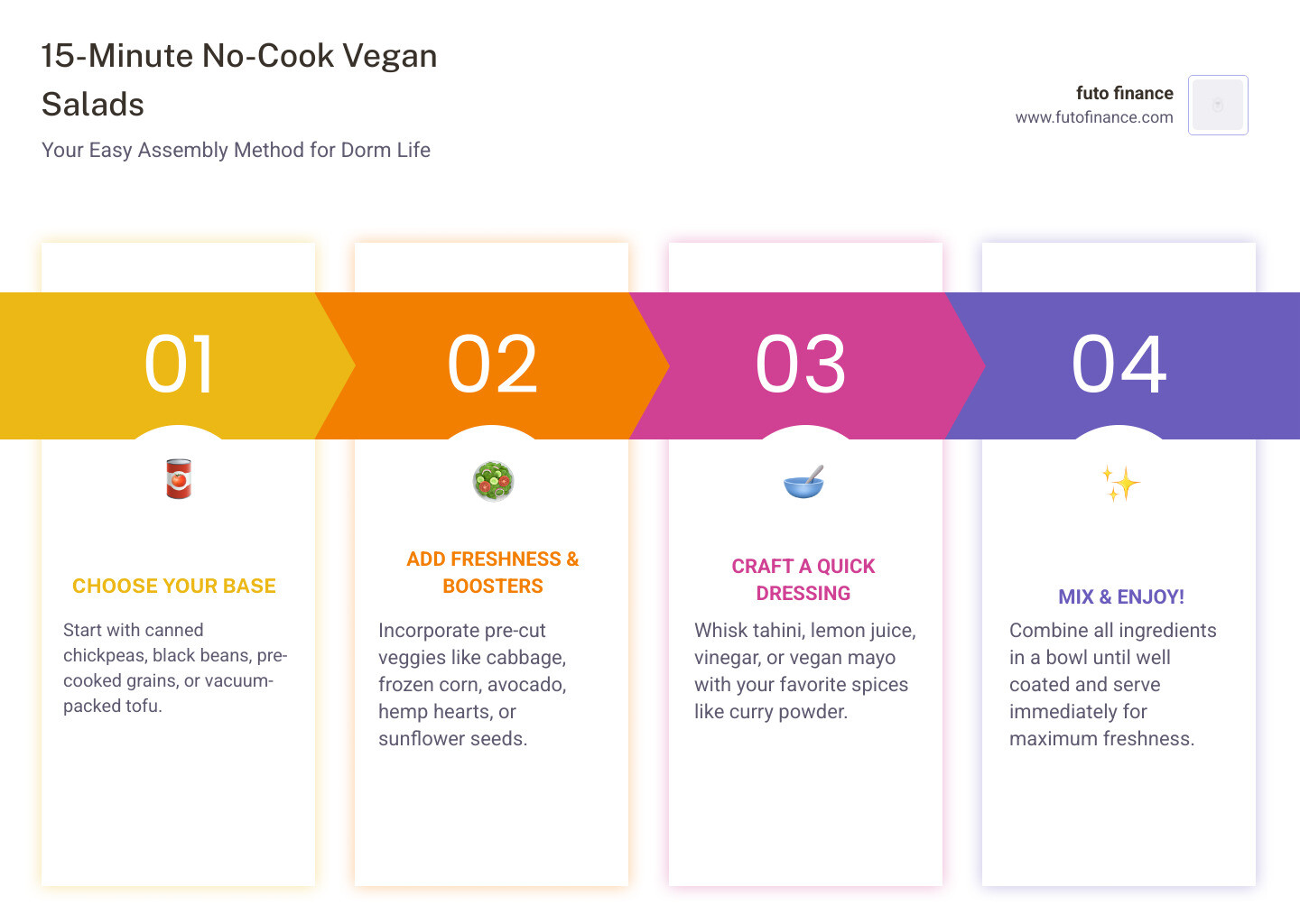
Why No Cook Vegan Salads are a Student Game-Changer
In the heat of April 2026, the last thing any of us wants to do is turn on a stovetop in a cramped dorm room or shared apartment. Beyond just avoiding the “sweat factor,” there is significant nutritional value in leaning toward raw, plant-based ingredients. Scientific research often highlights that many vitamins, such as Vitamin C and certain B vitamins, are heat-sensitive; by eating them raw, we ensure we’re getting the maximum nutrient density possible.
For the average university student, the benefits of no cook vegan salads go far beyond just health. Let’s talk about energy efficiency — not just for the planet, but for your wallet. Utilities are expensive, and avoiding the oven saves on your monthly bill. Then there’s the time-saving element. Most of these recipes come together in under 15 minutes, which is less time than it takes for a frozen pizza to preheat.
Furthermore, raw vegetables have a high water content, assisting with hydration during those long afternoon lectures. The high fiber intake from beans and raw greens keeps you full for hours, preventing the dreaded “afternoon slump” that comes from heavy, processed cafeteria food. If you’re looking to dive deeper into how plants can fuel your studies, check out our nutrition services.
Essential Pantry Staples for Filling No-Cook Meals
To master the art of the no-cook lifestyle, you need a solid foundation of shelf-stable and ready-to-eat items. We recommend keeping these “Big Five” in your dorm at all times:
- Canned Beans: Chickpeas, black beans, and kidney beans are the MVPs of satiety. They provide fiber and protein without any prep.
- Vacuum-Packed Tofu: Unlike water-packed tofu, the super-firm vacuum-sealed variety doesn’t require pressing. You can eat it straight from the package!
- Tahini: This sesame paste is the secret to creamy, nutty dressings that don’t require dairy.
- Seeds and Hearts: Sunflower seeds and hemp hearts add a much-needed crunch and a boost of healthy fats.
- Nutritional Yeast: Affectionately known as “nooch,” this provides a cheesy flavor and a shot of B12.
Protein Comparison: Beans vs. Tofu
Understanding your macros is key to staying full. Here is how our favorite no-cook proteins stack up per serving:
| Protein Source | Protein (approx.) | Best For |
|---|---|---|
| Black Beans (1 cup) | 15g | Southwestern styles |
| Chickpeas (1 cup) | 14.5g | Mediterranean/Tuna-style |
| Super-Firm Tofu (3 oz) | 13-15g | Curried salads/Cubes |
| Hemp Hearts (3 tbsp) | 10g | Topping any salad |
Don’t forget the “freezer hack”: frozen corn. You don’t need to cook it! Just let it thaw in your salad bowl for 10 minutes; it stays crisp and sweet, adding a burst of color. For more tips on building a budget-friendly kitchen, explore our meal planning guide.
Top Recipes for Refreshing No Cook Vegan Salads
When we say “salad,” we aren’t just talking about a sad bowl of lettuce. We mean hearty, protein-packed bowls that actually taste good. One of our favorites is the Vegan Cobb Salad, which can provide up to 19 grams of plant-based protein per serving by combining beans, tofu, and seeds.
The 10-Minute Rainbow No Cook Vegan Salads
This is the ultimate “I have a test in an hour” meal. It uses pre-shredded cabbage and carrots to eliminate chopping time entirely.
- Base: 2 cups shredded cabbage, 1 cup shredded carrots, 1 can rinsed chickpeas.
- Dressing: Whisk together 2 tbsp tahini, 1 tsp maple syrup, 1 tsp soy sauce (check for gluten-free if needed), and a squeeze of lime.
- Pro Tip: Add a handful of sunflower seeds for a crunch that rivals any crouton.
If you’re constantly on the move, these rainbow bowls are perfect for quick vegan snacks or light lunches.
Protein-Packed Curried Tofu No Cook Vegan Salads
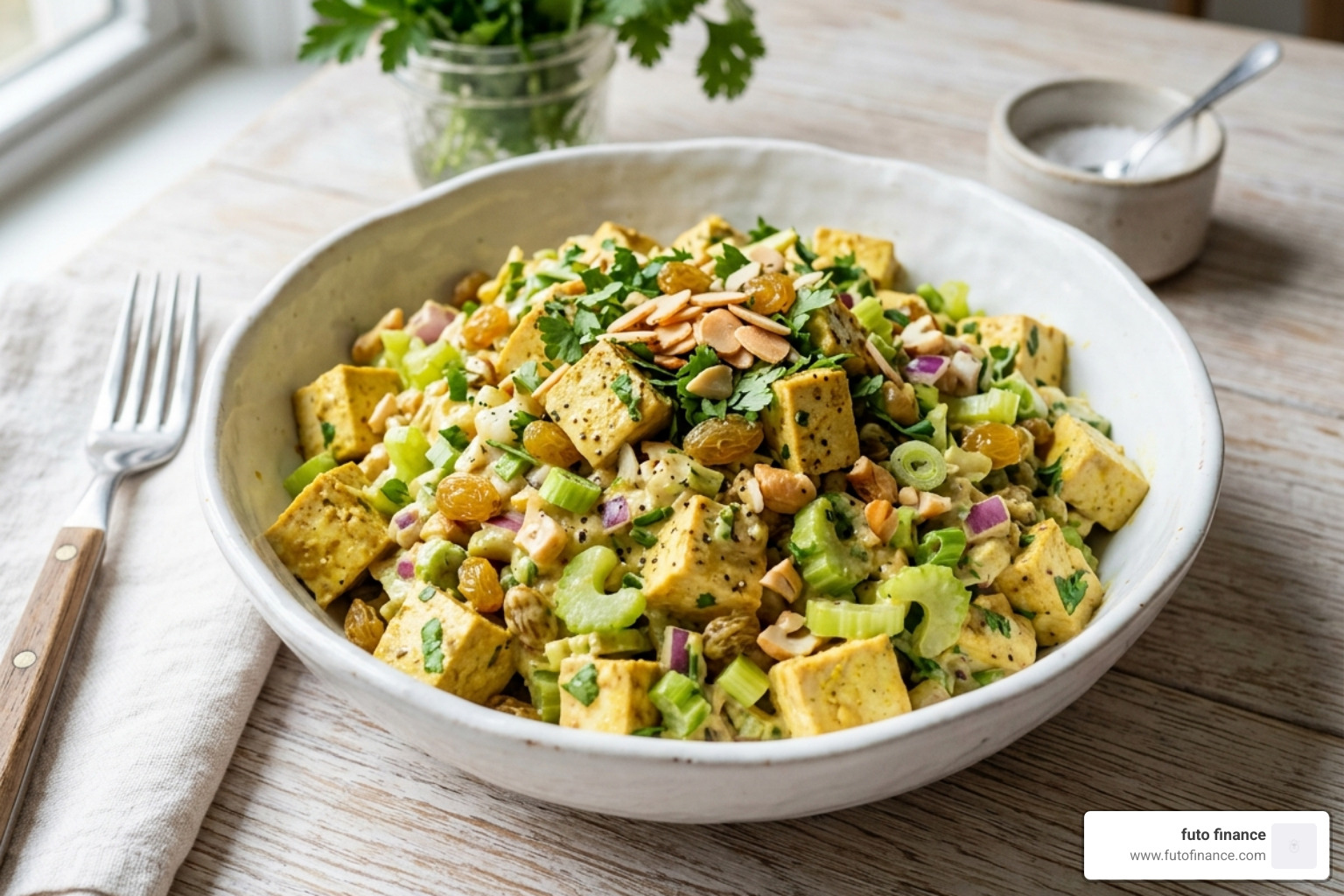
This recipe is inspired by high-end deli salads but costs a fraction of the price. By using super-firm, vacuum-packed tofu, you skip the 20-minute pressing process.
- The Mix: Cube the tofu into bite-sized pieces. Add 1/4 cup vegan mayo, 1 tbsp curry powder, a handful of raisins for sweetness, and chopped celery for crunch.
- The Protein: This salad packs about 13g of protein per serving.
- Flavor Hack: Let this sit in the fridge for a few hours. The tofu absorbs the curry spices, making it taste even better on day two!
The Budget-Friendly Three Bean Classic
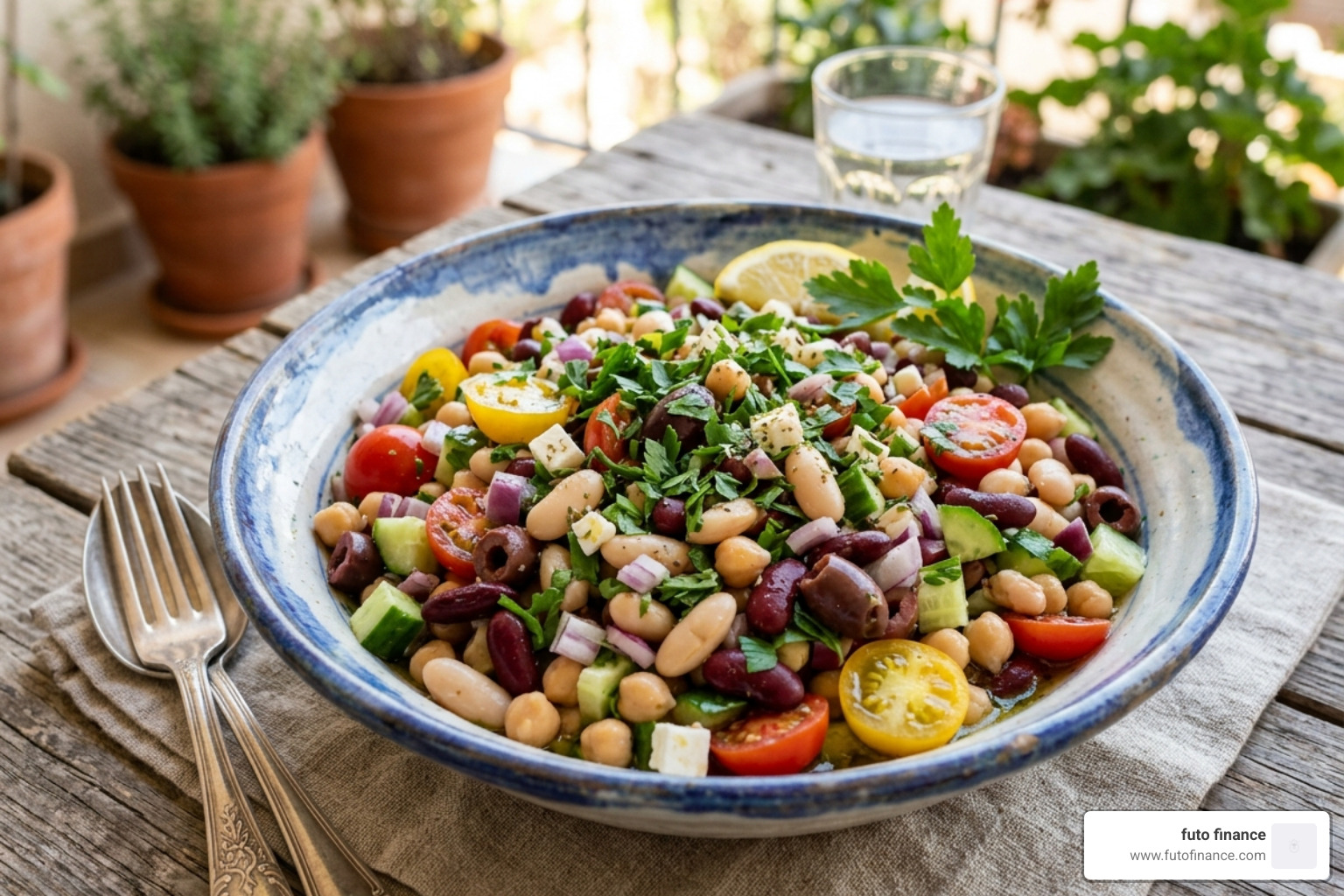
This is the “end of the month” hero. It uses three different types of canned beans (cannellini, kidney, and garbanzo) to create a massive 8-cup yield.
- Stats: Each serving is roughly 350 calories and provides a significant hit of iron and folate.
- Dressing: A simple balsamic vinaigrette (balsamic vinegar, olive oil, Dijon mustard, and a pinch of salt).
- Real World Use: This salad is incredibly sturdy. Unlike lettuce-based salads, it won’t wilt, making it the perfect candidate for 3-day meal prep.
Pro Tips for Meal Prep and Freshness
To keep your no cook vegan salads tasting like they were just made, follow these expert hacks:
- The Chickpea Mash: If you find whole chickpeas boring, lightly mash them with a fork. This creates more surface area for the dressing to cling to, giving you a “tuna salad” texture.
- Sodium Reduction: Always rinse your canned beans. Not only does this improve the flavor, but it can reduce the sodium content by up to 40%.
- Food Safety: Scientific research suggests that plant-based salads are generally safer to store than meat-based ones, but you should still follow standard food safety practices and aim to eat them within 4 days. Use airtight glass containers to keep the “fridge smell” out.
- Dressing Separation: If you’re prepping for the week, keep the dressing in a separate small jar. Only toss the salad right before you head to campus.
- The Kale Massage: If you’re using kale, pour a little lemon juice or dressing on it and “massage” the leaves with your hands for 60 seconds. This breaks down the tough fibers, making it much easier to digest.
Frequently Asked Questions about No-Cook Eating
How do I make no-cook salads more filling?
The secret to satiety is combining fiber with healthy fats. Don’t just eat veggies; add half an avocado or a generous drizzle of tahini-based dressing. Complex carbohydrates are also your friend — canned beans are great, but you can also buy pre-cooked quinoa or brown rice pouches that are shelf-stable and ready to eat. Adding hemp hearts or smoked tofu can also bump up the protein density.
How long can I store these salads in a dorm fridge?
Bean-based and grain-based salads (like the Three Bean Classic) actually improve with time and can last 3 to 4 days. However, salads with “wet” ingredients like cucumbers or tomatoes will release water over time and may become slightly soggy. Leafy greens like spinach or romaine should always be dressed at the last second. We recommend using glass airtight containers; they seal better than plastic and are easier to clean in a dorm sink.
Can I make these recipes oil-free?
Absolutely. Many students prefer oil-free options for health or budget reasons. You can achieve a “creamy” mouthfeel by using mashed avocado as a base for your dressing. Hummus also makes an excellent “instant dressing” when thinned out with a little lemon juice or water. A simple lemon-tahini whisk is naturally rich without needing any added oils.
Conclusion
Surviving college doesn’t mean you have to survive on instant noodles. As we navigate the summer of April 2026, no cook vegan salads offer a way to eat nutritiously, stay cool, and keep your budget intact. By utilizing pantry staples like canned beans and vacuum-packed tofu, you can create gourmet-level meals in the time it takes to boil a pot of water.
At Futo Finance, we believe that affordable, plant-based nutrition should be accessible to every student, regardless of their kitchen setup. Whether you’re prepping for a long day in the library or a picnic on the quad, these recipes are designed to fuel your success. Explore more student-friendly vegan guides and join our community of plant-powered learners!

Melo Rodrigues is the founder of Futo Finance and a specialist in student-budget veganism. Having mastered the art of plant-based cooking in a university setting, Melo is dedicated to helping students achieve nutritional excellence without financial strain. Through Futo Finance, Melo shares lab-tested strategies for eating smart and living sustainably on a budget.
