
High fiber vegan recipes for a happy gut
Most Americans Are Missing This One Nutrient — And Vegan Meals Fix That
High fiber vegan recipes are one of the easiest ways to boost your daily fiber intake with affordable, filling, plant-based meals.
Here are some of the best high-fiber vegan recipes to get you started:
- Overnight oats with chia seeds – 12+ grams of fiber per serving
- Lentil bolognese pasta – 16 grams of fiber per serving
- Three-bean chili – 19 grams of fiber per serving
- Quinoa stuffed peppers – 9 grams of fiber per serving
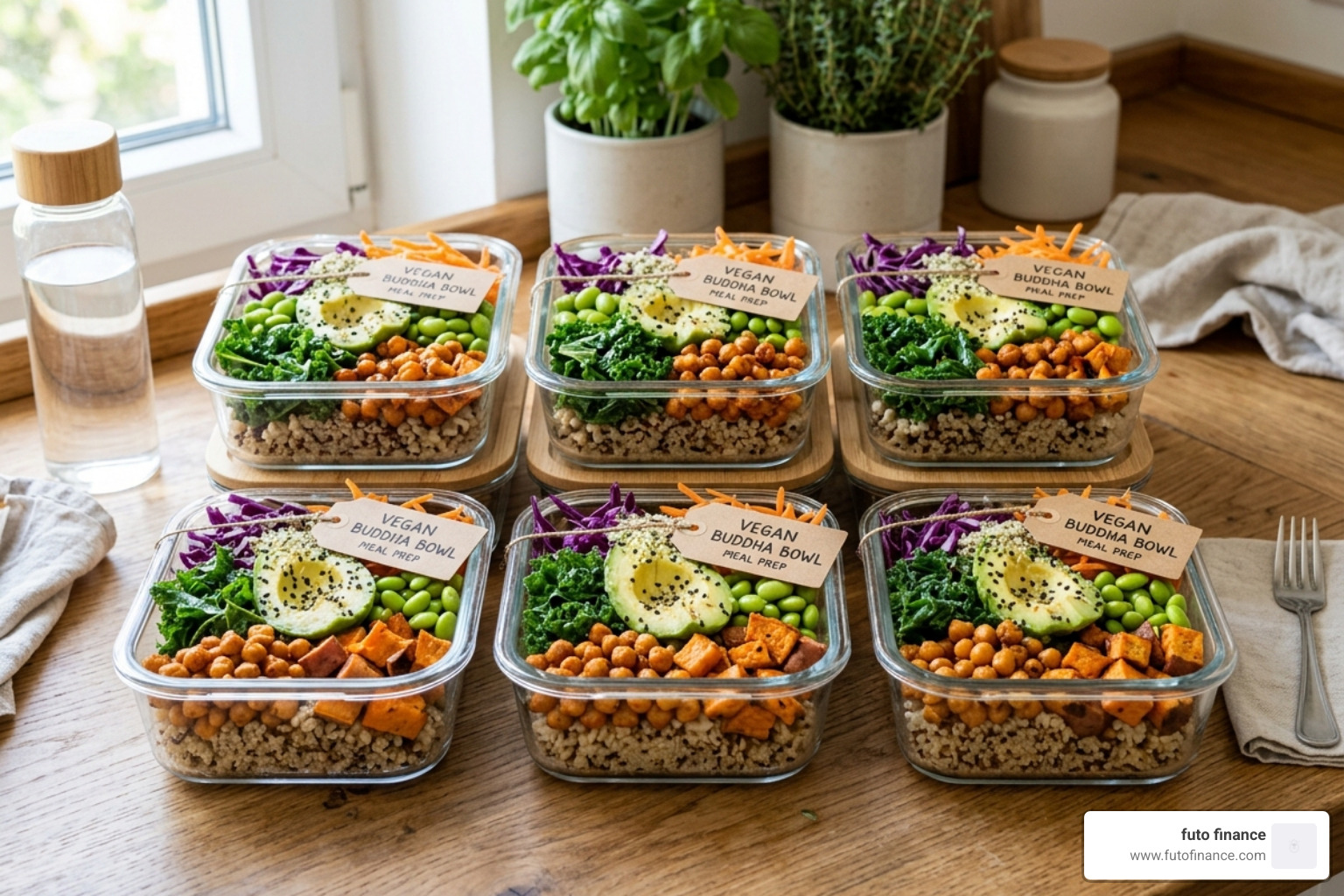
- Sweet potato chickpea Buddha bowl – ~10 grams of fiber per serving
- Vegan burrito bowl – 17 grams of fiber per serving
- Crispy baked falafels – 18 grams of fiber per serving
- Chickpea “tuna” salad – high fiber, meal-prep friendly
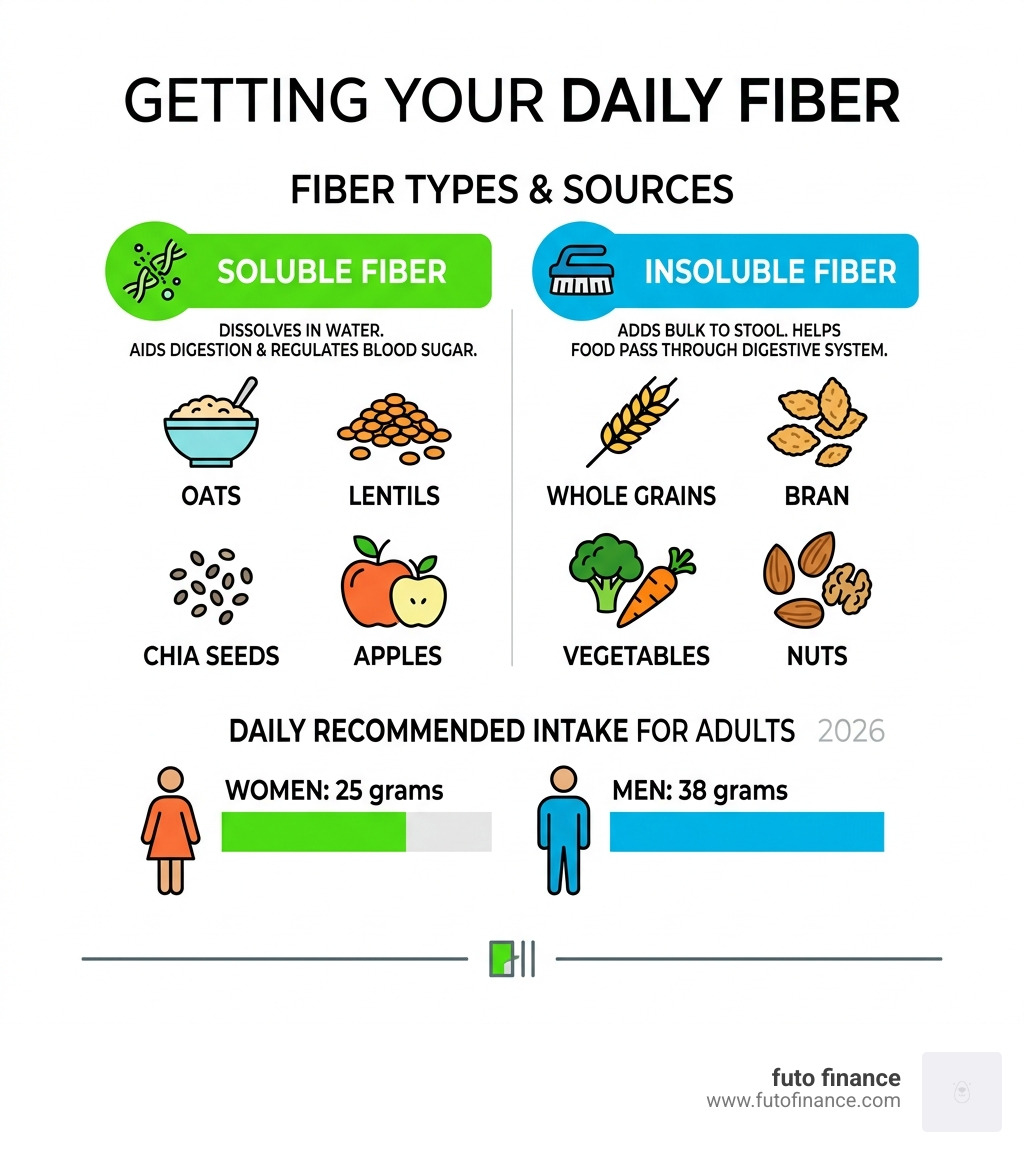
Here’s a sobering fact: 95% of Americans don’t get enough fiber. The average person consumes only about 15 grams per day — well below the recommended 25 grams for women and 38 grams for men.
And the fix? It’s simpler than you think.
Plants. Beans, lentils, whole grains, fruits, and vegetables are all naturally loaded with fiber. When you build meals around these ingredients, hitting your daily target becomes almost effortless.
Think of fiber like a broom for your gut — it sweeps things along, feeds your beneficial gut bacteria, and keeps digestion running smoothly. Without enough of it, digestion slows down and you can feel sluggish, heavy, and uncomfortable.
The good news for budget-conscious students: the most fiber-rich foods — lentils, chickpeas, oats, brown rice — are also some of the cheapest ingredients at any grocery store. High-fiber eating doesn’t have to be expensive or complicated.
Why Your Gut Craves High Fiber Vegan Recipes
As we move through April 2026, the focus on gut health has never been stronger. Science consistently shows that high fiber vegan recipes are about more than just “regularity.” Fiber is a powerhouse nutrient that acts as the primary fuel for your gut microbiome—the trillions of bacteria living in your digestive tract that influence everything from your mood to your immune system.
When we eat fiber, we are essentially providing a feast for beneficial bacteria. These bacteria produce short-chain fatty acids that reduce inflammation and improve the health of our intestinal lining. But the benefits don’t stop at the gut. Fiber is a master regulator of blood sugar. Unlike refined carbs (like white bread or sugary cereals), fiber slows down the absorption of sugar, preventing the dreaded “post-lunch crash” that makes afternoon lectures so difficult to sit through.
For those of us managing a tight student budget, fiber is also our best friend for weight management and satiety. Fiber adds bulk to our meals without adding excessive calories. This concept, known as “low caloric density,” means we can eat a larger, more satisfying volume of food while staying within our energy needs.
The Academy of Nutrition and Dietetics recommends that women aim for at least 25 grams of fiber daily, while men should target 38 grams (or roughly 14 grams for every 1,000 calories consumed). Considering that more than 90% of women and 97% of men currently fail to meet these goals, switching to plant-based staples is the most efficient way to close the gap. Animal products—meat, dairy, and eggs—contain exactly zero grams of fiber. By choosing plants, you are choosing nutrient density and long-term health.
Essential Ingredients for a Fiber-Rich Pantry
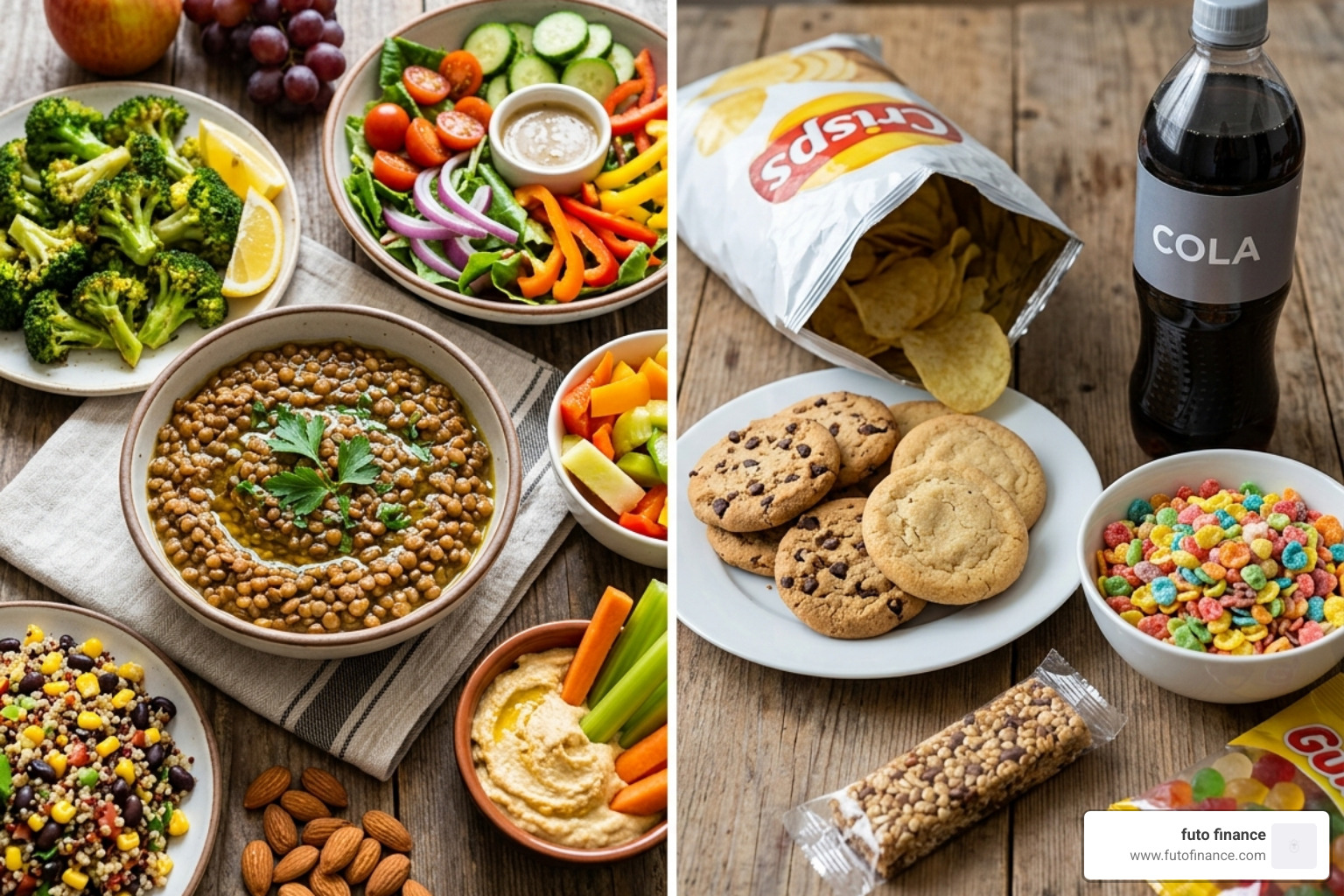
Building a high-fiber kitchen doesn’t require a massive investment. In fact, many of the best sources of fiber are shelf-stable and can be bought in bulk to save money. We recommend keeping these staples on hand:
- Legumes: Lentils, chickpeas, black beans, and kidney beans are the kings of fiber. One cup of cooked lentils provides about 15-16 grams of fiber and 18 grams of protein.
- Whole Grains: Swap white rice for quinoa, brown rice, or farro. Quinoa is a student favorite because it cooks in just 15 minutes and offers a complete amino acid profile.
- Seeds: Chia seeds and ground flaxseeds are fiber bombs. Just two tablespoons of chia seeds contain 10 grams of fiber.
- Vegetables: Sweet potatoes, broccoli, and kale are high-yield fiber sources. Fun fact: an entire head of broccoli contains about 18 grams of protein along with its massive fiber content!
- Fruit: Berries, apples, and pears (keep the skin on!) are perfect for hitting your targets.
Fiber vs. Protein: Plant-Based vs. Animal-Based
Many people worry that focusing on fiber means sacrificing protein. The truth is that plant staples provide both.
| Food Item (1 Cup Cooked) | Fiber Content | Protein Content |
|---|---|---|
| Lentils | 15.6g | 18g |
| Chickpeas | 12.5g | 14.5g |
| Black Beans | 15g | 15g |
| Quinoa | 5g | 8g |
| Chicken Breast (1 cup) | 0g | 43g |
| Ground Beef (1 cup) | 0g | 36g |
As you can see, while meat is high in protein, it offers nothing for your gut health. High fiber vegan recipes give you the best of both worlds.
12 Best High Fiber Vegan Recipes for Every Meal
We’ve curated these recipes to be student-friendly: they are affordable, great for batch cooking, and designed to keep you full during long study sessions.
Breakfast High Fiber Vegan Recipes
Starting your day with a high-fiber meal stabilizes your energy levels right from the start.
- Carrot Cake Overnight Oats: Mix oats, grated carrots, chia seeds, and soy milk. Let it sit overnight. This combo offers about 12 grams of fiber per serving and tastes like dessert for breakfast.
- Chickpea Scramble: Mash chickpeas with turmeric, nutritional yeast, and a splash of water. Sauté with spinach. It’s a high-protein, high-fiber alternative to eggs that won’t leave you feeling heavy.
- Savory Tamale Breakfast Bowls: Use instant polenta topped with black beans, avocado, and salsa. This is a great way to get 10-15 grams of fiber before your first class.
- Chia Seed Pudding: A simple mix of chia seeds and plant milk. Top with berries for an extra fiber boost. It’s portable and perfect for eating on the go.
Learn more about vegan nutrition for students to help you balance your macros while saving money.
Lunch and Salad Ideas
The key to a satisfying vegan lunch is avoiding the “sad side salad” trap. You need volume and protein.
- Chickpea “Tuna” Salad: Mash chickpeas with vegan mayo (or tahini), celery, and red onion. Serve it on whole-grain toast or in a wrap. It’s a meal-prep legend that stays fresh in the fridge for days.
- Rainbow Protein Bowls: Layer quinoa, roasted sweet potatoes, black beans, and shredded purple cabbage. Drizzle with a lemon-tahini dressing. These bowls are “fiesta-ready” and packed with diverse fiber types.
- Lentil Tabbouleh: Swap some of the bulgur for cooked green lentils. This increases the protein and fiber content significantly, making the salad a full meal rather than just a side.
- Cabbage Cashew Crunch Salad: Use a base of shredded cabbage and kale. The crunch keeps you engaged, and the fiber from the cruciferous veggies is excellent for digestion.
Dinner High Fiber Vegan Recipes
After a long day, these comforting meals will help you wind down without the digestive discomfort often associated with heavy, meat-based dinners.
- Lentil Bolognese: Replace ground meat with brown lentils in your favorite pasta sauce. Serve over whole-wheat pasta. You’ll get about 16 grams of fiber per serving. It’s “Nonna-approved” comfort food.
- Quinoa Stuffed Peppers: Stuff bell peppers with a mix of quinoa, black beans, corn, and Italian seasonings. Bake until tender. Each pepper half is a tidy package of nutrition, offering 9 grams of protein and fiber.
- 15-Minute Vegan Chili: Use canned kidney beans, black beans, and pinto beans with canned tomatoes and chili spices. It’s the ultimate budget meal—cheap, fast, and provides 19 grams of fiber per bowl.
- Sweet Potato Black Bean Tacos: Roast diced sweet potatoes and toss them with seasoned black beans. Serve in corn tortillas with avocado. It’s a perfect “taco Tuesday” option that supports gut health.
High-Fiber Vegan Desserts
Yes, you can satisfy your sweet tooth while helping your gut!
- Apple-Raspberry Crisp: Use an oat and walnut topping. This dessert contains about 9 grams of fiber—which is 9 grams more than most traditional desserts!
- Chocolate Protein Pudding: Blend silken tofu with cocoa powder and a bit of maple syrup. It’s creamy, rich, and surprisingly high in fiber and protein.
Simple Tips to Increase Fiber Without Bloating
If you are currently only eating 15 grams of fiber and try to jump to 40 grams tomorrow, your gut might protest. We want to avoid “fiber shock,” which can cause gas and bloating.
- Start Slow: Increase your fiber intake gradually over 2-3 weeks. Give your gut bacteria time to adjust to the new workload.
- Hydrate, Hydrate, Hydrate: Fiber needs water to move through your system. If you increase fiber without increasing water, you might end up constipated. Think of water as the lubricant for that “broom” we mentioned earlier.
- Rinse Your Beans: If using canned beans, rinse them thoroughly. This removes the complex sugars (oligosaccharides) that often cause gas.
- Soak Your Grains: Soaking grains like steel-cut oats or brown rice overnight can improve digestibility and make them creamier.
- Chew Thoroughly: Digestion starts in the mouth. Breaking down high-fiber foods well before they hit your stomach makes the job easier for your gut.
Frequently Asked Questions about High Fiber Vegan Recipes
How do high-fiber meals support weight management?
High-fiber meals are excellent for weight management because they promote satiety. Fiber slows down gastric emptying, meaning the food stays in your stomach longer, keeping you full. Additionally, fiber-rich foods like vegetables and legumes have a lower caloric density, allowing you to eat a larger volume of food for fewer calories compared to processed or animal-based meals.
Can I get enough protein from high-fiber vegan meals?
Absolutely. Many people mistakenly believe that protein and fiber are mutually exclusive. In the plant kingdom, they often come together. Lentils, chickpeas, and beans are high-protein powerhouses. Even “non-protein” foods like broccoli or whole-wheat pasta contribute significant amounts. By eating a variety of high fiber vegan recipes, you’ll easily meet your protein needs without the saturated fat and cholesterol found in animal products.
What are the best meal prep strategies for fiber-rich diets?
- Batch Cook Grains: Cook a large pot of quinoa or brown rice on Sunday to use throughout the week.
- Freeze Your Legumes: If you cook beans from scratch, freeze them in portion-sized bags.
- Separate the Dressing: For salads and grain bowls, keep the dressing in a separate small container. This prevents your fiber-rich veggies from getting soggy by Wednesday.
- The 3-Day Rule: Most cooked high-fiber meals (like chili or lentil soup) stay fresh for 4-5 days, but they often taste even better on day two!
Conclusion
At Futo Finance, we believe that eating well shouldn’t be a luxury. By embracing high fiber vegan recipes, you’re not just saving money on expensive meats; you’re investing in your long-term health, energy, and gut happiness. Whether you’re a busy student prepping for finals or just looking to feel better in your daily life, these plant-based staples are the key.
The journey to a happy gut starts with one meal. Maybe it’s a bowl of overnight oats tomorrow morning or a quick batch of three-bean chili for dinner tonight. Whatever you choose, your body (and your wallet) will thank you.
Start your vegan journey with Futo Finance today and discover how delicious and affordable a high-fiber lifestyle can be!

Melo Rodrigues is the founder of Futo Finance and a specialist in student-budget veganism. Having mastered the art of plant-based cooking in a university setting, Melo is dedicated to helping students achieve nutritional excellence without financial strain. Through Futo Finance, Melo shares lab-tested strategies for eating smart and living sustainably on a budget.
