
Healthy Homemade Vegan Lunchables for Stress-Free Mornings
Why Vegan Lunchable Ideas Are a Game-Changer for Busy Students
Vegan lunchable ideas are one of the easiest ways to eat well on a student budget without spending hours in the kitchen.
Here are the core components of a great DIY vegan lunchable:
| Category | Examples |
|---|---|
| Protein | Tofu cubes, chickpeas, black beans, plant-based deli slices |
| Grain/Cracker | Whole grain crackers, pita, tortillas, rice cakes |
| Dairy-Free Cheese | Violife slices, Chao, Daiya cheddar block |
| Fruit or Veggie | Grapes, apple slices, carrot sticks, cherry tomatoes |
| Dip | Hummus, guacamole, salsa, sunflower seed butter |
| Treat | Dark chocolate chips, a small granola bar, dried fruit |
Remember Lunchables? That little tray of crackers, meat, and cheese that felt like the best part of the school day?
That nostalgic feeling is still very real — but the original version has some serious problems. A Consumer Reports study found that store-bought Lunchables contain high levels of lead, sodium, and cadmium. They’re also expensive for what you actually get, loaded with preservatives, and almost never plant-based.
The good news: you can build something better in under 10 minutes.
DIY vegan lunchables give you full control over what goes in your box. Better ingredients. Lower sodium. More fiber. And — critically for students — a much lower cost per meal than buying pre-packaged options.
This guide covers everything you need to build a week’s worth of stress-free, budget-friendly vegan snack boxes that actually keep you full between lectures.
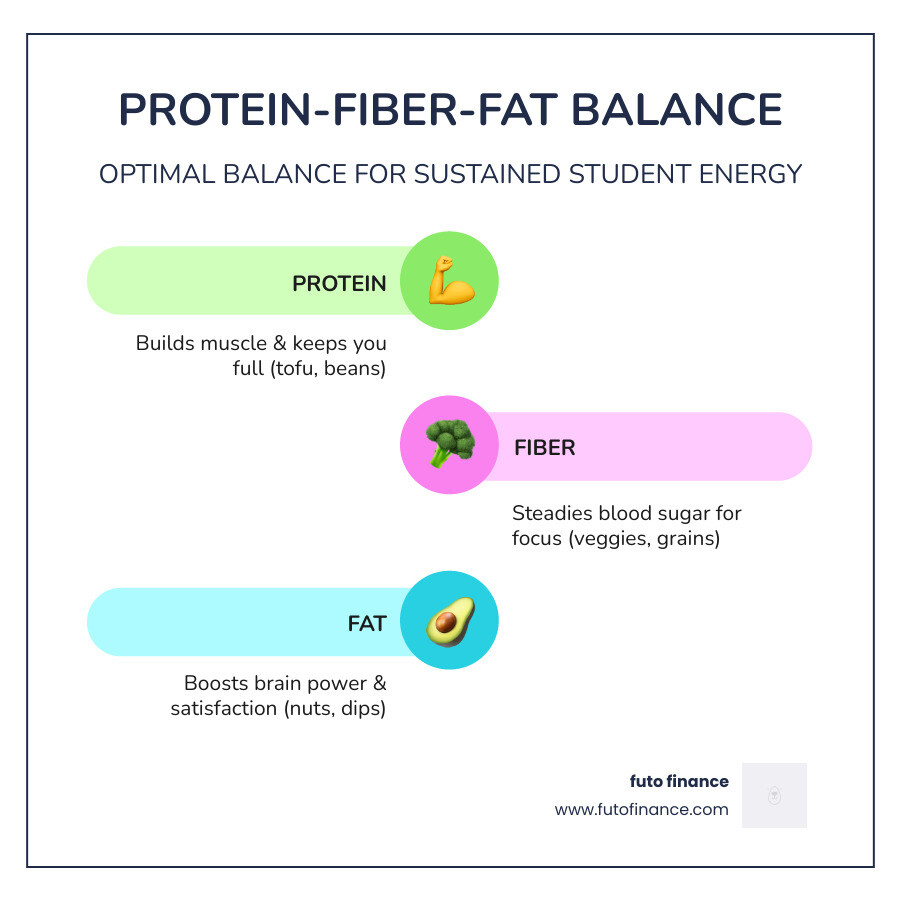
The Best Vegan Lunchable Ideas for Healthy Meal Prep
When we think about meal prep in April 2026, we aren’t just looking for convenience; we are looking for health and sustainability. Traditional pre-packaged lunches are often “empty calories”—they provide energy but lack the nutrients needed for a long day of studying. By shifting to vegan lunchable ideas made at home, we prioritize whole foods that fuel the brain.
Recent research has highlighted alarming concerns regarding commercial processed snacks. Studies from Consumer Reports have flagged high levels of heavy metals like lead and cadmium in popular snack kits. By making your own, you eliminate these risks entirely. You also ditch the single-use plastic trays, making your lunch routine much kinder to the planet.
For us students, the biggest win is the budget. Store-bought convenience meals carry a “convenience tax.” When you buy ingredients like beans, crackers, and carrots in bulk, the cost per serving drops significantly. You aren’t paying for fancy branding; you’re paying for high-quality, preservative-free fuel.

High-Protein Vegan Lunchable Ideas for Students
Protein is what keeps you from reaching for a sugary snack an hour after lunch. Since we want to stay sharp for exams, we need diverse, plant-based protein sources.
- Tofu Cubes: Press your tofu to remove moisture, then bake or air-fry it with a splash of soy sauce. It mimics the texture of cheese or meat cubes perfectly.
- Smoked Seitan: This is a fantastic “wheat meat” that provides a savory, chewy texture.
- Chickpea Salad: Mash chickpeas with a bit of vegan mayo or tahini for a filling protein “scoop.”
- Edamame: Buy these frozen (shelled or in the pod) for a quick, high-fiber protein hit.
- Plant-Based Deli Slices: Brands like Tofurky or Lightlife offer slices with up to 14g of protein, making them an easy swap for traditional ham or turkey.
Budget-Friendly Vegan Lunchable Ideas for University Life
Living on a student budget doesn’t mean eating poorly. It just means shopping smarter.
- Canned Beans: Black beans and chickpeas are incredibly cheap and require zero cooking. Just rinse and season.
- Bulk-Bought Crackers: Skip the individual snack packs. Buy large boxes of whole-grain crackers or “hint of salt” Triscuits.
- Seasonal Fruit: Apples and oranges are generally cheaper and last longer in a backpack than berries.
- Sunflower Seed Butter: It’s often more affordable than almond butter and is a great nut-free alternative for campus environments.
- Homemade Hummus: A can of chickpeas and a dollop of tahini can make a week’s worth of dip for a fraction of the price of store-bought tubs.
Essential Components for a Balanced Student Bento
Building a balanced lunch is like a science experiment, but much tastier. We want a mix of textures—crunchy crackers paired with creamy dips—and a rainbow of colors to ensure we’re getting different vitamins.
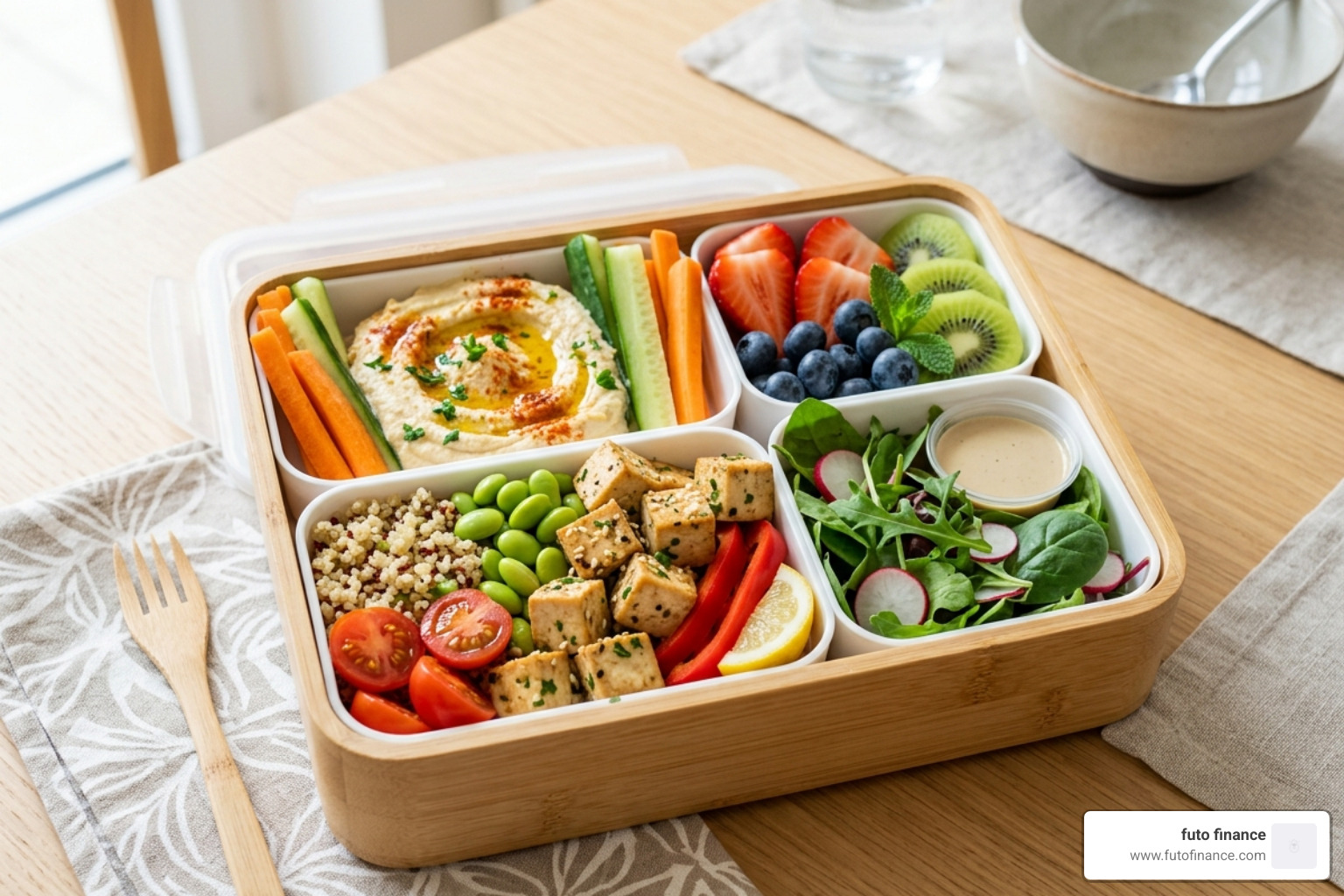
- Plant-Based Proteins: Aim for at least two sources to keep things interesting.
- Dairy-Free Cheese: Look for blocks you can cube yourself, like Daiya or Violife, which is often cheaper than buying pre-sliced packs.
- Whole Grains: Use pita bread, tortillas, or high-fiber crackers to provide sustained energy.
- Fresh Produce: Carrots, celery, and grapes provide the “crunch” factor and essential hydration.
- Savory Dips: Hummus, salsa, or even a simple bean dip act as the “glue” that brings the meal together.
- The Sweet Treat: Never skip dessert! A few dark chocolate chips or a vegan protein ball provides that necessary midday dopamine hit.
Customizing Your Vegan Lunchable Ideas for Dietary Needs
One of the best things about DIY vegan lunchable ideas is that they are infinitely customizable.
- Gluten-Free: Swap wheat crackers for rice crackers or use corn tortillas for mini quesadillas.
- Nut-Free Policies: Many campuses are nut-free. Use sun butter or roasted pumpkin seeds (pepitas) instead of almonds or peanut butter.
- Low-Sodium: Control your salt intake by using dry beans instead of canned, or by making your own oil-free crackers.
- High-Fiber: Focus on lentils and “kale thins” to help maintain focus during long afternoon seminars.
7 Easy Recipes for Stress-Free Mornings
You don’t need a culinary degree to master these. Most of these take less than 10 minutes to assemble if you’ve done a little bit of prep over the weekend.
- Homemade Veggie Pinwheels: Spread a thick layer of hummus on a tortilla, pile on shredded carrots and spinach, roll tightly, and slice. Use a serrated knife for the cleanest cut! You can find more inspiration for these Sandwich Pinwheels | Vegan – EatPlant-Based .
- Mini DIY Pizzas: Pack small whole-wheat pitas, a small container of pizza sauce, and a sprinkle of vegan mozzarella. Add a few slices of vegan pepperoni for the full experience.
- Deconstructed Nachos: Pack sturdy corn chips, a container of black beans mixed with corn, and a side of salsa or vegan nacho cheese.
- Vegan Charcuterie: This is the “fancy” lunchable. Use smoked tofu, vegan cheese cubes, dried apricots, walnuts (if permitted), and gourmet crackers.
- Mini Quesadillas: Use small tortillas filled with black beans and vegan shreds. These are great because they can be eaten cold or quickly zapped in a campus microwave.
- Mexican Haystacks: A fun twist! Layers of corn chips, a seasoned bean medley (simmered with onion and garlic), and a fresh pico de gallo salad.
- Fresh Lettuce Wraps: Inspired by restaurant favorites, use large Romaine leaves to wrap a mixture of crumbled tofu and sautéed mushrooms.
Step-by-Step Assembly for Quick Vegan Lunchable Ideas
- Step 1: Container Selection. Use a bento-style box with at least three compartments.
- Step 2: Protein Placement. Put your “wet” proteins (like chickpea salad) in a leak-proof section or a small silicone cup.
- Step 3: Keep Grains Separate. Never put crackers next to wet fruit! They will turn into a soggy mess by noon.
- Step 4: Fruit Prep. Toss apple slices in a tiny bit of lemon juice to prevent browning.
- Step 5: Dip Portioning. Use small reusable containers for hummus or salsa to prevent leaks.
- Step 6: The Treat. Tuck your chocolate or granola bar into a small corner as a reward for finishing your veggies.
Pro Tips for Packing and Storage
To truly master vegan lunchable ideas, you need to think about the “shelf life” of your ingredients. Nobody wants a sad, wilted lunch.
| Feature | Store-Bought Lunchable | Homemade Vegan Lunchable |
|---|---|---|
| Cost (Approx.) | $4.50 – $6.00 | $1.50 – $2.50 |
| Sodium | High (600mg+) | Low to Moderate (Adjustable) |
| Fiber | Low (0-2g) | High (5-10g) |
| Preservatives | Many | None |
| Customization | Zero | Infinite |
Choosing the Right Box: We highly recommend investment in a good bento box. Glass containers are great for leftovers that need reheating, but for lunchables, lightweight BPA-free plastic or stainless steel with compartments works best for carrying across campus.
Preventing Sogginess: This is the #1 lunchable fail. Use silicone cupcake liners to create extra barriers within your container. If you’re packing something like a “taco lunchable,” keep the salsa in a separate tiny jar until the moment you eat.
Batch Cooking Basics: Spend 30 minutes on Sunday evening. Roast a big tray of tofu, wash all your grapes, and slice a bag of carrots. If the components are ready, assembly takes 2 minutes in the morning.
Frequently Asked Questions
Are homemade vegan lunchables healthier than store-bought?
Absolutely. When we make them ourselves, we control the quality of the calories. Store-bought versions are often calorie-dense but nutrient-poor. A homemade version using tofu, crackers, and fresh fruit provides around 499 calories but includes 7g of protein and 5g of fiber, which is much more balanced than the processed alternative. Plus, you avoid the high sodium and heavy metal concerns associated with factory-made kits.
How long do vegan lunchables stay fresh in the fridge?
Most vegan lunchable ideas will stay fresh for up to 5 days if stored in airtight containers. However, for the best texture, we recommend adding “crunchy” items like crackers or chips on the morning you plan to eat them. Items like sliced cucumbers or apples are best prepped every 2 days to maintain crispness.
What are the best containers for packing vegan lunchables?
Compartmentalized bento boxes are the gold standard. They keep flavors from mingling and prevent the “soggy cracker” syndrome. If you don’t have a bento box, you can use a large Tupperware and use silicone dividers or even small snack-sized reusable bags to keep things separate.
Conclusion
At Futo Finance, we believe that your academic success starts with what’s on your plate. Navigating university life is stressful enough without worrying about where your next healthy meal is coming from or how much it will cost. By embracing these vegan lunchable ideas, you’re choosing a lifestyle that supports both your brain and your bank account.
Healthy eating doesn’t have to be expensive or complicated. With a little bit of prep and a few budget-friendly staples, you can enjoy stress-free mornings and delicious, nutrient-dense lunches every single day.
For more tips on affordable plant-based living and student-focused recipes, check out More info about vegan student services. Happy prepping!

Melo Rodrigues is the founder of Futo Finance and a specialist in student-budget veganism. Having mastered the art of plant-based cooking in a university setting, Melo is dedicated to helping students achieve nutritional excellence without financial strain. Through Futo Finance, Melo shares lab-tested strategies for eating smart and living sustainably on a budget.
