
Cheap Vegan Slaw and Simple Falafel Recipes for Beginners
Why a Simple Vegan Falafel Recipe Belongs in Every Student’s Rotation
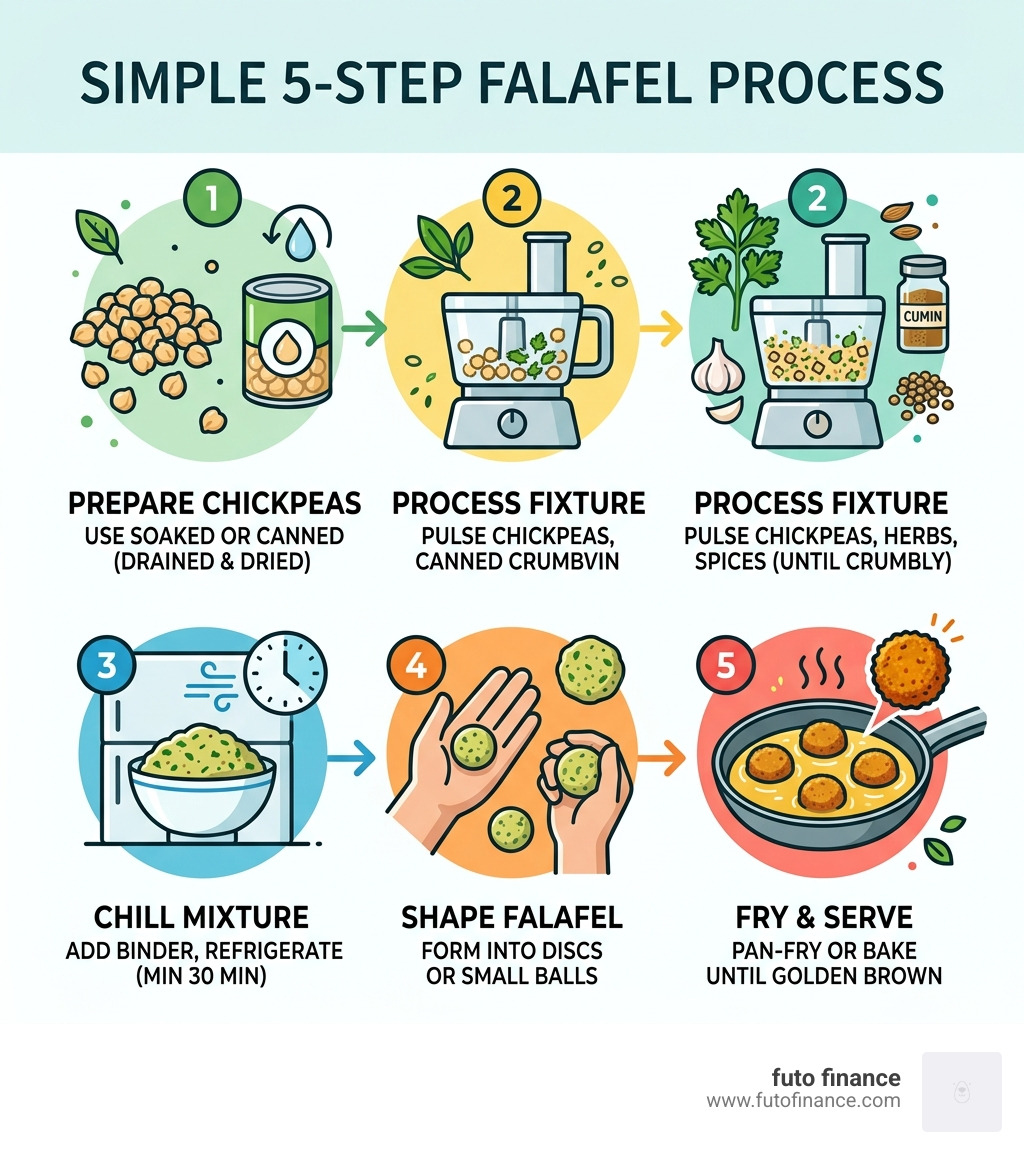
A simple vegan falafel recipe is one of the easiest, most affordable plant-based meals you can make – and it only takes about 30 minutes of active cooking time.
Here’s the quick version:
- Drain and dry canned chickpeas (or use soaked dried chickpeas)
- Pulse chickpeas, fresh parsley, garlic, cumin, and coriander in a food processor until crumbly
- Add a little flour to bind the mixture, then chill for at least 30 minutes
- Shape into small discs or balls
- Pan-fry until golden brown, or bake at 400°F for a lighter option
That’s it. Crispy outside, fluffy inside, packed with protein and flavor.
Falafel is a Middle Eastern street food traditionally made from chickpeas, fresh herbs, and spices. It’s been a staple for centuries – and for good reason. It’s filling, cheap, and completely plant-based.
The whole recipe can cost as little as $3 for a full batch (around $0.16 per piece). For a student on a tight budget, that’s hard to beat.
The only real challenge? Getting the texture right. Too wet and they fall apart. Over-processed and they turn into hummus. But once you know the basics, this is a recipe you’ll make on repeat.
Why This Simple Vegan Falafel Recipe is a Student Essential
As we navigate the food landscape of April 2026, the focus has shifted heavily toward sustainable, high-protein, and low-cost ingredients. For university students, the simple vegan falafel recipe isn’t just a meal; it’s a survival strategy. When you’re balancing lectures and late-night study sessions, you need food that fuels your brain without draining your bank account.
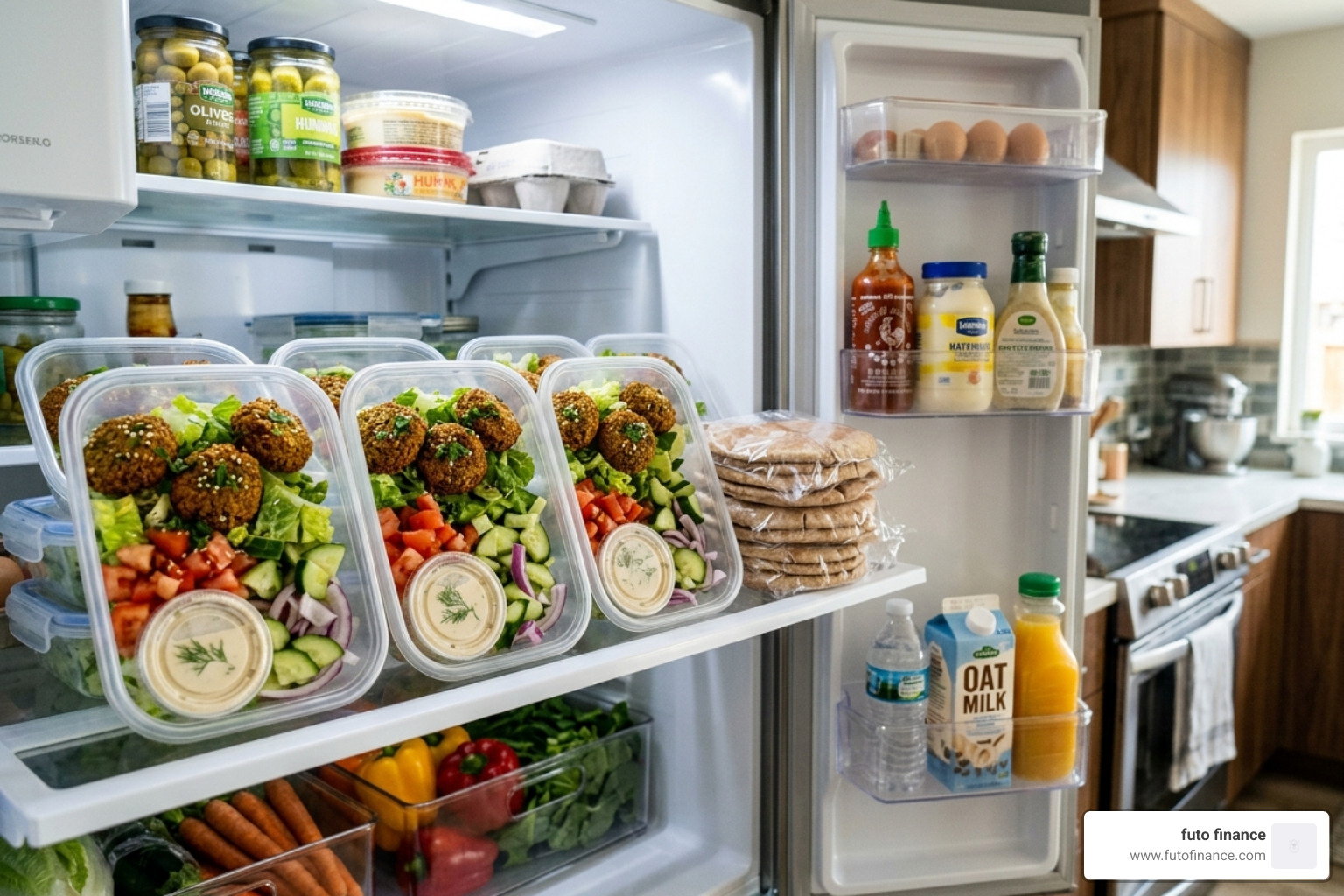
At Futo Finance, our philosophy is rooted in making plant-based living accessible. We know that “expensive” and “vegan” are often used in the same sentence, but falafel proves that theory wrong. Based on our research, a single serving of homemade falafel can cost as little as $0.16 per serving. Compare that to a $12 takeout bowl, and the choice is clear.
Understanding the Simple Vegan Falafel Recipe Basics
At its heart, falafel is a humble dish. The core ingredients are chickpeas (or fava beans in some regions), fresh parsley, cilantro, garlic, and a blend of warm spices like cumin and coriander. The goal is to achieve an authentic texture—a contrast between a deeply golden, crispy exterior and a light, herb-flecked interior.
The “magic” happens in the food processor. You aren’t looking for a smooth paste; you want a coarse, crumbly meal that holds together when squeezed. If you over-blend, you’re essentially frying hummus, which leads to a pasty, heavy texture that lacks the signature fluffiness of a great falafel.
Nutritional Benefits for Busy Students
Students need sustained energy, not just a quick sugar fix. Falafel is a nutritional powerhouse:
- Complex Carbohydrates: The starch in chickpeas provides a slow release of energy, keeping you full through a three-hour seminar.
- Plant Protein: Each serving offers a significant protein boost (roughly 5-8g depending on the recipe), essential for muscle repair and cognitive function.
- Fiber: High fiber content supports digestion and helps maintain steady blood sugar levels.
- Micronutrients: You’re getting a healthy dose of iron, magnesium, and Vitamin B6, which are vital for fighting off that “library fatigue.”
Dried vs. Canned Chickpeas: Choosing Your Base
The great falafel debate usually centers on the beans. While traditionalists insist on dried chickpeas, we know that as a student, you might not always have 24 hours to plan ahead.
| Feature | Dried Chickpeas | Canned Chickpeas |
|---|---|---|
| Texture | Superior (Crispy & Light) | Softer (Can be Mushy) |
| Prep Time | 8-24 hours (Soaking) | 2 minutes (Rinsing) |
| Cost | Dirt Cheap | Very Affordable |
| Binding | Natural Starches | Needs Flour/Binder |
The Science of the Soak: Traditional falafel uses raw chickpeas that have been soaked until hydrated but never cooked. Because the starch molecules haven’t “burst” yet, they act as a natural glue during frying. This results in a light, airy center. If you have the time, use the “quick-soak” method: boil dried beans for one minute, then let them sit covered for an hour.
Pro-Tips for a Simple Vegan Falafel Recipe Using Canned Beans
If you’re using canned beans for your simple vegan falafel recipe, you need to compensate for the extra moisture.
- Dry Them Thoroughly: After rinsing, pat your chickpeas with a towel until they are bone-dry.
- Use a Binder: Since canned beans lose their natural binding power, add 1-2 tablespoons of flour (chickpea flour or all-purpose) to soak up excess liquid.
- The Potato Secret: Some of our favorite oil-free versions use a small amount of mashed potato as a binder. It adds moisture without grease and helps the patties hold their shape.
- Baking Powder: A half-teaspoon of baking powder can help prevent canned-bean falafel from becoming too dense.
Step-by-Step Guide to Making Crispy Vegan Falafel
Ready to cook? Follow these steps to ensure your falafel doesn’t just taste good, but has that restaurant-quality crunch.
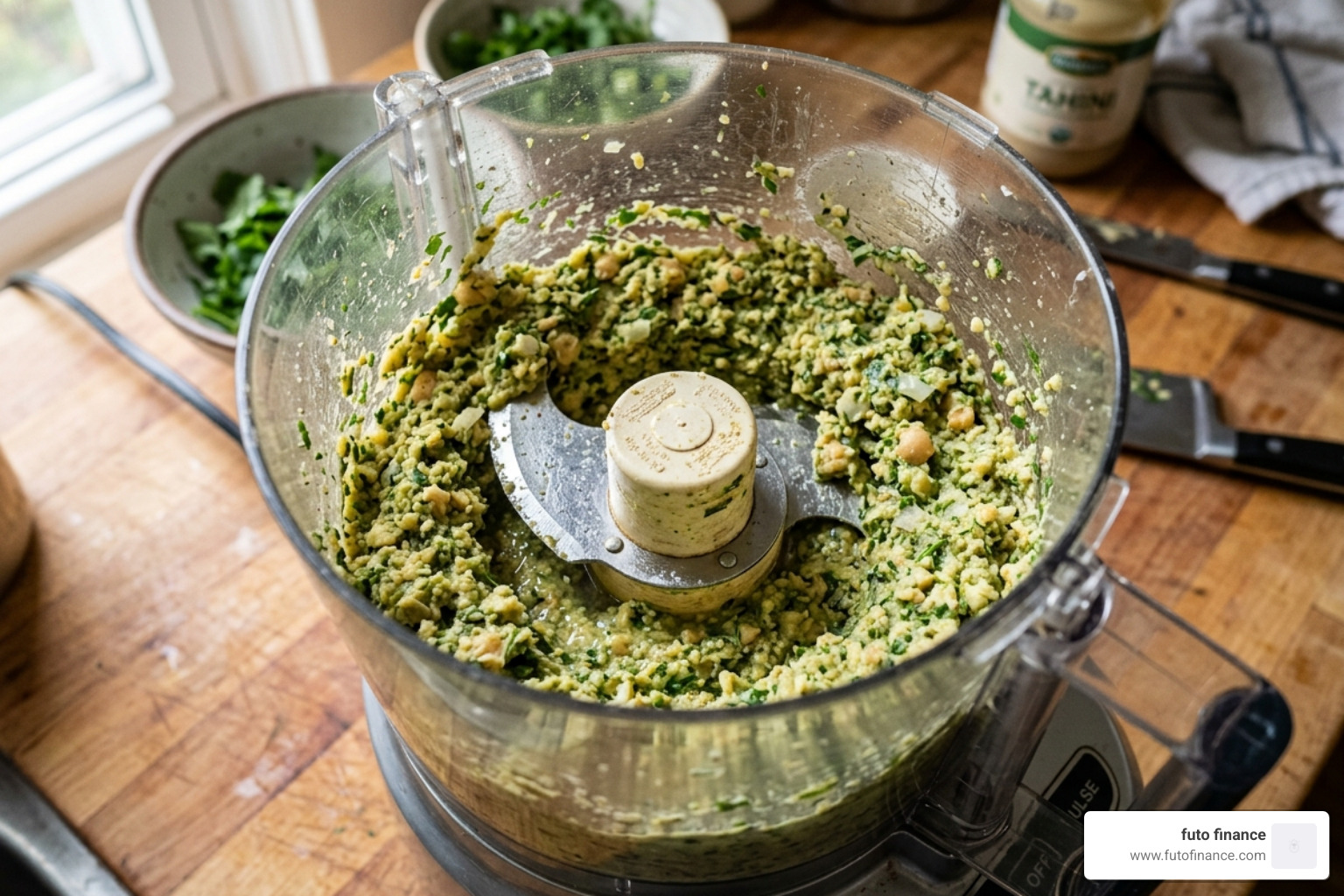
- Pulse, Don’t Puree: Place your chickpeas, herbs (use the stems too—they have tons of flavor!), garlic, and spices in the food processor. Pulse until the mixture looks like coarse sand.
- The Chill Factor: This is the most skipped step, but it’s the most important. Transfer the mixture to a bowl and refrigerate for at least 30 to 60 minutes. This allows the starches to rehydrate and the flavors to meld, making the dough much easier to handle.
- Form the Patties: Scoop about 1.5 to 2 tablespoons of the mixture and press it firmly into a small disc or ball (about 1.5 inches in diameter). Small balls ensure a better ratio of crispy outside to soft inside.
- The Fry: Heat about 1/2 inch of oil in a skillet to 375°F. You’ll know it’s ready if a small piece of dough sizzles immediately. Fry for 2-3 minutes per side until deep golden brown.
Baking vs. Air-Frying for Oil-Free Results
If you want to skip the oil, you have two great options:
- Oven Baking: Preheat to 400°F. Place your falafel on a parchment-lined baking sheet. For the best texture, flatten them into 1/2-inch thick patties. Bake for 20 minutes, flipping halfway through.
- Air-Frying: This is a student favorite! Spritz the falafel with a tiny bit of oil (optional) and air-fry at 370°F for 12-15 minutes. It yields a much crispier result than the oven without the mess of deep-frying.
Common Mistakes to Avoid
- Overcrowding the Pan: This drops the oil temperature, leading to greasy, soggy falafel.
- Using Cold Oil: If the oil isn’t hot enough, the falafel will absorb it like a sponge instead of searing the outside.
- Skipping Fresh Herbs: Dried parsley just won’t give you that vibrant green color or fresh Mediterranean punch.
- Too Much Moisture: If your mixture is too wet, add flour one tablespoon at a time until it’s moldable.
The Perfect Pairing: Cheap Vegan Mediterranean Slaw
No simple vegan falafel recipe is complete without a fresh, crunchy side. Our Mediterranean slaw is designed to be made with the cheapest produce in the grocery store: cabbage and carrots.
The Ingredients:
- 1/2 head of red or green cabbage, shredded
- 2 large carrots, grated
- A handful of fresh parsley (leftover from your falafel!)
- The Dressing: 2 tbsp tahini, 1 tbsp lemon juice, 1 tsp maple syrup, and a splash of apple cider vinegar.
Cabbage is a nutritional superstar for students—it’s packed with Vitamin C and lasts for weeks in the fridge. This slaw adds the “crunch factor” and acidity needed to cut through the richness of the falafel.
Storage, Freezing, and Serving Suggestions
One of the best things about falafel is how well it meal-preps.
- Freezing: You can freeze falafel before or after cooking. To freeze uncooked, place the formed balls on a tray in the freezer for an hour, then transfer to a bag. They’ll stay fresh for up to 3 months.
- Reheating: Avoid the microwave! It makes falafel rubbery. Instead, pop them in a toaster oven or a dry skillet for 5 minutes to restore the crunch.
- Serving Ideas:
- The Classic: Inside a warm pita with hummus, tomatoes, and pickles.
- The Bowl: Over brown rice or quinoa with a dollop of vegan tzatziki.
- The Snack: Dipped into a simple garlic-dill sauce (vegan yogurt + dill + garlic).
Frequently Asked Questions about Vegan Falafel
Why does my falafel fall apart when frying?
This usually happens for three reasons: the mixture was too wet, the oil wasn’t hot enough, or you didn’t chill the dough. If the mixture feels crumbly, add a tablespoon of flour or aquafaba (the liquid from the chickpea can) to help it bind. Make sure to compress the balls tightly when shaping them.
Can I make this recipe gluten-free?
Absolutely. Falafel is naturally grain-free if you use dried chickpeas. If you’re using canned beans and need a binder, simply use chickpea flour or gluten-free oat flour. Both work perfectly and keep the recipe accessible for those with gluten sensitivities.
How do I reheat leftover falafel without it getting soggy?
The best way to reheat is in an air fryer at 350°F for 3-5 minutes. If you don’t have one, a toaster oven or a standard oven at 375°F works well. A dry skillet on medium heat can also crisp up the edges without drying out the center.
Conclusion
Mastering a simple vegan falafel recipe is a rite of passage for any student looking to eat well on a budget. It’s a dish that respects your wallet while providing the high-quality nutrition your body needs during the rigors of university life. From the crispy first bite to the vibrant Mediterranean slaw on the side, these flavors are a testament to how delicious simple, plant-based cooking can be.
Ready to expand your student-friendly menu? For more affordable vegan cooking recipes, snacks, and nutrition tips tailored for your lifestyle, check out More info about vegan student recipes. Happy cooking!

Melo Rodrigues is the founder of Futo Finance and a specialist in student-budget veganism. Having mastered the art of plant-based cooking in a university setting, Melo is dedicated to helping students achieve nutritional excellence without financial strain. Through Futo Finance, Melo shares lab-tested strategies for eating smart and living sustainably on a budget.
