
Bulk Up Your Midday with These Easy Vegan To Go Recipes
Why Vegan Sack Lunch Ideas Are a Game-Changer for Busy Students
Vegan sack lunch ideas are one of the smartest ways to eat well on a tight budget and a packed schedule. Whether you’re rushing between lectures or eating at your desk, a good packed lunch keeps you fueled without draining your wallet.
Here are some quick, portable vegan lunch ideas you can start using today:
- Smashed chickpea wrap – mash canned chickpeas with tahini, lemon, and mustard, roll in a tortilla
- Hummus veggie baguette – spread hummus and avocado on bread, layer with crisp vegetables
- Mason jar salad – layer dressing at the bottom, add beans, grains, then greens on top
- Lentil rice thermos bowl – pack hot cooked lentils and rice in an insulated thermos
- Vegan chickpea pita – mix chickpeas with veggies and stuff into a pita in under 5 minutes
- Buffalo chickpea wrap – toss chickpeas in buffalo sauce and wrap with greens
- Pesto pasta salad – cold cooked pasta with white beans, pesto, and cherry tomatoes
These meals take 10 to 15 minutes or less to put together, cost very little, and travel well in a bag or backpack.
The biggest myth about vegan lunches is that they’re boring or hard to pull off. They’re not. Plant-based ingredients like chickpeas, lentils, beans, and whole grains are cheap, filling, and hold up well during transport — better than most animal proteins, in fact.
The trick is knowing which combinations work, how to pack them right, and how to prep in bulk so mornings stay stress-free.
The Anatomy of Balanced Vegan Sack Lunch Ideas
When we talk about vegan sack lunch ideas, we aren’t just talking about a bag of carrot sticks and a prayer. To survive a six-hour lab or a back-to-back lecture block in April 2026, you need a lunch that is scientifically designed for satiety. A balanced vegan lunch should be a powerhouse of macronutrients and micronutrients.
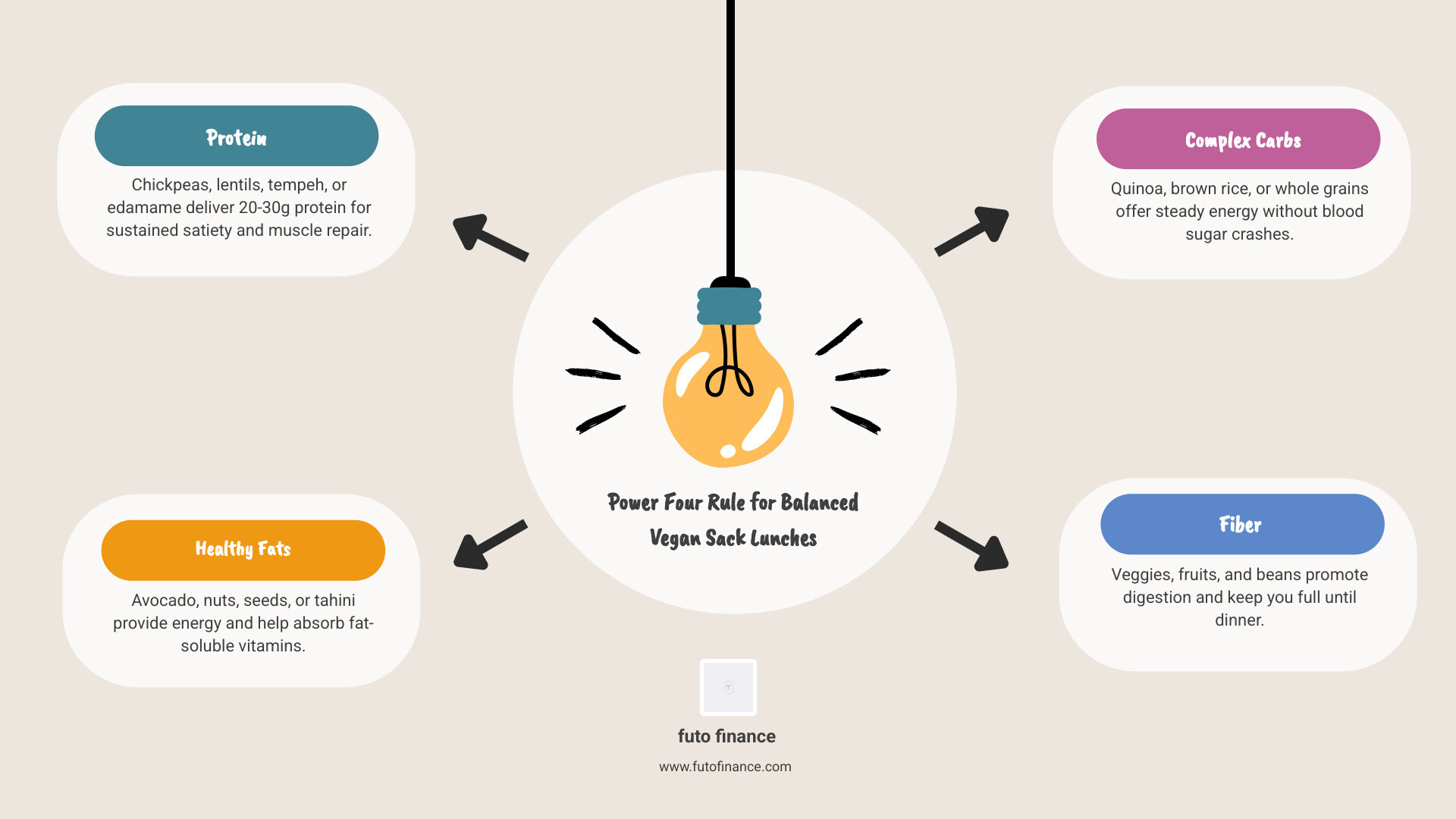
We like to follow the “Power Four” rule for every container we pack:
- Complex Carbohydrates: Think brown rice, quinoa, whole-wheat wraps, or even roasted sweet potatoes. These provide the slow-release glucose your brain needs to focus.
- Plant-Based Protein: This is the anchor. Without it, you’ll be hitting the vending machine by 2:00 PM.
- Healthy Fats: Avocado, nuts, seeds, or a tahini-based dressing. Fats slow down digestion, keeping you full longer.
- Fiber: Vegetables and legumes. Fiber is the unsung hero of the vegan diet.
Scientific research consistently shows that dietary fiber does more than just help with digestion; it regulates blood sugar levels and contributes to a healthy gut microbiome. In a sack lunch, fiber is what prevents that “post-lunch slump” where you feel like taking a nap under your desk.
High-Protein Vegan Sack Lunch Ideas
The most common question we get at Futo Finance is: “Where do you get your protein?” For a sack lunch, we aim for a target of 20-30g of protein. This isn’t just for bodybuilders; it’s for anyone who wants to stay alert.
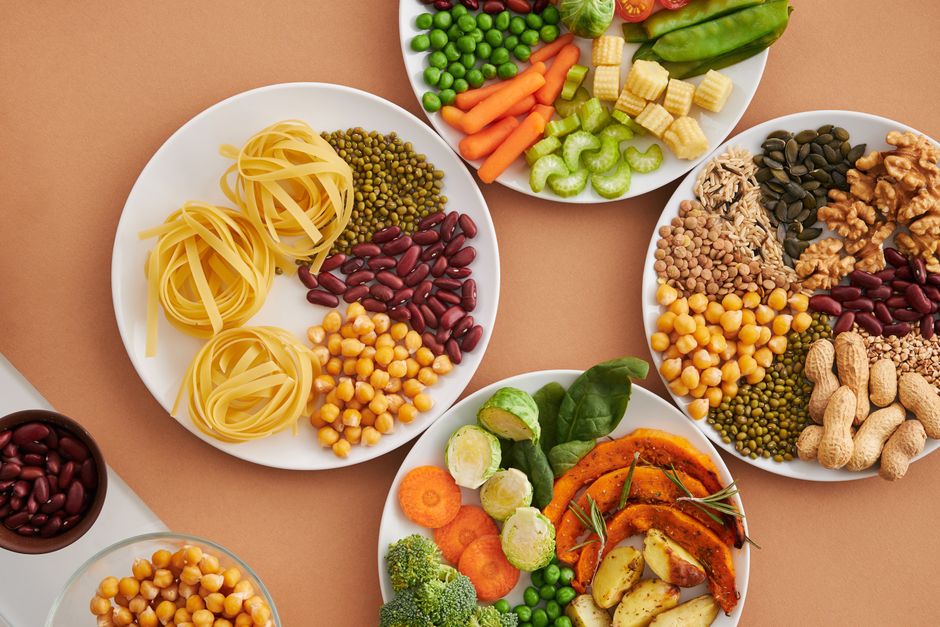
Our favorite high-protein anchors include:
- Chickpeas: 14g of protein per cup. They are incredibly sturdy and don’t get “slimy” like some animal proteins do after sitting in a bag.
- Lentils: 18g of protein per cup. These are great for cold salads or hot thermos bowls.
- Tempeh and Tofu: If you have 5 minutes to pan-fry these in the morning (or prep them Sunday), you’re adding a massive protein boost.
- Edamame: 17g of protein per cup. These are the perfect “nibbly” snack to add to any lunch box.
By combining these legumes with whole grains like quinoa or farro, you create a complete amino acid profile that fuels muscle recovery and brain function.
Budget-Friendly Vegan Sack Lunch Ideas
Being a student in 2026 means watching every cent. Fortunately, the most effective vegan sack lunch ideas are often the cheapest. We recommend building your pantry around “The Big Three”: canned beans, bulk grains, and seasonal produce.
- Canned Beans: Black beans, chickpeas, and kidney beans are usually under a dollar per can. They are pre-cooked and ready to be smashed into a wrap or tossed into a salad.
- Bulk Grains: Buying a 5lb bag of rice or oats is significantly cheaper than buying pre-packaged microwave pouches.
- Seasonal Produce: In April, look for greens, radishes, and peas. They are at their nutritional peak and their lowest price point.
- Pantry Spreads: Nutritional yeast, tahini, and peanut butter are high-calorie, nutrient-dense staples that last for months.
Quick Recipes: 15-Minute Vegan To-Go Meals
We know you don’t have an hour to cook before your 8:00 AM class. Efficiency is the name of the game. Here is a comparison of some of our top-tier vegan sack lunch ideas that you can assemble in the time it takes to brew a pot of coffee.
| Recipe | Prep Time | Protein Content | Portability Score |
|---|---|---|---|
| Smashed Chickpea Wrap | 8 mins | 15g | 5/5 |
| Hummus Baguette | 5 mins | 12g | 4/5 |
| Vegan BLTA | 12 mins | 14g | 4/5 |
| Buffalo Cauliflower Wrap | 15 mins | 10g | 4/5 |
| 5-Minute Green Salad | 5 mins | 8g | 3/5 |
No-Cook Assembly for Busy Mornings
Sometimes, “cooking” is just “assembling.” If you keep shelf-stable staples on hand, you can build a gourmet lunch without ever turning on the stove.
One of our favorite frameworks is the 10-Minute Power Box.
- Grab a handful of pre-washed spinach or kale.
- Open a can of chickpeas (rinse them well!).
- Add a scoop of pre-cooked quinoa (from your Sunday batch prep).
- Throw in some pumpkin seeds for crunch and a dollop of store-bought hummus.
- Drizzle with lemon juice and a pinch of salt.
This requires zero heat and provides a massive nutritional punch. For those in nut-free environments, swap peanut butter for sunflower seed butter (SunButter) or tahini to keep things safe and inclusive.
Thermos Meals for Hot Entrees
As the weather fluctuates in April, sometimes you just want something warm. A high-quality thermos is a student’s best friend. It can keep a Vegetable Stone Soup or a Lentil Dahl hot for up to four or five hours.
To maximize heat retention, here is our pro tip: Fill your thermos with boiling water and let it sit for 5 minutes while you heat your food in the microwave or on the stove. Dump the water out, then add your hot food. This “primes” the insulation and ensures your lunch is actually steaming when you open it at noon.
Pro Packing: Preventing Sogginess and Ensuring Food Safety
There is nothing worse than a “sad desk salad” or a sandwich that has turned into a sponge by lunchtime. Preventing sogginess is an art form.

The Mason Jar Method
If you’re making a salad, the Mason Jar is your best friend. The secret is the layering:
- Bottom Layer: Dressing.
- Second Layer: Hearty, non-absorbent veggies (chickpeas, cucumbers, carrots, radishes).
- Third Layer: Grains or pasta.
- Top Layer: Leafy greens and nuts/seeds.
When you’re ready to eat, just shake it up. The greens stay crisp because they never touched the dressing until the final moment.
The Sandwich Moisture Barrier
For sandwiches, we use the “Moisture Barrier” technique. Instead of putting tomatoes or pickles directly against the bread, put a layer of greens or a thick spread of hummus on both slices of bread first. This creates a seal that keeps the moisture from the veggies from migrating into the crust. Better yet, toast your baguette or bread; the drier, crunchier surface is more resistant to absorbing liquids.
For more detailed safety standards, check out the USDA guidelines on cold food storage.
Essential Tools and Accessories
Investing in a few key tools will make your vegan sack lunch ideas much more successful:
- Glass Containers: These don’t retain odors or stains from tomato sauce or curry.
- Bento Boxes: Great for “nibbly” lunches where you want to keep your crackers separate from your grapes.
- Reusable Silicone Bags: A sustainable alternative to plastic baggies for snacks like nuts or energy bites.
- Dual Ice Packs: To keep food safe, the USDA recommends using two cold sources. Sandwiching your lunch between two slim gel packs in an insulated bag is the gold standard.
Storage and Temperature Control
Food safety is paramount. The “Danger Zone” for bacteria growth is between 40°F and 140°F. If your vegan lunch contains cooked grains or beans, it needs to stay below 40°F.
- The 40°F Rule: Always use an insulated lunch bag. A brown paper bag looks classic, but it offers zero thermal protection.
- Cross-Contamination: Even though you aren’t using meat, you still need to wash your containers thoroughly with hot, soapy water to prevent mold or bacterial buildup from old vegetable residue.
- Shelf-Life: Most prepped vegan lunches will last 3-4 days in the fridge. If you prep on Sunday, try to finish those meals by Wednesday or Thursday morning.
Meal Prep Strategies for Efficient Weekly Lunches
Efficiency is about doing the work once and reaping the rewards all week. We recommend a “Component Prep” strategy rather than a “Full Meal Prep” strategy.
The Sunday Batch Session
Spend 45 minutes on Sunday afternoon doing the following:
- Roast a tray of vegetables: Broccoli, sweet potatoes, and bell peppers.
- Cook a big pot of grains: Quinoa, brown rice, or farro.
- Whisk a “House Dressing”: A simple 2:1 ratio of olive oil to balsamic vinegar or a lemon-tahini blend.
- Prepare a protein: Drain and rinse three cans of beans or bake a block of tofu.
Now, during the week, you can just “grab and go.” Monday might be a Mediterranean bowl, Tuesday a wrap, and Wednesday a salad—all using the same base components but with different sauces or spices.
Customizing for Picky Eaters and Dietary Needs
We know that not everyone likes kale or spicy buffalo sauce. The beauty of vegan sack lunch ideas is their modularity.
- For Picky Eaters: Focus on “dipping.” Kids and adults alike often prefer raw veggies with a side of hummus or ranch over a mixed salad. It keeps the flavors separate and controlled.
- Gluten-Free Swaps: Use collard green wraps or large lettuce leaves instead of flour tortillas. Swap pasta for rice noodles or chickpeas.
- Hidden Vegetables: If you struggle to get enough greens, blend spinach into your hummus or finely grate carrots into your “chickpea tuna” salad.
- Seasonal Twists: In the winter, focus on roasted root vegetables and warm soups. In the summer, pivot to fresh fruit, cold spring rolls, and pasta salads.
Frequently Asked Questions about Vegan Sack Lunches
How do I keep my vegan sandwich from getting soggy by lunchtime?
The best way is to pack the “wet” ingredients (like tomatoes, pickles, or extra dressing) in a separate small container or silicone bag. Assemble the sandwich right before you eat. If you must assemble it in the morning, use a “moisture barrier” of lettuce or a thick layer of fat (like avocado) to protect the bread.
What are the best vegan protein sources for a cold lunch?
Chickpeas, edamame, and lentils are the champions of cold lunches. They maintain their texture and don’t require reheating to taste delicious. Smoked tofu is also an excellent option as it has a firm, ham-like texture that works perfectly in sandwiches.
Can I meal prep vegan lunches for the entire week on Sunday?
Yes, but with a caveat. Most salads and sandwiches are best eaten within 2-3 days. If you want to prep for the full five-day week, we suggest prepping the components on Sunday and assembling the actual meals in batches—one on Sunday night and another on Wednesday night. This ensures your Friday lunch isn’t a wilted mess.
Conclusion
At Futo Finance, we believe that being a student shouldn’t mean sacrificing your health or your values. These vegan sack lunch ideas prove that plant-powered eating can be affordable, delicious, and incredibly convenient. By mastering a few simple recipes and packing techniques, you can save money, reduce your environmental impact, and keep your energy levels high from your first lecture to your final study session.
Whether you’re mashing chickpeas for a wrap or layering a mason jar salad, every plant-based meal is a step toward a more sustainable and energized lifestyle. Don’t let a busy schedule hold you back—grab your thermos, pack your bento box, and fuel your future.
Start your vegan journey today

Melo Rodrigues is the founder of Futo Finance and a specialist in student-budget veganism. Having mastered the art of plant-based cooking in a university setting, Melo is dedicated to helping students achieve nutritional excellence without financial strain. Through Futo Finance, Melo shares lab-tested strategies for eating smart and living sustainably on a budget.
