
One-Pot Vegan Rice Cooker Wonders
Why Vegan Rice Cooker Recipes Are a Student’s Best Friend
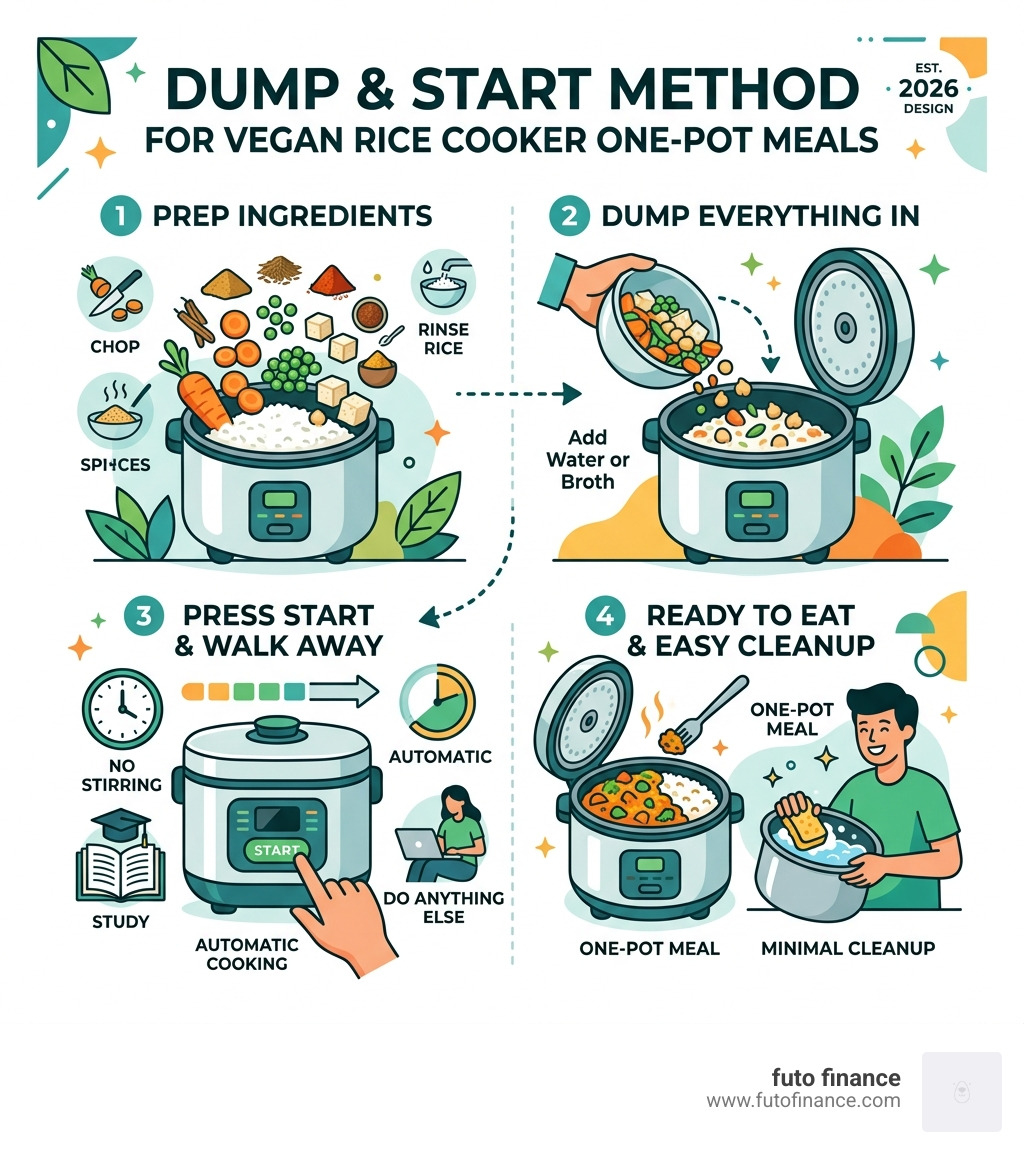
Vegan rice cooker recipes are one of the fastest, cheapest ways to eat well on a tight budget. Dump your ingredients in, press a button, and walk away. That’s it.
Here are some of the best one-pot vegan rice cooker meals you can make right now:
| Recipe | Prep Time | Cook Time | Servings |
|---|---|---|---|
| Bibimbap | 10 min | 30 min | 3 |
| Spanish Rice and Beans | 10 min | 25 min | 6 |
| Tofu Fried Rice | 10 min | 30 min | 3 |
| Coconut Rice | 5 min | 25 min | 4 |
| Curry Rice | 10 min | 20 min | 4 |
Most of these meals cost just a few dollars per serving and need almost no cooking skill.
A rice cooker is basically a set-it-and-forget-it machine. While it does the work, you can study, shower, or do literally anything else. No stirring. No watching the stove. No burned pots.
And the cleanup? One pot. Done.
Whether you’re scrounging your fridge at the end of the week or meal prepping six servings on a Sunday, a rice cooker handles it all — grains, vegetables, beans, and protein in a single vessel.
The Science of Perfect Rice Cooker Results
As we navigate the academic year of 2026, many of us are looking for ways to optimize our health without spending hours in the kitchen. Understanding the mechanics of your rice cooker is the first step toward culinary independence. It isn’t just a heating element; it’s a precision instrument that relies on the evaporation of water to determine when your meal is perfectly steamed.
Rinsing and Soaking: The Secret to Fluffy Grains
The most common mistake we see in student kitchens is skipping the rinse. Rice grains are coated in excess starch from the milling process. If you don’t wash it away, that starch turns into a gummy paste that glues your meal together. We recommend rinsing your rice in a fine-mesh strainer for 1-2 minutes until the water runs clear.
For certain grains, soaking is equally vital. In traditional Japanese dishes like Takikomi Gohan, soaking the rice for 30 minutes before hitting the “start” button allows the grains to absorb moisture evenly. This prevents the center of the grain from remaining hard while the outside gets mushy.
Beyond texture, choosing the right grain has massive health implications. Scientific research on the health benefits of whole grains highlights that brown rice retains the bran and germ layers, providing significantly more fiber, vitamins, and minerals than its white counterpart.
Texture Preservation and Cook Times
The “Warm” setting is your best friend, but only if used correctly. Once the timer goes off, let the rice rest for 5 to 10 minutes with the lid closed. This allows the steam to redistribute, ensuring the top layer is as moist as the bottom.
| Rice Type | Water Ratio | Cook Time (Approx) | Best For |
|---|---|---|---|
| White Jasmine | 1:1 | 15-20 min | Fried rice, Bibimbap |
| Brown Rice | 1:2 | 40-50 min | Spanish rice, heartier bowls |
| Basmati | 1:1.25 | 15-18 min | Curries, Pilaf |
| Arborio | 1:3 | 20-25 min | Risotto |
Mastering the Rice-to-Water Ratio for Vegan Rice Cooker Recipes
Getting the ratio right is the difference between a gourmet meal and a bowl of porridge. For standard white rice, the “golden ratio” is 1:1. However, when we add liquid seasonings like soy sauce, mirin, or vegetable broth, we must adjust.
If you are adding 2 tablespoons of soy sauce to a recipe, subtract 2 tablespoons of water from your total liquid count. Using vegetable broth instead of water is an easy, low-cost way to inject flavor directly into the grain. For a richer profile, replacing half the water with canned coconut milk (not the carton kind!) creates an indulgent, creamy texture perfect for tropical or spicy dishes.
Layering Proteins and Vegetables for Maximum Texture
In a one-pot environment, not all ingredients are created equal. If you throw delicate spinach in at the start with brown rice, you’ll end up with green slime.
- The Bottom Layer: This is for the rice and the cooking liquid.
- The Middle Layer: Hard vegetables like carrots, potatoes, or squash go here. They need the most heat and moisture.
- The Top Layer: Place your proteins here. For vegan rice cooker recipes, we love using super-firm tofu or tempeh. By placing them on top of the rice, they steam gently rather than boiling, preserving their structural integrity.
- The “Post-Cook” Additions: Leafy greens like spinach or kale should be added after the cook cycle is complete. Simply toss them on top of the hot rice, close the lid, and let them steam for 5 minutes on the “Warm” setting.
7 Effortless Vegan Rice Cooker Recipes for Busy Students
1. Shortcut Vegan Bibimbap
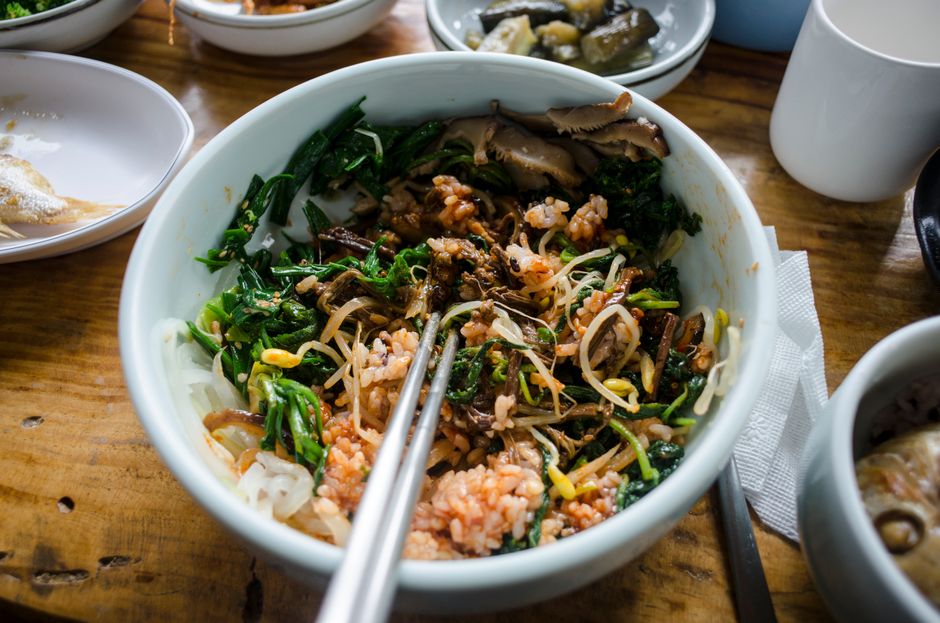
This is a “dump it and forget it” version of the Korean classic.
- Ingredients: 1 cup rinsed white rice, 1 cup water, diced zucchini, carrots, mushrooms, and cubed firm tofu.
- The Magic: Add all ingredients (except spinach) to the cooker and start. Once finished, throw in a handful of spinach to steam for 5 minutes.
- The Sauce: Mix gochujang, soy sauce, rice vinegar, maple syrup, and sesame oil. Pour it over and stir.
2. Spanish Inspired Rice and Beans
Hearty, flavorful, and yields about 6 servings—perfect for a week of meal prep.
- Ingredients: 2 cups Jasmine brown rice, 4 cups vegetable broth, 1 can black beans (rinsed), 1 can diced tomatoes, onions, garlic, and taco seasoning.
- Method: Mix everything in the pot. Use the “Brown Rice” setting. Garnish with lime and cilantro.
3. Vegan Takikomi Gohan (Japanese Mixed Rice)
This dish is all about umami. Traditionally made with fish dashi, we swap it for kombu dashi or mushroom broth.
- Ingredients: Short-grain rice, shiitake mushrooms, carrots, and aburaage (fried tofu pouches).
- Ratio: Keep a 70:30 ratio of rice to “mix-ins” to ensure everything cooks evenly. Don’t stir before cooking; let the ingredients steam in layers.
4. One-Pot Tofu Fried Rice
Skip the takeout! This version uses raw rice, so no leftovers are required.
- Ingredients: 1 cup Jasmine rice, 1 cup water, frozen peas and carrots, and—our favorite hack—grated tofu.
- Expert Tip: Use a box grater on a block of extra-firm tofu. It mimics the texture of scrambled eggs perfectly. Add a splash of toasted sesame oil and tamari for that authentic “fried” flavor.
5. Easy Coconut Rice
This is a versatile side dish that pairs beautifully with spicy curries.
- Ingredients: 2 cups Jasmine rice, 1 can coconut milk, 1/2 cup coconut water, and a pinch of salt.
- Why it works: The coconut water adds a subtle sweetness that balances the richness of the milk.
6. Quick Fridge-Cleanout Curry Rice
Got some “sad” looking broccoli or baby carrots? This is the solution.
- Ingredients: Rice, 1 tablespoon curry powder, coconut milk, and whatever veggies are in your crisper drawer.
- The Hack: Use the steamer basket! Place your veggies in the basket above the cooking rice so they stay crisp while the rice absorbs the curry spices below.
7. Hands-Off Vegan Risotto
Traditional risotto requires 30 minutes of constant stirring. The rice cooker does it for you.
- Ingredients: 1 cup Arborio rice, 3 cups hot vegetable broth, 1/4 cup nutritional yeast (for cheesiness), and frozen peas.
- Method: Use the “White Rice” or “Slow Cook” setting. Once finished, stir in a knob of vegan butter and the nutritional yeast to create that signature creamy finish.
Customizing Your Vegan Rice Cooker Recipes for Dietary Needs
We know that being vegan is just one part of your dietary journey. These recipes are easily adaptable:
- Gluten-Free: Always use tamari or coconut aminos instead of standard soy sauce. Ensure your bouillon cubes are certified GF.
- Oil-Free: Most of these recipes rely on broth for moisture. You can skip the sautéing step and simply “steam-cook” everything for a heartier, whole-food plant-based approach.
- High-Protein: Boost any of these meals by adding hemp seeds, edamame, or a scoop of red lentils. Red lentils are great because they “melt” into the rice, adding protein without changing the texture significantly.
Elevating Flavors with Garnishes and Sauces
The rice cooker does the heavy lifting, but the toppings make it a meal. Since we are often eating on a budget, a few key condiments can transform basic rice into a restaurant-quality experience.
The Power of Fermentation: Adding a scoop of kimchi to your Bibimbap or a sprinkle of furikake (ensure it’s the vegan version without fish flakes) adds complex salty and sour notes. Scientific research on the probiotic benefits of fermented foods suggests that these additions aren’t just tasty—they’re great for your gut health, which is vital during stressful exam seasons.
Sauce Inspiration:
- Chili Crisp: A spoonful of spicy chili crunch adds texture and heat.
- Gochujang Drizzle: Thin out Korean chili paste with a little rice vinegar and maple syrup.
- Tahini Lemon: For the Spanish rice, a creamy tahini drizzle can replace sour cream.

Meal Prep, Storage, and Reheating in 2026
In 2026, we’re all about reducing food waste. Rice is a prime candidate for meal prep, but it requires specific handling to stay delicious.
Starch Retrogradation: When rice cools, the starch molecules crystallize (retrogradation), making the grains hard. To combat this, always store your rice in an airtight container as soon as it reaches room temperature. It will stay fresh in the fridge for up to 5 days.
The Reheating Secret: Never microwave “naked” rice. It will turn into tiny pebbles. Instead:
- Place the rice in a bowl.
- Add a teaspoon of water.
- Cover the bowl with a damp paper towel.
- Microwave for 1-2 minutes. The damp towel creates a mini-steam chamber, returning the moisture to the grains and making them fluffy again.
Batch Cooking: If you’re a busy student, use the 2-cup rule. Always cook at least 2 cups of dry rice. It takes the same amount of time as 1 cup, but leaves you with plenty of leftovers for “Fried Rice” the next day.
Frequently Asked Questions about Vegan Rice Cooker Recipes
Can I use an Instant Pot for these recipes?
Absolutely! Most of these vegan rice cooker recipes translate perfectly to the Instant Pot. Generally, use the “Rice” setting or manual high pressure for 5 minutes with a 10-minute natural release. For brown rice, increase the pressure cook time to 20-22 minutes.
How do I prevent tofu from getting mushy during the cook cycle?
The key is using extra-firm or super-firm tofu. If you use soft or silken tofu, it will disintegrate. Pressing your tofu for 15 minutes before cubing it also helps it hold its shape. For the best texture, place the tofu on the very top of the rice so it steams rather than boils.
Is it necessary to rinse the rice every time?
If you want separate, fluffy grains, then yes. If you are making a porridge or a thick congee, you can skip the rinse to utilize the extra starch. But for 90% of these recipes, rinsing is the non-negotiable step for quality.
Conclusion
At Futo Finance, we believe that eating a plant-based diet shouldn’t be a source of stress or a drain on your bank account. Our mission is to provide affordable, student-focused vegan cuisine that fits into your hectic lifestyle. Using these vegan rice cooker recipes, you can ensure you’re getting balanced nutrition with minimal effort.
Ready to take your vegan journey further? We offer a wealth of resources to help you thrive on a plant-based diet without breaking the bank. From grocery lists to nutritional breakdowns, we’ve got you covered. Check out more info about vegan nutrition services to see how we can help you master the art of the student kitchen. Happy cooking!

Melo Rodrigues is the founder of Futo Finance and a specialist in student-budget veganism. Having mastered the art of plant-based cooking in a university setting, Melo is dedicated to helping students achieve nutritional excellence without financial strain. Through Futo Finance, Melo shares lab-tested strategies for eating smart and living sustainably on a budget.
