
10 Vegan Pasta Recipes You’ll Love Making
Vegan Pasta Recipes Worth Bookmarking Right Now
Vegan pasta recipes are some of the easiest, most affordable meals you can make as a student. Here are 10 great options to get you started:
- 20-Minute Aglio e Olio — garlic, olive oil, spinach, long pasta
- 10-Ingredient Creamy Pantry Pasta — tahini, oat milk, nutritional yeast, ready in 25 minutes
- Vegan Marry Me Pasta — sun-dried tomato cream sauce, vegan chicken or chickpeas
- Creamy Pink Pasta — cashew cream, crushed tomatoes, 10 ingredients
- Garlic Pasta with Roasted Tomatoes — almond milk sauce, nut-free, 30 minutes
- Red Pepper Rigatoni — blended cashew and roasted pepper sauce
- Pasta Primavera — seasonal veggies, creamy garlic cashew sauce
- Vegan Spaghetti Marinara — cashew cream, capers, shallots
- Chickpea Pasta with Pesto — high-protein, gluten-free
- Zucchini Pasta with Pine Nuts — fresh, light, summer-ready
Pasta has a reputation for being heavy or unhealthy. But that’s not the full picture.
With the right ingredients, a bowl of vegan pasta can deliver serious nutrition — think 13–28 grams of protein per serving, plenty of fiber, and real staying power. All without dairy, eggs, or a complicated grocery list.
The best part? Most of these recipes cost very little and come together in 30 minutes or less. Perfect for busy weeknights between lectures.
Whether you’re craving something creamy, fresh, or hearty, there’s a plant-based pasta recipe here that fits your schedule and budget.
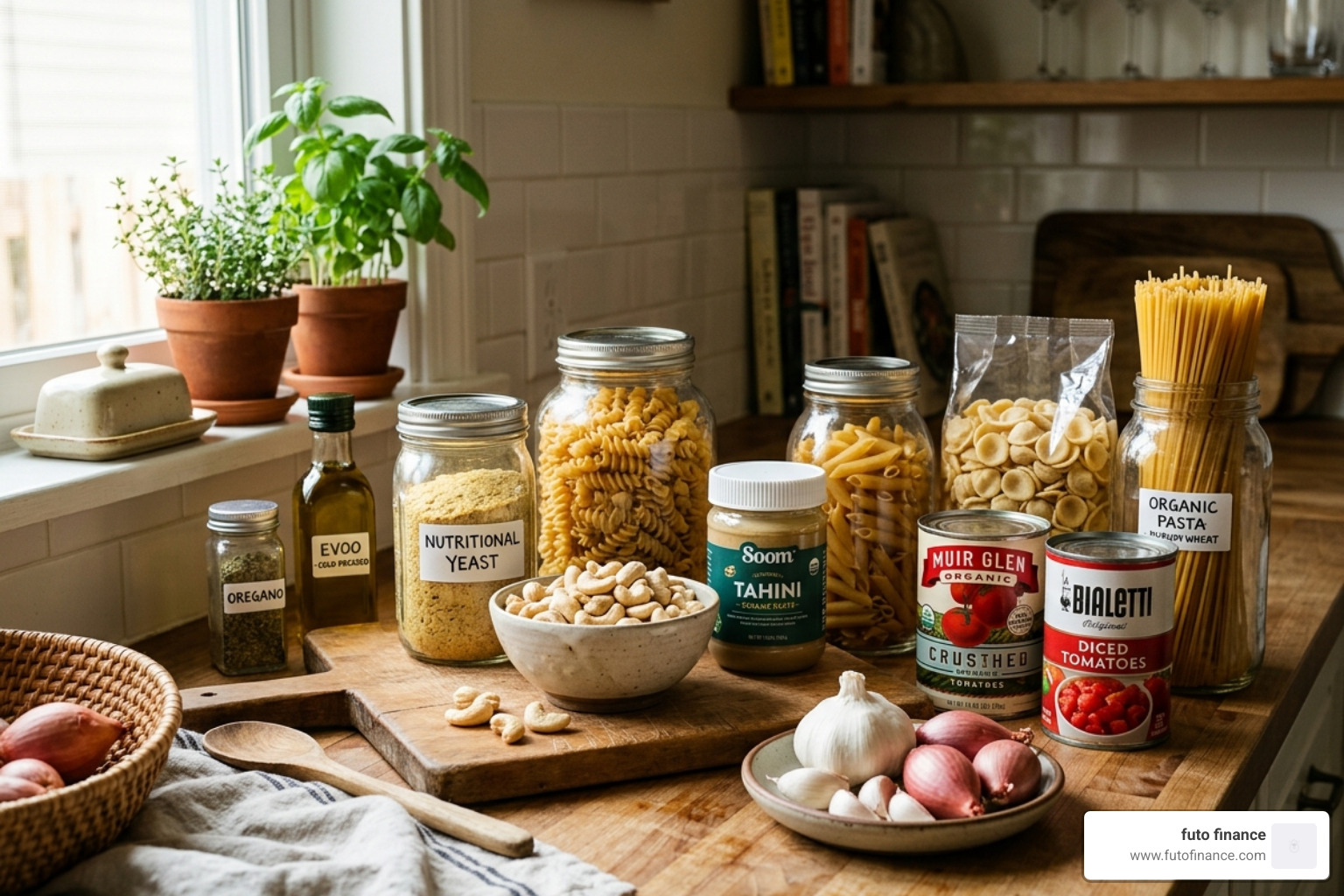
Essential Pantry Staples for vegan pasta recipes
As we move through April 2026, many of us are looking for ways to eat better on a budget. At Futo Finance, we believe the secret to great student cooking isn’t a massive kitchen; it’s a smart pantry. When you have the right staples, you can whip up vegan pasta recipes without a last-minute dash to the supermarket.
Here are the heavy hitters we always keep in our cupboards:
- Nutritional Yeast: The “holy grail” of vegan cooking. These yellow flakes provide a nutty, sharp, cheese-like flavor that is essential for “cheesy” sauces.
- Raw Cashews: These are the base for many of the world’s creamiest vegan sauces. When soaked and blended, they transform into a velvety cream.
- Tahini: Not just for hummus! Tahini adds an incredible richness and earthy depth to pasta sauces.
- Canned Tomatoes: Whether it’s crushed, diced, or puree, these are the foundation of affordable marinara and pink sauces.
- Garlic and Shallots: These aromatics provide the flavor base for almost every savory dish. We recommend buying garlic in bulk to save money.
- Coconut Milk: Specifically “lite” or full-fat canned versions. They are shelf-stable and great for adding instant creaminess.
Aside from being delicious, many of these staples are incredibly good for you. Scientific research consistently shows that legumes (the base of chickpea pasta) and healthy fats from nuts and seeds support heart health and provide sustained energy for long study sessions.
Achieving Creaminess Without Dairy
One of the biggest questions we get is: “How do I make it creamy without cream?” It’s easier than you think. You don’t need expensive dairy alternatives to get a restaurant-quality mouthfeel.
- Cashew Cream: Soak cashews in water for 2 hours (or boil them for 20 minutes if you’re in a hurry), then blend with fresh water.
- Avocado Base: Blending a ripe avocado with a little lemon juice and pasta water creates a vibrant, buttery sauce that’s high in healthy fats.
- White Beans: Blending canned cannellini beans into a sauce adds creaminess and a massive boost of plant-based protein.
- Starchy Pasta Water: Never pour all your pasta water down the drain! That cloudy, salty liquid is liquid gold. It helps emulsify sauces so they cling to every noodle.
- Cauliflower Puree: Boiled cauliflower blended with nutritional yeast and garlic creates a surprisingly light and “alfredo-like” sauce.
Customizing Your vegan pasta recipes
We know that every student has different needs. Whether you have an allergy or just want to experiment, vegan pasta recipes are incredibly flexible.
- Nut-Free Swaps: If you can’t do cashews, try sunflower seeds or silken tofu. They blend just as smoothly.
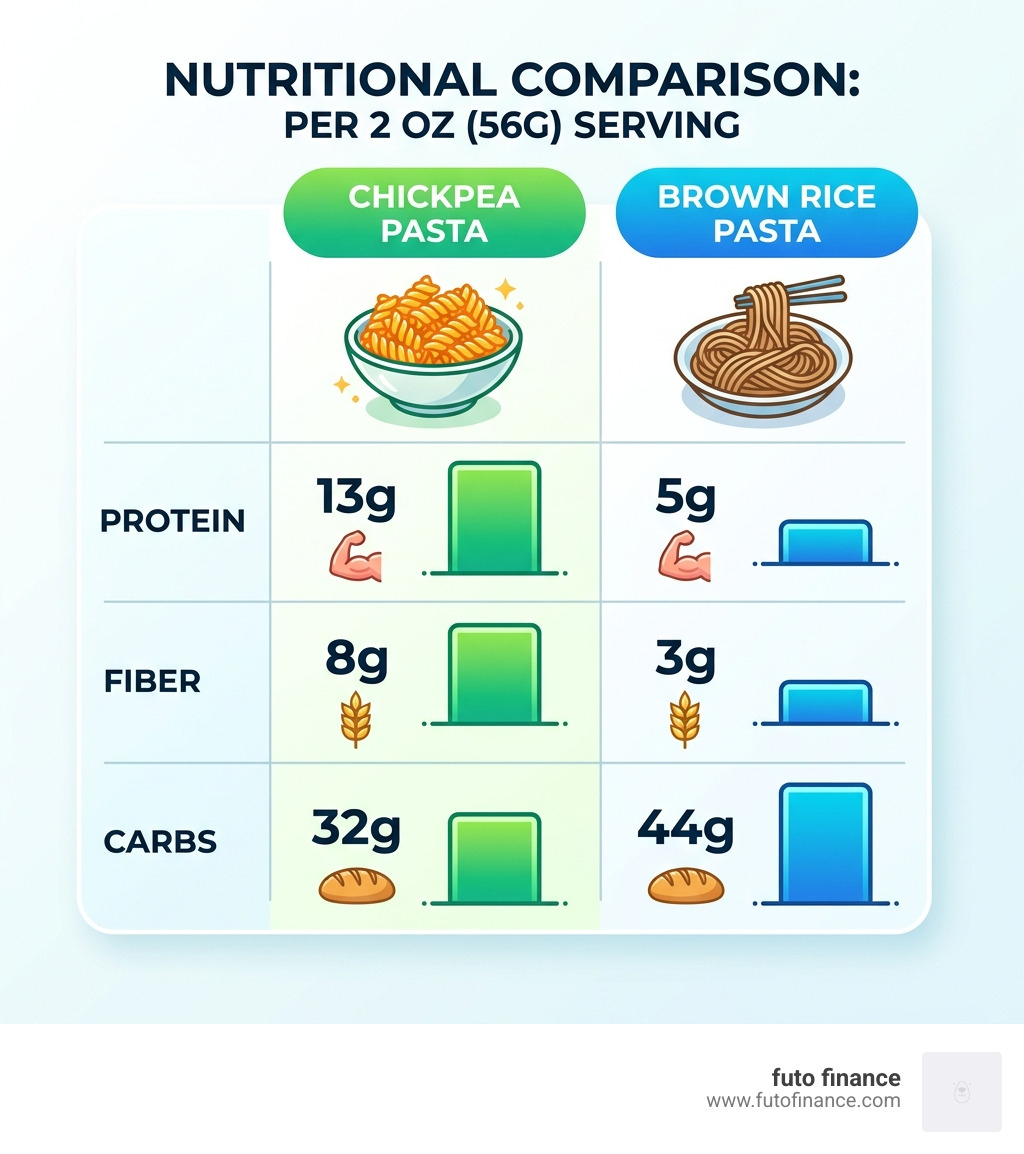
- Gluten-Free Options: Use tamari instead of soy sauce, and swap wheat pasta for chickpea or brown rice varieties.
- Spice Blooming: For a deeper flavor, “bloom” your red pepper flakes or dried herbs in olive oil for a minute before adding your liquids.
- Herb Infusions: Fresh basil, parsley, or chives added at the very end can transform a basic pantry meal into something special.
10 Best Recipes for Every Occasion

Finding the right recipe depends on how much time you have and how much is left in your bank account. We’ve categorized these 10 favorites to help you choose.
Quick and Easy vegan pasta recipes for Beginners
If you’re new to the kitchen, start here. These recipes are foolproof and fast.
1. 20-Minute Aglio e Olio Inspired by a classic Italian technique, this dish uses minimal ingredients. Sauté sliced garlic and red pepper flakes in plenty of olive oil. Add a few handfuls of fresh spinach until wilted. The secret “chef’s trick” is to undercook your pasta slightly and finish it in the pan with a splash of pasta water and a knob of vegan butter. This creates a glossy, restaurant-style finish.
2. 10-Ingredient Creamy Pantry Pasta This is the ultimate “I have nothing in the fridge” meal. Using tahini, vegetable broth, nutritional yeast, and a little Dijon mustard for acidity, you can create a smoky, indulgent sauce. It’s ready in about 25 minutes and tastes like a vegan version of fettuccine Alfredo.
3. One-Pot Marinara Save on washing up by cooking your noodles directly in a mixture of tomato puree, water, and aromatics. It’s a student-budget classic that never fails.
Creamy and Comforting Favorites
When you need a “hug in a bowl” after a tough exam, these are the recipes to reach for.
4. Vegan “Marry Me” Pasta Based on the viral trend, this version uses sun-dried tomatoes, garlic, and a rich cashew cream sauce. We love adding “Daring” vegan chicken or simply a can of chickpeas for protein. It’s creamy, tangy, and absolutely proposal-worthy!
5. Pink Vodka-Style Sauce You don’t actually need vodka to get that signature pink glow. Blending cashew cream with crushed tomatoes and tomato paste creates a rich, velvety sauce that’s sweet and savory. It only takes 10 ingredients and 30 minutes.
6. Garlic Pasta with Roasted Tomatoes This is a nut-free miracle. By roasting cherry tomatoes until they burst, you create a smoky flavor that pairs perfectly with a simple white sauce made from almond milk and a little flour thickener.
7. Cashew Red Pepper Rigatoni Blending jarred roasted red peppers with soaked cashews creates a vibrant orange sauce that is naturally sweet and incredibly creamy. Top it with blistered cherry tomatoes for extra texture.
Fresh Summer and Kid-Friendly Dishes
8. Pasta Primavera This “rainbow” dish is packed with zucchini, bell peppers, carrots, and broccoli. It’s tossed in a light garlic cashew sauce that keeps things healthy but satisfying. It’s a great way to use up whatever seasonal produce is on sale.
9. Zucchini Mint Noodles For a light summer meal, toss linguine with sautéed zucchini, toasted pine nuts, and fresh mint. The pine nuts add a “meatiness” that makes the dish feel substantial without being heavy.
10. Lentil Bolognese If you miss a hearty meat sauce, lentils are your best friend. They provide a similar texture to ground meat and are packed with 26 grams of protein per serving. It’s a kid-friendly (and picky-eater friendly) way to get more fiber into your diet.
Pro Tips for Restaurant-Quality Results
Ever wonder why restaurant pasta looks so much better than the stuff we make at home? It usually comes down to technique, not expensive equipment.
Secrets to a Glossy Sauce
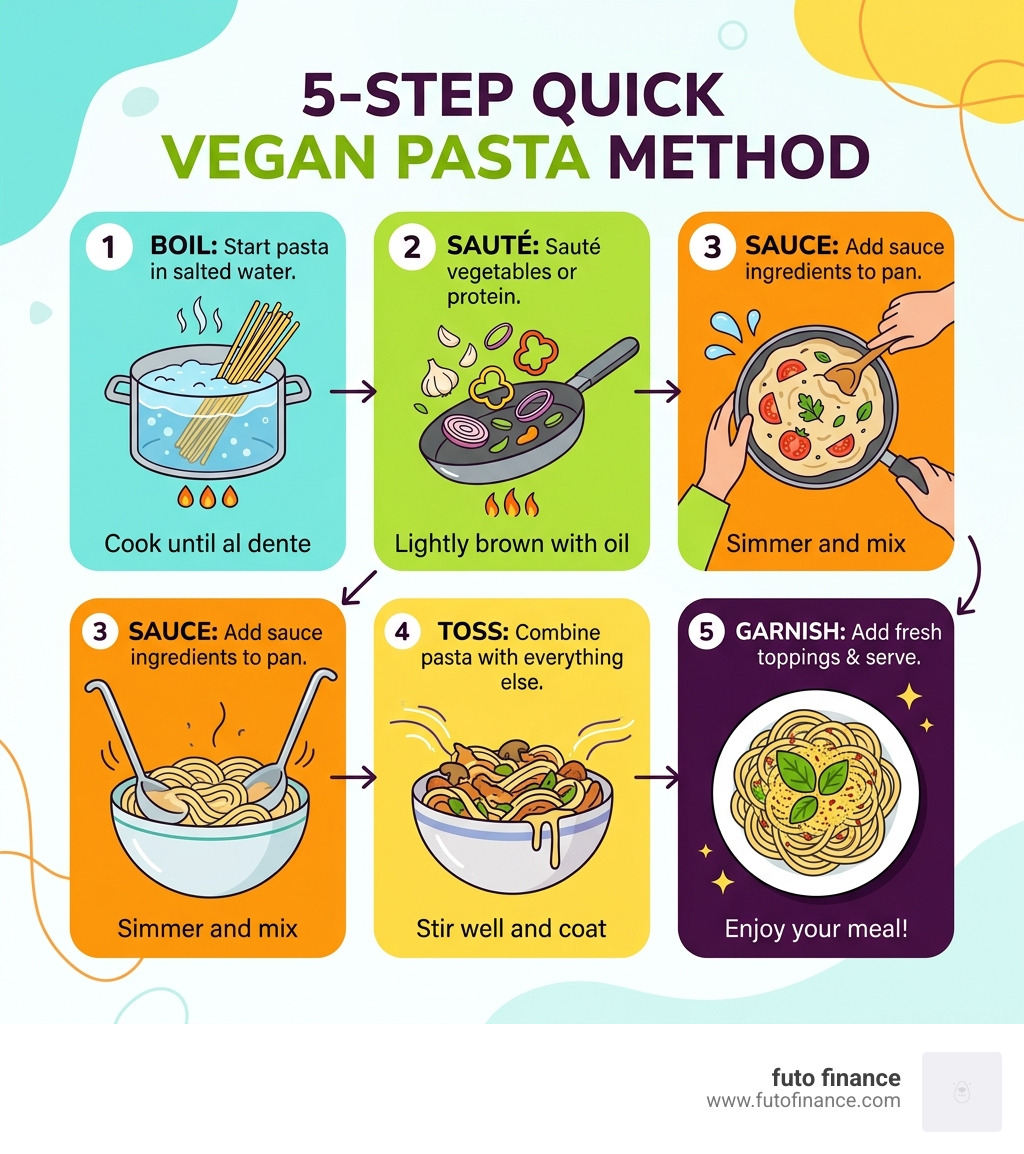
The biggest mistake is just dumping sauce on top of plain noodles. To get that glossy finish:
- Finish in the Pan: Transfer your pasta to the sauce skillet when it’s about 2 minutes away from being done.
- Emulsify: Add a half-cup of starchy pasta water. The starch acts as a bridge between the oil in the sauce and the water, creating a smooth, clinging coating.
- The Vegan Butter Finish: Stirring in a tablespoon of cold vegan butter at the very end (off the heat) gives the sauce a professional sheen and extra richness.
Preventing Sticky or Overcooked Noodles
- Salt the Water: Your pasta water should be “salty like the sea.” This is your only chance to season the actual noodle.
- Al Dente Timing: Always check your pasta 2 minutes before the package says it’s done. It will continue cooking once you add it to the sauce.
- Rinse Legume Pasta: If you’re using chickpea or lentil pasta, give it a quick rinse with cold water after straining to remove excess starch that can make it gummy.
- Immediate Tossing: Never let cooked pasta sit in the colander. Get it into the sauce immediately to prevent it from sticking together.
Nutritional Benefits and Storage
Many people worry that a vegan diet lacks protein, but vegan pasta recipes prove otherwise. Using legume-based noodles like Banza (chickpea pasta) can provide up to 22g of protein per serving!
Meal Prep and Storage Strategies
As students, we know you’re busy. Most of these recipes are perfect for meal prep.
- Airtight Containers: Store your pasta in the fridge for up to 4-5 days.
- Separate Storage: If possible, store the sauce and the noodles separately. This prevents the noodles from soaking up all the sauce and becoming mushy.
- Reheating: When reheating in a microwave or on the stove, add a splash of water or plant milk. This “wakes up” the sauce and brings back the creaminess.
- Freezing: Most cashew-based and tomato-based sauces freeze beautifully for up to a month. Just freeze them in individual portions for easy lunches.
Choosing the Best Pasta Types
The shape of the noodle actually matters!
- Orecchiette: The “little ear” shape is perfect for holding chunky vegetable sauces or creamy bean bases.
- Linguine/Spaghetti: Best for oil-based sauces like Aglio e Olio or smooth marinara.
- Rigatoni/Penne: Ideal for thick, creamy sauces like the Red Pepper or “Marry Me” pasta.
- Chickpea/Lentil Pasta: Great for a protein boost, but be careful not to overcook them!
Common Questions About Plant-Based Pasta
What are the best nut-free substitutions for creamy sauces?
If you have a nut allergy, don’t worry! You can achieve incredible creaminess using sunflower seeds (soaked just like cashews), oat milk thickened with a little flour, or silken tofu. Silken tofu is especially great because it adds extra protein without changing the flavor of your sauce. Tahini is another fantastic nut-free option that adds a rich, savory depth.
Which vegetables pair best with vegan sauces?
The beauty of vegan pasta recipes is their versatility.
- Creamy Sauces: Pair well with “sturdy” greens like blanched broccolini, peas, or roasted mushrooms.
- Tomato Sauces: Love roasted cherry tomatoes, sautéed zucchini, and bell peppers.
- Oil-Based Sauces: Shine with wilted spinach, kale, or even thinly sliced asparagus. Don’t be afraid to use frozen veggies like peas or corn—they are affordable and just as nutritious as fresh!
How do I make vegan pasta more filling?
To ensure you aren’t hungry an hour after eating, focus on protein and healthy fats.
- Add Lentils or Beans: Stirring white beans or red lentils into your sauce adds bulk and staying power.
- Use Nutritional Yeast: It adds a savory “umami” flavor that signals fullness to your brain.
- Healthy Fats: Don’t skimp on the olive oil, avocado, or nut/seed bases.
- High-Protein Noodles: Swap white pasta for chickpea or whole wheat varieties. Scientific research on plant-based protein satiety shows that these fiber-rich options keep you full for much longer than refined carbs.
Conclusion
Cooking healthy, plant-based meals doesn’t have to be expensive or time-consuming. From a 20-minute garlic and oil pasta to a rich and creamy “Marry Me” dish, these vegan pasta recipes are designed to fit into a busy student lifestyle without breaking the bank.
At Futo Finance, we are dedicated to helping you navigate university life with affordable, delicious, and nutritious food. By mastering a few simple pantry staples and techniques like using pasta water for a glossy finish, you can eat like a king on a student budget.
For more student-focused cooking tips and affordable meal plans, check out our other resources. More info about vegan cooking services can be found on our main site. Happy cooking, and enjoy your pasta!

Melo Rodrigues is the founder of Futo Finance and a specialist in student-budget veganism. Having mastered the art of plant-based cooking in a university setting, Melo is dedicated to helping students achieve nutritional excellence without financial strain. Through Futo Finance, Melo shares lab-tested strategies for eating smart and living sustainably on a budget.
