
The Ultimate Free Vegan Diet Plan for Beginners
What Is a Free Vegan Diet Plan (and Where Do You Start)?
A free vegan diet plan is exactly what it sounds like — a structured, no-cost guide to eating fully plant-based, without spending a fortune or needing a nutrition degree.
Here’s a quick-start overview:
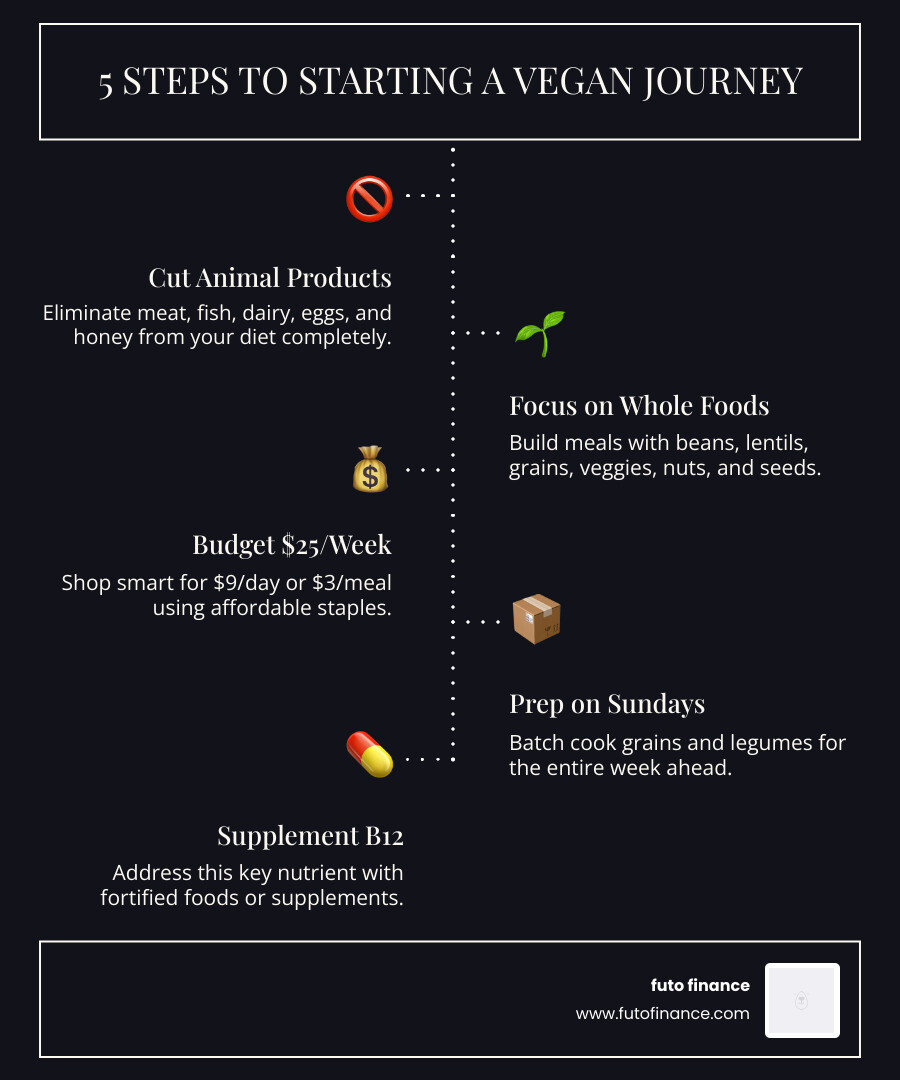
- Cut all animal products — no meat, fish, dairy, eggs, or honey
- Build meals around whole foods — beans, lentils, grains, vegetables, nuts, and seeds
- Spend as little as $25 per person per week — around $9 a day or $3 a meal
- Prep on Sundays — batch cook grains and legumes to cover most of the week
- Supplement smartly — B12 is the one nutrient you must address on a vegan diet
People choose to go vegan for lots of reasons. Some care about animal welfare. Others are motivated by the environment — the livestock sector alone accounts for more than 60% of all food-system greenhouse gas emissions. And many people simply want to feel better. Research links plant-based diets to lower risks of heart disease, type 2 diabetes, and certain cancers.
But here’s the thing most people don’t realize: going vegan doesn’t have to be expensive or complicated. Plant-based staples like brown rice, dried beans, oats, and potatoes are some of the cheapest foods in any supermarket.
As of April 2026, interest in vegan eating is at an all-time high. Veganuary 2026 alone inspired nearly 10,000 media stories and saw over 1,187 new vegan products launch globally. More people than ever are looking for a simple, affordable way to get started.
This guide gives you everything you need — meal ideas, prep strategies, nutrition tips, and a realistic budget — all for free.
Why Choose a Free Vegan Diet Plan in 2026?
In 2026, the “vegan tax” is officially a myth—if you know how to shop. While fancy pre-packaged vegan cheeses and “bleeding” burgers can drain your bank account, a free vegan diet plan focused on whole foods is actually one of the most budget-friendly ways to live.
Statistics show that a well-planned vegan menu can cost as little as $9 a day per person. In fact, if you are diligent about meal planning and bulk cooking, you can eat a variety of nutritious meals for around $25 per person for an entire week. For us at Futo Finance, helping students navigate these costs is our bread and butter. We know that when you’re balancing tuition and rent, every dollar counts.
Choosing a free plan allows you to skip the expensive “coaching” fees and instead invest that money into high-quality ingredients. By focusing on staples like rice, beans, and seasonal produce, you aren’t just saving money; you’re also avoiding the highly processed additives found in many “vegan-labeled” convenience foods. If you’re looking for a community to help you kickstart this journey, Veganuary 2026 | Home | The Go Vegan 31 Day Challenge is a fantastic resource that offers global support and free starter kits every year.
Essential Food Groups and Budget-Friendly Staples
To succeed on a free vegan diet plan, we need to rethink the plate. Instead of a “meat and two veg” mindset, we look at nutrient density and satiety.

- Whole Grains: Brown rice, oats, quinoa, and barley. These provide the energy (carbohydrates) and fiber needed to keep you full between lectures.
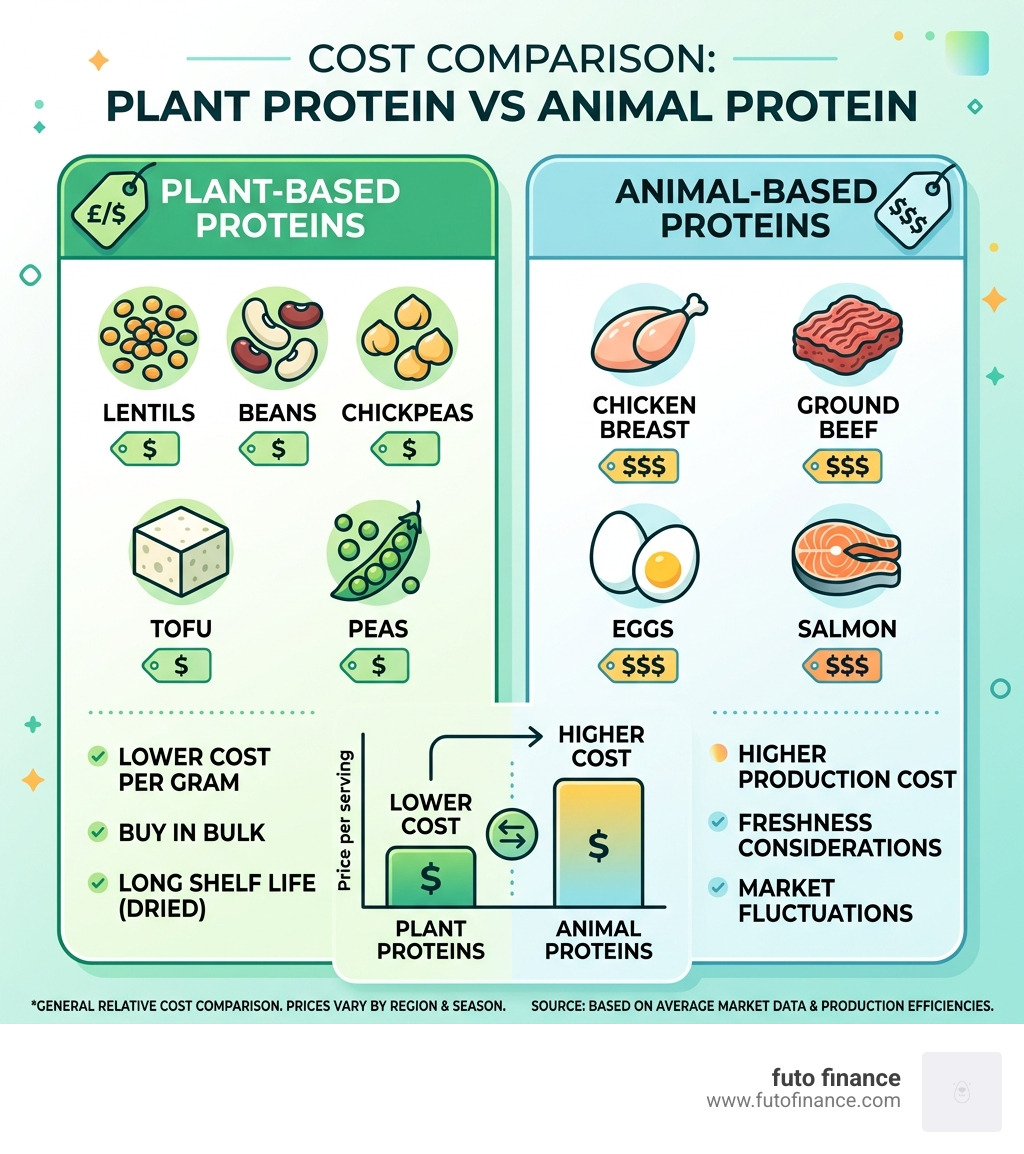
- Legumes: The powerhouse of the vegan world. Lentils, chickpeas, black beans, and kidney beans are incredibly cheap, especially when bought dry.
- Plant Proteins: Tofu, tempeh, and seitan. While slightly more expensive than beans, they are still cheaper than high-quality meat.
- Healthy Fats: Avocados, nuts, seeds (like chia and flax), and olive oil. These are essential for brain health and absorbing vitamins.
- Fortified Foods: Plant milks (soy, oat, almond) and nutritional yeast. These often have added B12 and Vitamin D, which are harder to find in plants alone.
- Frozen Vegetables: Don’t sleep on the freezer aisle! Frozen spinach, broccoli, and peas are often more nutritious than “fresh” produce that has sat on a truck for a week, and they are significantly cheaper.
Building Your Free Vegan Diet Plan on a Budget
The secret to a successful free vegan diet plan is “strategic shopping.” As students, we don’t always have the luxury of high-end organic markets, but we can be smart.
- Buy in Bulk: Grains and dried beans are pennies per serving when bought in large bags.
- Embrace the Potato: Potatoes are a vegan’s best friend on a tight budget. They are filling, versatile, and dirt cheap.
- Shop Seasonally: A head of cauliflower might be $2 in October but $6 in July. Follow the seasons to save.
- Discount Grocers: Stores like Aldi or Lidl often have the best prices on staples like tofu and plant milks.
- Dried over Canned: While canned beans are convenient, dried beans go twice as far for the same price. Just soak them overnight!
7-Day Sample Meal Plan and Prep Strategies
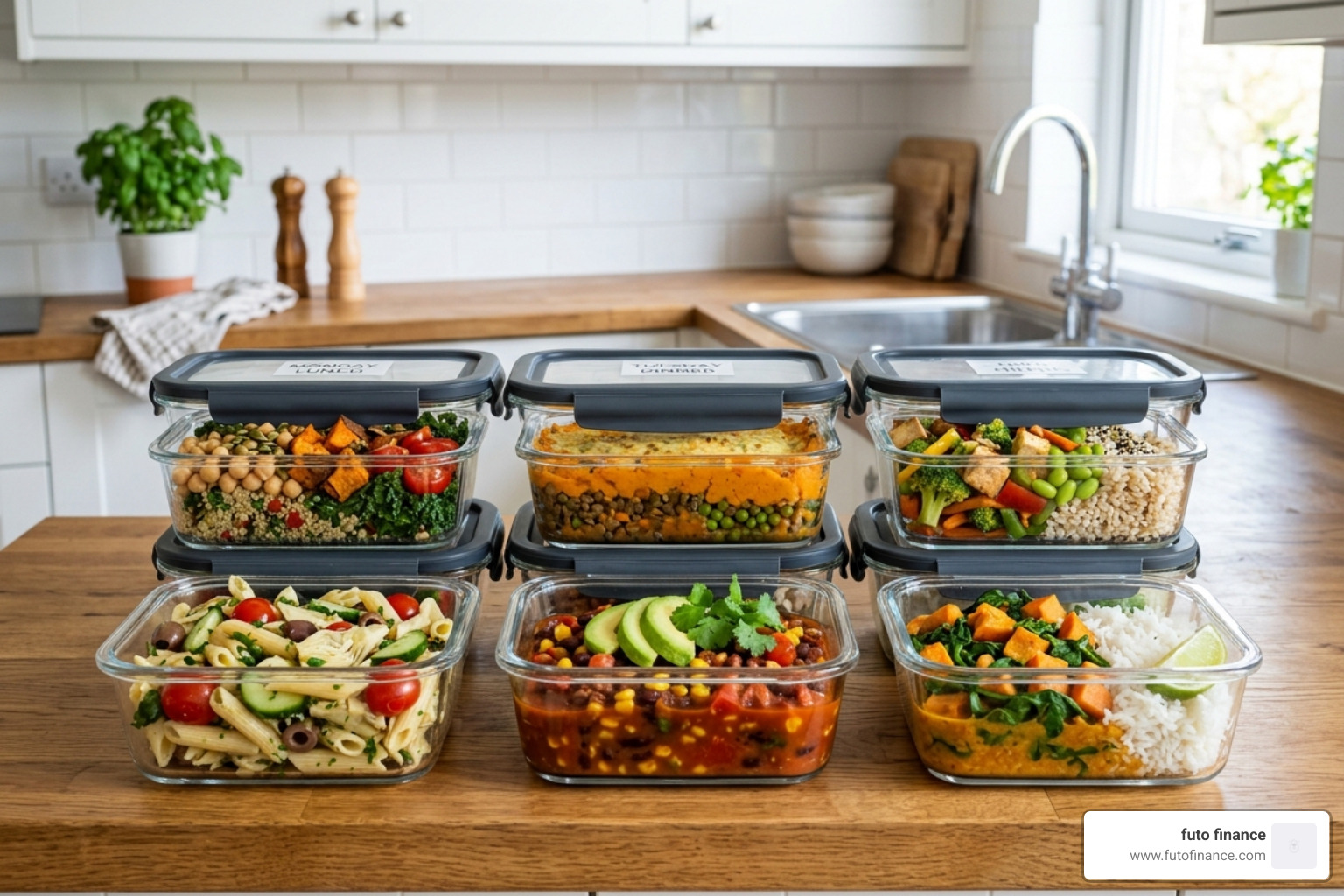
The biggest hurdle to staying vegan is “decision fatigue.” When you’re tired after a long day, you’re more likely to grab non-vegan convenience food. That’s why we advocate for a Sunday prep session.
Our free vegan diet plan is built on a 1,500-calorie base, which is a great starting point for many. However, if you are active or have a higher metabolic rate, you can easily scale this to 2,000 calories by adding an extra snack or increasing your portion of grains at dinner.
- Sunday Prep: Cook a large batch of brown rice or quinoa. Roast a tray of seasonal vegetables. Make a big pot of lentil dahl or black bean chili.
- The Rotation: Use your prepped grains and beans to build different bowls throughout the week. One day it’s a Mexican-style burrito bowl; the next, it’s a Mediterranean grain bowl with hummus.
- Leftovers are Gold: Always cook more than you need for dinner. Taking leftovers for lunch the next day saves you from the “expensive campus sandwich” trap.
Breakfast and Lunch Ideas for Your Free Vegan Diet Plan
Breakfast and lunch should be “low-friction” meals. You want things that are easy to grab or require zero cooking in the morning.
- Overnight Oats: Mix oats, plant milk, and a spoonful of chia seeds in a jar. Top with a chopped apple or frozen berries. It’s ready the moment you wake up.
- Tofu Scramble: Crumble tofu into a pan with some turmeric (for color), nutritional yeast (for cheesy flavor), and whatever veggies are in the fridge.
- Chickpea “Tuna” Salad: Mash chickpeas with a little vegan mayo or avocado, lemon juice, and diced pickles. It’s perfect in a wrap or on whole-grain toast.
- Vegan Superfood Grain Bowls: Use your Sunday-prepped quinoa, add some steamed broccoli, baked tofu, and a simple lemon-garlic vinaigrette.
Navigating Nutrition and Overcoming Challenges
We want to make sure your free vegan diet plan is sustainable for the long haul. That means paying attention to the “micro” details.
- Protein: You don’t need meat to be strong. By eating a variety of legumes, nuts, and grains, you’ll easily hit the recommended 50-60g of protein per day.
- Vitamin B12: This is non-negotiable. B12 does not occur naturally in plants. You must eat fortified foods (like nutritional yeast or certain plant milks) or take a low-cost supplement.
- Iron: Plant-based iron (non-heme) is absorbed better when eaten with Vitamin C. Squeeze some lime on your bean tacos or have a side of peppers with your lentils.
- Omega-3s: Add a tablespoon of ground flaxseed or chia seeds to your morning oats. It’s an easy way to support heart and brain health.
- Label Reading: Watch out for hidden animal products. Ingredients like “whey,” “casein,” “gelatin,” and even certain “E-numbers” (like E120, which is made from crushed insects) are not vegan.
Social dining can also be a challenge. When eating out with friends, don’t be afraid to ask for modifications. Most kitchens can easily swap cheese for avocado or meat for extra beans.
Frequently Asked Questions about Vegan Meal Planning
Is a vegan diet more expensive for students?
Absolutely not. While “vegan” branded products are pricey, the core of a free vegan diet plan—beans, rice, oats, and potatoes—is significantly cheaper than meat and cheese. If you stick to whole foods, you can easily eat for $3 per meal.
How do I get enough protein without meat substitutes?
Nature has provided plenty! Lentils provide about 18g of protein per cooked cup. Tofu, tempeh, and seitan are protein-dense. Even vegetables like peas and spinach contribute to your daily total. If you’re worried, adding a scoop of plant-based protein powder to a smoothie is an easy fix.
Can I adapt this plan for gluten-free needs?
Yes! Many vegan staples are naturally gluten-free, such as rice, quinoa, potatoes, and all fruits and vegetables. Instead of wheat-based pasta, try legume-based pastas (made from chickpeas or lentils), which also have the added benefit of being higher in protein. Just be sure to check labels for cross-contamination if you have a severe intolerance.
Conclusion
Transitioning to a plant-based lifestyle is a journey, not a sprint. At Futo Finance, we believe that every student deserves access to healthy, affordable food that aligns with their values. By following a free vegan diet plan, you’re taking a massive step toward better health, a smaller environmental footprint, and significant financial savings.
Start small. Maybe try “Vegan Mondays” or commit to the Veganuary challenge. Use the recipes and prep tips we’ve shared to build a routine that works for your schedule and your budget. It’s not about being a “perfect” vegan—it’s about making better choices for yourself and the planet, one meal at a time.
For more tips on navigating university life on a plant-based budget, check out More info about affordable vegan student recipes. We’re here to help you cook, eat, and thrive!

Melo Rodrigues is the founder of Futo Finance and a specialist in student-budget veganism. Having mastered the art of plant-based cooking in a university setting, Melo is dedicated to helping students achieve nutritional excellence without financial strain. Through Futo Finance, Melo shares lab-tested strategies for eating smart and living sustainably on a budget.
