
The only plant based cookbook for beginners you actually need
Why Finding the Right Plant Based Cookbook for Beginners Actually Matters
The best plant based cookbook for beginners gives you simple recipes, a pantry guide, and a meal plan — without overwhelming you or breaking the bank. Here are the top picks to get you started:
- Fast Easy Cheap Vegan – Best for tight budgets and busy schedules (101 recipes, 30 min or less, $10 or less)
- PlantYou – Best all-rounder with visual recipe guides and 140+ oil-free recipes
- Mostly Plant-Based – Best for flexible beginners with a built-in 21-day meal plan
- High-Protein Plant-Based Diet for Beginners – Best for tackling the protein question head-on
- Plant Biased – Best starter guide with 90+ easy recipes and a full beginner walkthrough
So you want to eat more plants — but you don’t know where to start, you’re short on time, and you definitely don’t want to spend a fortune.
You’re not alone. One-third of Americans are actively adding more plant-based foods to their diet. Nearly 68% have already tried a plant-based meat or dairy alternative. The shift is happening — and cookbooks are one of the fastest ways to make it stick.
The problem? Most beginner cookbooks assume you have a fully stocked kitchen, hours to cook, and money to spare. That’s rarely true for students juggling classes, work, and a tight grocery budget.
The right cookbook changes everything. It shows you what to buy, what to cook, and how to do it fast — without sacrificing taste or nutrition.
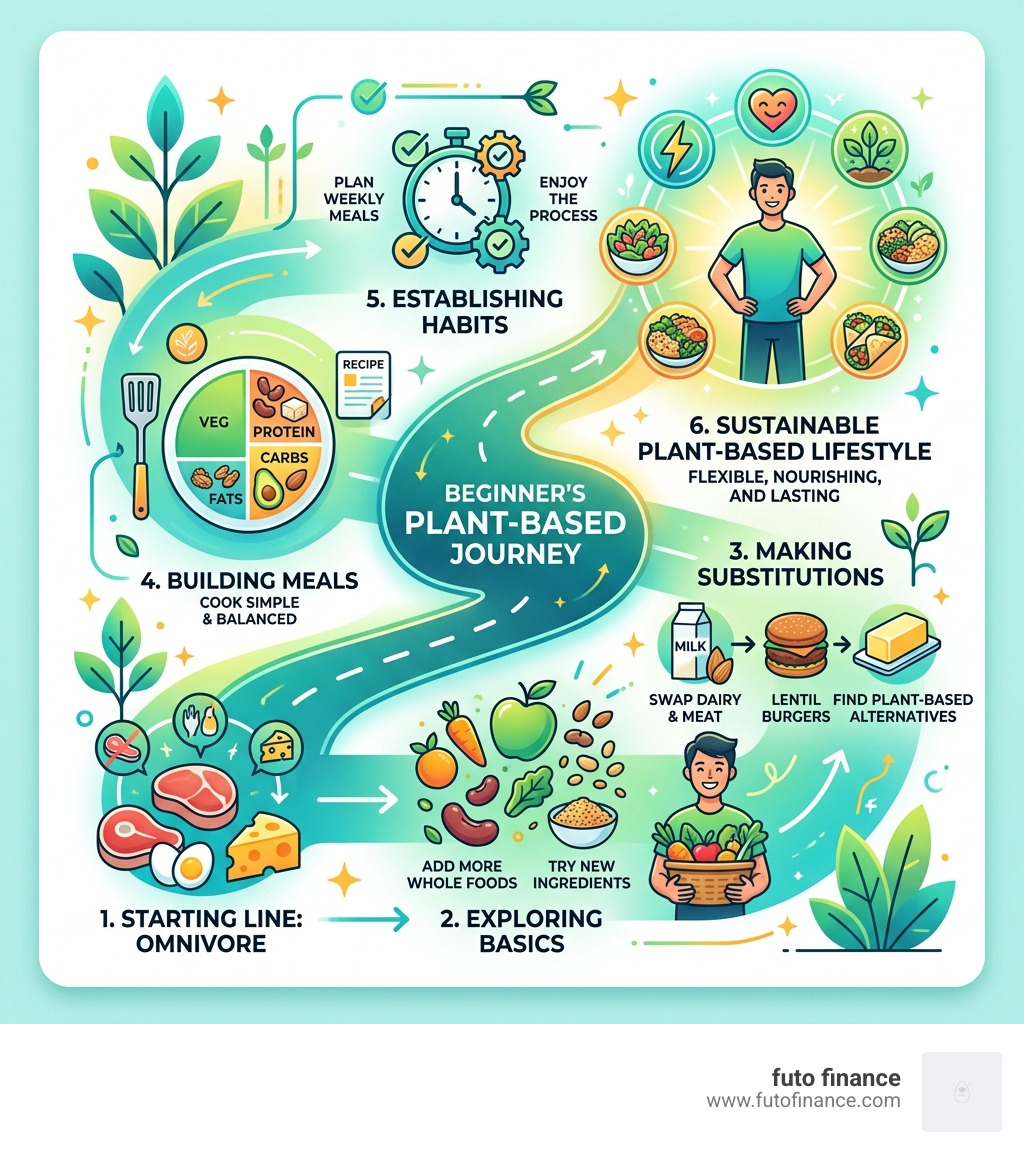
Plant-Based vs. Vegan: What Beginners Need to Know
When we first start exploring this world, the terminology can feel like a maze. Is “plant-based” just a fancy word for “vegan”? Not exactly. In our experience at Futo Finance, understanding these nuances helps you choose the right resources and set goals that actually fit your life.
Defining the Terms
A “plant-based diet” usually refers to a way of eating that focuses primarily on plants—fruits, vegetables, nuts, seeds, and grains—with a heavy emphasis on health and whole foods. It’s often used by those who want to improve their well-being without necessarily committing to a total lifestyle overhaul.
“Veganism,” on the other hand, is a lifestyle and value system. It’s about ethics and animal welfare, extending beyond the plate to avoid animal products in clothing, cosmetics, and more. While all vegans eat a plant-based diet, not everyone on a plant-based diet identifies as vegan.
Why the Shift?
As of April 2026, the reasons for going plant-forward are more compelling than ever:
- Your Health: Research shows that whole-food, plant-based diets can help prevent or even reverse chronic conditions like heart disease, type 2 diabetes, and certain cancers. It’s about more than just “not eating meat”; it’s about flooding your body with fiber, antioxidants, and phytonutrients.
- The Planet: Our food system has a massive impact on the environment. Consumers can reduce their carbon footprint dramatically by eliminating beef from their diets, or even reducing it by just 25%. Choosing lentils over steak is one of the most impactful personal choices we can make for the Earth.
- The Ethics: Many beginners are drawn to this path to avoid supporting factory farming, which often involves cruel conditions for animals.
The Rise of the Flexitarian
You don’t have to be “perfect” to make a difference. Many beginners start as flexitarians—people who eat plants most of the time but might have the occasional non-plant meal. This flexibility is often what makes the transition sustainable. Whether you’re doing “Meatless Mondays” or going 100% plant-powered, the best plant based cookbook for beginners will meet you exactly where you are.
Essential Features of a Top-Tier Plant Based Cookbook for Beginners
We’ve flipped through hundreds of cookbooks, and we’ve noticed that the ones that actually help beginners succeed share a few “secret ingredients.” If you’re looking for a book that won’t just collect dust on your shelf, look for these features:
1. The “Pantry Power” Guide
For a beginner, the grocery store can feel like a foreign country. A great cookbook will include a section on stocking a plant-based pantry. We’re talking about the basics: beans, grains, spices, and nutritional yeast (which, trust us, is the “cheese” flavor you never knew you needed).

2. Meal Planning and Grocery Lists
Decision fatigue is the enemy of a new diet. Effective cookbooks provide structured meal plans—like a 21-day or 4-week guide—along with pre-made grocery lists. This takes the guesswork out of “What’s for dinner?” and ensures you don’t end up with a fridge full of wilted kale you don’t know how to use.
3. Nutritional Completeness
The number one question we hear is: “Where do I get my protein?” A top-tier book addresses this head-on. It should explain how to combine ingredients—like rice and beans—to ensure you’re getting all your essential amino acids. It should also touch on other nutrients like B12, iron, and calcium, often co-authored or vetted by a Registered Dietitian.
4. Time-Saving Hacks and Simple Tools
As students, we don’t have three hours to massage kale. We need “one-pot” wonders and “30-minute” meals. Look for books that teach you kitchen hacks, like how to safely blend hot soups without an explosion or how to tell if an avocado is actually ripe.
5. Smart Substitutions
What do you use instead of eggs in a muffin? How do you make a creamy sauce without dairy? A good beginner book provides a “cheat sheet” for these common swaps, making it easy to adapt your old favorite recipes to your new lifestyle.
Top Recommendations for Your Plant-Powered Kitchen
Choosing your first plant based cookbook for beginners is a big step. To make it easier, we’ve categorized our favorites based on what you might need most right now.
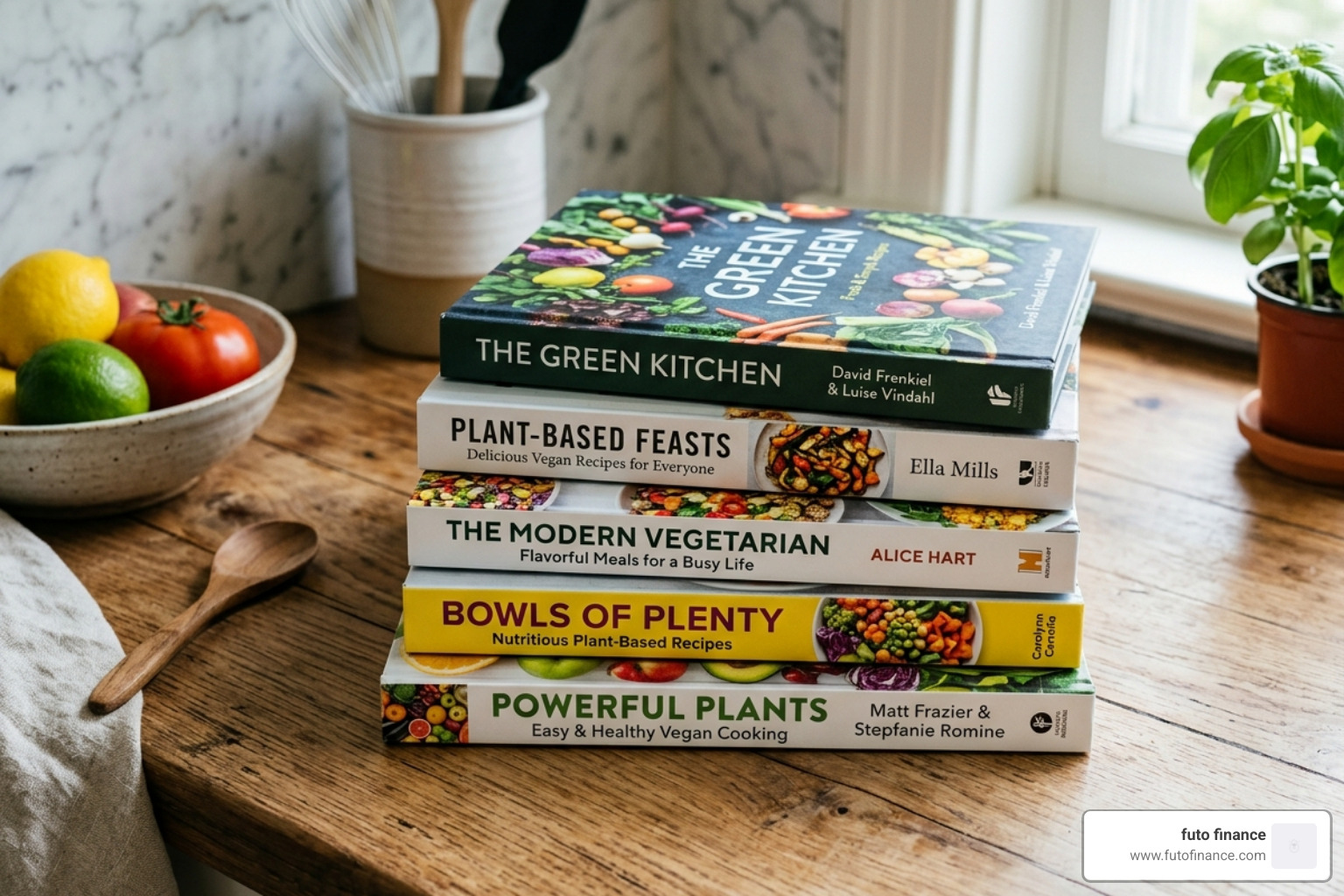
| Cookbook Title | Primary Focus | Price Point | Difficulty Level |
|---|---|---|---|
| Fast Easy Cheap Vegan | Budget & Speed | $ | Very Easy |
| PlantYou | Simplicity & Health | $$ | Easy |
| Mostly Plant-Based | Flexibility | $$ | Beginner-Intermediate |
| High-Protein Plant-Based | Nutrition/Athletics | $$ | Easy |
| Plant Biased | Comprehensive Guide | $$ | Very Easy |
The Best Budget-Friendly Plant Based Cookbook for Beginners
If you’re a university student, your two biggest constraints are likely time and money. This is where Fast Easy Cheap Vegan by Sam Turnbull shines. It’s a favorite here at Futo Finance because it tackles the myth that eating vegan is expensive.
With 101 recipes that cost $10 or less per meal and take 30 minutes or less to prepare, it’s a lifesaver for busy weeknights. You’ll find things like “Quicker Quesadillas” and “DIY Instant Ramen Soup.” It focuses on pantry staples you can find at any regular grocery store, so you won’t have to go on a treasure hunt for obscure ingredients.
The Most Comprehensive Plant Based Cookbook for Beginners
For those who want a visual approach, PlantYou by Carleigh Bodrug is a game-changer. Every recipe comes with a visual infographic of the ingredients, which makes grocery shopping and meal prep incredibly intuitive. It’s also entirely oil-free, which is a big plus for those focused on heart health.
If you’re not quite ready to go 100% vegan, Mostly Plant-Based is your best bet. It’s designed for flexibility, offering “myth-busting” blocks and recipes that can be easily customized to include or exclude animal products. Its 21-day meal plan is one of the most approachable transitions we’ve seen.
Overcoming Common Hurdles in the Plant-Based Kitchen
Transitioning to a plant-based diet isn’t just about the food; it’s about navigating a world that isn’t always set up for it. Here is how the best cookbooks help you handle the “real world” stuff:
Navigating Social Situations
What do you do when you’re visiting relatives who think a meal isn’t a meal without meat? Some cookbooks, like The Veginner’s Cookbook, include specific advice for “Landmine Situations”—like how to handle snarky comments from coworkers or what to bring to a potluck so you actually have something to eat.
Protein Anxiety
We’ve been conditioned to think protein only comes from animals. But the simple truth is: plants are optimal protein sources. From lentils and chickpeas to quinoa and hemp seeds, it is entirely possible to meet your daily requirements on a plant-only diet. Scientific research on plant-based protein adequacy consistently shows that a varied plant-based diet provides all the amino acids we need.
The “Taste” Factor
One of the biggest misconceptions is that plant-based food is bland or “rabbit food.” Modern cookbooks address this by using techniques like sautéing tomato paste to deepen flavor or using “umami” bombs like miso and soy sauce. You’ll find recipes for “Black Bean Fudge Brownies” and “African-Inspired Peanut Butter Stew” that prove you don’t have to sacrifice flavor for health.
Cultural Flavors
Plant-based eating isn’t just about salads. Many of the best new books focus on “veganizing” traditional cultural dishes. Whether it’s Korean, Afro-Latino, Southern soul food, or Indigenous Native American cuisine, these cookbooks show that the building blocks of global flavor—spices, herbs, and grains—have always been plant-based.
Frequently Asked Questions about Plant-Based Cooking
We know you have questions. Here are the ones we hear most often from the Futo Finance community:
How do I ensure I get enough protein on a plant-based diet?
It’s easier than you think! The key is variety. By eating a mix of legumes (beans, lentils, peas), whole grains, nuts, and seeds throughout the day, your body gets all the “building blocks” it needs. Many beginner cookbooks include a protein chart to help you track your favorites.
Is plant-based cooking more expensive than a standard diet?
Actually, it can be much cheaper! While “fake meats” can be pricey, the core of a plant-based diet—beans, rice, oats, potatoes, and seasonal frozen veggies—are some of the most affordable items in the grocery store. Books like Plant-Based on a Budget show you how to eat nutritiously for pennies.
What are the best plant-based substitutes for dairy and meat?
- For Milk: Oat milk (great for coffee/baking) or Soy milk (high protein).
- For Cheese: Nutritional yeast (for a nutty, cheesy flavor) or cashew-based creams.
- For Meat: Lentils (great for tacos/bolognese), Chickpeas (perfect for “tuna” salad), or Tofu/Tempeh for stir-fries.
- For Eggs in Baking: “Flax eggs” (1 tbsp ground flax + 3 tbsp water) or mashed banana.
Conclusion
As we move through April 2026, it’s clear that plant-based eating isn’t just a trend—it’s a global shift toward a more sustainable and health-conscious future. Whether you’re a university student trying to save money or someone looking to boost your energy, the right plant based cookbook for beginners is your roadmap to success.
You don’t need to change everything overnight. Start with one recipe that looks delicious, stock up on a few pantry staples, and see how you feel. Your body, your wallet, and the planet will thank you.
For more student-focused tips on affordable vegan living, check out More info about vegan lifestyle and nutrition. Happy cooking!

Melo Rodrigues is the founder of Futo Finance and a specialist in student-budget veganism. Having mastered the art of plant-based cooking in a university setting, Melo is dedicated to helping students achieve nutritional excellence without financial strain. Through Futo Finance, Melo shares lab-tested strategies for eating smart and living sustainably on a budget.
