
How to Master the Low Calorie Vegan Lunch
Why a Low Calorie Vegan Lunch Is a Game-Changer for Students
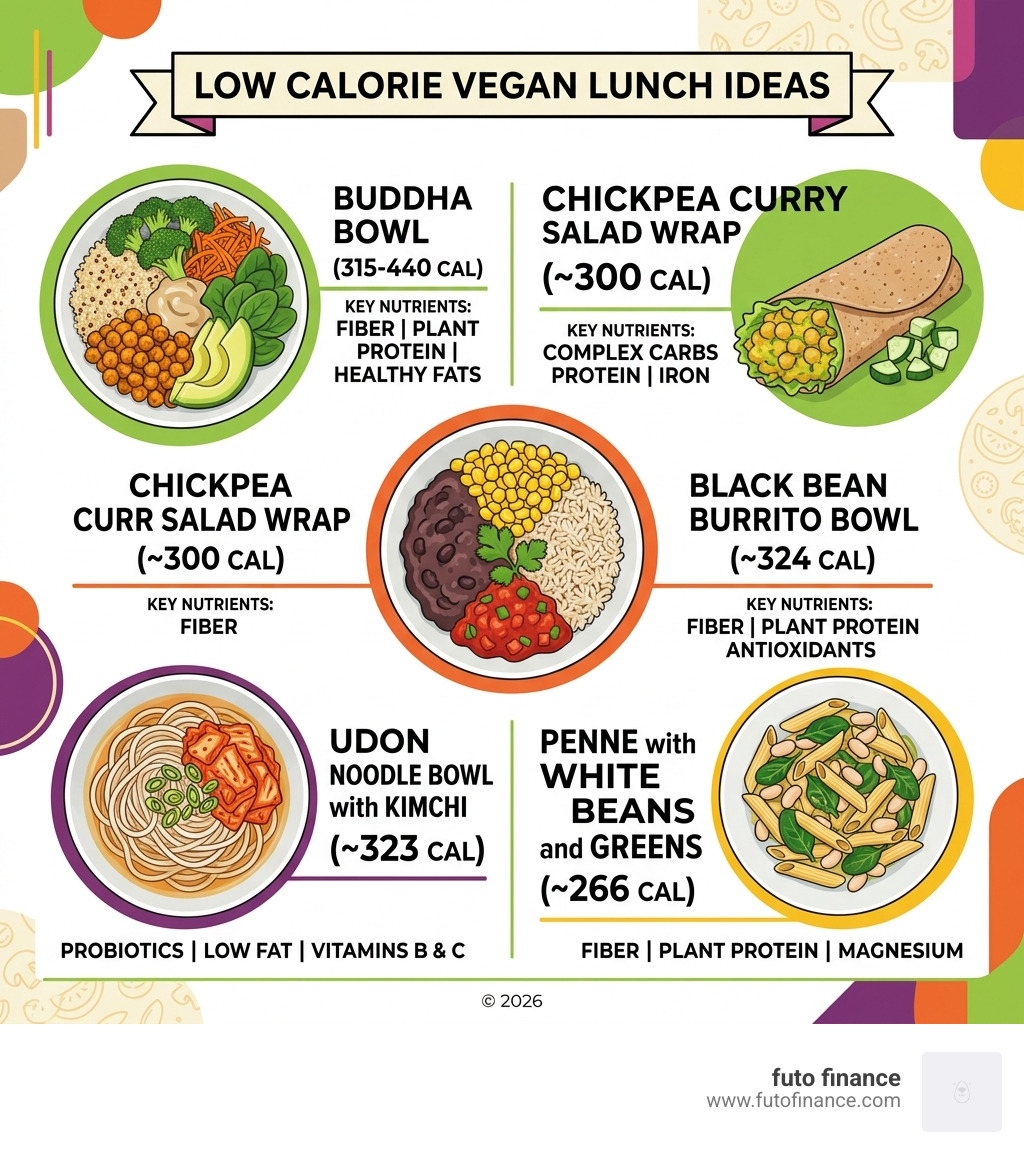
Low calorie lunch vegan options are easier to make than most people think. Here are some quick, satisfying ideas to get you started:
- Buddha Bowl (315-440 cal) – quinoa, roasted chickpeas, avocado, mixed veggies, tahini dressing
- Chickpea Curry Salad Wrap (~300 cal) – mashed chickpeas, curry dressing, crisp veggies in a wrap
- Black Bean Burrito Bowl (~324 cal) – refried beans, corn, rice, salsa
- Udon Noodle Bowl with Kimchi (~323 cal) – noodles, fermented vegetables, light broth
- Penne with White Beans and Greens (~266 cal) – pasta, cannellini beans, leafy greens
Most of these take under 30 minutes to make and pack easily for campus.
Lunch is often the meal that gets the least attention — especially when you’re juggling lectures, deadlines, and a tight budget. It’s easy to skip it, grab something expensive, or end up with something that leaves you hungry an hour later.
But here’s the thing: eating well at lunch doesn’t have to be complicated or costly.
Research consistently shows that vegans tend to have a lower BMI than both meat-eaters and vegetarians. That’s largely because whole plant foods are naturally low in calories, high in fiber, and packed with water — meaning they fill you up without weighing you down.
The best part? A well-built vegan lunch can keep you full, focused, and energized through an afternoon of classes — all for just a few dollars per serving.
This guide walks you through exactly how to make it work, even on a student budget.
The Science Behind a Low Calorie Vegan Lunch
As we head into April 2026, the science of plant-based nutrition has never been clearer. When we talk about a low calorie lunch vegan style, we aren’t talking about deprivation or tiny portions. In fact, we are talking about “volume eating.”
The secret lies in calorie density. Animal products like meat and cheese are calorie-dense, meaning they pack a lot of energy into a small space, often with zero fiber. On the flip side, whole plant foods are nutrient-dense. They are loaded with water and fiber, which physically fill your stomach and trigger satiety hormones that tell your brain, “I’m full!”
By maintaining a slight calorie deficit through high-volume, low-calorie plants, you can manage your weight effectively without the “hanger” that usually accompanies dieting. Furthermore, plant-based diets are linked to better metabolic health and a lower risk of chronic diseases. For a deeper dive, you can explore this Scientific research on the benefits of plant-based diets.
At Futo Finance, we believe that understanding the “why” makes the “how” much easier. If you want to learn more about the foundations of this lifestyle, check out More info about vegan nutrition.
Essential Ingredients for a Balanced Low Calorie Lunch Vegan
To build a lunch that actually powers you through a three-hour seminar, you need more than just lettuce. You need a balance of complex carbohydrates, healthy fats, and, most importantly, plant-based protein.
High-Protein Staples for Your Low Calorie Lunch Vegan
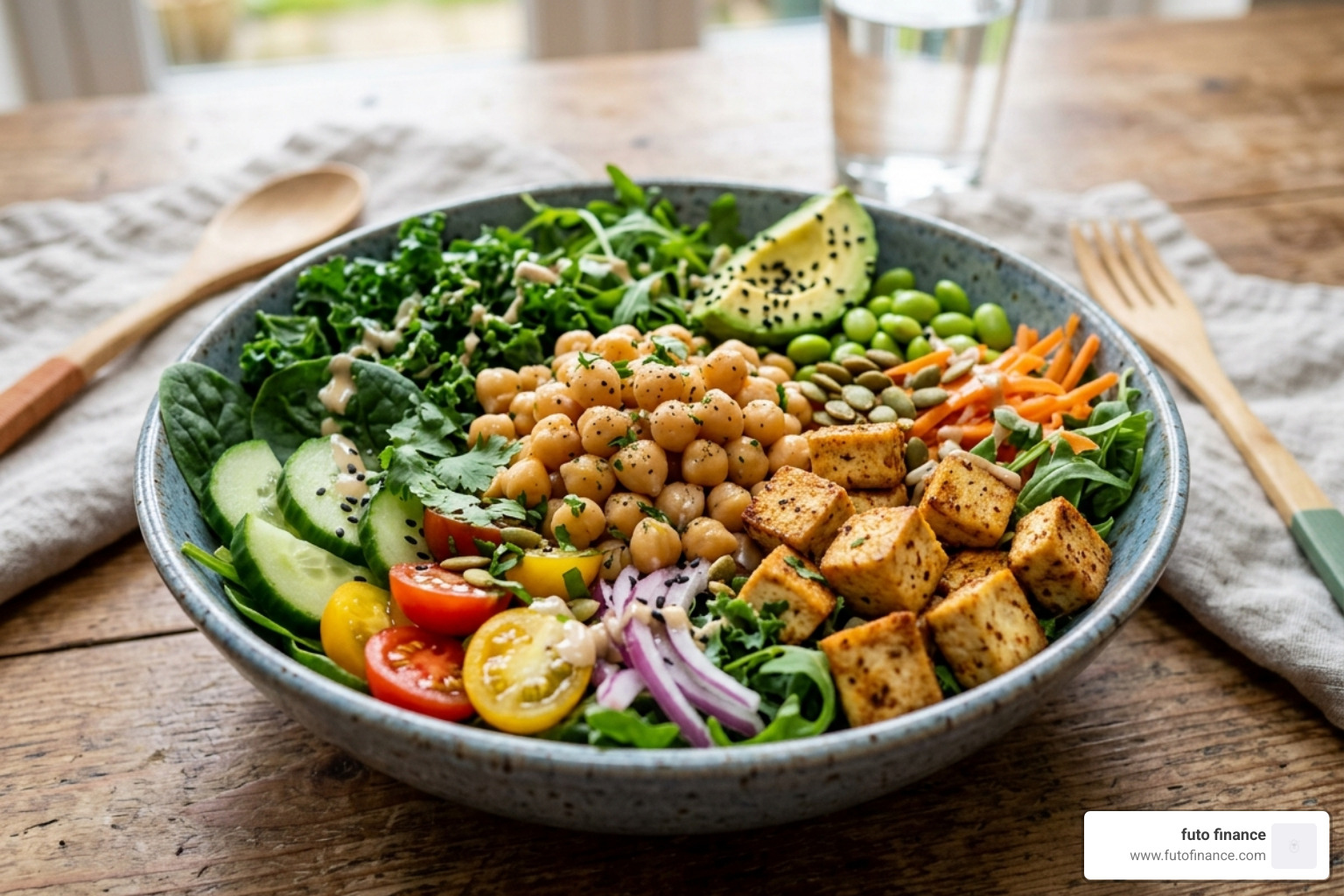
Protein is the king of satiety. It helps maintain muscle mass—especially important if you’re hitting the campus gym—and keeps your blood sugar stable. Here are our favorite low-calorie, high-protein stars:
- Tofu & Tempeh: Tofu is a blank canvas. A tofu scramble or baked tofu cubes can provide 15-20g of protein for relatively few calories.
- Lentils & Beans: Black beans, chickpeas, and white beans are student staples. They are dirt cheap and provide a double-whammy of protein and fiber.
- Seitan: Often called “wheat meat,” seitan has an incredible protein-to-calorie ratio, making it perfect for “steak” strips or stir-fries.
- Edamame & Hemp Seeds: These are great for sprinkling over salads to add a nutty flavor and a protein boost.
For more tips on hitting your macros, see More info about plant-based protein.
Smart Swaps: Grains vs. Vegetables
If you’re looking to significantly lower the calorie count of your low calorie lunch vegan meals, consider these swaps:
| Traditional Ingredient | Low-Calorie Alternative | Calorie Savings (approx.) |
|---|---|---|
| White Rice (1 cup) | Cauliflower Rice | ~180 calories |
| Pasta (2 oz dry) | Zucchini Noodles (Zoodles) | ~160 calories |
| Flour Tortilla | Large Collard Green Leaf | ~120 calories |
| Pizza Crust | Cauliflower or Sweet Potato Crust | ~100-150 calories |
Flavor Without the Calories: Spices and Aromatics
The biggest myth about a low calorie lunch vegan is that it’s bland. We combat this with “flavor bombs”:
- Nutritional Yeast: Adds a “cheesy” umami flavor for just 20 calories per tablespoon.
- Kimchi & Fermented Foods: Great for gut health and adds a spicy, tangy kick to rice bowls.
- Aromatics: Garlic, ginger, and turmeric add depth without adding fat.
- Acid: A squeeze of lemon or lime juice can brighten a dish more effectively than a heavy oil-based dressing.
5 Satisfying Vegan Lunch Ideas Under 500 Calories
Ready to get cooking? Here are five diverse ways to master the low calorie lunch vegan without breaking the bank.
1. The Ultimate Chickpea Buddha Bowl
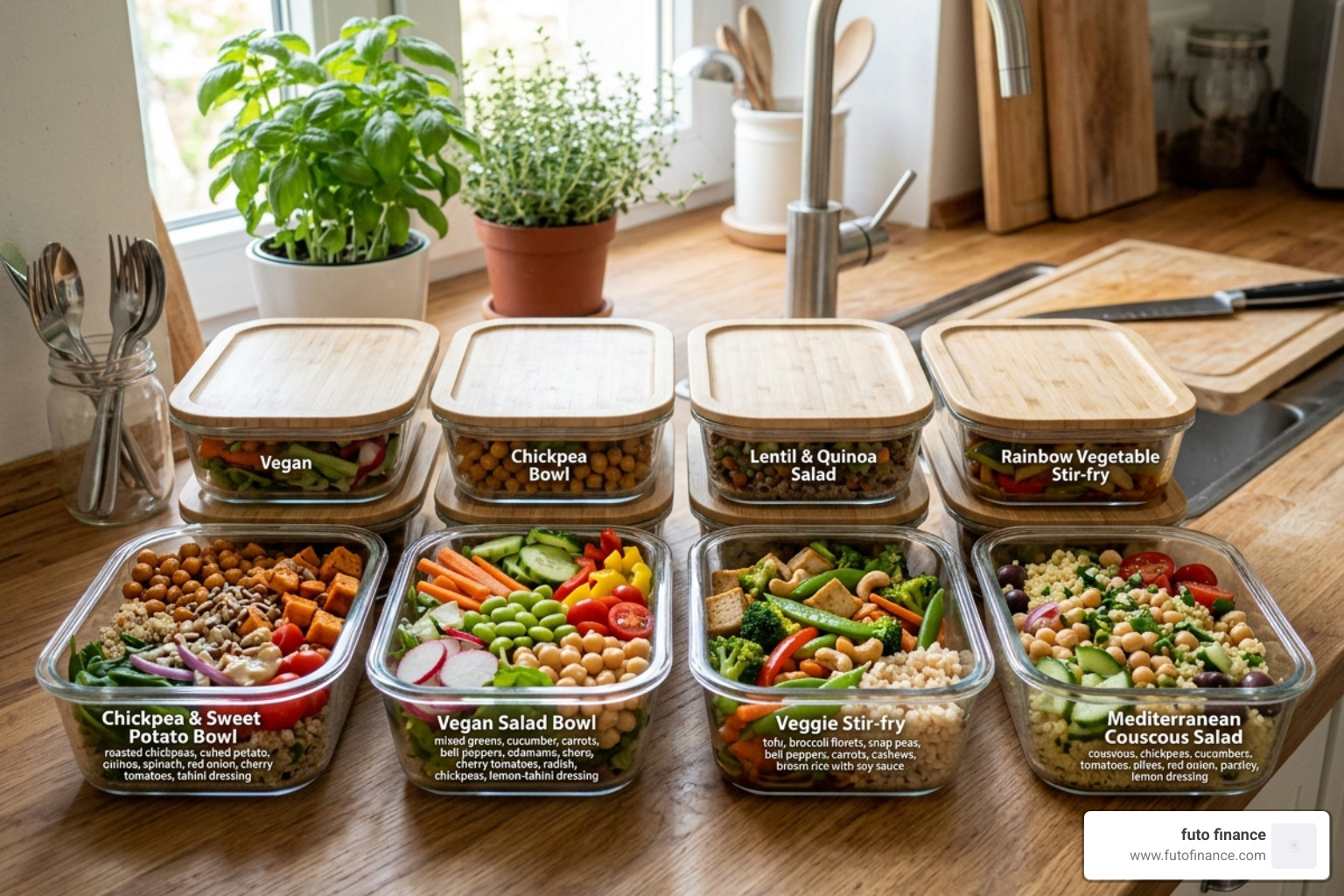
This is the gold standard of vegan lunches. We recommend roasting your chickpeas with cumin and chili powder for a “crunch” that mimics croutons. Pair them with half a roasted sweet potato, shredded kale (massaged with a little lemon juice), and a drizzle of maple-tahini dressing.
- Calorie Count: ~376 – 440 kcal depending on dressing.
2. Vegan “Tuna” Chickpea Curry Salad
Mash a can of chickpeas and mix with diced celery, red onion, and a dressing made of hummus, lemon juice, and curry powder. Serve it in a large lettuce wrap or over a bed of spinach. It’s fresh, filling, and takes 10 minutes to prep.
- Calorie Count: ~280 kcal.
3. Zoodles with Lentil Bolognese
Substitute traditional pasta for zucchini noodles and top with a hearty sauce made of crushed tomatoes, lentils, and walnuts. The lentils provide the “meaty” texture and a huge hit of fiber.
- Calorie Count: ~320 kcal.
4. Rainbow Veggie Taco Salad
Skip the fried tortilla bowl and use a massive bed of Romaine lettuce. Load it with black beans, charred corn, radishes, cherry tomatoes, and a dollop of salsa. If you want creaminess, use a small amount of avocado or a dollop of dairy-free yogurt seasoned with taco spices.
- Calorie Count: ~350 kcal.
5. Quick Udon Noodle Soup
Use a light vegetable broth seasoned with miso and ginger. Add udon noodles, bok choy, and tofu skin (yuba) or silken tofu. This is the ultimate comfort food for a rainy day on campus.
- Calorie Count: ~323 kcal.
Packing Your Low Calorie Lunch Vegan for Campus
Packing a low calorie lunch vegan requires a little strategy to ensure it stays fresh:
- The Dressing Rule: Never dress your salad in the morning. Keep the dressing in a separate small container to avoid soggy leaves.
- Avocado Hack: If you’re bringing avocado, leave the pit in the half you aren’t using and wrap it tightly, or simply slice it fresh right before you eat.
- Bento Boxes: Use containers with compartments to keep “wet” ingredients (like salsa) away from “dry” ingredients (like chips or greens).
- Dorm-Friendly Assembly: If you don’t have a stove, many of these (like the Chickpea Salad) only require a bowl and a fork.
Practical Strategies for Student-Friendly Meal Prep
We know you’re busy. That’s why we advocate for “Sunday Power Prep.” Spending 90 minutes on the weekend can save you 10 hours of stress during the week.
- Batch Cook Grains and Beans: Make a big pot of quinoa or brown rice and a batch of beans. These are the foundations of your low calorie lunch vegan bowls.
- Roast in Stages: Use one large sheet pan. Put the potatoes on first, add broccoli halfway through, and kale at the very end.
- Use Frozen Veggies: Frozen spinach, corn, and peas are often cheaper and just as nutritious as fresh. They’re perfect for tossing into soups or stir-fries.
- Invest in Parchment Paper: It prevents sticking without the need for excess oil, keeping your calorie count low and your cleanup fast.
For a full breakdown of how to organize your week, see More info about meal planning.
Frequently Asked Questions about Vegan Weight Management
What is a typical calorie range for a vegan lunch?
For most students, a range of 300 to 500 calories is ideal for lunch. This provides enough energy to stay alert in class without causing a mid-afternoon “food coma.” However, your specific needs depend on your activity level and metabolic rate. Using a tracking app for a week can help you visualize where your calories are coming from.
How can I ensure my vegan lunch isn’t bland?
Texture is key! Combine something crunchy (roasted chickpeas), something creamy (avocado or tahini), and something fresh (cucumber or sprouts). Don’t forget umami—soy sauce, miso, and nutritional yeast are your best friends.
Is it expensive to eat a low-calorie vegan diet?
Actually, it’s often cheaper! Meat and cheese are usually the most expensive items on a grocery list. By focusing on dried beans, seasonal produce, and bulk grains, you can eat a low calorie lunch vegan for less than the price of a coffee. Reducing food waste by using “scraps” (like broccoli stems) in your bowls also helps your wallet.
Conclusion
Mastering the low calorie lunch vegan is a journey, not a destination. It’s about building sustainable habits that fit your student lifestyle and your budget. By focusing on nutrient density, protein-packed staples, and smart meal prep, you can enjoy delicious, comforting meals that support your health goals.
At Futo Finance, we are dedicated to making plant-based living accessible for every student. Whether you’re trying to manage your weight or just want to feel more energized, the power is on your plate.
Ready to take the next step? Download The Plant-Powered Plan to Beat Diabetes for more specialized guidance on using vegan nutrition to transform your health. Let’s make April 2026 your healthiest month yet!

Melo Rodrigues is the founder of Futo Finance and a specialist in student-budget veganism. Having mastered the art of plant-based cooking in a university setting, Melo is dedicated to helping students achieve nutritional excellence without financial strain. Through Futo Finance, Melo shares lab-tested strategies for eating smart and living sustainably on a budget.
