
How to Master the Art of the Vegan Bento Box
What Is a Vegan Bento Box (And Why You’ll Love It)
A vegan bento box is one of the smartest, most affordable lunch solutions for busy students — here’s the quick version of everything you need to know:
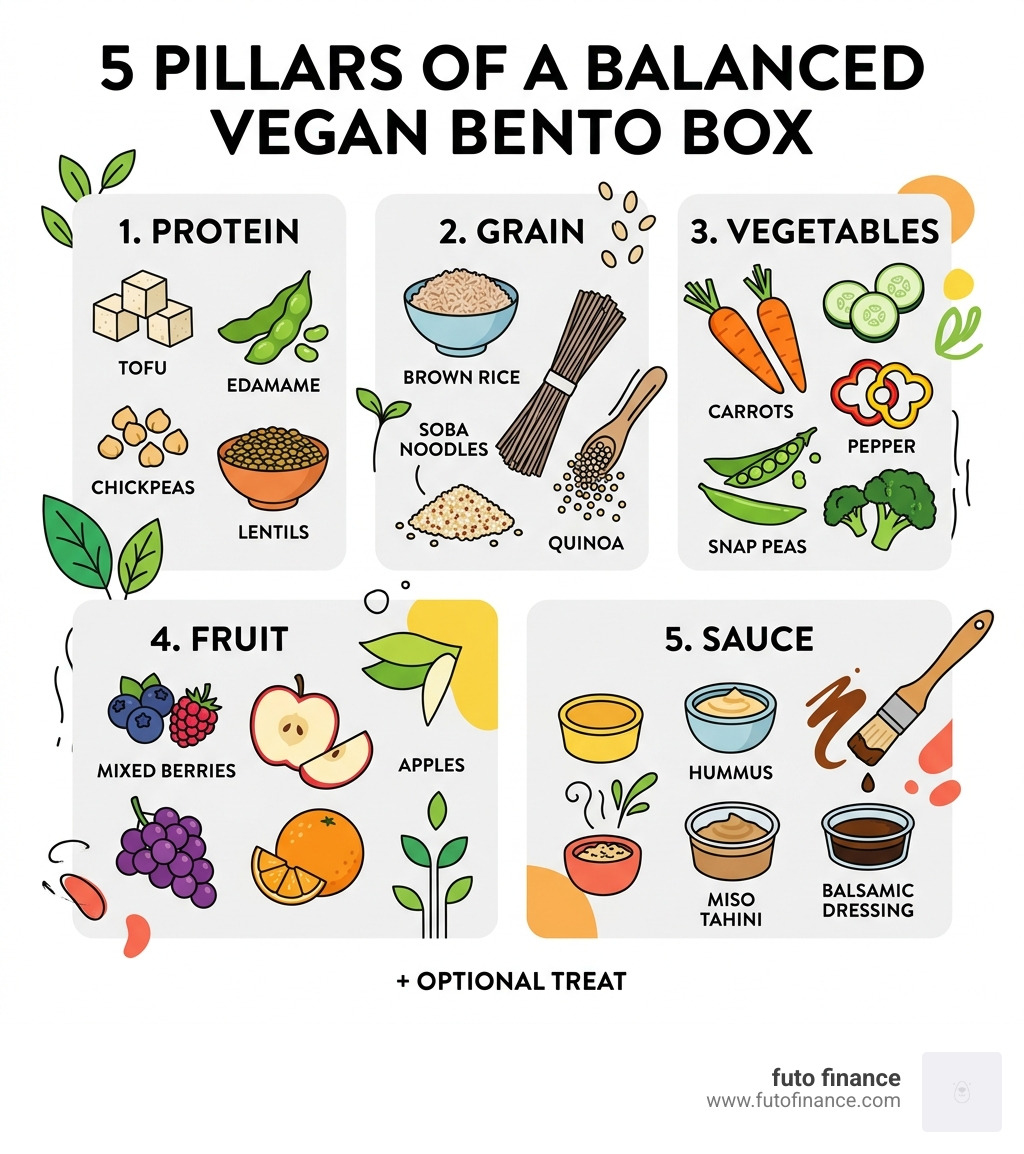
Quick-start guide to a balanced vegan bento box:
- Protein — tofu, tempeh, chickpeas, lentils, edamame, or nut butter
- Starch or grain — brown rice, quinoa, soba noodles, or sweet potato
- Vegetables — carrots, cucumber, bell peppers, snap peas, or broccoli
- Fruit — berries, apple slices, grapes, or orange segments
- Sauce or dip — hummus, miso tahini, or balsamic dressing
- Optional treat — dark chocolate, energy balls, or a small vegan cookie
The word bento (弁当) is Japanese for “convenient” or “portable.” Bento boxes became a daily staple in Japan during the Edo period (1603–1688), and the concept is just as relevant today — maybe more so. A compartmentalized lunchbox keeps your food organized, fresh, and portion-controlled without any extra effort.
For a student juggling lectures, a tight budget, and a plant-based diet, that matters a lot.
The beauty of the vegan bento box isn’t just the food. It’s the system. Prep a few components on Sunday, mix and match them all week, and you’ve got lunches that are different every day — without cooking from scratch each morning.
And the environmental upside is real: producing 1 pound of tofu uses around 244 gallons of water, compared to over 2,400 gallons for 1 pound of beef. Your lunch box can do more than feed you.
The Anatomy of a Balanced Vegan Bento Box
As we move into April 2026, the trend for mindful, sustainable eating has never been stronger. A vegan bento box is essentially a blank canvas. While traditional Japanese bento boxes are often deep and lack physical partitions (relying on tight packing to keep food in place), many modern versions feature built-in dividers that make portion control a breeze.
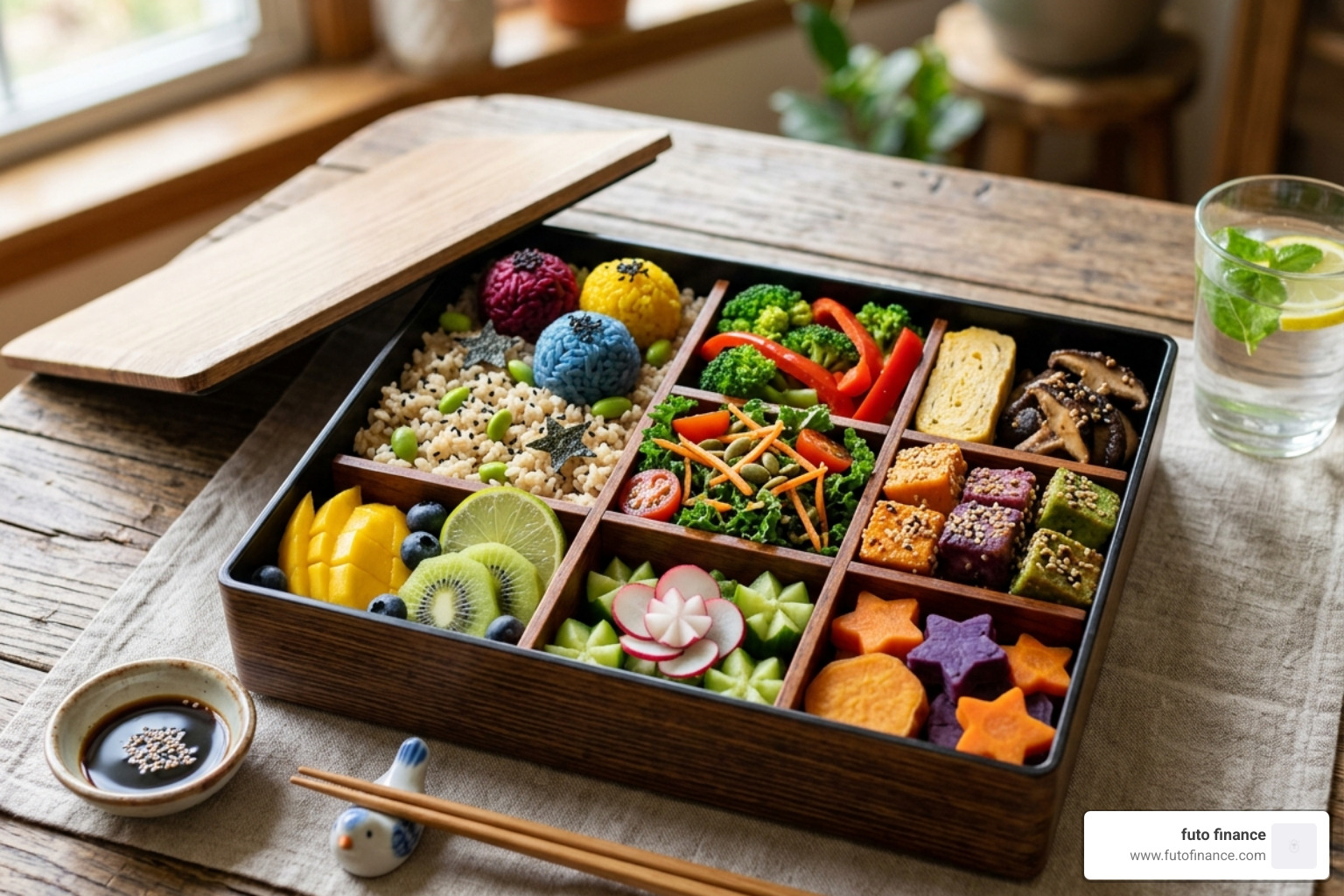
For those of us looking to maintain a healthy weight or hit high-protein goals, the compartmentalized nature of a bento box is a secret weapon. It forces you to think about food groups. Instead of a giant bowl of pasta, you’re prompted to fill one section with fiber-rich greens, another with a complex starch, and a dedicated space for your protein. This balance ensures high satiety—the feeling of being full—which prevents that 3:00 PM vending machine run.
Beyond personal health, the environmental impact is staggering. Every vegan saves nearly 200 animals per year. By choosing plant-based components, we are also engaging in massive water conservation. As mentioned, the water footprint of tofu is nearly ten times smaller than beef. For a university student, this is the ultimate “low-cost, high-impact” lifestyle choice. You can maximize your nutrient intake on a budget by focusing on bulk staples like grains and legumes, which are significantly cheaper than animal proteins.
Essential Vegan Bento Box Protein Sources
Protein is the anchor of your vegan bento box. To keep things interesting, we recommend rotating through these affordable staples:
- Tofu & Tempeh: These are the gold standards. For the best texture, always press your tofu to remove excess moisture before sautéing or baking. If you want that “authentic” feel, you can even make a Vegan Tamagoyaki using a mix of tofu, chickpea flour, and rice flour.
- Legumes: Chickpeas, lentils, and edamame are incredibly budget-friendly. You can roast chickpeas until crunchy or mash them into a “tuna” style salad.
- Seitan: Often called “wheat meat,” this is a high-protein option that mimics the texture of chicken or beef.
- Nut Butters: Perfect for dipping apple slices or celery sticks, providing healthy fats and protein.
- The “Egg” Factor: If you miss the sulfurous taste of eggs, keep a small jar of Kala Namak (black salt) in your pantry. A sprinkle on tofu or chickpea flour dishes provides a convincing “eggy” aroma and umami depth.
Starches and Grains for Satiety
Grains provide the energy you need to get through a long day of classes.
- Rice: Brown rice or multigrain mixes offer more fiber than white rice. For a flavor boost, mix in furikake (a Japanese seasoning) or shape your rice into onigiri (rice balls).
- Quinoa: A complete protein that cooks quickly. Rinse it well before boiling to remove the natural bitter coating (saponin).
- Noodles: Soba noodles (buckwheat) are delicious cold and take only about 4 minutes to cook.
- Sweet Potato: Roasted or mashed, these provide a slow-release energy source and great color.
- Fun Extras: Popcorn is a surprising whole-grain addition that adds volume and crunch without many calories. Rice paper rolls are also great for wrapping up leftover veggies.
The Mix and Match Method for Infinite Variety
The biggest mistake students make with meal prep is cooking five identical meals on Sunday. By Wednesday, you’re bored. By Friday, you’re buying takeout. We prefer the “Mix and Match Method.”

Instead of assembling full boxes, prep individual components:
- Roast a big tray of veggies (broccoli, carrots, peppers).
- Cook a large batch of grain (quinoa or brown rice).
- Prep two proteins (e.g., marinated tofu and seasoned black beans).
- Whisk together two sauces (e.g., a spicy peanut sauce and a lemon tahini).
Each morning, grab a few items and throw them into your vegan bento box. This “component transformation” keeps your palate excited. One day you have a Mediterranean bowl; the next, a taco-inspired box. This efficiency reduces food waste and fits perfectly into a student budget.
Quick Vegan Bento Box Recipes for Adults and Kids
If you need specific inspiration, try these student-tested combinations:
- Tofu Teriyaki Box: Pan-fried tofu glazed with soy sauce, mirin, and ginger, served over rice with blanched snap peas.
- The “Snack” Lunch: Hummus-stuffed mini peppers, crackers, vegan cheese cubes, a handful of grapes, and a few energy balls.
- English Muffin Pizzas: Use vegan mozzarella and tomato sauce on whole-grain muffins. Pack them cold—they’re surprisingly good!
- Chickpea Burger Salad: Crumble a pre-made chickpea burger over a bed of greens with a dollop of chipotle mayo.
- Sushi Rolls: Avocado and cucumber rolls are easy to make at home. Wrap the tray in cellophane to keep the rice from drying out overnight.
Flavor Boosters: Sauces, Dips, and Vegan Desserts
A vegan bento box is only as good as its sauce. Since bento is often eaten at room temperature, sauces provide the necessary moisture and “zing.”
- Miso Tahini: Our absolute favorite. It’s creamy, salty, and goes on everything from kale to sweet potatoes.
- Beetroot Hummus: Adds a vibrant pink pop to your box and is packed with antioxidants.
- Chipotle Mayo: Just mix vegan mayo with a little adobo sauce for a smoky kick.
Don’t forget the “Treat” compartment! A few squares of dark chocolate, a homemade trail mix cookie (made with mashed banana and oats), or a simple chia pudding can make your lunch feel like a gourmet experience. For a more traditional Vegan Bento Box For Lunch, include fresh fruit skewers or matcha-infused mochi.
Pro Tips for Packing and Freshness
Packing a bento is an art, but it’s also a science. No one wants a soggy sandwich or brown avocado.
- The Material Matters:
- Stainless Steel: Durable and eco-friendly, but not microwave-safe.
- Glass: Best for reheating and doesn’t stain, but it’s heavy and breakable.
- Plastic: Affordable and lightweight (great for campus), but ensure it is BPA-free.
- Preventing Sogginess: Always let hot grains or proteins cool slightly before closing the lid. This prevents steam from turning your crunchy veggies into mush.
- The Avocado Trick: If you’re packing avocado, keep the pit in or squeeze fresh lemon/lime juice over the flesh to prevent browning.
- Separation is Key: Use silicone cupcake liners as dividers if your box doesn’t have enough compartments. They are cheap, reusable, and keep your grapes from tasting like your garlic tofu.
- Sauce Safety: Invest in tiny, leak-proof containers for your dressings. Never pour the sauce over the salad until you are ready to eat.
| Material | Durability | Microwave Safe? | Weight |
|---|---|---|---|
| Stainless Steel | High | No | Medium |
| Glass | Medium | Yes | High |
| BPA-Free Plastic | Low | Usually | Low |
Making a Vegan Bento Box Fun for Kids
If you’re a student who also happens to be a parent, or if you’re just a kid at heart, presentation matters. Bento boxes are a fantastic way to introduce children to the concepts of compassion and animal welfare through food.
- Shape It Up: Use sandwich cutters to make heart-shaped hummus sandwiches or use mini-cutouts for vegan cheese.
- Themed Boxes: A “Pikachu” box with yellow rice (turmeric) and vegan chicken tenders can make a picky eater much more interested in their lunch.
- Hidden Veggies: If your little one avoids greens, try “Mummy Dogs”—vegan sausages wrapped in thin strips of crescent roll dough with tiny pea “eyes.”
- Empathy through Food: Teaching kids that their lunch saves water and helps animals is a powerful lesson in empathy. Plus, using a reusable bento box significantly reduces school lunch waste from disposable bags.
Frequently Asked Questions about Vegan Bento Boxes
Are bento boxes healthy for weight loss?
Absolutely. Because the compartments are fixed, a vegan bento box acts as a built-in portion control guide. By focusing on whole foods—legumes, intact grains, and fresh produce—you naturally lower the calorie density of your meal while increasing the nutrient density. This helps you stay full on fewer calories.
How do I keep my bento box from getting soggy?
The golden rule is to keep wet and dry items separate. Use airtight sauce jars for dressings. If you’re packing “wet” items like kimchi or pickles, place them in a silicone liner. Also, ensure your base (like rice or quinoa) has cooled completely before you pack it, as residual heat creates condensation.
What equipment do I need to start?
You don’t need a fancy kitchen. Start with a sturdy bento container (with at least 3 compartments), a few small leak-proof jars for sauces, and some silicone dividers. An insulated lunch bag with an ice pack is also recommended if you won’t have access to a fridge during your lectures.
Conclusion
Mastering the vegan bento box is about more than just a pretty lunch; it’s about reclaiming your time, your health, and your budget. At Futo Finance, we believe that being a student shouldn’t mean sacrificing your values or your nutrition. By adopting the mix-and-match method, you can enjoy vibrant, plant-based meals that cost pennies compared to campus cafe prices.
Every time you pack a vegan lunch, you’re contributing to a massive environmental shift—saving water, reducing carbon emissions, and protecting animals. It’s a small box with a big impact.
Ready to level up your student meal prep? More info about our student meal plans can help you find the perfect balance between your studies and your stove. Happy packing!

Melo Rodrigues is the founder of Futo Finance and a specialist in student-budget veganism. Having mastered the art of plant-based cooking in a university setting, Melo is dedicated to helping students achieve nutritional excellence without financial strain. Through Futo Finance, Melo shares lab-tested strategies for eating smart and living sustainably on a budget.
