
How to start eating plant based for beginners without being a bore
Why So Many People Want to Eat Plant-Based (But Never Actually Start)
Plant based for beginners doesn’t have to mean overhauling your entire life, emptying your wallet, or eating sad salads every day.
Here’s a quick-start answer if you just need the basics:
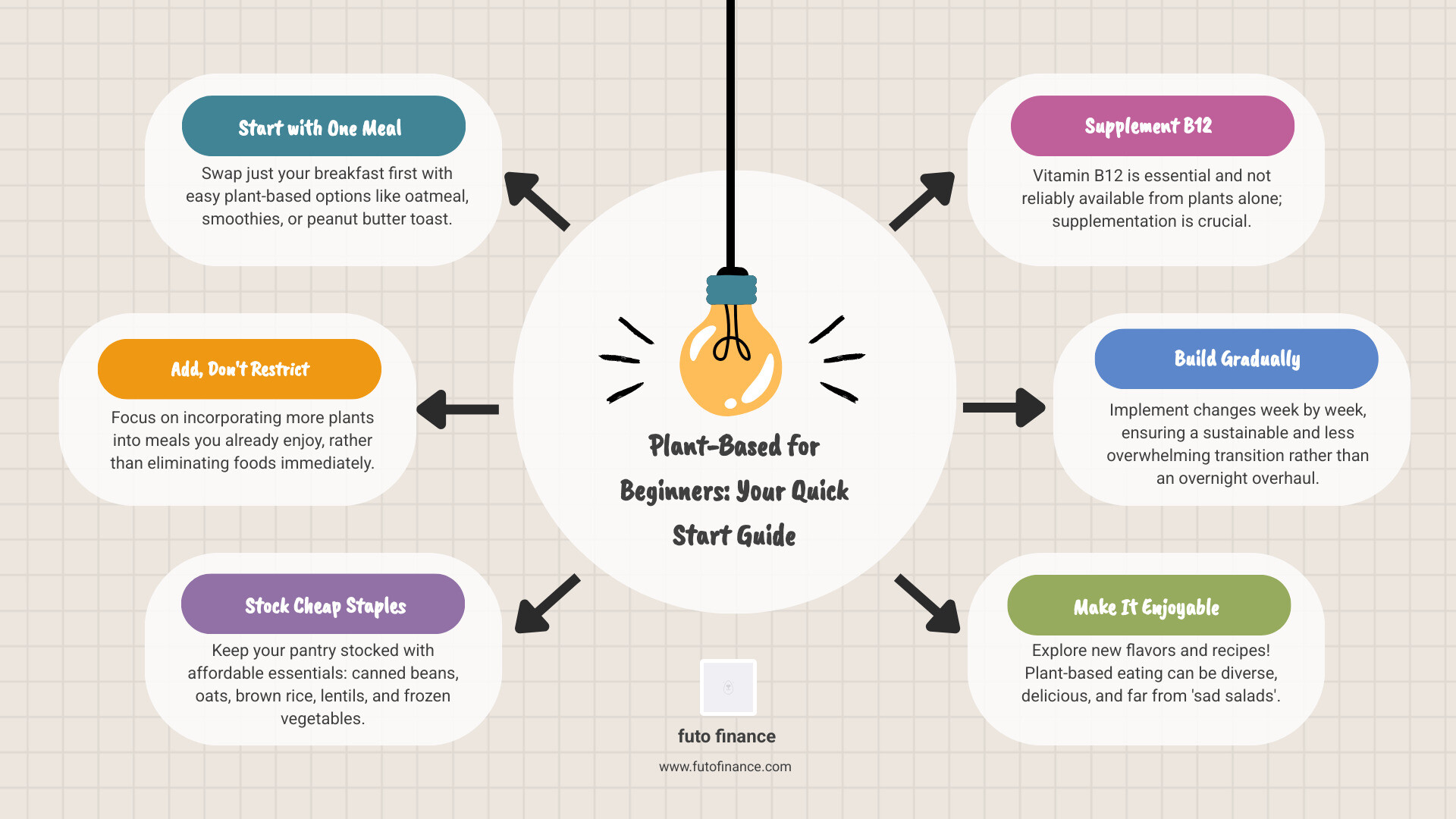
How to start eating plant-based as a beginner:
- Start with one meal — swap just your breakfast first (oatmeal, smoothies, toast with peanut butter)
- Add, don’t restrict — focus on adding plants to meals you already eat
- Stock cheap staples — canned beans, oats, brown rice, lentils, and frozen veg
- Supplement B12 — it’s the one nutrient you can’t reliably get from plants alone
- Build gradually — week by week, not overnight
Here’s a stat that says it all: 68% of people want to eat more plant-based foods. Only 20% actually follow through. And the most common reason? Not knowing how to prepare the food.
That’s not a willpower problem. That’s an information problem.
And if you’re a university student trying to eat well on a tight budget with a cramped kitchen and a packed schedule — the standard advice (“buy organic tempeh and soak your own legumes!”) just doesn’t cut it.
The good news? A plant-based diet is actually one of the cheapest ways to eat, saving the average person over $750 a year compared to a standard diet. The expensive reputation comes from fancy processed alternatives — not the core staples.
This guide skips the overwhelm and gives you exactly what you need to start eating plant-based in a way that’s realistic, affordable, and actually enjoyable.
Defining the Plant Based for Beginners Spectrum
Before we dive into the “how,” we need to clear up the “what.” In April 2026, the term “plant-based” is everywhere, but it means different things to different people. As a beginner, picking your “lane” helps reduce decision fatigue.
The Different Styles of Eating
- Whole-Food, Plant-Based (WFPB): This is the “gold standard” for health. It focuses on whole, unrefined plants—think beans, grains, fruits, and veggies. It minimizes or eliminates oils, white flour, and processed sugars.
- Veganism: This is often a lifestyle choice. While vegans eat a plant-based diet, they also avoid all animal products (like leather or wool) for ethical reasons. From a food perspective, a vegan might eat “junk food” like Oreos or processed vegan burgers, which wouldn’t fit into a WFPB diet.
- Plant-Based: This is the most flexible term. It usually means your diet is predominantly plants, but you might not be 100% strict. It’s about shifting the baseline of your plate.
- Flexitarianism: You’re actively trying to eat fewer animal products but still include meat or dairy occasionally. This is a great “entry-level” spot for plant based for beginners.
Why Focus on Nutrient Density?
Scientific research consistently shows that the closer a food is to its natural state, the better it is for you. Processed plant-based meats are fun for a Friday night, but they shouldn’t be your daily fuel. By focusing on nutrient-dense plants, you get more fiber, vitamins, and minerals per calorie, which keeps you full and energized for those long library sessions.
The Triple Threat: Health, Environmental, and Financial Benefits
Why are we even doing this? Aside from feeling like a culinary wizard, there are three massive reasons to lean into plants.
1. Your Health (The Long Game)
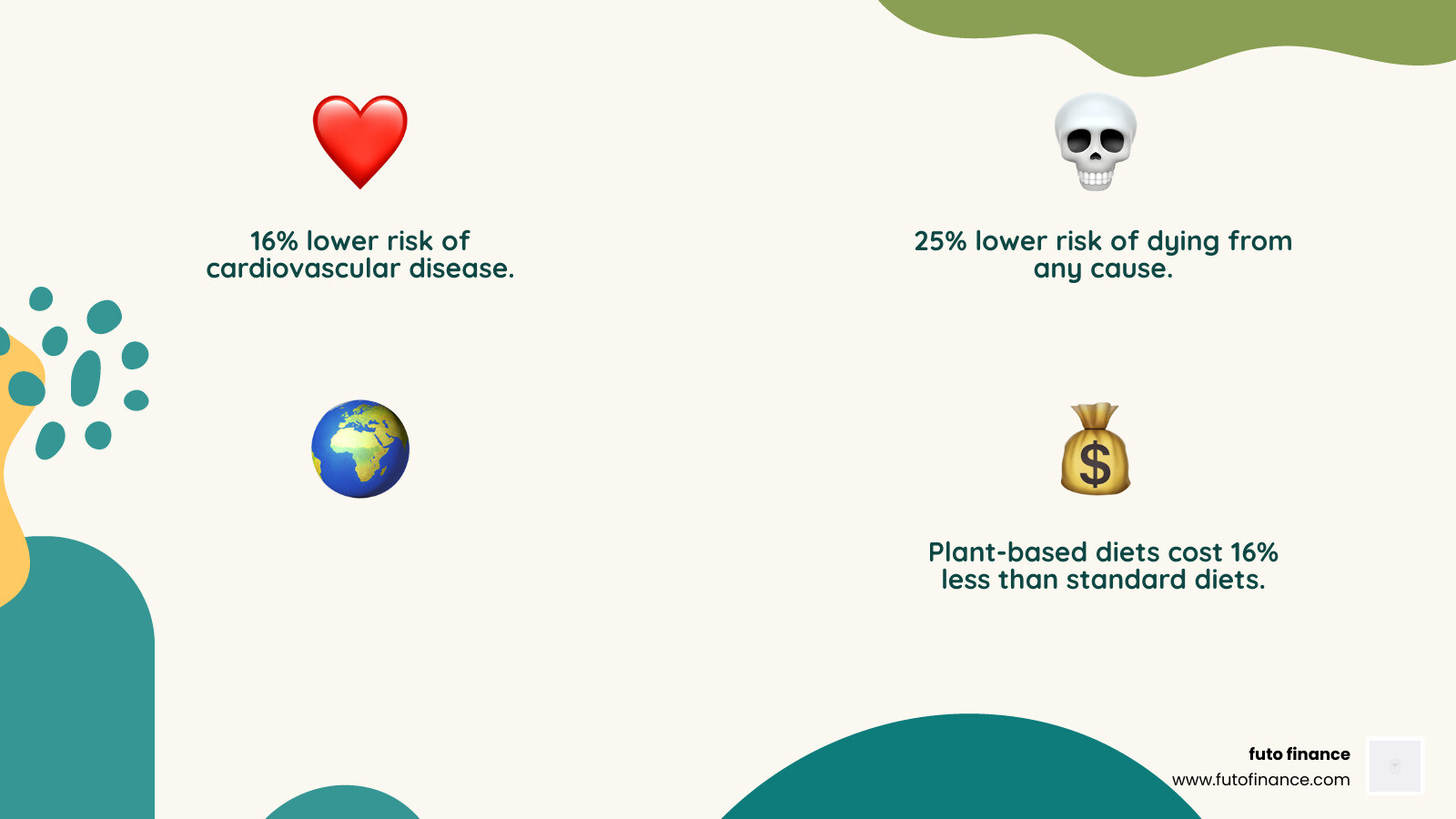
The data is hard to ignore. People who eat predominantly plant-based foods have a 16% lower risk of cardiovascular disease and a 25% lower risk of dying from any cause. It’s not just about living longer; it’s about feeling better now. Many beginners report better sleep, clearer skin, and steadier energy levels within just a few weeks.
2. The Environment (The Big Picture)
If you’re worried about the planet, your fork is your most powerful tool. Livestock provides just 18% of global calories but takes up a staggering 83% of farmland. By eating lower on the food chain, you’re drastically reducing your carbon footprint, water usage, and land requirements.
3. Your Wallet (The Student Reality)
Let’s bust the myth: plant-based eating is not for the “elite.” In fact, over 60% of Americans wrongly believe it’s more expensive. Research shows a plant-based diet actually costs about 16% less than the standard American diet.
| Food Item | Protein Amount | Est. Cost per Serving |
|---|---|---|
| Ground Beef | 20g | $1.50 – $2.00 |
| Canned Chickpeas | 15g | $0.40 – $0.60 |
| Lentils (Dry) | 18g | $0.20 – $0.30 |
| Chicken Breast | 25g | $1.20 – $1.80 |
| Tofu (Firm) | 20g | $0.75 – $1.00 |
As you can see, swapping beef for lentils can save you enough for a few extra coffees (or, you know, textbooks).
A Step-by-Step Transition Strategy
Most people fail because they try to go from “Steak-and-Potatoes” to “Kale-and-Quinoa” overnight. Don’t do that. It takes about 66 days for a new behavior to become automatic. We want this to stick.
The “Add-First” Philosophy
Instead of thinking about what you can’t have, focus on what you can add. Having pasta? Add a handful of spinach and a can of white beans to the sauce. Having a taco? Add extra corn and black beans. This crowds out the less-healthy stuff naturally without making you feel deprived.
The 4-Week Gradual Plan
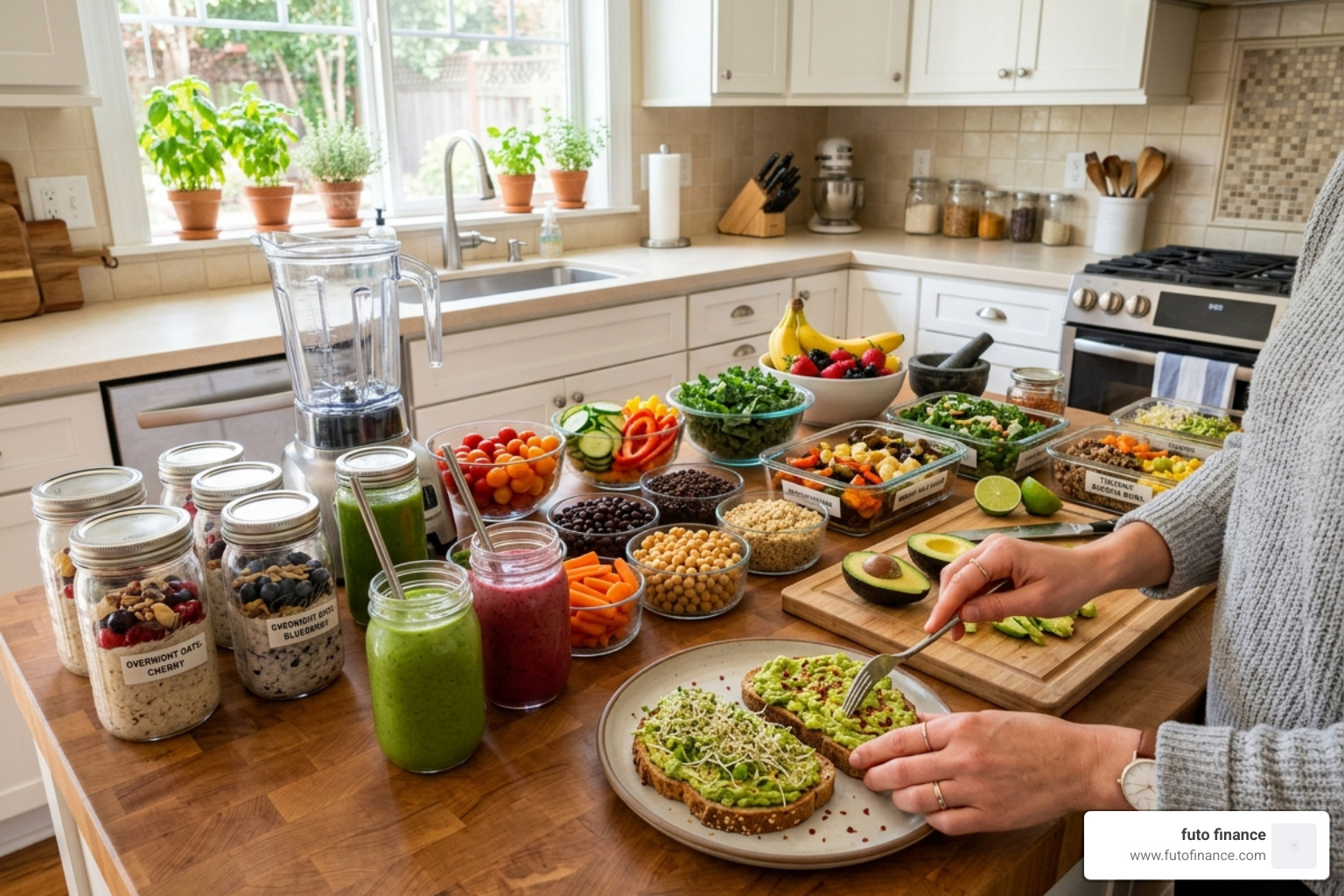
- Week 1: The Breakfast Swap. Keep your lunches and dinners the same, but make breakfast 100% plant-based. Think overnight oats, fruit smoothies with soy milk, or avocado toast.
- Week 2: The Lunch Launch. Now that breakfast is easy, add plant-based lunches. Hummus wraps, bean burritos, or grain bowls are great “packable” options for campus.
- Week 3: Dinner Templates. Use simple formulas: Grain + Legume + Veggie + Sauce. For example: Brown rice + Black beans + Roasted broccoli + Tahini dressing.
- Week 4: Full Rotation. Try to make 80-90% of your meals plant-based. Leave room for the occasional “slip-up”—it’s about progress, not perfection.
Navigating the Social Scene and Dining Halls
University life is social. If you’re at a dining hall, look for the “hidden” plants: the salad bar, the pasta station (stick to tomato sauce), and the sides like roasted potatoes or beans. When eating out with friends, international cuisines are your best friend. Indian, Thai, Mexican, and Middle Eastern restaurants almost always have incredible plant-based options by default.
Essential Nutrients for a Plant Based for Beginners Lifestyle
We want you healthy, not just “meat-free.” Pay attention to these key players:
- Vitamin B12: This is non-negotiable. Plants do not reliably provide B12. B12 deficiency can lead to fatigue and nerve issues, so we recommend a simple weekly supplement or fortified foods like nutritional yeast and plant milks.
- Protein: You don’t need to worry as much as people say. If you eat enough calories from a variety of sources like lentils, beans, tofu, and even whole grains, you’ll hit your targets. A cup of cooked lentils has 18 grams of protein!
- Iron: Boost absorption by eating iron-rich foods (beans, spinach, seeds) with a source of Vitamin C (lemon juice, bell peppers, berries).
- Omega-3s: Add a tablespoon of ground flaxseeds or chia seeds to your morning oats.
- Nutritional Yeast: Often called “nooch,” this deactivated yeast has a cheesy, nutty flavor. It’s a student’s secret weapon for making anything taste better while adding B vitamins.
Budget-Friendly Plant Based for Beginners Pantry Staples
Stocking your kitchen correctly is half the battle. If you have the right ingredients, you won’t be tempted by expensive takeout.

- Canned & Dry Beans: Chickpeas, black beans, and kidney beans are the backbone of affordable eating.
- Red Lentils: These cook in 15 minutes and “melt” into sauces, making them perfect for quick dahls or pasta sauces.
- Grains: Buy large bags of brown rice, oats, and whole-wheat pasta. Store brands are usually identical to name brands but much cheaper.
- Tofu: It’s incredibly versatile. Pro-tip: Press the water out of your tofu for 15 minutes before cooking to get that perfect crispy texture.
- Frozen Vegetables: They are just as nutritious as fresh (sometimes more so!) and won’t wilt in the back of your fridge.
- Peanut Butter: A cheap source of healthy fats and protein that goes on everything from toast to apple slices.
Frequently Asked Questions about Plant-Based Eating
Is a plant-based diet more expensive than a standard diet?
Actually, it’s usually cheaper! While “fake meats” and vegan cheeses can be pricey, the core of the diet—beans, rice, potatoes, and frozen veggies—are the cheapest items in the store. By focusing on whole foods, you can cut your grocery bill by roughly $750 a year.
How do I get enough protein without eating meat?
It’s much easier than you think. Legumes (beans, lentils, peas), soy products (tofu, tempeh, edamame), nuts, seeds, and even vegetables like broccoli all contain protein. As long as you are eating enough total calories and a variety of plants, protein deficiency is extremely rare.
Do I have to be 100% plant-based to see health results?
No! Research shows that even shifting your diet to be mostly plants provides significant heart health and longevity benefits. The “80/20” rule is a great target—aim for 80% plant-based and don’t sweat the other 20% while you’re still learning.
Conclusion
Starting your plant based for beginners journey is one of the best things you can do for your health, your wallet, and the planet. We aren’t aiming for perfection here; we’re aiming for a sustainable lifestyle.
At Futo Finance, we know that being a student is hard enough without worrying about complex recipes. That’s why we focus on affordable, student-friendly vegan cuisine that fits into your busy life. Whether you’re looking for a 90-day transformation or just a better way to meal prep for finals week, we’ve got your back.
Consistency beats intensity every time. Start with that first plant-based breakfast tomorrow, and see where the journey takes you.
Start your plant-based journey today

Melo Rodrigues is the founder of Futo Finance and a specialist in student-budget veganism. Having mastered the art of plant-based cooking in a university setting, Melo is dedicated to helping students achieve nutritional excellence without financial strain. Through Futo Finance, Melo shares lab-tested strategies for eating smart and living sustainably on a budget.
