
Plants vs Weights: A Comprehensive Vegan Workout and Meal Plan
Why a Vegan Workout and Meal Plan Works Better Than You Think
A vegan workout and meal plan can fully support muscle growth, endurance, and recovery — no animal products required. Here’s a quick overview of what it takes:
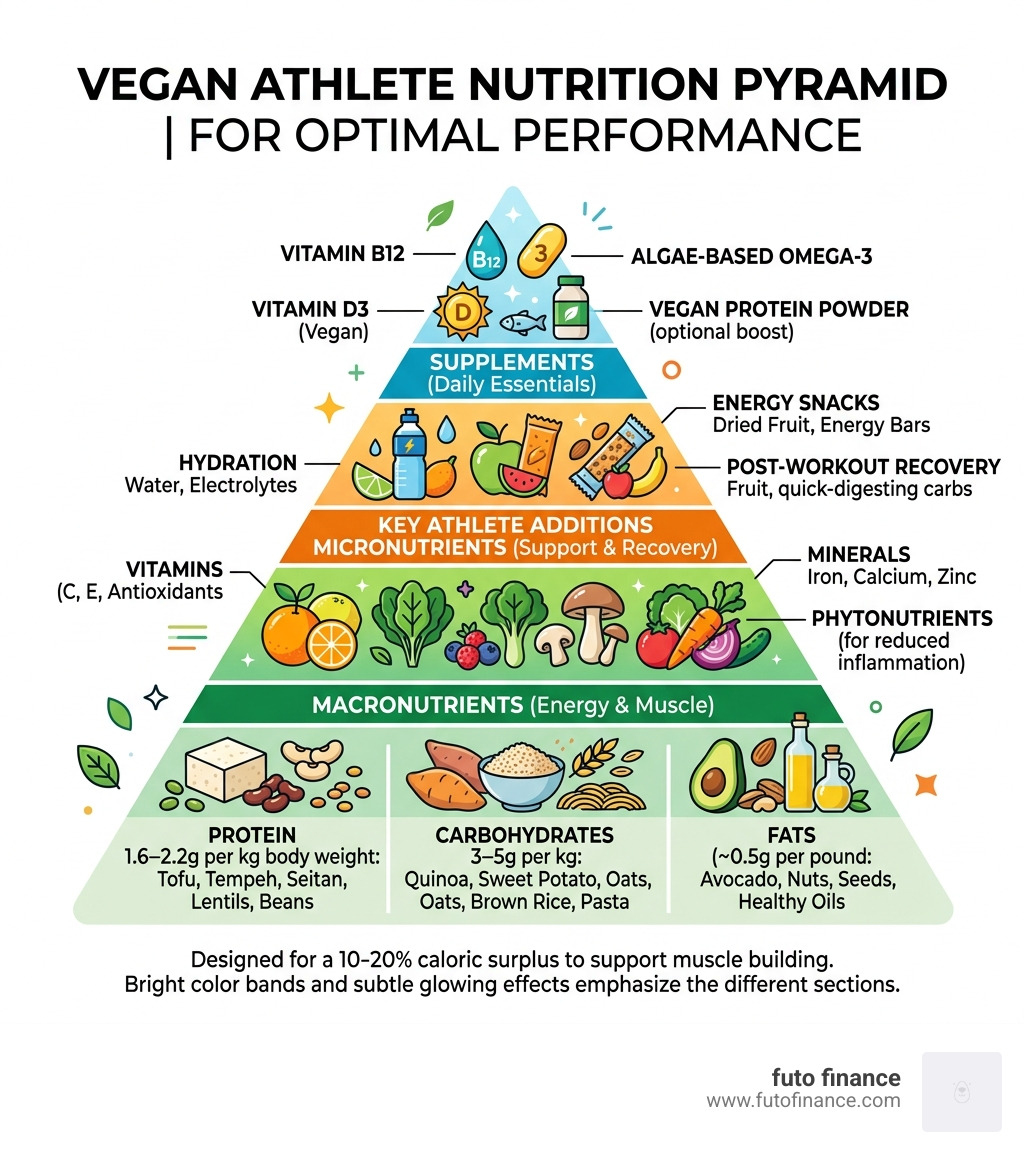
The core of a successful vegan athlete diet:
- Protein: Aim for 1.6–2.2g per kg of body weight daily (seitan, tempeh, tofu, lentils, beans)
- Carbohydrates: 3–5g per kg daily for energy and glycogen replenishment
- Fats: ~0.5g per pound of body weight from nuts, seeds, and healthy oils
- Calories: A 10–20% surplus above maintenance to build muscle
- Supplements: B12, Vitamin D3, and algae-based Omega-3 are non-negotiable
- Meal frequency: 4–6 meals per day for steady protein distribution
There’s a stubborn myth that you need meat to be a serious athlete. The research — and a growing list of elite performers — says otherwise.
Plant-based athletes compete at the highest levels across endurance sports, strength competitions, and team sports. Ultramarathoner Scott Jurek, strength athlete Patrik Baboumian, and vegan bodybuilding pioneer Robert Cheeke have all built remarkable athletic careers without animal products.
And you don’t need a professional chef’s kitchen or an unlimited grocery budget to follow their lead.
The challenge most people face isn’t motivation — it’s knowing exactly what to eat, how much, and when. That’s especially true for busy university students juggling classes, training, and a tight budget.
This guide breaks it all down in plain terms.
The Science of Plant-Powered Performance
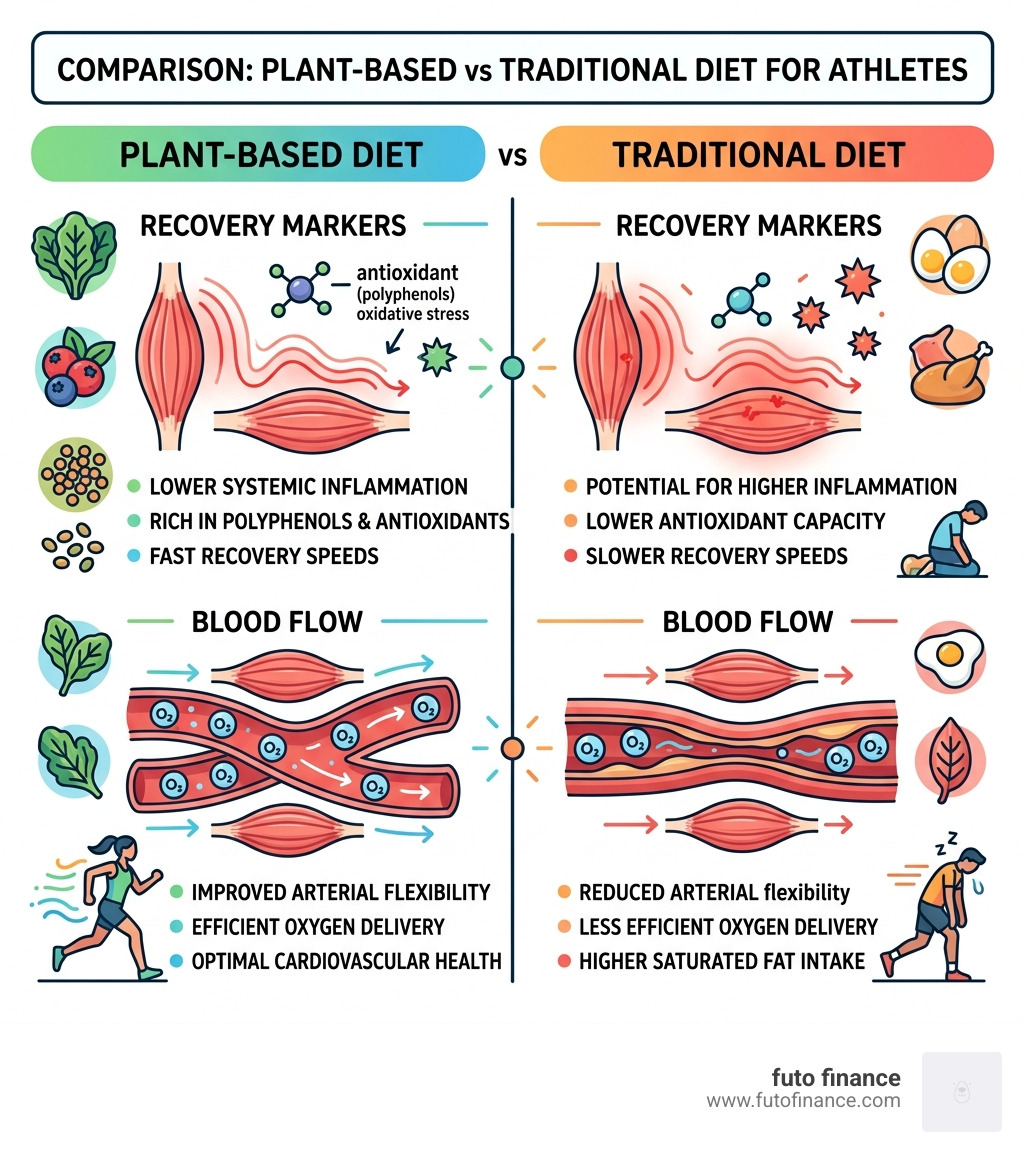
As we move through April 2026, the scientific consensus is clearer than ever: a well-planned vegan diet isn’t just “okay” for athletes—it might actually offer a competitive edge. One of the primary drivers behind this is the reduction of systemic inflammation. Plant-based diets are naturally rich in polyphenols and antioxidants, which help the body neutralize the oxidative stress caused by intense training.
When we eat a diet centered on plants, we aren’t just hitting macros; we are flooding our systems with compounds that improve blood flow and heart health. Research shows that plant-based athletes often experience improved arterial flexibility, which means better oxygen delivery to working muscles. This translates to faster recovery speeds between sets and sessions.
Furthermore, a vegan workout and meal plan is naturally lower in saturated fat and cholesterol. This supports a leaner body composition, which is particularly beneficial for athletes in sports where power-to-weight ratio is king, such as calisthenics or long-distance running. By focusing on whole foods, we can maintain a high antioxidant capacity that traditional “meat and potato” diets often lack.
Mastering Your Vegan Workout and Meal Plan
Building muscle or increasing endurance requires more than just avoiding meat; it requires a strategic approach to energy balance. For those of us looking to “get swol” (as the kids say), the foundation is a calorie surplus. Generally, aiming for 10–20% above your maintenance calories is the sweet spot for gaining muscle mass without excessive fat gain.
Consistency is our best friend here. We need to pair this nutrition with progressive overload—continually increasing the weight, reps, or intensity of our resistance training. Without the stimulus of training, those extra plant calories won’t have a reason to become muscle.
Macronutrient Ratios for a Vegan Workout and Meal Plan
To make the most of your vegan workout and meal plan, we need to look at the three pillars of nutrition:
- Protein: Forget the old “1 gram per pound” rule. Modern sports nutrition suggests 1.6–2.2g per kg of body weight (roughly 0.7–1.0g per pound) is the upper ceiling for muscle growth. For a 180-pound person, that’s about 130–180g of protein daily.
- Carbohydrates: These are your primary fuel. We recommend 3–5g per kg of body weight daily. Carbs replenish muscle glycogen, ensuring you don’t “bonk” halfway through a leg day.
- Healthy Fats: Essential for hormone production. Aim for roughly 0.5g per pound of body weight. Focus on unsaturated fats from avocados, nuts, and seeds, while keeping saturated fats (like coconut oil) to less than 10% of your total calories.
Don’t worry about “incomplete proteins” at every single meal. As long as we eat a variety of protein sources throughout the day—like beans at lunch and tofu at dinner—our bodies will naturally combine the amino acid profiles to create the complete proteins needed for muscle protein synthesis.
Sample 7-Day Vegan Workout and Meal Plan Structure
Managing a busy university schedule means simplicity is key. We suggest dividing your daily intake into 4–6 feeding occasions. This keeps a steady stream of amino acids in your blood and prevents that “too full to move” feeling that comes from eating two massive meals.
| Goal | Carbs | Protein | Fat | Calories (Avg) |
|---|---|---|---|---|
| Strength/Muscle | 45% | 25% | 30% | 2,500 – 3,000 |
| Endurance | 60% | 20% | 20% | 3,500 – 4,500 |
Timing Tips:
- Pre-Workout: Focus on fast-digesting glucose (like a banana or a slice of toast) 60–90 minutes before training.
- Post-Workout: Aim for a 3:1 or 4:1 carb-to-protein ratio within 1–2 hours to kickstart recovery.
- Whole Foods Focus: While protein shakes are convenient, try to get the majority of your nutrition from minimally processed plants.
Essential Staples and Supplementation
Eating vegan on a student budget doesn’t mean living on expensive “mock meats.” We can build a powerhouse physique using affordable staples. Seitan (wheat gluten) is a protein king, offering about 25g of protein per 100g. Tempeh and tofu are soy-based essentials that are incredibly versatile and budget-friendly if bought in bulk.
Budget-Friendly High-Protein Vegan Staples:
- Red Lentil Pasta: A simple swap that adds 13g+ of protein compared to regular wheat pasta.
- Nutritional Yeast: “Nooch” adds a cheesy flavor and 50g of protein per 100g.
- Quinoa and Buckwheat: Pseudograins that are higher in protein than rice.
- Hemp Seeds: Great for adding healthy fats and protein to oats.
- Sprouted Bread: Higher bioavailability of nutrients and more protein than white bread.
Crucial Supplements for Vegan Athletes
While a vegan workout and meal plan is nutrient-dense, there are a few gaps we must fill to maintain peak performance:
- Vitamin B12: This is non-negotiable. Take 250mcg daily or 2,500mcg once a week. It’s essential for nerve function and energy.
- Vitamin D3: Most athletes are deficient regardless of diet. Look for a vegan version sourced from lichen (usually 2,000–4,000 IU daily).
- Algae-Based Omega-3: Provides direct EPA/DHA, which is better for brain and heart health than relying solely on flaxseeds (ALA).
- Creatine Monohydrate: Since vegans don’t get creatine from meat, we actually see better results from supplementation than omnivores do. Aim for 3–5g daily.
- Zinc and Iron: To boost iron bioavailability, always pair your iron-rich foods (like lentils) with Vitamin C (like a squeeze of lemon or bell peppers).
Overcoming Challenges and Optimizing Recovery
One of the most common hurdles in a vegan workout and meal plan is “volume eating.” Because plant foods are high in fiber and lower in calorie density, you might feel full before you’ve hit your calorie goals. To manage this, try eating more cooked vegetables instead of raw to reduce volume, and incorporate calorie-dense healthy fats like nut butters and tahini.

Recovery and Hygiene:
- Sleep: Aim for 7–9 hours. This is when the actual muscle building happens.
- Hydration: A good rule of thumb is 1ml of water for every calorie consumed. If you eat 3,000 calories, drink 3 liters of water.
- Avoid “Junk” Vegans: Highly processed vegan snacks and fried foods are fine in moderation, but they won’t fuel a PR (personal record).
- Fiber Management: If you’re experiencing bloating, transition slowly. Give your gut bacteria 2–4 weeks to adjust to the higher fiber intake.
Frequently Asked Questions about Vegan Fitness
Can I build muscle without animal protein?
Absolutely. Muscle growth is about total protein, calories, and training—not the source of the amino acids. By hitting your leucine threshold (an amino acid that triggers muscle growth) through varied sources like soy, peas, and grains, you can build just as much muscle as someone eating whey and beef. Just look at Patrik Baboumian, who broke world records on a 100% plant-based diet.
Is soy safe for male hormone levels?
This is one of the most persistent myths in fitness. A massive 2021 meta-analysis confirmed that soy (isoflavones/phytoestrogens) does not negatively affect testosterone or estrogen levels in men. Tofu, tempeh, and soy milk are among the highest-quality proteins available to us. Eat them with confidence!
How do I manage excessive bloating from high fiber?
If you’re new to the vegan workout and meal plan, your digestive system might be surprised by the fiber. To help, try soaking your legumes before cooking, opting for sprouted grains, and prioritizing cooked veggies over large raw salads. Also, ensure your water intake is high; fiber needs water to move through your system smoothly.
Conclusion
At Futo Finance, we believe that being a student shouldn’t mean sacrificing your health or your fitness goals. A vegan workout and meal plan is not only possible on a budget, but it’s a sustainable way to build a body that performs as good as it looks. By focusing on affordable staples, smart supplementation, and consistent training, you can join the ranks of elite plant-based athletes.
Consistency is your superpower. Start with simple meal preps, track your protein for a few weeks to get the hang of it, and listen to your body.
Start your plant-based journey today

Melo Rodrigues is the founder of Futo Finance and a specialist in student-budget veganism. Having mastered the art of plant-based cooking in a university setting, Melo is dedicated to helping students achieve nutritional excellence without financial strain. Through Futo Finance, Melo shares lab-tested strategies for eating smart and living sustainably on a budget.
