
Your Master Plant Based Grocery List
What to Put on a Vegan Grocery List (The Essentials)
A vegan grocery list covers more ground than most people expect — and costs less than you might think.
Here are the core categories to include:
| Category | Key Examples |
|---|---|
| Fruits | Bananas, apples, berries, frozen fruit |
| Vegetables | Leafy greens, broccoli, carrots, onions, garlic |
| Legumes | Lentils, black beans, chickpeas, tofu, tempeh |
| Whole Grains | Brown rice, oats, quinoa, pasta |
| Nuts & Seeds | Almonds, chia seeds, hemp hearts, peanut butter |
| Dairy Alternatives | Oat milk, soy milk, vegan yogurt, plant-based butter |
| Pantry Staples | Canned tomatoes, coconut milk, vegetable stock, nutritional yeast |
| Herbs & Spices | Cumin, turmeric, paprika, mixed herbs |
Starting out as a vegan — or even just cutting back on animal products — can feel overwhelming the first time you walk into a grocery store. Everything you used to grab on autopilot suddenly needs a second look.
But here’s the thing: most of the foods on a vegan grocery list are already in your local store. Beans, rice, pasta, frozen vegetables, peanut butter — these are cheap, filling, and widely available.
Research consistently shows that vegans and vegetarians get more than enough protein on average. And whole plant foods like lentils, grains, and vegetables are among the most affordable foods you can buy globally. This makes a plant-based diet a smart fit for students on tight budgets.
This guide breaks down exactly what to buy, how to shop smart, and how to keep your meals nutritious without spending a lot of time or money.
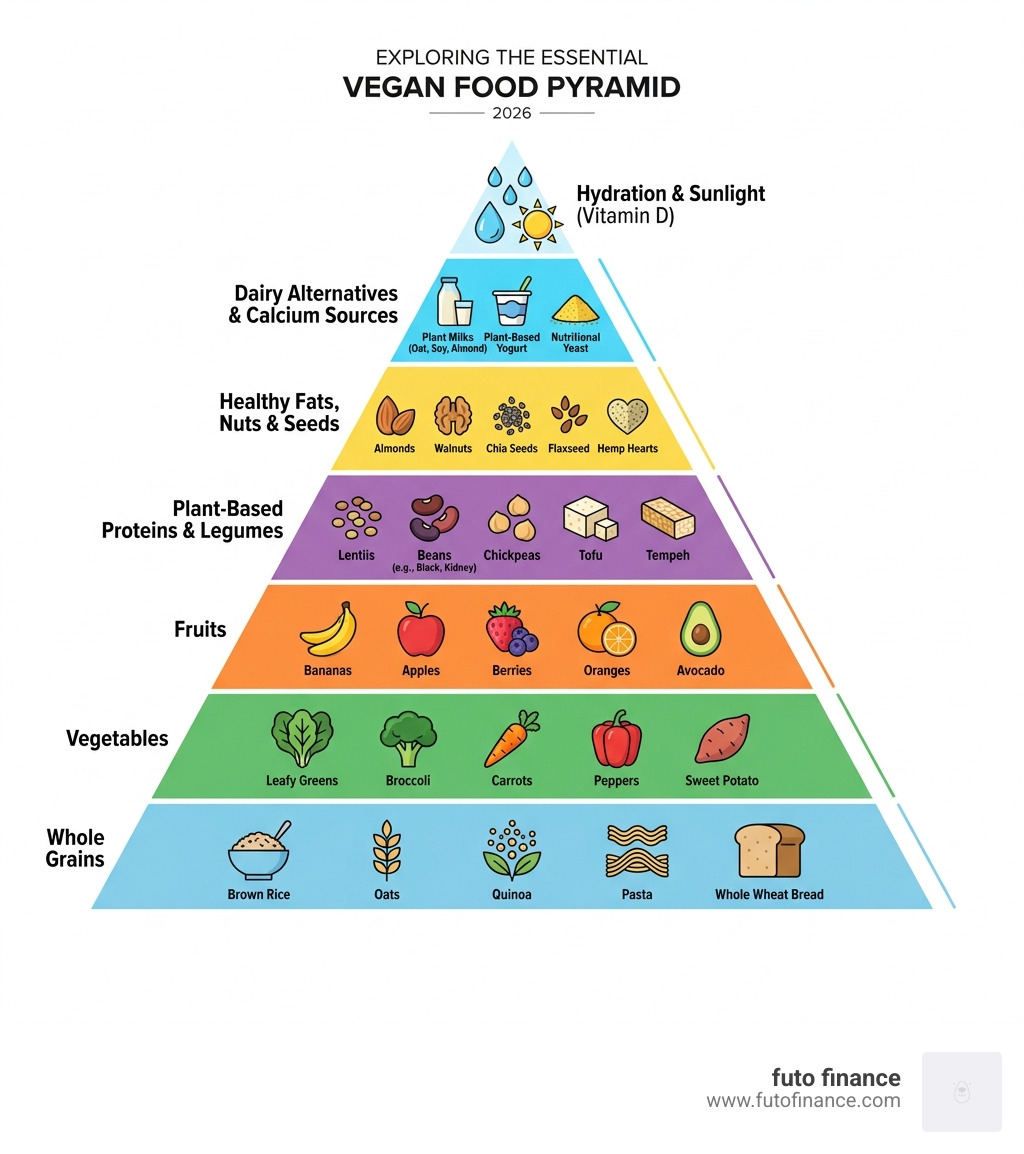
Essential Categories for Your Vegan Grocery List
Building a solid vegan grocery list is about more than just finding “replacements” for meat and cheese. It’s about stocking up on vibrant, nutrient-dense foods that make you feel amazing. As we move through April 2026, the variety of plant-based options in standard supermarkets has never been better.
When we shop, we like to think in terms of color and texture. We want a cart that looks like a rainbow. This isn’t just for the aesthetics; different colors in fruits and vegetables represent different phytonutrients and antioxidants.
Fresh and Frozen Produce
The produce section is where we spend most of our time. We recommend starting here to frame your meals around vegetables rather than treats.
- Leafy Greens: Spinach, kale, and arugula are non-negotiables. They are packed with calcium and iron. If you find your greens going limp, don’t toss them! You can often revive them by trimming the stems and placing them in a glass of water, or simply blend them into a morning smoothie.
- Cruciferous Veggies: Broccoli, cauliflower, and Brussels sprouts are the workhorses of a vegan diet. They are filling and incredibly versatile for roasting or stir-frying.
- Colorful Vegetables: Carrots, bell peppers, zucchini, and sweet potatoes add the bulk and vitamins your body craves.
- Seasonal Fruits: In April 2026, look for what’s in season to save money. Apples, bananas, and citrus are usually reliable year-round.
- Frozen Fruits and Veggies: Never sleep on the freezer aisle! Frozen berries are often more nutrient-rich than fresh ones because they’re picked at peak ripeness and frozen immediately. Plus, they are significantly cheaper and won’t spoil in three days.
Whole Grains and Legumes
These are the foundation of your energy. Grains provide essential B vitamins and fiber, while legumes are your primary protein powerhouses.
- Grains: We suggest keeping a mix of “fast” and “slow” grains. Quinoa and couscous cook in minutes, while brown rice and farro take longer but offer a satisfying chew.
- Legumes: Lentils are a vegan’s best friend. They provide high plant-based protein and are packed with essential amino acids. Unlike dried beans, red lentils don’t even require soaking and cook in about 15 minutes.
Nuts, Seeds, and Dairy Alternatives
Healthy fats are vital for hormone regulation and absorbing fat-soluble vitamins (A, D, E, and K).
- Seeds: Flaxseeds, chia seeds, and hemp hearts are nutrition boosters. Hemp hearts, in particular, provide more protein than flax or chia seeds.
- Dairy Alternatives: Whether you prefer oat, soy, or almond milk, look for fortified versions. These usually contain added Calcium, Vitamin D, and B12, which are essential on a plant-based diet.
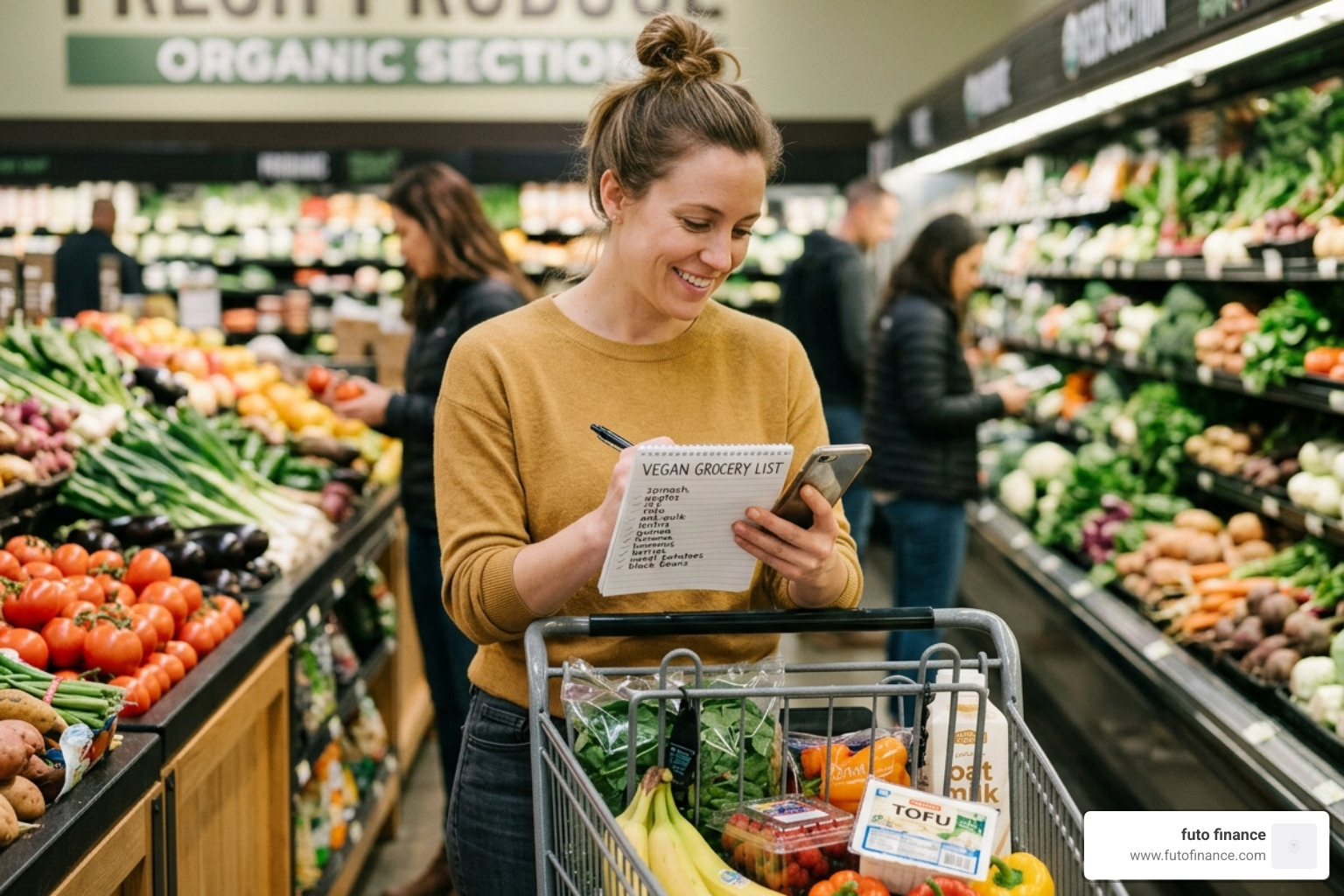
Essential Staples for Your Vegan Grocery List
A well-stocked pantry is the secret to avoiding those “there’s nothing to eat” moments. If you have these shelf-stable items, you are always 15 minutes away from a gourmet meal.
- Canned Beans and Chickpeas: While dried beans are cheaper, having a few cans of black beans or chickpeas is a lifesaver for quick tacos or salads.
- Nutritional Yeast: Often called “nooch,” this flaky yellow powder has a savory, nutty, cheesy flavor. It’s also a great source of B12.
- Nut Butters: Peanut, almond, or tahini (sesame butter). Tahini is the secret ingredient to the best creamy salad dressings.
- Vegetable Bouillon: We recommend “Better Than Bouillon” (the vegetable base) for instant flavor in soups and stews.
- Canned Coconut Milk: Essential for creamy curries and vegan baking.
Maximizing Nutrition: Protein and Beyond
One of the biggest myths we hear is that vegans struggle to get enough protein. In reality, the average vegan gets about 70% more protein than they actually need every day. The key is variety.
The Protein Breakdown
Plant-based proteins are often “cancer-protective,” especially when paired with other whole foods. This stands in stark contrast to red and processed meats. According to research from Oxford, each 50g per day higher intake of red and processed meat is associated with a 9% higher risk of coronary heart disease. Furthermore, the World Health Organization has classified processed red meats as proven causes of cancer.
To keep your body running like a well-oiled machine, focus on these heavy hitters:
| Food Item | Protein Content (approx.) |
|---|---|
| Tempeh (3 oz) | 18 grams |
| Lentils (1 cup, cooked) | 18 grams |
| Tofu (3 oz) | 8-10 grams |
| Hemp Hearts (3 tbsp) | 10 grams |
| Quinoa (1 cup, cooked) | 8 grams |
Essential Nutrients to Watch
While protein is easy, there are a few other nutrients we need to be mindful of:
- Vitamin B12: This is the only nutrient not reliably found in plants. You must either eat fortified foods (like nutritional yeast and plant milks) or take a supplement.
- Iron: Found in lentils, spinach, and pumpkin seeds. To help your body absorb it, always pair iron-rich foods with Vitamin C (like a squeeze of lemon juice or bell peppers).
- Omega-3s: Essential for brain health. Flaxseeds, chia seeds, and walnuts are your go-to sources here.
For athletes or those who are pregnant, protein and calorie needs are higher, but the sources remain the same—just in larger quantities! Adding a high-quality plant-based protein powder to a daily smoothie is an easy way to bridge the gap.
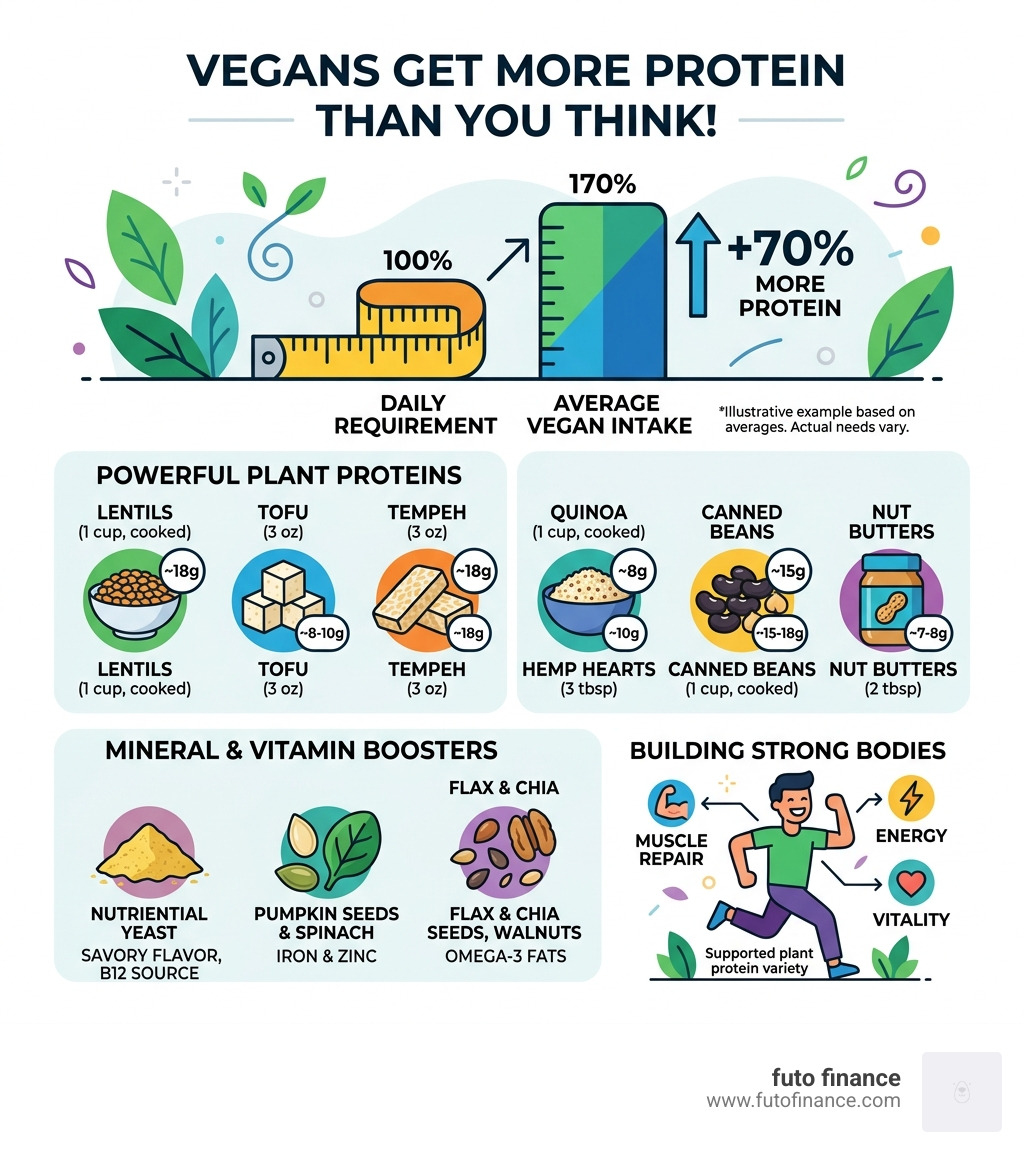
How to Shop for a Vegan Grocery List on a Student Budget
At Futo Finance, we specialize in helping university students eat well without breaking the bank. There is a common misconception that being vegan is expensive. While “vegan steak” or artisanal vegan cheeses can be pricey, a diet based on whole foods is actually the cheapest way to eat.
Smart Shopping Strategies
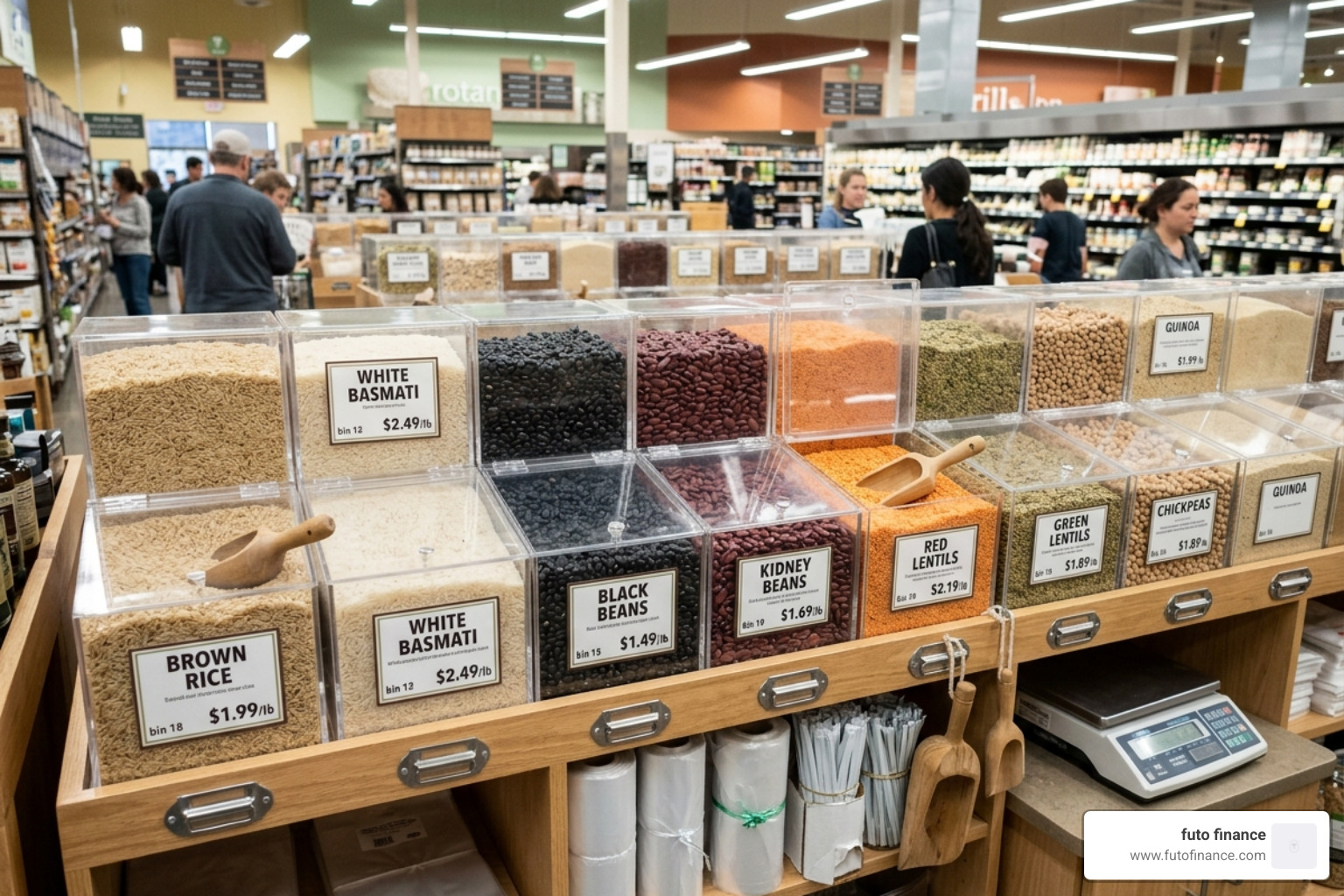
- Buy in Bulk: Grains, beans, lentils, and even nuts are significantly cheaper when bought from the bulk bins. You aren’t paying for fancy packaging, and you can buy exactly the amount you need.
- Choose Generic Brands: Most stores have a “value” range for staples like pasta, rice, and canned tomatoes. These are often identical to the brand-name versions but cost half as much.
- Frozen is Your Friend: As mentioned before, frozen veggies are a budget lifesaver. You can get a massive bag of mixed vegetables for a fraction of the cost of fresh, and they won’t rot in your fridge if you have a busy week of exams.
- Shop with a Full Stomach: We’ve all been there—shopping while hungry leads to impulse buys of expensive vegan cookies and snacks. Stick to your vegan grocery list to keep costs down.
- Meal Planning: This is the #1 way to reduce food waste. If you know you’re making a big batch of chili on Monday, you won’t buy random ingredients that don’t fit into a meal.
For more tips on eating like a queen on a student budget, check out Futo Finance for our latest guides and “5-dollar-a-day” meal plans.
Navigating the Aisles: Hidden Ingredients and Smart Substitutes
Grocery shopping as a new vegan is a bit like being a detective. You’ll find yourself reading labels more than you ever thought possible. The good news? After a few trips, you’ll know exactly which brands are safe.
Identifying Hidden Ingredients for Your Vegan Grocery List
Some animal products are “sneaky.” Watch out for these common non-vegan additives:
- Casein and Whey: These are milk proteins often found in “non-dairy” creamers or processed snacks.
- Gelatin: Made from animal bones/skin, often found in gummy candies and some yogurts.
- Lard: Animal fat sometimes found in refried beans or pie crusts.
- Isinglass: A substance from fish bladders used to filter some beers and wines.
- Bone Char: Some conventional white sugar is processed using bone char. If you want to be 100% sure, look for “organic” sugar, which is always vegan.
- Confectioner’s Glaze (Shellac): Made from beetles, often used to make candies shiny.
Smart Substitutes
You don’t have to give up your favorite meals; you just need to swap the ingredients!
- Eggs in Baking: Use a “flax egg” (1 tbsp ground flaxseed + 3 tbsp water) or mashed banana.
- Meat: Tofu, tempeh, and seitan are fantastic. For a “beefy” texture in stews, try soy curls or lentils.
- Cheese: Look for brands like Violife or Miyoko’s, or make your own using soaked cashews and nutritional yeast.
Practical Tips for Meal Planning and Storage
Efficiency in the kitchen saves you time and money. We recommend “batch cooking” on Sundays. Making a massive pot of lentil curry or vegan chili means you have grab-and-go lunches for the rest of the week.
Storage Hacks to Reduce Waste
- Berries: Store them in their original packaging in the fridge, but don’t wash them until you’re ready to eat them. Moisture is the enemy!
- Nuts and Seeds: These contain natural oils that can go rancid. To extend their shelf life, store them in the refrigerator or freezer.
- Revive Limp Veg: If your carrots or celery have lost their crunch, trim the ends and put them in a jar of cold water in the fridge. They’ll soak up the moisture and crisp right back up.
- Freezer Meals: Most vegan soups, stews, and sauces freeze beautifully. Label them with the date (April 2026!) so you don’t find a “mystery block” six months from now.
Frequently Asked Questions about Vegan Grocery Shopping
How can I ensure I get enough protein on a vegan diet?
It is much easier than people think! By including a variety of legumes (beans, lentils, soy), whole grains (quinoa, oats), and nuts/seeds in your daily meals, you will easily hit your targets. Even vegetables like broccoli and spinach contain protein!
Is a vegan grocery list more expensive than an omnivorous one?
Actually, research shows it’s often cheaper. Meat and cheese are typically the most expensive items in a grocery cart. By focusing on whole plant foods like pulses and grains, you can significantly lower your weekly food bill. The cost only goes up if you rely heavily on highly processed “fake meats.”
What are the best vegan substitutes for eggs in baking?
It depends on the recipe! For binding (like in cookies), a flax egg works best. For moisture (like in cakes), applesauce or mashed banana is great. If you need a “lift” (like in pancakes), try mixing a tablespoon of apple cider vinegar into your plant milk—it acts like buttermilk!
Conclusion
Transitioning to a plant-based lifestyle is one of the best things you can do for your health and the planet. Men’s meat-heavy diets cause 40% more climate emissions than women’s, so every plant-based meal makes a real difference.
As we move through April 2026, being vegan has never been more accessible or affordable, especially for students. By focusing on a vegan grocery list filled with whole grains, legumes, and fresh produce, you can eat like royalty on a budget.
At Futo Finance, we are dedicated to proving that sustainable eating doesn’t have to be complicated. Whether you are a seasoned vegan or just “plant-curious,” we are here to support your journey with affordable recipes and practical advice.
Head to our website for vegan challenges, inspiring stories, and recipes and start your plant-based adventure today!

Melo Rodrigues is the founder of Futo Finance and a specialist in student-budget veganism. Having mastered the art of plant-based cooking in a university setting, Melo is dedicated to helping students achieve nutritional excellence without financial strain. Through Futo Finance, Melo shares lab-tested strategies for eating smart and living sustainably on a budget.
