
How to Lose Weight on a High Protein Vegetarian Diet
Why a Veg Protein Diet for Weight Loss Actually Works
A veg protein diet for weight loss is one of the most effective — and affordable — ways to shed fat while keeping your energy up. Whether you’re a busy student or just trying to eat better on a budget, plant-based protein can do a lot of heavy lifting.
Here’s the quick version of what works:
- Eat protein at every meal — lentils, tofu, eggs, Greek yogurt, chickpeas
- Target 1.2–1.6g of protein per kg of body weight daily
- Cut refined carbs — swap white pasta and bread for whole grains
- Avoid highly processed veggie foods — many are high in sodium and calories
- Create a modest calorie deficit — around 500 calories/day for steady, safe fat loss
- Meal prep in batches — saves time and keeps you on track
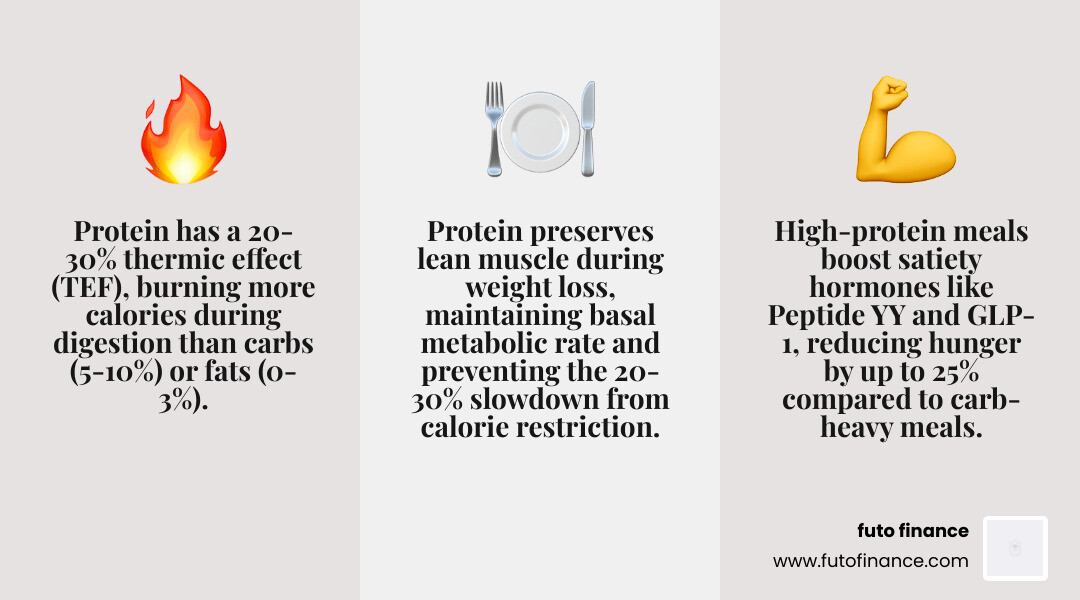
The core idea is simple. Protein keeps you full longer, helps preserve muscle, and burns more calories just to digest it. That’s a triple win for weight loss.
Vegetarian diets are naturally high in fiber and lower in calorie density than meat-heavy diets. But — and this matters — just cutting out meat doesn’t guarantee weight loss. The type of vegetarian food you eat makes all the difference.
Eating too many refined carbs, processed veggie burgers, or sugary snacks can stall your progress fast. The good news? With the right high-protein plant foods, you can lose weight steadily, feel satisfied, and spend very little doing it.
As we navigate April 2026, more people than ever are realizing that a plant-based approach isn’t just about ethics; it’s a metabolic powerhouse. By focusing on a veg protein diet for weight loss, we are choosing a path that prioritizes satiety and long-term health over “crash” results that don’t last.
The Science of Satiety and Hunger Control
Why do we often feel hungry an hour after a big plate of white pasta? It’s because simple carbohydrates cause a rapid spike and subsequent crash in blood sugar. In contrast, protein-rich vegetarian foods slow down digestion.
When we consume protein, our bodies release Peptide YY, a hormone produced in the small intestine that tells our brain we are full. At the same time, protein intake suppresses ghrelin, the “hunger hormone” that signals the brain to eat.
Research shows that a high-protein diet improves insulin sensitivity, making it easier for our bodies to manage blood sugar and prevent fat storage. This is especially vital for students who need stable energy levels for long lectures and late-night study sessions. Instead of reaching for a sugary energy drink, a handful of almonds or a Greek yogurt cup can provide the sustained fuel your brain actually craves.
Preserving Muscle on a Veg Protein Diet for Weight Loss
One of the biggest risks of any weight loss journey is losing muscle mass instead of fat. When we cut calories, our bodies might try to burn muscle for energy. This is bad news because muscle is metabolically active—the more muscle you have, the higher your Basal Metabolic Rate (BMR).
To keep our metabolic fire burning, we need to provide our bodies with a steady “amino acid pool.” By hitting a protein target of 1.2g to 1.6g per kilogram of body weight, we ensure our body has the building blocks it needs to maintain lean mass.
Pairing your veg protein diet for weight loss with light strength training (even just bodyweight exercises in your dorm room!) helps maintain nitrogen balance. This ensures that the weight you lose comes from fat stores, not the muscle that keeps you strong and energized.
Best High-Protein Vegetarian Foods for Students
We know that being a student often means a tight budget and even tighter time. You don’t need expensive “superfoods” to succeed. Some of the most effective protein sources are also the cheapest items in the grocery store.
Affordable Plant-Based Protein Staples
If you want to master the veg protein diet for weight loss, these should be your “Big Three”:
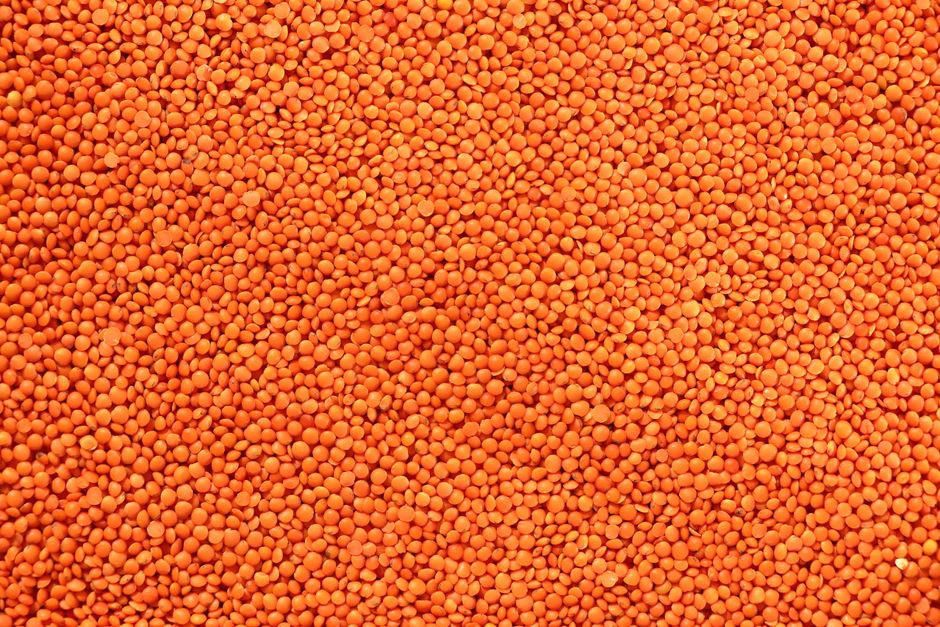
- Lentils: These are the unsung heroes of the vegetarian world. One cup of cooked lentils provides about 18 grams of protein and 15 grams of fiber for just 230 calories. They are incredibly cheap when bought in bulk and can be used in soups, “tacos,” or salads.
- Tofu & Tempeh: Soy foods are complete proteins. Tofu provides about 10g of protein per half-cup, while tempeh is even denser at 15g per half-cup. They absorb whatever flavors you cook them with, making them versatile for any cuisine.
- Greek Yogurt & Eggs: For those who aren’t strictly vegan, Greek yogurt is a protein titan, often packing 15-20g per serving. Eggs are not only a great protein source (6g per egg) but also contain choline, which is essential for brain health and has even been linked to lower rates of certain cancers.
| Food Item | Portion Size | Protein Content (approx.) |
|---|---|---|
| Seitan | 3.5 oz | 25g |
| Greek Yogurt | 1 cup | 18-20g |
| Cooked Lentils | 1 cup | 18g |
| Edamame | 1 cup | 17g |
| Tempeh | 1/2 cup | 15g |
| Black Beans | 1 cup | 14g |
| Tofu | 1/2 cup | 10g |
| Large Egg | 1 egg | 6g |
Complete vs. Complementary Proteins
You might have heard that plant proteins are “incomplete.” This just means some plant foods are lower in specific essential amino acids, like lysine or methionine.
However, we don’t need to stress about “perfect pairing” at every single meal. Our bodies are smart—they pool amino acids throughout the day. As long as you eat a variety of foods, you’ll get everything you need. Classic combos like rice and beans, or hummus and whole-grain pita, naturally balance each other out. Quinoa, buckwheat, and soy are “complete” all on their own!
Overcoming Common Weight Loss Barriers
Many people start a vegetarian diet and actually gain weight. Why? Usually, it’s because they fall into the “junk food vegetarian” trap. Just because a cookie or a bag of chips is vegetarian doesn’t mean it supports your goals.

Avoiding the “Carb-Heavy” Vegetarian Trap
When you remove meat, there is a natural tendency to fill the void with “white” carbs: pasta, white rice, and bread. These foods are calorie-dense but nutrient-poor. They don’t trigger those satiety hormones we talked about earlier.
To succeed on a veg protein diet for weight loss, we recommend:
- Focusing on Non-Starchy Veggies: Fill half your plate with broccoli, spinach, peppers, or zucchini. These provide volume and fiber with very few calories.
- Choosing Complex Carbs: Swap white rice for quinoa or brown rice. Swap white bread for sprouted grain bread.
- Watching “Hidden” Calories: Be careful with liquid calories like fruit juices or sweetened lattes. Stick to water, black coffee, or herbal tea to keep your calorie deficit intact.
For more detailed food lists, you can check out this guide on Vegetarian Protein Diet for Weight Loss.
Budget-Friendly Meal Prep for a Veg Protein Diet for Weight Loss
As students, we know that “decision fatigue” is real. When you’re tired after a long day of classes, you’re more likely to order takeout. Meal prep is your secret weapon.
- Batch Cook Grains and Legumes: Spend Sunday afternoon boiling a big pot of lentils and a pot of quinoa. Store them in airtight containers.
- Frozen is Fine: Frozen vegetables are often more nutritious than fresh ones because they are flash-frozen at peak ripeness. They are also much cheaper and won’t rot in your fridge.
- The “Power Bowl” Formula: Every meal should have 1 portion of protein (tofu/beans), 2 portions of veggies, and 1 portion of healthy fats (avocado/nuts).
According to research, a safe and effective weight loss approach is to create a calorie deficit of approximately 500-1,000 calories per day, which can lead to a sustainable weight loss of about 1-2 pounds per week.
7-Day High-Protein Vegetarian Meal Plan
Following a structured plan takes the guesswork out of dieting. This sample plan is designed to be around 1,500 calories with approximately 100g of protein—perfect for supporting fat loss while maintaining muscle.
Sample Daily Menu for Maximum Fat Loss
- Monday:
- Breakfast: Egg-and-spinach omelet (3 eggs) with a side of berries.
- Lunch: Quinoa and black bean salad with bell peppers and lime dressing.
- Dinner: Tofu stir-fry with broccoli, snap peas, and ginger.
- Snack: 1/2 cup edamame (a mindful, 100-calorie snack).
- Tuesday:
- Breakfast: Greek yogurt parfait with almonds and flaxseeds.
- Lunch: Lentil soup (homemade or low-sodium canned) with a side salad.
- Dinner: Chickpea pasta with marinara and roasted zucchini.
- Snack: One hard-boiled egg.
- Wednesday:
- Breakfast: Tofu scramble with nutritional yeast and turmeric.
- Lunch: Tempeh “bacon” wrap with a high-protein whole-wheat tortilla and greens.
- Dinner: Vegetarian chili with kidney beans, soy crumbles, and plenty of spices.
- Snack: Apple slices with 1 tbsp peanut butter.
For a more exhaustive list of recipes, you can view this 7-day vegetarian weight loss meal plan (high protein) – Health Loft.
Nutritional Balance and Supplementation
While a veg protein diet for weight loss is incredibly healthy, there are a few nutrients we need to watch out for, especially if we are leaning toward a vegan lifestyle.
- Vitamin B12: This is primarily found in animal products. If you aren’t eating much dairy or eggs, consider a B12 supplement or fortified nutritional yeast.
- Iron: Plant-based iron (non-heme) is better absorbed when eaten with Vitamin C. Squeeze some lemon juice over your lentils!
- Omega-3s: Since we aren’t eating fish, we should include chia seeds, flaxseeds, or walnuts in our daily routine.
- Vitamin D: Especially important if you spend most of your day inside a library!
For a deeper dive into how to structure these meals globally, see How to Follow a Vegetarian High Protein Diet for Weight Loss | Foods Around The World.
Frequently Asked Questions about Vegetarian Weight Loss
How much protein do vegetarians need daily for weight loss?
For effective weight loss, aim for 1.2g to 1.6g of protein per kilogram of body weight. For a 70kg (154lb) person, that’s roughly 84g to 112g of protein per day. This higher range helps with satiety and protects your muscles while you’re in a calorie deficit.
Can I lose weight on a vegetarian diet without exercise?
Yes, weight loss is primarily driven by a calorie deficit. However, we don’t recommend skipping the gym entirely. Exercise—especially strength training—tells your body to keep its muscle and burn fat instead. Even increasing your NEAT (Non-Exercise Activity Thermogenesis) by walking to class instead of taking the bus can make a huge difference.
When should I consult a professional before starting?
If you have underlying medical conditions (like kidney issues or diabetes) or if you are an elite athlete with very high energy demands, it’s a good idea to chat with a nutritionist. They can help you create a personalized plan that ensures you’re hitting all your micronutrient targets while losing weight safely.
Conclusion
Losing weight on a veg protein diet for weight loss doesn’t have to be complicated or expensive. By focusing on whole foods like lentils, tofu, and eggs, and avoiding the “processed trap,” you can transform your health without breaking the bank.
At Futo Finance, we believe that being a student shouldn’t mean sacrificing your nutrition. Consistency is the most important ingredient in any diet. Don’t strive for perfection; strive for better choices most of the time.
Ready to take the next step? Whether it’s batch-cooking your first pot of lentils or swapping your morning bagel for a protein-packed smoothie, your journey to a healthier, more energized self starts with your next meal.
Start your weight loss journey today

Melo Rodrigues is the founder of Futo Finance and a specialist in student-budget veganism. Having mastered the art of plant-based cooking in a university setting, Melo is dedicated to helping students achieve nutritional excellence without financial strain. Through Futo Finance, Melo shares lab-tested strategies for eating smart and living sustainably on a budget.
