
Mastering Home Cooked Vegan Meals Without Breaking a Sweat
Home Cooked Vegan Meals: Everything You Need to Know to Get Started
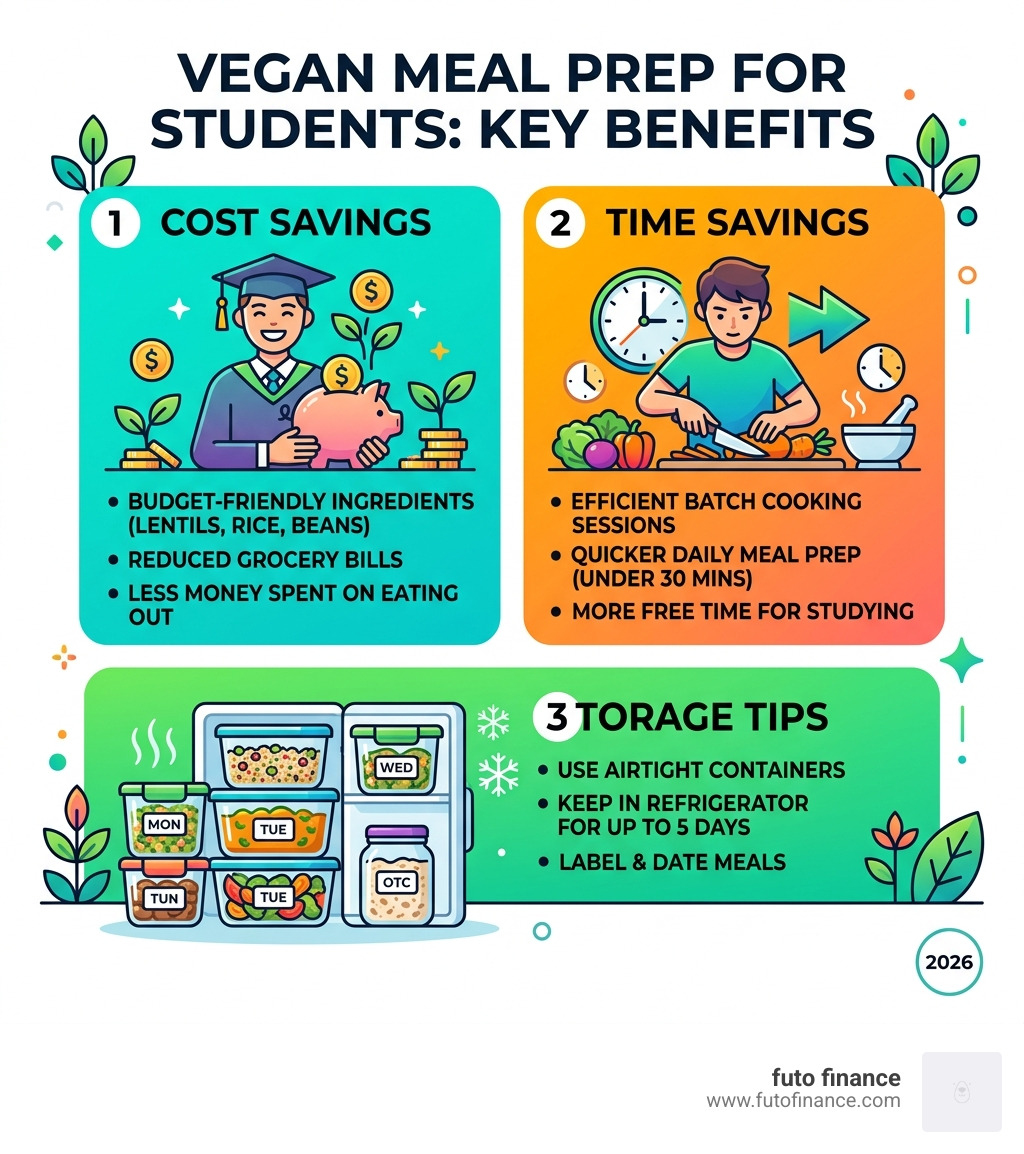
Home cooked vegan meals are one of the smartest moves a budget-conscious student can make in 2026. They save money, take less time than you’d think, and keep you fueled through long study sessions.
Here’s a quick overview of what you need to know:
| Question | Quick Answer |
|---|---|
| How long do they take? | Many meals take under 30 minutes — some less than 5 |
| Are they affordable? | Yes — staples like lentils, rice, and beans are very cheap |
| Is it hard to get enough protein? | No — lentils, chickpeas, tofu, and beans are protein-rich |
| Can I meal prep them? | Yes — most dishes keep in the fridge for up to 5 days |
| Do I need fancy equipment? | No — a single pot or pan is enough for most recipes |
The idea that vegan cooking is complicated or expensive is one of the biggest myths out there. A simple pot of red lentil curry or a 15-minute cherry tomato pasta can be deeply satisfying — and cost just a few dollars per serving.
This guide walks you through everything: quick weeknight meals, flavor-building tricks, budget strategies, and meal prep tips that actually work for busy student schedules.
Why Plant-Based Eating is the Ultimate Student Hack
As we navigate university life in April 2026, we’re all looking for ways to maximize our brainpower without emptying our wallets. Transitioning to home cooked vegan meals isn’t just about following a trend; it’s a legitimate “life hack” for the modern student.
According to scientific research on the health benefits of plant-based diets, a well-planned vegan diet can provide all the nutrients we need while reducing the risk of chronic diseases. For us, this translates to improved energy levels and clearer focus during those grueling exam seasons.
Beyond health, the cost-effectiveness is staggering. When we swap out expensive meats and cheeses for bulk-bought grains and legumes, our grocery bills plummet. We’ve found that a bag of dried lentils costs less than a single latte but can provide the base for five hearty dinners. Plus, the environmental impact of plant-based eating is significantly lower, allowing us to align our daily habits with our sustainability goals.
Quick and Easy Home Cooked Vegan Meals for Busy Schedules
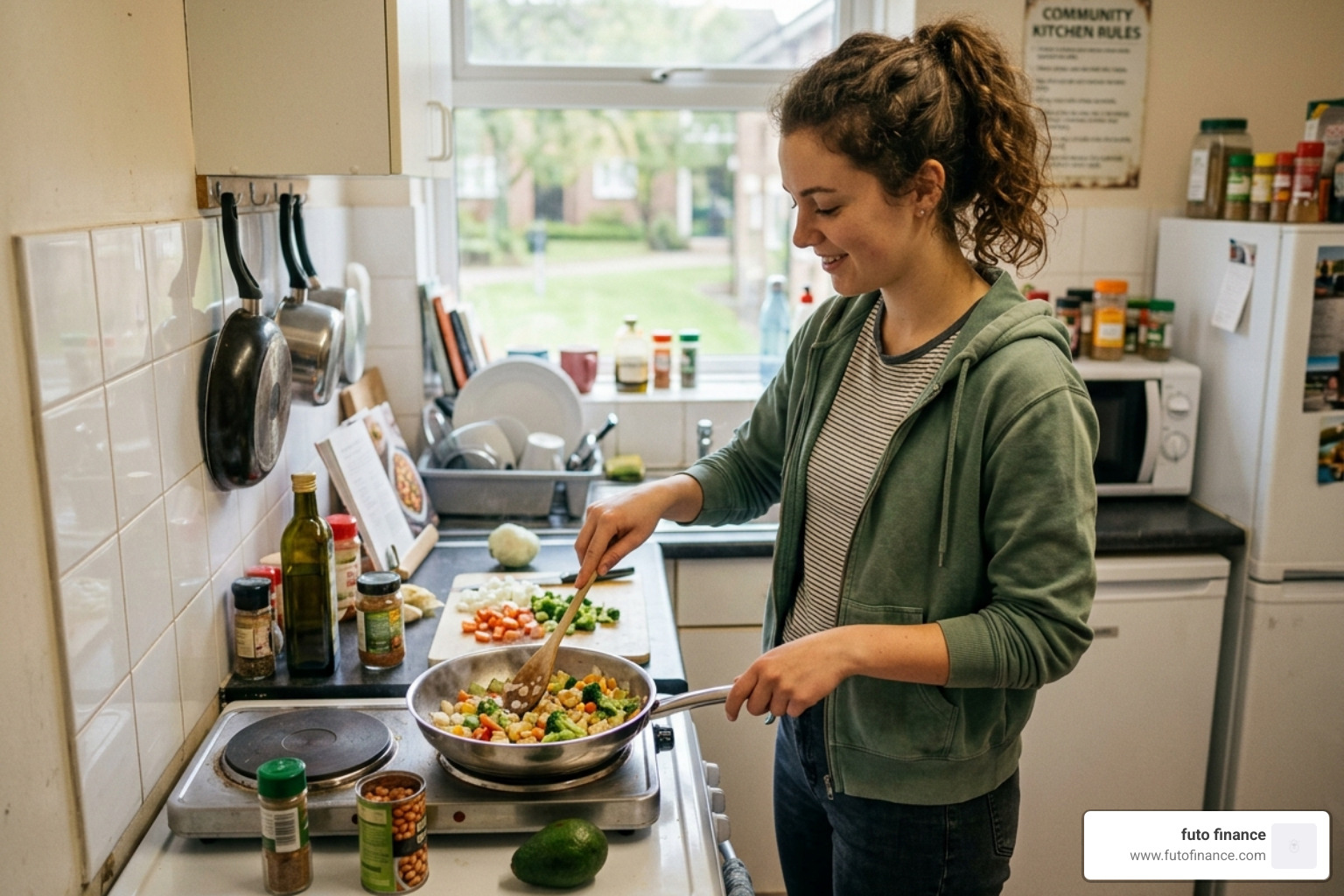
One of the biggest hurdles we hear about is the time commitment. We get it—between lectures, part-time jobs, and trying to have a social life, who has two hours to spend over a stove? The good news is that “lazy” vegan cooking is very much a reality.
Many of our favorite recipes can be prepared in less than 30 minutes, and some “no-sweat” options take less than 5 minutes. Take the humble avocado toast: if you cube the avocado directly in the shell with a butter knife and squeeze it onto your bread, you don’t even have extra dishes to wash!
One-pot dishes are our best friends. Whether it’s a 15-minute cherry tomato basil pasta or a 20-minute spaghetti with vegan “meat” sauce (using TVP or lentils), the cleanup is as fast as the cooking. Red lentils are the MVP of the student pantry because they generally take only about 15–25 minutes to cook, unlike other legumes that require soaking and hours of simmering.
Building Big Flavor in Your Home Cooked Vegan Meals
We often hear the concern that vegan food is “bland.” We’re here to tell you that’s only true if you forget the “flavor boosters.” To make home cooked vegan meals truly satisfying, we need to master the art of umami and texture.
- Nutritional Yeast: This is “vegan gold.” It has a nutty, cheesy flavor that transforms everything from popcorn to pasta.
- Tamari or Soy Sauce: These add a deep, salty umami hit to stews and stir-frys.
- Liquid Smoke: A tiny drop can give lentils or tofu a “bacon-esque” or charred flavor.
- Cashew Cream: By soaking and blending cashews, we can create a luxurious cream substitute for Alfredo sauces or curries.
- Flavor Layering: Don’t just boil things. Sauté your onions, garlic, and ginger first until fragrant, then add your spices (cumin, smoked paprika, or curry powder) to “bloom” them in the oil before adding liquids.
| Protein Source | Prep/Cook Time | Student Tip |
|---|---|---|
| Red Lentils | 15–25 Minutes | No soaking required; great for thickening curries. |
| Canned Chickpeas | 0 Minutes | Just rinse and toss into salads or wraps. |
| Firm Tofu | 10–15 Minutes | Press it first to get a crispier texture when frying. |
| Tempeh | 10 Minutes | Sauté with soy sauce and maple syrup for a “meaty” topping. |
| TVP (Textured Veggie Protein) | 5–10 Minutes | Extremely shelf-stable and cheap; absorbs any sauce. |
Essential Categories for Home Cooked Vegan Meals
To keep our diet varied and exciting, we like to categorize our meals into reliable “buckets”:
- Breakfast: Overnight oats are a lifesaver. Mix oats, plant milk, and seeds in a jar the night before, and you’ve got a grab-and-go meal. For weekends, tofu scrambles with nutritional yeast and veggies mimic eggs perfectly.
- Lunch: Think wraps and “salads” that don’t just involve lettuce. A chickpea “tuna” salad (mashed chickpeas with vegan mayo and pickles) is great in a sandwich.
- Dinner: This is where comfort food shines. A Vegan Shepherd’s Pie with a lentil and mushroom filling topped with fluffy mashed potatoes is the ultimate “warm hug” in a bowl.
- Sheet Pan Meals: Throw cauliflower, chickpeas, and sweet potatoes on a tray with some oil and spices. Roast for 30 minutes, and you have a nutrient-dense meal with zero effort.
Essential Pantry Staples for Students:
- Grains: Brown rice, quinoa, oats, and pasta.
- Legumes: Red lentils, black beans, and canned chickpeas.
- Flavors: Nutritional yeast, tahini, peanut butter, and sriracha.
- Long-lasting Veggies: Onions, garlic, potatoes, and the “2026 trendsetter”—cabbage.
Mastering the Art of Budget-Friendly Cooking
Eating “Plant-Based on a Budget” is our specialty at Futo Finance. We believe that financial constraints shouldn’t limit your access to healthy food.
One of the best ways to save is to lean into “cabbage culture.” Cabbage is incredibly cheap, lasts for weeks in the fridge, and can be roasted, sautéed, or used raw in slaws. Similarly, frozen vegetables are often more nutrient-dense than “fresh” produce that has sat on a truck for days, and they’re much cheaper.
Bulk buying is another essential strategy. Buying 5kg bags of rice or dried beans might feel like a big upfront cost, but it brings the price per meal down to pennies. We also recommend batch cooking. If you’re making a Red Lentil Sweet Potato Curry, double the recipe. It takes the same amount of time to cook, but you’ll have four extra portions to freeze.
More info about affordable vegan recipes can be found on our main portal, where we break down the cost per serving for student-favorite dishes.
Frequently Asked Questions
Are vegan meals more expensive to cook at home?
Actually, they are usually much cheaper! While “fake meats” and boutique vegan cheeses can be pricey, the core of a vegan diet—beans, rice, lentils, seasonal veggies, and pasta—are the most affordable items in the grocery store. By focusing on whole foods, we can eat like royalty on a student budget.
How long can I store home-cooked vegan leftovers?
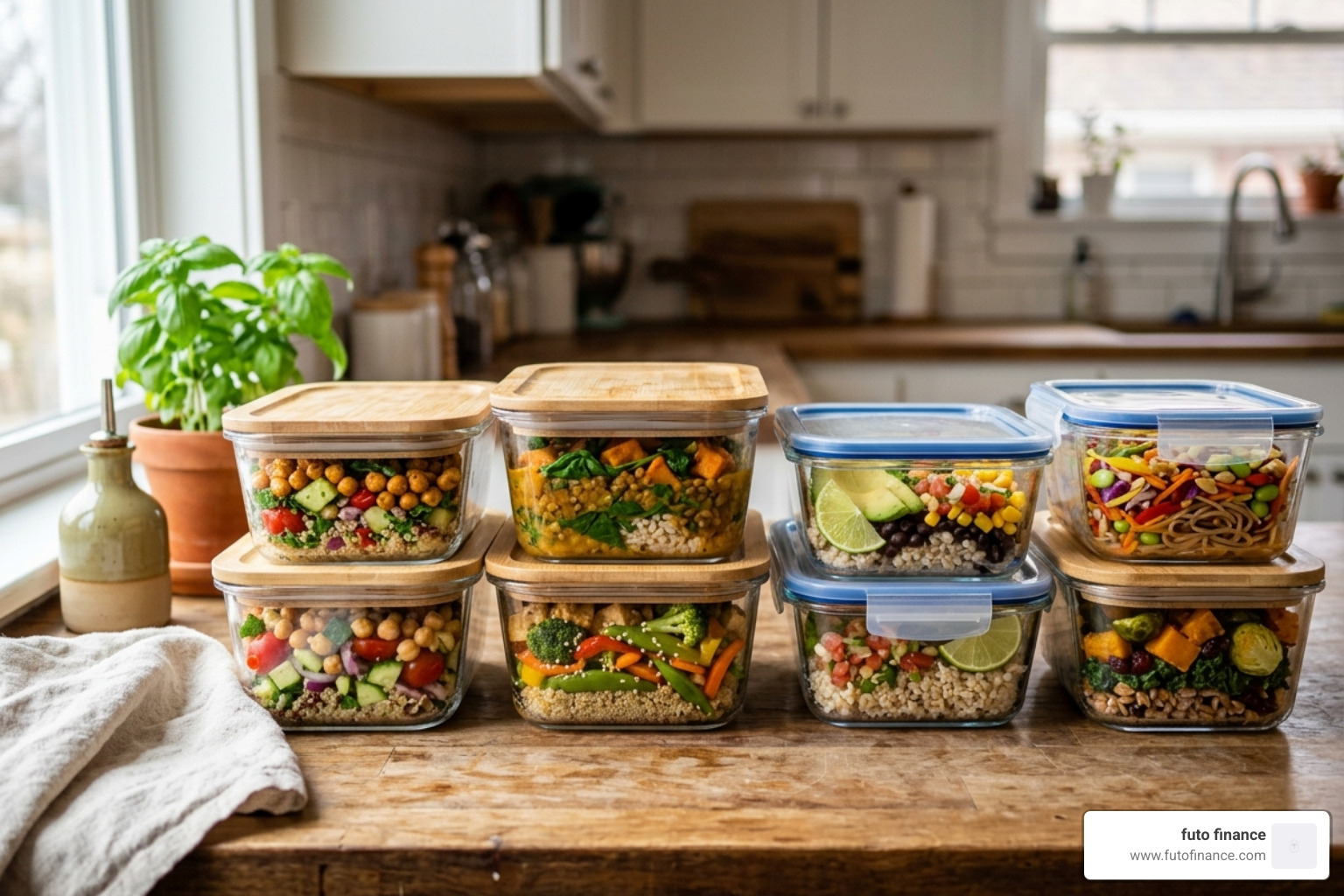
Most home cooked vegan meals, like curries, stews, and lentil-based dishes, can be stored in an airtight container in the refrigerator for up to 5 days. Many of these dishes, such as Vegan Shepherd’s Pie or Red Lentil Curry, actually taste better the next day as the flavors meld. If you want to store them longer, most can be frozen for up to 3 months.
Is it difficult to get enough protein without meat?
Not at all. This is one of the most common myths we encounter. Legumes like lentils and chickpeas are packed with protein and fiber. Tofu and tempeh provide complete proteins, and even vegetables like broccoli and spinach contribute to your daily intake. If you eat a variety of whole foods and enough calories, meeting your protein needs is simple.
Conclusion
Mastering home cooked vegan meals is a journey of discovery that pays off in health, savings, and satisfaction. At Futo Finance, we are dedicated to proving that you don’t need a massive kitchen or a huge budget to eat well. By focusing on student-focused nutrition and sustainable habits, we can all reach our April 2026 goals while enjoying delicious, “no-sweat” food.
Ready to simplify your kitchen game? Start your vegan journey today and explore our collection of recipes designed specifically for the busy, budget-conscious student. Happy cooking!

Melo Rodrigues is the founder of Futo Finance and a specialist in student-budget veganism. Having mastered the art of plant-based cooking in a university setting, Melo is dedicated to helping students achieve nutritional excellence without financial strain. Through Futo Finance, Melo shares lab-tested strategies for eating smart and living sustainably on a budget.
