
Healthy and Hearty Whole Food Plant Based Recipes Dinner Ideas
Essential Pantry Staples for Whole Food Plant Based Recipes Dinner
To master whole food plant based recipes dinner preparation, your pantry is your best friend. Unlike traditional cooking that relies on fresh meat or dairy that spoils quickly, a WFPB pantry is built on shelf-stable powerhouses. When we keep these staples on hand, we can whip up a nutritious meal in minutes without a last-minute trip to the store—a lifesaver during finals week!
The Building Blocks: Legumes and Grains
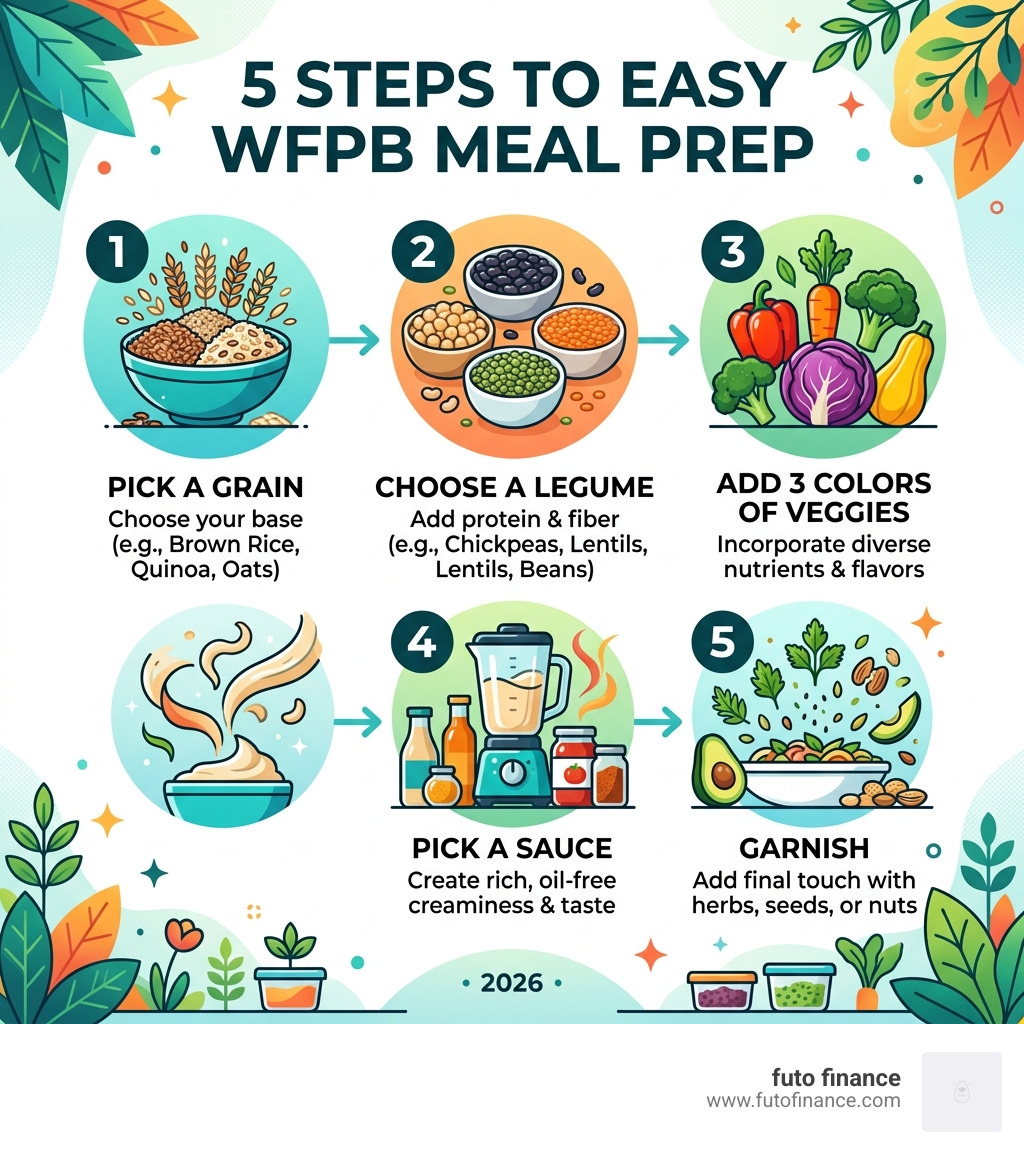
Legumes are the “meat” of the WFPB world. They provide the protein, fiber, and iron that keep us full. We recommend keeping a variety of dried and canned (no-salt-added) options:
- Lentils: Red lentils are perfect for thick, creamy soups and curries because they break down quickly. Green and brown lentils hold their shape, making them ideal for “meatloaf” or taco fillings.
- Chickpeas: These are incredibly versatile. You can roast them for a crunch, mash them for a “no-tuna” salad, or toss them into a Mediterranean bowl.
- Whole Grains: Brown rice and quinoa are our go-to bases. Quinoa is a “complete” protein and cooks in just 15 minutes, which is perfect for a quick whole food plant based recipes dinner.
Flavor and Texture Boosters
How do we make plants taste “hearty” without oil or butter? It’s all about the umami and creaminess:
- Nutritional Yeast: Often called “nooch,” these yellow flakes provide a savory, cheesy flavor to everything from pasta to roasted potatoes.
- Tahini and Cashews: These are our secret weapons for sauces. Blending soaked cashews or whisking tahini with lemon juice creates a rich, dairy-free creaminess.
- Spices: Don’t be shy! Smoked paprika, cumin, turmeric, and garlic powder are essential for adding depth to oil-free dishes.
Oil-Free Cooking Essentials
Since WFPB avoids refined oils, we use liquid-based cooking methods. Always have low-sodium vegetable broth or even just water on hand to “sauté” onions and garlic. Canned tomatoes (diced or crushed) serve as a fantastic base for stews, chilies, and pasta sauces without needing added fats.
| Legume/Grain Type | Average Cooking Time (Boiling) | Best Use Case |
|---|---|---|
| Red Lentils | 15–20 minutes | Creamy curries and dals |
| Brown Lentils | 25–30 minutes | Shepherd’s pie or salads |
| Chickpeas (Soaked) | 45–60 minutes | Hummus or stews |
| Quinoa | 15 minutes | Grain bowls and breakfast |
| Brown Rice | 40–45 minutes | Stir-fries and side dishes |
Quick and Easy One-Pot Weeknight Meals

Let’s be real: as students, we don’t always have two hours to spend over a stove. The beauty of whole food plant based recipes dinner ideas is that many are “dump and go.” One-pot meals and sheet pan dinners minimize cleanup and active cooking time.
The Power of the One-Pot Curry
One of our absolute favorites is the Vegan Red Lentil Sweet Potato Curry – Vegan Richa. This Thai-inspired dish is a nutritional powerhouse. Red lentils naturally thicken the sauce as they cook, eliminating the need for cornstarch or heavy creams. You simply sauté your aromatics (onion, garlic, ginger) in a splash of water or broth, add your spices and sweet potatoes, and let the coconut milk and lentils do the work.
Sheet Pan Roasting: The “Set and Forget” Method
If you want zero-effort veggies, sheet pan roasting is the answer. By using parchment paper, you can roast potatoes, broccoli, and chickpeas until they are crispy without using a single drop of oil.
- Pro Tip: Leave space between your vegetables on the tray. If they are crowded, they will steam instead of roast, and you’ll miss out on that delicious golden-brown crunch.
Batch Cooking and Freezer Hacks
Many WFPB recipes, like lentil stews or bean chilies, actually taste better the next day as the flavors meld. We suggest doubling your recipes on Sunday. Most plant-based curries can stay in the fridge for up to 5 days or in the freezer for up to 3 months. Having a “thaw and heat” dinner ready means you’re less likely to spend money on expensive takeout when you’re tired.
Hearty and Satisfying WFPB Dinner Categories

A common myth is that plant-based dinners leave you hungry. We’re here to tell you that if you do it right, you’ll feel more satisfied than ever. The secret lies in caloric density and umami. By using starchy vegetables like potatoes and protein-dense legumes, you create a meal that sticks to your ribs.
Mastering the Art of Satiety
To make a meal feel “hearty,” we focus on deep flavors. Browning your onions until they are sticky and sweet (using small splashes of water to prevent burning) adds a savory base that mimics the richness of meat.
A prime example of this is The Best Vegan Lentil Shepherd’s Pie – Rainbow Plant Life. This recipe replaces ground meat with a savory lentil and browned onion filling. Instead of a heavy butter-laden mash, it uses a combination of Russet potatoes and cauliflower, which creates a fluffy, light, yet incredibly filling topping.
Creamy Without the Dairy
You don’t need cream for a “creamy” texture.
- White Bean Puree: Blending a can of cannellini beans into a soup or risotto adds instant thickness and a protein boost.
- Cashew Cream: Soaking cashews in boiling water for 30 minutes and then blending them with a little lemon and salt creates a sauce so rich you won’t believe it’s just nuts.
Comforting Whole Food Plant Based Recipes Dinner Classics
We love adapting the “Standard American Diet” favorites into WFPB versions. It’s about keeping the soul of the dish while upgrading the ingredients:
- Sweet Potato Enchiladas: Use corn or whole wheat tortillas filled with mashed sweet potato and pinto beans, topped with a zesty cilantro-orange crema made from cashews.
- Oil-Free Potato Bowls: Roast baby potatoes and peppers, then toss them with black beans and a creamy cilantro sauce. It’s like a deconstructed taco that’s much more filling.
- Vegan Paella: Use brown rice or quinoa simmered in a saffron-scented tomato broth with artichokes, peas, and mushrooms for an earthy, “meaty” depth.
Global Flavors in Whole Food Plant Based Recipes Dinner
The world of plants is vast, and global cuisines have been doing whole food plant based recipes dinner right for centuries!
- Indian: Chana Masala (chickpea curry) is a budget-friendly staple that relies on bold spices like garam masala and cumin.
- East Asian: Soba noodles (made from buckwheat) served with steamed greens and a ginger-soy dressing are quick and refreshing.
- Mediterranean: Falafel (baked, not fried!) served in a grain bowl with hummus, cucumbers, and tomatoes provides a perfect balance of fats, carbs, and protein.
Frequently Asked Questions about WFPB Dinners
Are the lectins in beans and legumes harmful for a WFPB diet?
You might have heard some “internet noise” about lectins being harmful. However, nutritional science shows that for the vast majority of people, lectins are not a concern when beans are prepared properly. Cooking, boiling, or pressure-cooking beans neutralizes lectins. In fact, beans are some of the most health-promoting foods on the planet, linked to longevity and improved digestive health due to their high fiber content.
How can I roast vegetables and sauté aromatics without using oil?
This is the number one question we get!
- Water Sauté: Instead of oil, put 1–2 tablespoons of water or vegetable broth in your pan. When it starts to sizzle, add your onions. Add more liquid a tablespoon at a time if things start to stick. You’ll still get that beautiful caramelization!
- Air Fryers: If you have an air fryer, it is a game-changer for oil-free “fried” potatoes or tofu.
- Non-Stick Surfaces: Investing in a good quality non-stick pan or using silicone baking mats/parchment paper makes oil-free cooking a breeze.
How do I ensure my WFPB dinners are filling enough for the whole family?
If you feel hungry shortly after eating a salad, it’s because you didn’t include enough caloric density. To make a whole food plant based recipes dinner filling, ensure every plate has:
- A Starch: Potatoes, brown rice, whole-grain pasta, or corn.
- A Legume: Beans, lentils, or peas.
- Fiber: Large portions of non-starchy veggies (broccoli, spinach, peppers). Don’t be afraid of portion sizes! Because whole plant foods are less calorically dense than meat and oil, you can (and should) eat a larger volume of food to meet your energy needs.
Conclusion
Transitioning to a whole food plant based recipes dinner routine doesn’t have to be overwhelming or expensive. By focusing on simple pantry staples like lentils and brown rice, and utilizing time-saving methods like one-pot cooking, you can enjoy delicious, hearty meals that fuel your brain and body.
At Futo Finance, we are dedicated to making vegan living accessible for everyone, especially university students. We know that when you’re balancing classes and a budget, you need food that is fast, affordable, and nutritious. Whether you’re trying a lentil shepherd’s pie for the first time or mastering the art of oil-free roasting, we’re here to support your journey.
Ready to take the next step in your plant-based adventure? Start your healthy journey with Futo Finance today for more student-focused tips, recipes, and budget-friendly vegan hacks!

Melo Rodrigues is the founder of Futo Finance and a specialist in student-budget veganism. Having mastered the art of plant-based cooking in a university setting, Melo is dedicated to helping students achieve nutritional excellence without financial strain. Through Futo Finance, Melo shares lab-tested strategies for eating smart and living sustainably on a budget.
