
The Ultimate Guide to Finding Vegan Dry Pasta Brands
Is Dry Pasta Vegan? The Quick Answer for Plant-Based Eaters
Dry pasta vegan options are everywhere — and the good news is that most dry pasta you’ll find on store shelves is already vegan-friendly.
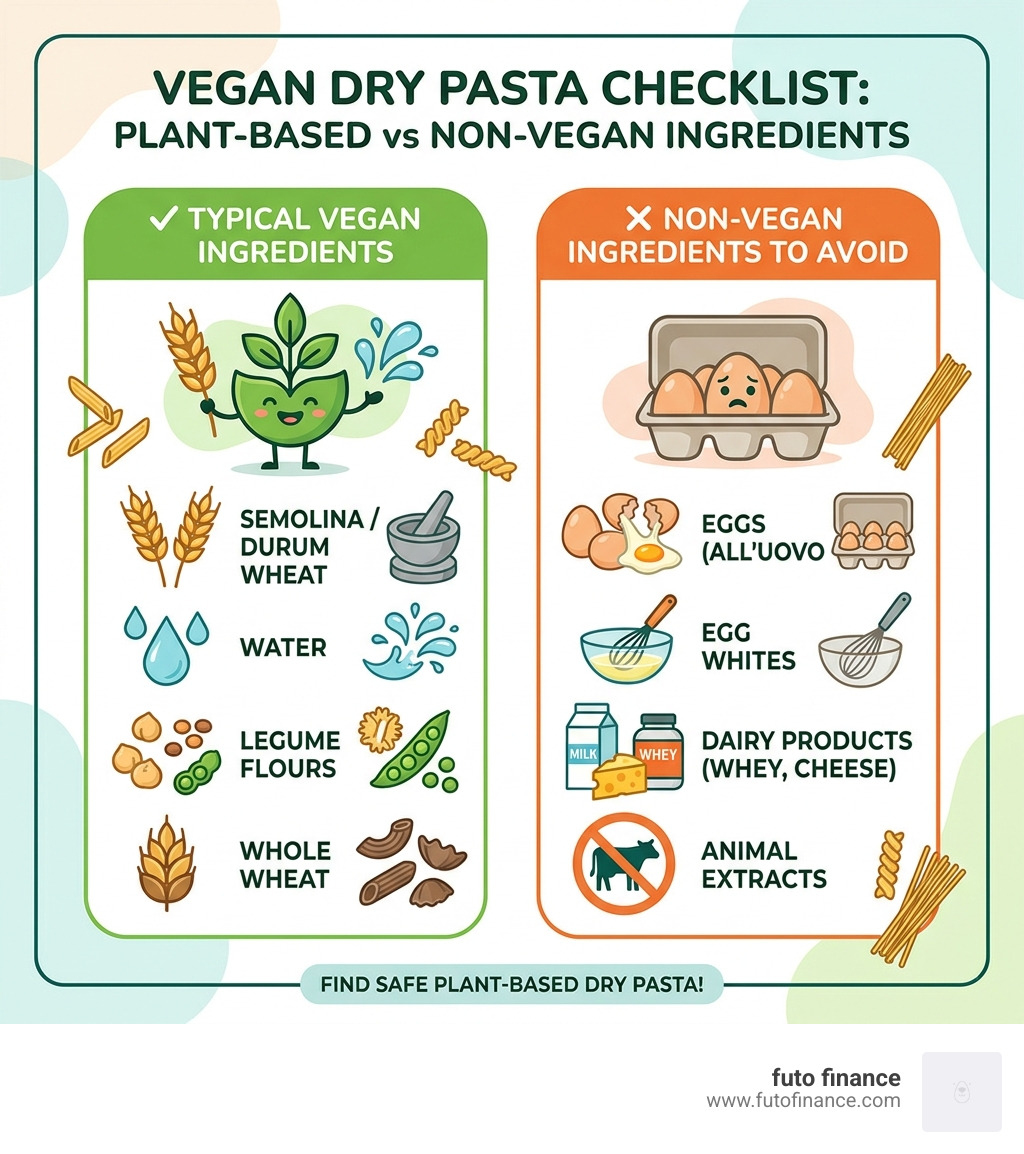
Quick answer: Most dry pasta is made from just semolina (or durum wheat flour) and water, making it naturally vegan. Here are the key facts:
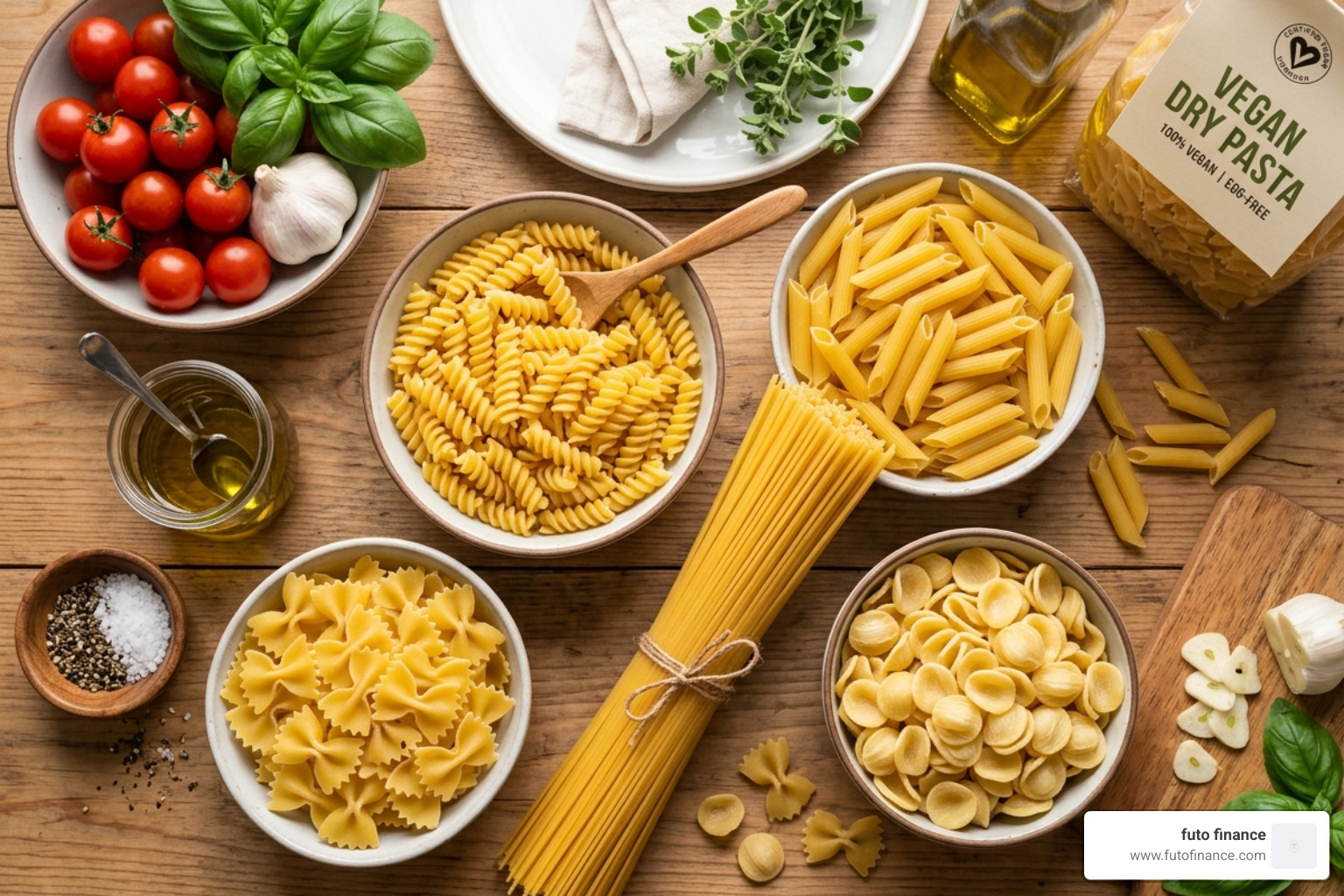
- Usually vegan: Standard dry pasta shapes like spaghetti, penne, fusilli, rigatoni, and macaroni
- Check the label: Some dry pasta contains eggs, egg whites, or whey — especially egg noodles, pappardelle, and some oven-ready lasagna sheets
- Safe bet brands: Barilla, De Cecco (blue box), Mueller’s, Ronzoni (most varieties), and Banza are widely available vegan options
- Specialty pastas: Whole wheat, chickpea, lentil, and other legume-based dry pastas are almost always vegan too
- Watch out for: The words “all’uovo” (Italian for “with egg”) or “egg” anywhere in the ingredients list
Americans eat around 6 billion pounds of pasta every year. That’s a lot of noodles — and the vast majority of it is completely plant-based by default.
If you’re a student trying to eat vegan on a tight budget, dry pasta is genuinely one of your best tools. It’s cheap, filling, quick to cook, and easy to find. The hard part isn’t finding vegan pasta — it’s knowing which ones to avoid.
This guide walks you through everything: which ingredients to watch for, the best budget brands, specialty options, sauces, and even how to make your own.
Is Most Dry Pasta Vegan?
When we walk down the pasta aisle in April 2026, it can feel overwhelming. However, the science of traditional pasta manufacturing is actually quite simple. Most dry pasta vegan products are shelf-stable because they lack moisture and fat—two things that usually come from eggs in fresh varieties.
Traditional dry pasta is made from durum wheat semolina and water. Durum wheat is a “hard” wheat, which provides the protein structure needed to keep the pasta from falling apart in boiling water without the need for an egg binder. Scientific research on the benefits of whole grains highlights their role in providing sustained energy for students. Because it is dried at high temperatures, it has a long shelf life, making it a staple for any student pantry.
Identifying Dry Pasta Vegan Ingredients
To be certain your pasta is plant-based, look at the ingredient list first. You are looking for:
- Durum Semolina / Semolina Flour: The gold standard for pasta.
- Durum Wheat Flour: A slightly finer version of semolina.
- Water and Salt: The only other essentials.
Many artisanal or “fancy” pastas also include vegetable-infused ingredients. You might see spinach (green), tomato or beet (red), or even carrot (orange). These are almost always vegan and add a lovely pop of color to your meal without adding animal products.
Comparing Dry vs. Fresh Pasta Status
The biggest confusion usually happens between the dry aisle and the refrigerated section.
- Fresh Pasta: Typically found in the deli or fridge section. It almost always uses eggs as a binder to create a soft, silky texture. Unless it specifically says “vegan,” you should assume fresh pasta contains eggs.
- Dry Pasta: Generally egg-free. However, keep an eye out for the Italian phrase all’uovo. This literally means “with egg,” and you’ll often see it on specialty shapes like fettuccine or tagliatelle.
Non-Vegan Ingredients to Watch Out For
While most dry pasta vegan options are safe, there are a few “hidden” ingredients that can sneak in. As students, we often grab the cheapest box, but a five-second label check is essential to stay true to a plant-based lifestyle.
Common Non-Vegan Additives:
- Eggs and Egg Whites: Found in “Egg Noodles” or “Enriched” pastas.
- Milk, Whey, or Casein: Sometimes added to high-protein or “instant” pasta varieties for texture or nutritional “boosts.”
- Iron Lactate: Usually vegan, but sometimes sourced from animals. If you see this, it’s worth a quick search of the brand or contacting the manufacturer.
- Monoglycerides and Diglycerides: These are emulsifiers. While often plant-derived, they can be animal-sourced.
- Squid Ink (Nero di Seppia): If you see black pasta that isn’t made from black beans, it’s likely colored with squid ink.
Hidden Animal Products in Specialty Shapes
Some shapes are traditionally “egg-heavy.” Be extra careful with:
- Oven-Ready Lasagna: Some brands use egg to help the sheets soften quickly without pre-boiling.
- Pappardelle and Tagliatelle: These wide, flat ribbons are traditionally made with a high egg-to-flour ratio.
- Tortellini: Even if the pasta shell looks dry, the filling inside almost always contains cheese (dairy) or meat.
Best Dry Pasta Vegan Brands for Students
We know that as a student, your budget is priority number one. Fortunately, the most affordable brands are often the most vegan-friendly.
- Barilla: Their standard blue box line is almost entirely vegan. They also offer excellent gluten-free and “Veggie” lines.
- De Cecco: Look for the blue boxes. Avoid the yellow boxes, as those are their all’uovo (egg) varieties.
- Mueller’s: A classic budget brand that has been around since 1867; most of their basic shapes are vegan.
- Ronzoni: Very affordable, though you should check their lasagna and “Smart Taste” labels.
- Banza: Made from chickpeas, this is a vegan favorite for high protein.
- Store Brands: Whether it’s Great Value, 365, or Signature Select, the “basic” store brand spaghetti is almost always just wheat and water.
For more tips on making these brands taste like a five-star meal, check out our vegan pasta recipes.
Specialty Varieties: Whole Wheat, Gluten-Free, and Legumes
If you want to move beyond white flour, specialty dry pasta vegan options is massive. These are often even more nutritious and are perfect for fueling long study sessions.
| Pasta Type | Main Ingredients | Protein (per serving) | Fiber (per serving) | Vegan Status |
|---|---|---|---|---|
| Whole Wheat | Whole durum wheat flour | 7-9g | 6-8g | Almost always |
| Chickpea | Chickpea flour, tapioca | 11-14g | 5-8g | Always |
| Red Lentil | Red lentil flour | 13-15g | 3-5g | Always |
| Brown Rice | Brown rice flour, water | 4-5g | 2-3g | Usually |
| Edamame | Edamame flour | 20-24g | 10-12g | Always |
Nutritional Benefits of Plant-Based Pasta
Switching to a dry pasta vegan diet isn’t just about ethics; it’s a health win. Standard wheat pasta is naturally cholesterol-free and low in fat.
If you opt for legume-based pastas (like those from Barilla or Banza), you can get up to 23g of protein per serving. This is a game-changer for students who might not have time to prep complex protein sources like tofu or seitan every night. These pastas are also rich in iron and B-vitamins, which help keep your energy levels stable during finals week.
Navigating Sauces and Stuffed Pastas
A bowl of plain noodles is… well, a bit sad. But before you dump a jar of sauce over your dry pasta vegan meal, you need to check the ingredients there, too.
- Marinara/Tomato Sauce: Usually vegan. Watch out for “Parmesan” or “Cheese” listed in the ingredients of cheaper brands.
- Pesto: Traditional pesto contains Parmesan and Romano cheese. Look for “Vegan Pesto” (like Gotham Greens) or make your own using nutritional yeast.
- Alfredo: Traditionally made with heavy cream and butter. You can easily swap this for a sauce made from soaked cashews or cauliflower and nutritional yeast.
- Vodka Sauce: Often contains heavy cream. However, the vodka itself is vegan and helps bring out the flavors of the tomatoes!
The Truth About Stuffed Pastas
This is where it gets tricky for vegans. Ravioli, Tortellini, and Manicotti are almost never vegan when bought “off the shelf.” They are stuffed with ricotta, mozzarella, or meats.
However, you can find vegan versions in specialty stores, or you can make a “cheat” version at home. Mixing firm tofu, spinach, nutritional yeast, and lemon juice creates a “tofu ricotta” that tastes remarkably like the real thing when stuffed into jumbo pasta shells.
Making and Storing Homemade Vegan Dry Pasta
Sometimes you want to feel like a pro chef in your dorm kitchen. Making your own dry pasta vegan dough is surprisingly easy and requires zero fancy equipment.
Basic Steps for Student-Friendly Pasta
You don’t need a $200 pasta machine. You can use a clean wine bottle or a heavy glass as a rolling pin.
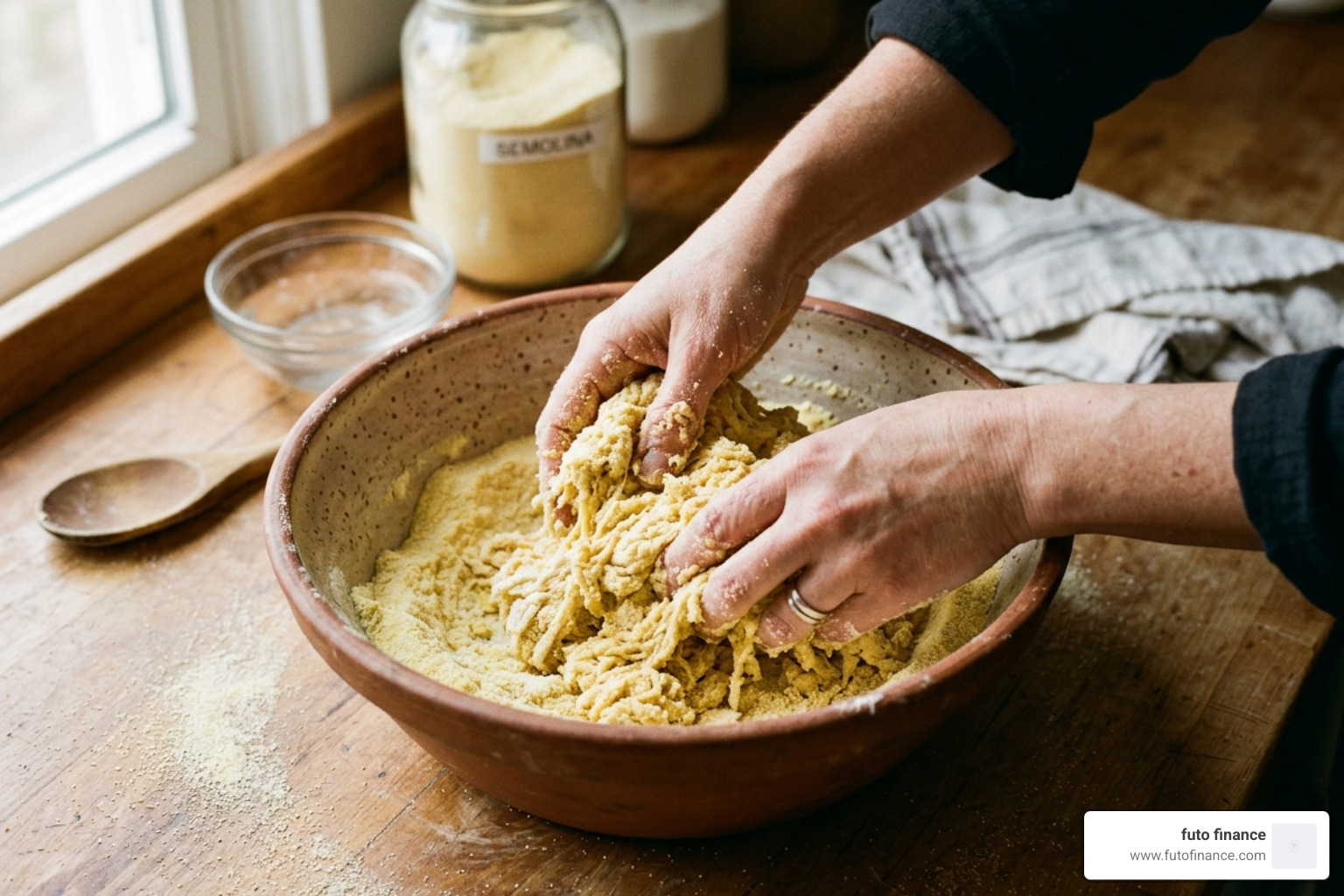
- The Mix: Create a mound of 2 cups flour (semolina is best, but all-purpose works) and a pinch of salt.
- The Well: Make a hole in the center. Add 1/2 cup lukewarm water and 1 tablespoon of olive oil.
- The Knead: Gradually mix the flour into the liquid. Knead for about 10 minutes until the dough is smooth and elastic. If it’s too sticky, add a sprinkle of flour.
- The Rest: Wrap it and let it sit in the fridge for 30 minutes. This “relaxes” the gluten so it doesn’t shrink when you roll it.
- The Roll: Roll it as thin as you possibly can. Fold it loosely and cut into strips with a sharp knife.
- The Dry: If you want to store it, let the “nests” sit at room temperature for 24 hours until they are brittle. You can then store them in an airtight container for up to a month!
Pro Tip: Add a 1/4 teaspoon of turmeric to your dough. It won’t change the flavor, but it gives the pasta that classic “eggy” yellow color.
Frequently Asked Questions about Vegan Pasta
Is gluten-free dry pasta always vegan?
Not always, but mostly. Most gluten-free brands use binders like xantham gum or cornstarch instead of eggs. However, some “gourmet” gluten-free fresh pastas might use egg to help with the texture, so always check the label for “egg-free” or “vegan” certifications.
Why is fresh pasta usually not vegan?
Fresh pasta relies on egg yolks for its rich flavor and fat content. The eggs act as a powerful binder that allows the dough to be rolled extremely thin without tearing. While you can find vegan fresh pasta (usually made with oil and water), it’s much rarer in standard grocery stores.
Is Barilla dry pasta vegan?
Yes! Most of Barilla’s classic “Blue Box” pastas are vegan. This includes their Spaghetti, Penne, Fusilli, and even their “Protein+” line (which uses lentils and chickpeas). Just stay away from their “Tortellini” or any box that explicitly mentions “Egg.”
Conclusion
Navigating dry pasta vegan options doesn’t have to be a chore. For the average student, pasta is the ultimate “safe” food—it’s affordable, versatile, and incredibly easy to verify once you know the red-flag ingredients like all’uovo or whey.
At Futo Finance, we believe that eating plant-based should be accessible to everyone, regardless of their bank balance. By sticking to reliable brands like Barilla or Banza, or even trying your hand at a simple 3-ingredient homemade dough, you can enjoy delicious, high-protein meals that fuel your brain and your body.
Ready to level up your kitchen game? Explore our vegan pasta recipes and discover how simple, affordable, and tasty a student-focused vegan lifestyle can be!

Melo Rodrigues is the founder of Futo Finance and a specialist in student-budget veganism. Having mastered the art of plant-based cooking in a university setting, Melo is dedicated to helping students achieve nutritional excellence without financial strain. Through Futo Finance, Melo shares lab-tested strategies for eating smart and living sustainably on a budget.
