
The Ultimate Guide to Easy Vegan Bowl Recipes for Busy Students
Why Student Budget Vegan Recipes Are a Game-Changer for College Life
Student budget vegan recipes can feed you well for as little as $40 a week — that’s under $6 a day for 2,000+ calories of nutritious, satisfying food.
Here’s a quick look at what’s possible:
| Meal | Example | Est. Cost |
|---|---|---|
| Breakfast | Overnight oats with peanut butter and banana | ~$0.50 |
| Lunch | Hummus and veggie wrap | ~$1.50 |
| Dinner | Lentil stew with rice | ~$1.75 |
| Snack | Peanut butter on toast | ~$0.30 |
| Daily Total | ~$4.05–$5.85 |
Nearly 40% of college students face food insecurity. That’s a real problem — but it also means eating smart matters more than ever.
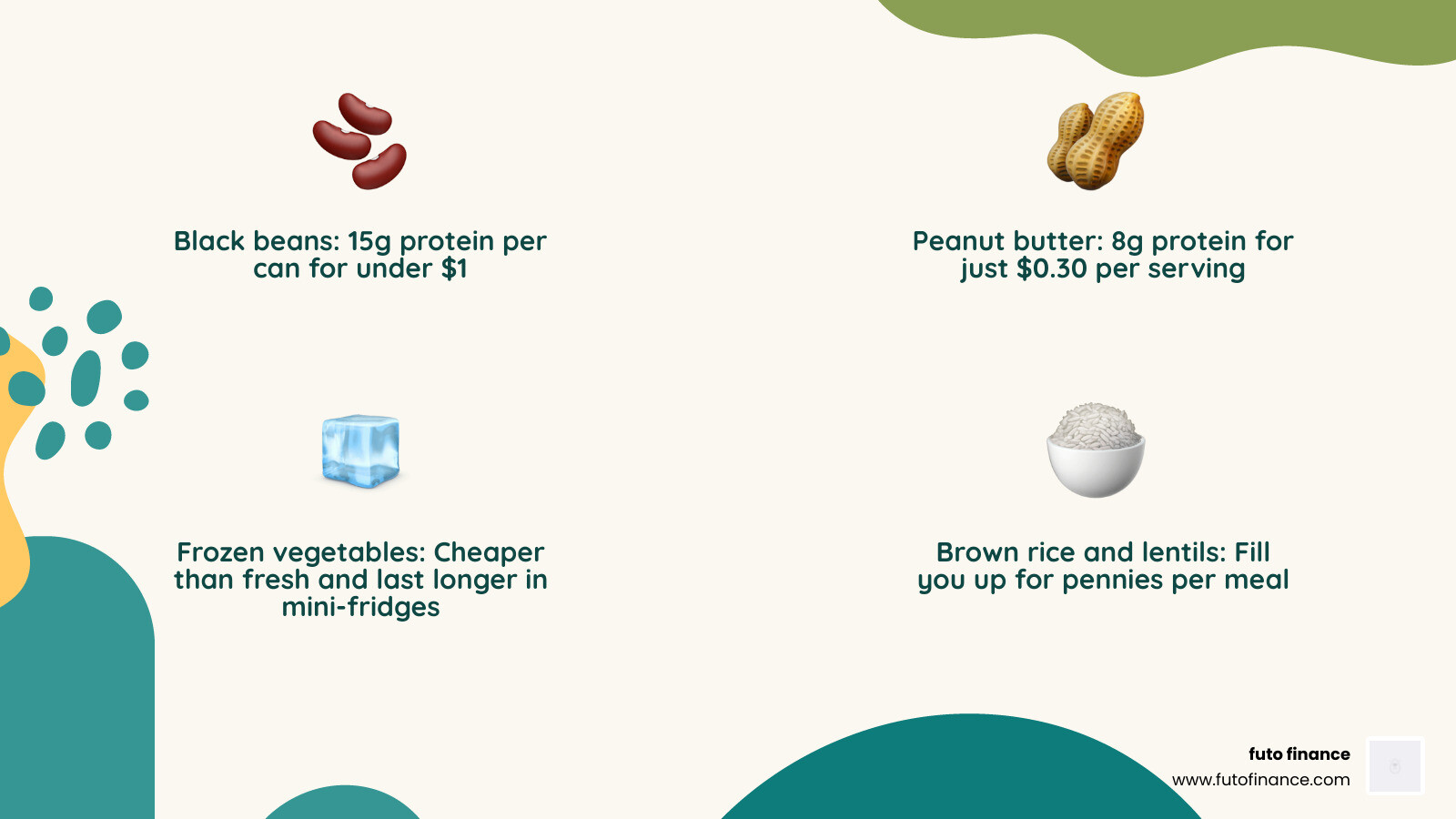
The good news? Plant-based staples like beans, lentils, oats, and frozen vegetables cost far less than meat or dairy. A can of black beans delivers 15g of protein for under $1. Two tablespoons of peanut butter give you 8g of protein for about $0.30.
And eating well isn’t just about your wallet. Meals rich in fiber, protein, and antioxidants can sharpen your focus, boost your memory, and help you power through long study sessions.
This guide covers everything — tools, pantry staples, meal prep, and 12 easy vegan bowl recipes — so you can eat well without stressing your budget or your schedule.
Essential Tools and Pantry Staples for Student Budget Vegan Recipes
When we talk about student budget vegan recipes, the first hurdle is often the “dorm factor.” Most of us aren’t working with a professional chef’s kitchen. We have a desk, a pile of textbooks, and hopefully, a small corner for a mini-fridge.
To make this lifestyle work, we recommend a few essential tools that are usually dorm-approved:
- Mini-fridge: Essential for keeping your almond milk, tofu, and leftover batches fresh.
- Microwave: Your best friend for “steaming” veggies and cooking grains.
- Electric Kettle: Great for making couscous, oatmeal, or even soaking red lentils.
- Microwave-safe glass containers: These serve as your cooking vessel and your storage.
Now, let’s talk about the pantry. The secret to staying under budget is avoiding the “specialty vegan” section. You don’t need $8 vegan jerky or $12 cashew cheese. Instead, focus on the “pantry powerhouses.”
Our must-have list includes:
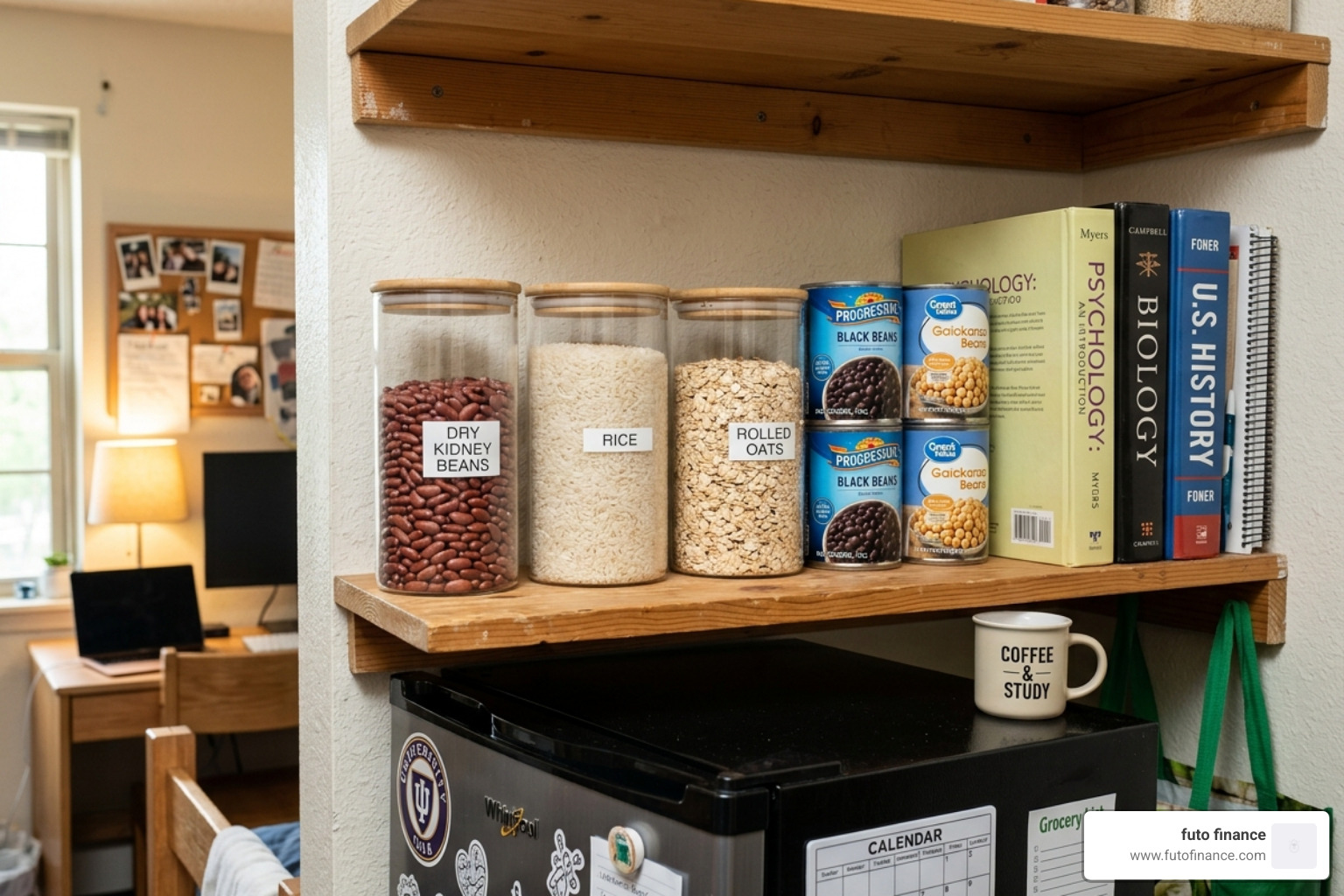
- Black Beans and Chickpeas: Buy them canned for convenience or dry to save even more.
- Red Lentils: These are the MVPs because they cook faster than any other legume.
- Brown Rice or Quinoa: High-fiber bases for every bowl.
- Rolled Oats: The cheapest breakfast on the planet.
- Peanut Butter: For healthy fats and a quick protein hit.
- Nutritional Yeast: This provides a “cheesy,” savory flavor and a boost of B-vitamins.
Pro Tip: Always reach for the generic or store brands. Research shows that switching to generic brands can cut your grocery costs by 30-40% without sacrificing nutritional quality. For more personalized guidance on setting up your vegan kitchen, check out our vegan nutrition services.
Building Balanced Student Budget Vegan Recipes in a Dorm
You don’t need a stove to build a balanced meal. The key is to combine a plant protein, a complex carb, and a healthy fat in every bowl.
- Microwave Steaming: You can “steam” almost any frozen vegetable in the microwave. Just put them in a bowl with two tablespoons of water, cover with a microwave-safe plate, and heat for 2-4 minutes.
- No-Cook Methods: Ingredients like chickpeas and canned lentils are “ready to eat.” You can toss them directly into salads or wraps without any heat at all.
- The Amino Acid Pool: Don’t stress about “completing” your proteins (like eating rice and beans in the exact same bite). As long as you eat a variety of plant foods throughout the day, your body maintains an “amino acid pool” to build the proteins it needs.
- Frozen Vegetables: These are often more nutritious than fresh produce because they are flash-frozen at peak ripeness. Plus, they won’t rot in your fridge during finals week.
- Unit Pricing: Look at the small print on the shelf tag. It tells you the price per ounce or pound. Often, the bigger bag of rice is cheaper, but only if you have the space to store it!
How to Master Meal Prep on a $40 Weekly Budget
Meal prepping is the only way to survive a busy semester while staying vegan. If you don’t have a plan, you’ll end up spending $15 on a mediocre takeout salad when you’re tired.
To hit that $5.85 daily cost, you need to be strategic. Here is how a typical $40 weekly budget breaks down for a 2,000-calorie daily plan:
| Category | Weekly Cost | Items |
|---|---|---|
| Grains & Starches | $8 | Rice, oats, pasta, potatoes |
| Protein Sources | $12 | Beans, tofu, lentils, peanut butter |
| Fruits & Veggies | $10 | Frozen berries, bananas, frozen mixed veg, onions |
| Pantry & Flavor | $6 | Soy sauce, spices, oil, nutritional yeast |
| Emergency Buffer | $4 | For that one coffee or extra snack |
Batch Cooking is Key. Spend two hours on a Sunday cooking a giant pot of rice and a big batch of lentil stew. This reduces “decision fatigue” during the week. According to Scientific research on the benefits of plant-based diets, eating more whole plants can significantly lower inflammation and improve heart health, which are great long-term benefits for any student.
Shop at Ethnic Markets. If you have access to an Indian, Mexican, or Asian grocery store, go there for your spices, beans, and rice. You will often find 10-pound bags of rice or massive jars of spices for half the price of a standard supermarket.
Watch the Sales Cycles. Canned goods and frozen staples usually go on sale every 6-8 weeks. When they do, buy five or six cans instead of one.
Affordable Protein Sources for Student Budget Vegan Recipes
The most common myth about veganism is that it’s hard to get protein. For a student, the goal is usually 50-60g of protein per day.
- Peanut Butter: At roughly $0.30 per serving, it’s one of the cheapest ways to get 8g of protein.
- Tofu: A block of tofu usually costs $2-3 and contains about 30g of protein. You can actually “bake” tofu in a microwave or eat it cold in a “tuna-style” salad.
- Canned Beans: A $1 can of black beans provides 15g of protein.
- Protein-to-Cost Ratio: When you compare plant proteins to meat, the savings are staggering. Plant staples routinely cost less than $2 per serving, while conventional meat-based meals often run $5–$10.
By focusing on these high-satiety foods, you’ll stay full during a three-hour lecture without needing to hit the vending machine.
12 Quick and Easy Vegan Bowl Recipes for Busy Students
These bowls are designed to be made in a dorm room with minimal equipment. Most use the “base + protein + veg + sauce” formula.

- Overnight Oats Bowl: Mix 1/2 cup oats, 1 tbsp peanut butter, and 1/2 sliced banana in a jar with plant milk. Let it sit overnight.
- Burrito Bowl: Microwaveable brown rice, canned black beans, jarred salsa, and frozen corn. Top with a squeeze of lime.
- Chickpea “Tuna” Salad Bowl: Mash chickpeas with a fork, mix with a little vegan mayo (or hummus), mustard, and diced pickles. Serve over greens.
- Microwave Lentil Stew: Use canned lentils, a splash of vegetable broth, frozen spinach, and garlic powder. Heat until bubbly.
- Tofu Scramble Bowl: Crumble firm tofu into a bowl. Add nutritional yeast, turmeric (for color), and frozen peppers. Microwave for 3 minutes.
- Loaded Sweet Potato Bowl: Poke holes in a sweet potato and microwave for 5-7 minutes. Split it open and stuff with black beans and salsa.
- Peanut Pasta Bowl: Cook noodles (or use microwave pouches). Whisk peanut butter, soy sauce, and sriracha with a splash of hot water for the sauce. Toss with frozen peas.
- Kettle Quinoa Salad: Quinoa can be “cooked” by pouring boiling water over it in a thermos and letting it sit for 20 minutes. Mix with cucumbers and lemon juice.
- Black Bean Wedge Bowl: If you have an air fryer, toss potato wedges with black beans and chili powder. If not, use microwave “baked” potato chunks.
- Veggie Stir-Fry Bowl: Use a bag of frozen stir-fry veggies. Microwave with smoked tofu and a soy-ginger dressing.
- Falafel Bowl: Use store-bought frozen falafel (microwaveable) with hummus, shredded carrots, and pita bread.
- Banana Peanut Butter Smoothie Bowl: If you have a small bullet blender, blend frozen bananas with peanut butter. Top with granola or seeds.
Customizing Your Student Budget Vegan Recipes
The secret to not getting bored is the “Flavor Profile.” You can use the same beans and rice every day but make them taste completely different using five staple spices:
- Garlic Powder (Essential for everything)
- Cumin (For Mexican or Middle Eastern vibes)
- Smoked Paprika (For a “meaty,” smoky flavor)
- Nutritional Yeast (For cheesiness)
- Red Pepper Flakes (For heat)
Leftover Repurposing: If you have leftover rice, turn it into a cold rice salad the next day with some vinegar and chickpeas. If you have leftover roasted veggies, mash them into a soup thickener.
Windowsill Herbs: If your dorm gets sunlight, try growing a basil or mint plant. It’s a one-time investment that provides fresh flavor for months.
Meeting Nutritional Needs and Overcoming Social Challenges
Eating vegan is about more than just calories; it’s about the right nutrients.
- Vitamin B12: This is non-negotiable. Plant foods do not reliably contain B12. A 3-month supply of supplements costs about $10 — a small price for brain health.
- Iron Absorption: Plant-based iron (non-heme) is absorbed better when eaten with Vitamin C. Always add a squeeze of lemon, some bell peppers, or berries to your iron-rich meals (like lentils or spinach).
- Calcium: Look for fortified plant milks or eat plenty of kale, broccoli, and tofu.
- Omega-3s: Add a tablespoon of ground flaxseeds or chia seeds to your morning oats.
Dining Hall Hacks: If you have a required meal plan, use the salad bar to your advantage. Take extra chopped veggies, sunflower seeds, or beans back to your dorm in a container to use for your own student budget vegan recipes later.
Social Eating: Eating out with friends can be tricky. We recommend checking the menu beforehand to find a “safe” option like a bean burrito (hold the cheese) or a veggie burger. Don’t be afraid to eat a small snack before you go so you aren’t “hangry” if the options are limited. For a deeper dive into these requirements, see this Scientific research on vegan nutrient requirements.
Frequently Asked Questions about Vegan Student Cooking
Is a vegan diet more expensive for students?
Actually, it’s usually cheaper! While “fake meats” are pricey, the core of a vegan diet — beans, grains, and frozen veggies — are the cheapest items in the store. Students often save an average of $2,000 per year by cooking their own plant-based meals instead of relying on expensive campus meal plans.
How do I get enough protein without meat?
Easily. Between peanut butter, lentils, beans, and tofu, you can hit 50-70g of protein daily on a $40 budget. Your body doesn’t care if the amino acids come from a cow or a chickpea; it just needs the building blocks.
Can I cook vegan meals without a full kitchen?
Yes! As we’ve shown, a microwave and an electric kettle can handle about 90% of the recipes in this guide. Focus on “assembly” meals rather than “gourmet” cooking.
Conclusion
At Futo Finance, we believe that being a student shouldn’t mean sacrificing your health or your ethics for your bank account. By mastering a few student budget vegan recipes, you aren’t just saving money — you’re building sustainable habits that will fuel your academic success and long-term wellness.
Eating vegan on $40 a week is entirely possible with a little prep and the right pantry staples. Ready to take control of your kitchen? Start your vegan journey today and discover how delicious and affordable plant-based living can be.

Melo Rodrigues is the founder of Futo Finance and a specialist in student-budget veganism. Having mastered the art of plant-based cooking in a university setting, Melo is dedicated to helping students achieve nutritional excellence without financial strain. Through Futo Finance, Melo shares lab-tested strategies for eating smart and living sustainably on a budget.
